Sustainable urban development has become a critical focus in the modern era, aiming to address the challenges posed by rapid urbanization and climate change. At the heart of this concept lies the principle of creating cities that are more environmentally friendly, socially inclusive, and economically vibrant. One of the most effective methods of achieving this is through the adoption of green buildings. This article delves into the impact of green buildings on urban sustainability, discussing their benefits, challenges, and future prospects.
Introduction
The world’s urban population is growing at an unprecedented rate, with more than half of the global population now living in cities. This trend is expected to continue, placing immense pressure on urban infrastructures, resources, and the environment. Traditional building practices have significantly contributed to environmental degradation, with construction and operational activities accounting for substantial greenhouse gas emissions, waste generation, and resource consumption.
Green buildings, also known as sustainable or eco-friendly buildings, offer a solution to these problems. These structures are designed, constructed, and operated in ways that reduce their overall environmental impact, enhance occupant well-being, and promote sustainable practices. The implementation of green buildings within urban settings is crucial to achieving long-term sustainability goals and addressing the multifaceted challenges of modern cities.
Green buildings incorporate various strategies and technologies to minimize energy consumption, utilize renewable energy sources, conserve water, improve indoor air quality, and use recycled or sustainable materials. Such practices not only reduce the environmental footprint of urban development but also contribute to the overall quality of life of city dwellers. As we explore the impact of green buildings on urban sustainability, it is essential to understand their core principles and the tangible benefits they offer.
Environmental Benefits of Green Buildings
One of the primary drivers of green building adoption is their positive impact on the environment. Traditional buildings are significant contributors to global carbon emissions, accounting for nearly 40% of global energy-related CO2 emissions. Green buildings mitigate this by incorporating energy-efficient designs, renewable energy systems, and sustainable construction materials.
Energy efficiency is a cornerstone of green building practices. Advanced insulation, high-performance windows, natural ventilation, and energy-efficient lighting and appliances are some of the features that significantly reduce a building’s energy consumption. Additionally, the integration of renewable energy sources such as solar panels and wind turbines further decreases reliance on fossil fuels, ultimately reducing greenhouse gas emissions.
Water conservation is another critical aspect of green buildings. Innovative technologies like rainwater harvesting systems, greywater recycling, and low-flow fixtures ensure efficient water use while minimizing waste. These practices are particularly important in urban areas facing water scarcity, helping to alleviate pressure on municipal water supplies.
Moreover, green buildings emphasize the use of sustainable materials, such as recycled, reclaimed, or rapidly renewable resources. These materials not only decrease the environmental impact of construction but also promote circular economy principles by reducing waste generation and encouraging reuse. By minimizing resource consumption and waste, green buildings play a pivotal role in reducing the overall environmental footprint of urban development.
Economic Advantages of Green Buildings
While the environmental benefits of green buildings are well-known, their economic advantages are equally compelling. Green buildings often have higher upfront costs due to the integration of advanced technologies and sustainable materials. However, these initial investments are offset by long-term savings and increased property value.
One of the most significant economic benefits of green buildings is their reduced operational costs. Energy-efficient systems, water-saving technologies, and durable construction materials lower utility bills and maintenance expenses. Studies have shown that green buildings can achieve energy savings of up to 30-50% compared to conventional buildings, translating into substantial cost reductions over the building’s lifespan.
Furthermore, green buildings tend to have higher occupancy rates and rental values. Tenants and buyers are increasingly seeking environmentally responsible properties that offer healthier and more comfortable living or working environments. The enhanced indoor air quality, natural lighting, and thermal comfort provided by green buildings contribute to occupant satisfaction and well-being, making them more attractive to potential occupants.
In addition to operational savings and increased property value, green buildings can also benefit from various incentives and certification programs. Governments and organizations worldwide offer tax credits, grants, and other financial incentives to encourage sustainable building practices. Achieving certifications such as LEED (Leadership in Energy and Environmental Design) or BREEAM (Building Research Establishment Environmental Assessment Method) can further enhance a building’s marketability and reputation.
Social and Health Benefits of Green Buildings
Beyond environmental and economic advantages, green buildings also offer significant social and health benefits. The design and construction of green buildings prioritize occupant well-being, creating spaces that promote physical and mental health.
Indoor air quality (IAQ) is a critical factor influencing occupant health. Traditional buildings often suffer from poor IAQ due to the presence of pollutants, allergens, and inadequate ventilation. Green buildings address these issues by using low-emission materials, incorporating advanced ventilation systems, and ensuring proper filtration. As a result, occupants experience fewer respiratory problems, allergies, and other health issues related to indoor air pollution.
Natural lighting and access to outdoor views are other important elements of green building design. Ample natural light not only reduces the need for artificial lighting but also improves mood, productivity, and overall well-being. Studies have shown that exposure to natural light positively impacts mental health, reducing stress levels and enhancing cognitive function.
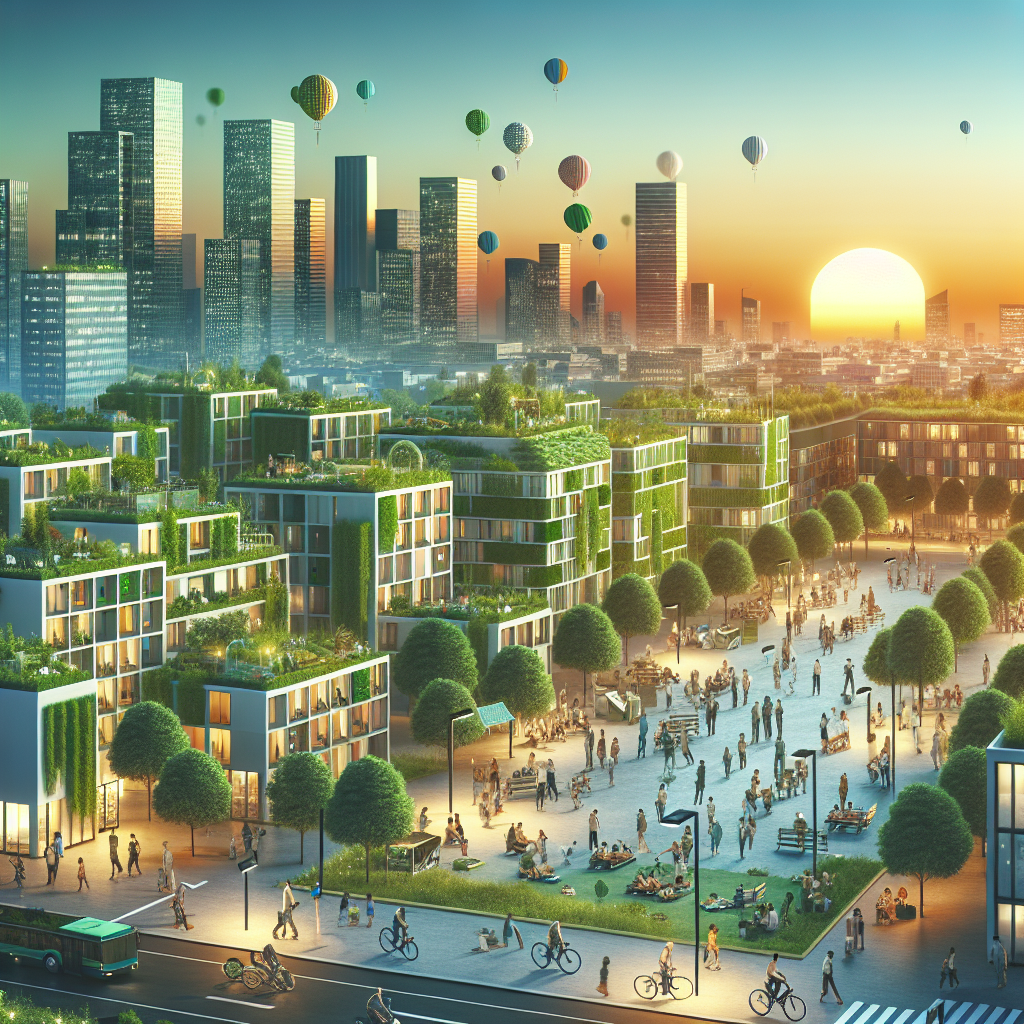
Green buildings also promote physical activity and social interaction. Features such as green roofs, communal gardens, and walkable spaces encourage occupants to engage in outdoor activities and interact with their community. These elements contribute to a sense of belonging and improve social cohesion, fostering healthier and more vibrant urban environments.
Moreover, the construction and operation of green buildings can create job opportunities and support local economies. The demand for skilled labor in green building projects drives job creation in sectors such as renewable energy, sustainable construction, and environmental consulting. By contributing to local economic development, green buildings have a positive impact on communities beyond their immediate environmental benefits.
Challenges and Barriers to Green Building Adoption
While the benefits of green buildings are undeniable, several challenges and barriers hinder their widespread adoption. One of the most significant obstacles is the higher upfront cost associated with sustainable building practices. The integration of advanced technologies, energy-efficient systems, and sustainable materials can increase construction costs, making green buildings less accessible to some developers and property owners.
However, it is essential to recognize that these initial investments are often offset by long-term savings in operational costs and increased property value. Financial incentives, grants, and certification programs can also help mitigate the cost barrier, encouraging more stakeholders to embrace green building practices.
Another challenge is the lack of awareness and education about green buildings and their benefits. Many developers, architects, and property owners may not be fully informed about the advantages of sustainable building practices or the available resources to support their implementation. Public and private sector collaboration can play a crucial role in increasing awareness and providing access to information and training.
Regulatory and policy frameworks can also impact the adoption of green buildings. In some regions, building codes and regulations may not adequately support or incentivize sustainable building practices. Governments need to continuously update regulations to promote green building standards and provide clear guidelines for developers and property owners.
Furthermore, the availability of sustainable materials and technologies can vary based on location, affecting the feasibility of green building projects. Supply chain challenges and limited access to sustainable resources can pose barriers to construction and increase project costs. Collaboration between industry stakeholders and investment in research and development can help address these issues and enhance the availability of sustainable options.
The Future of Green Buildings in Urban Sustainability
Despite the challenges, the future of green buildings in urban sustainability looks promising. Technological advancements, increased awareness, and supportive policy frameworks are driving the growth of green building practices worldwide. As cities continue to face the pressures of urbanization and climate change, the adoption of sustainable building practices will become increasingly critical.
One of the key trends shaping the future of green buildings is the integration of smart technologies. The Internet of Things (IoT), artificial intelligence (AI), and data analytics are being leveraged to optimize building performance, energy management, and occupant comfort. Smart buildings can automatically adjust lighting, heating, ventilation, and other systems based on real-time data, further reducing energy consumption and enhancing sustainability.
Moreover, the concept of net-zero buildings is gaining traction. Net-zero buildings are designed to produce as much energy as they consume, often through the integration of renewable energy systems such as solar panels and wind turbines. These buildings represent the pinnacle of energy efficiency and sustainability, contributing significantly to the reduction of greenhouse gas emissions.
Green building certification programs are also evolving to encompass broader sustainability criteria. New rating systems are addressing not only energy efficiency and environmental impact but also social equity, resilience, and well-being. These comprehensive frameworks ensure that green buildings contribute to holistic urban sustainability goals.
Additionally, community engagement and participatory planning are becoming integral to green building projects. Involving residents, stakeholders, and local organizations in the design and development process ensures that green buildings meet the needs and preferences of the community while fostering a sense of ownership and responsibility.
Conclusion
Green buildings are a vital component of sustainable urban development, offering a multitude of environmental, economic, social, and health benefits. By reducing energy and water consumption, minimizing waste, and enhancing occupant well-being, green buildings contribute to the overall sustainability and resilience of urban environments.
While challenges such as higher upfront costs, lack of awareness, and regulatory barriers exist, the growing recognition of the importance of sustainable practices and the availability of financial incentives and certification programs are driving the adoption of green buildings worldwide. Technological advancements and innovative approaches continue to shape the future of green buildings, ensuring their pivotal role in addressing the challenges of urbanization and climate change.
As cities strive to become more sustainable, the integration of green buildings into urban planning and development strategies is essential. By embracing sustainable building practices, we can create healthier, more resilient, and vibrant urban environments for current and future generations.
Frequently Asked Questions
1. What are green buildings and how do they contribute to urban sustainability?
Green buildings, often referred to as sustainable or eco-friendly buildings, are structures that adopt environmentally conscious design and construction methods. They typically incorporate sustainable materials, energy-efficient systems, and innovative technologies that reduce their overall environmental impact. These buildings are pivotal in promoting urban sustainability as they aim to improve resource efficiency, minimize waste, and decrease energy consumption. By reducing greenhouse gas emissions and conserving water, green buildings mitigate the adverse effects of climate change, thereby contributing significantly to the sustainability of urban areas. Moreover, they enhance urban livability by improving air quality and creating healthier indoor environments, which can have positive effects on public health and well-being. Overall, they form a core part of the strategy to create cities that are resilient, adaptable, and equipped for future challenges.
2. How do green buildings support economic growth in cities?
Green buildings positively impact city economies by fostering local job creation, lowering operating costs, and increasing property values. Because these structures demand a range of specialized services—from sustainable architecture and engineering to green technology installations—they generate employment opportunities within the workforce skilled in green construction and maintenance sectors. Furthermore, businesses operating within green buildings often benefit from reduced utility bills due to energy-efficient features and water-saving systems, which can result in considerable cost savings over the building’s lifecycle. These cost reductions make green buildings financially attractive, encouraging more developers and investors to get involved, thereby driving economic growth. Additionally, as consumer awareness regarding environmental issues rises, properties featuring sustainable practices attract premium market value, appealing strongly to eco-conscious renters and buyers who are increasingly prioritizing environmental responsibility. This escalating demand can be an economic boon, fostering urban renewal and increasing the tax base for city governments.
3. What are the social benefits of integrating green buildings into urban areas?
Green buildings contribute substantially to the social fabric of urban communities by promoting healthier lifestyles and improving community wellbeing. They often provide enhanced indoor environmental quality by optimizing natural lighting, ventilation, and utilizing non-toxic building materials, which can significantly reduce health issues such as respiratory illnesses and allergies. Furthermore, their sustainable design frequently includes communal and recreational spaces that foster social interaction, creating a sense of community and enhancing social inclusion. Green buildings also demonstrate a commitment to sustainability and environmental stewardship, which can inspire residents and businesses to engage in additional green practices, thereby fostering social cohesion around shared values. These aspects not only increase the living standards within cities but also encourage community involvement and pride, which is essential for the development of robust, supportive urban environments.
4. How do green buildings address challenges related to climate change in urban settings?
Green buildings effectively respond to climate change challenges in urban environments by significantly reducing carbon footprints and enhancing resilience to environmental stressors. Through the use of renewable energy sources such as solar panels, coupled with energy-efficient systems, green buildings lower the reliance on fossil fuels, thereby curbing carbon emissions. Water-saving fixtures further contribute by lessening the strain on water resources, which is crucial given the increasing incidents of droughts linked to climate change. Moreover, green buildings are designed to endure and adapt to future climatic conditions, incorporating features such as rainwater harvesting and green roofs that aid in managing stormwater, reducing urban heat island effects, and enhancing biodiversity within cityscapes. By integrating these adaptive strategies, green buildings strengthen the overall resilience of urban areas, making cities better equipped to withstand and recover from adverse climate impacts.
5. How can cities encourage the adoption of green buildings?
Several approaches can be taken by cities to promote the integration of green buildings into urban settings effectively. Firstly, city governments can provide incentives such as tax credits, grants, or subsidies for developers and homeowners who incorporate green features or achieve certain sustainability certifications. Additionally, cities can impose building codes and regulations that mandate minimum efficiency standards or require sustainable practices in new constructions and renovations. Public awareness campaigns highlighting the benefits of green buildings for both the environment and human health can also play a critical role in generating demand from residents and businesses. Furthermore, cities could lead by example, investing in the construction of green public buildings that showcase cutting-edge sustainable technologies and serve as a model for private developers. Collaborative efforts among governmental agencies, private sector partners, and community organizations are essential in creating an environment that nurtures the widespread adoption of green buildings as crucial components of urban sustainability.