In an age where sustainability has become a paramount concern, urban development plays a crucial role in shaping a greener future for our planet. Sustainable urban infrastructure is not merely a buzzword; it is a necessity that intertwines environmental responsibility with economic growth and societal well-being. This approach aims to address some of the most pressing issues, including climate change, energy efficiency, waste management, and social equity. Today, cities are evolving, guided by innovative practices and technological advancements, to create dynamic, livable environments that cater to the needs of current and future generations.
The global urban population is increasing at an unprecedented rate. According to the United Nations, nearly 68% of the world’s population is projected to live in urban areas by 2050. This rapid urbanization poses significant challenges, including the need for efficient resource management, reduction of carbon emissions, and construction of resilient infrastructures capable of withstanding the impacts of climate change. Forward-thinking cities are embracing sustainable development principles to mitigate these challenges, focusing on long-term ecological stability, economic viability, and social inclusivity.
The journey towards sustainable urban development involves integrating various sectors such as transportation, energy, housing, and public spaces. By leveraging cutting-edge technology, fostering community engagement, and implementing comprehensive planning strategies, cities can transform into sustainable urban ecosystems. In this article, we will explore the current trends and innovations in sustainable urban infrastructure that are shaping the cities of tomorrow.
Green Building and Construction
One of the most significant trends in sustainable urban development is green building. Green buildings are designed, constructed, and operated to reduce environmental impacts and improve the health and well-being of occupants. The core principles of green building include energy efficiency, water conservation, waste reduction, and the use of sustainable materials. Technologies such as solar panels, green roofs, rainwater harvesting systems, and smart energy management systems are increasingly being integrated into building designs.
LEED (Leadership in Energy and Environmental Design) certification has become a benchmark for sustainable building practices globally. It provides a framework for building owners and operators to identify and implement practical and measurable green building design, construction, operations, and maintenance solutions. Buildings that achieve LEED certification are recognized for their commitment to sustainability and are often more attractive to environmentally-conscious tenants and investors.
Moreover, the concept of net-zero buildings is gaining momentum. These buildings produce as much energy as they consume through renewable energy sources and energy-efficient design. Innovations in materials science, such as the development of sustainable concrete and insulation derived from recycled materials, are also propelling the green building movement forward. As technology advances, we can expect to see even more innovative materials and construction techniques that minimize environmental impacts and enhance building performance.
Sustainable Transportation Systems
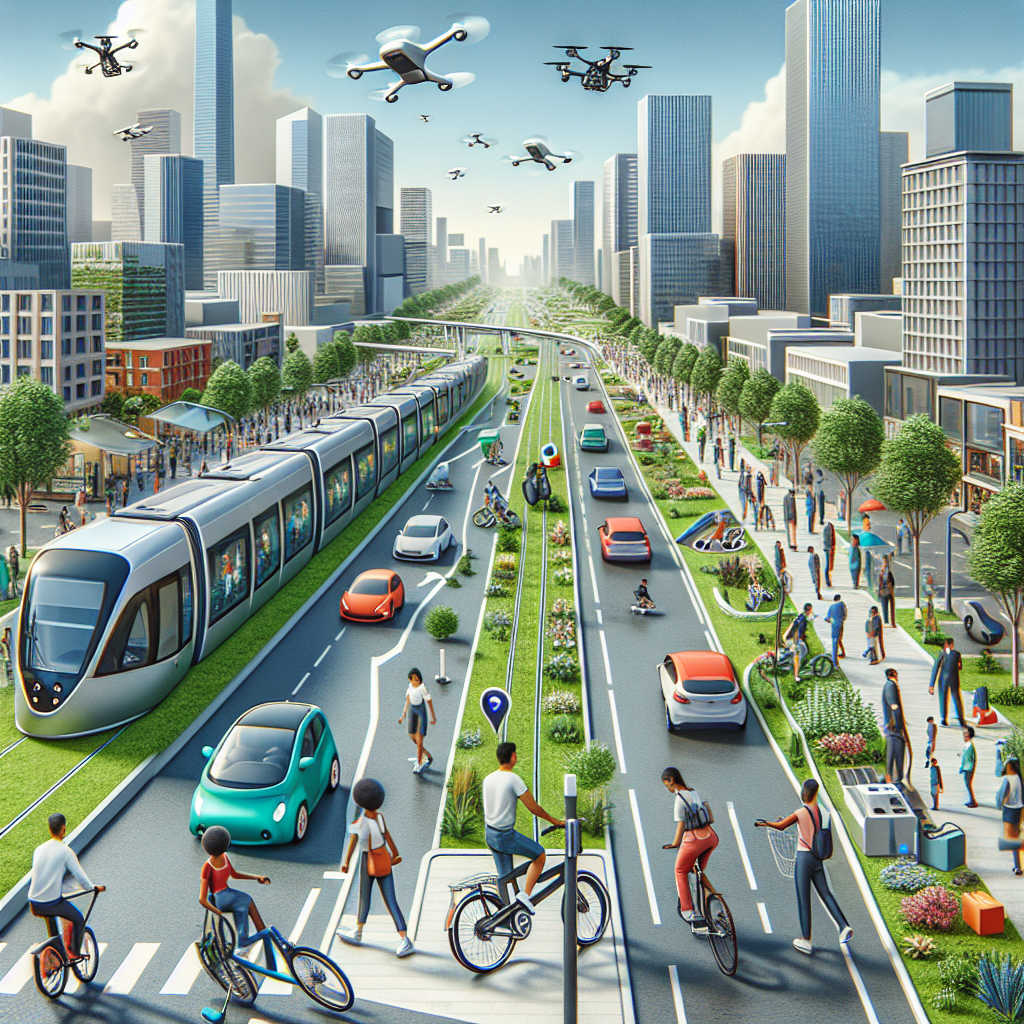
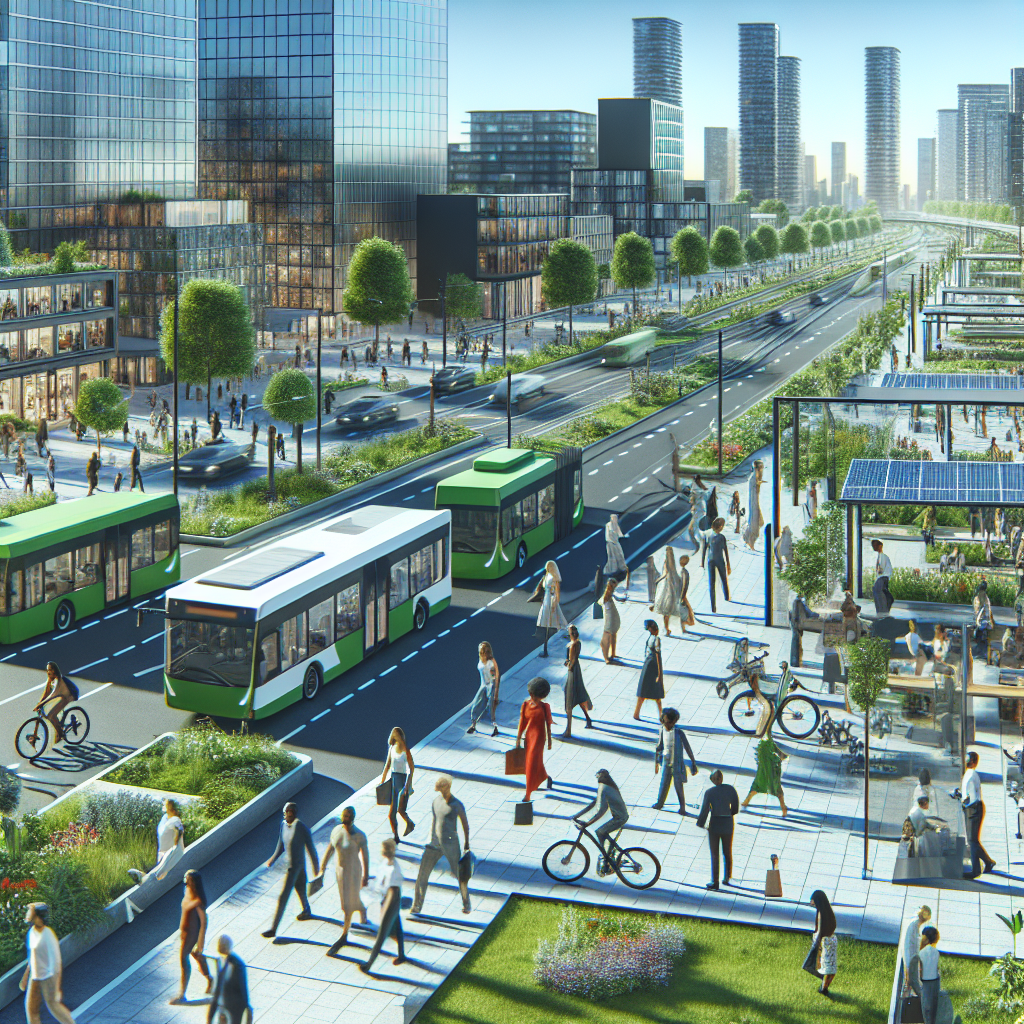
Transportation is a critical component of urban infrastructure, and sustainable transportation systems are essential for reducing greenhouse gas emissions, alleviating traffic congestion, and improving air quality. Cities are increasingly adopting public transit solutions, bike-sharing programs, and pedestrian-friendly designs to reduce dependence on private vehicles and promote more sustainable modes of transportation.
Electric vehicles (EVs) are at the forefront of the sustainable transportation movement. With advancements in battery technology and charging infrastructure, EVs are becoming more accessible and practical for urban dwellers. Governments and private enterprises are investing heavily in EV charging stations, making it easier for people to switch from fossil fuel-powered vehicles to electric ones.
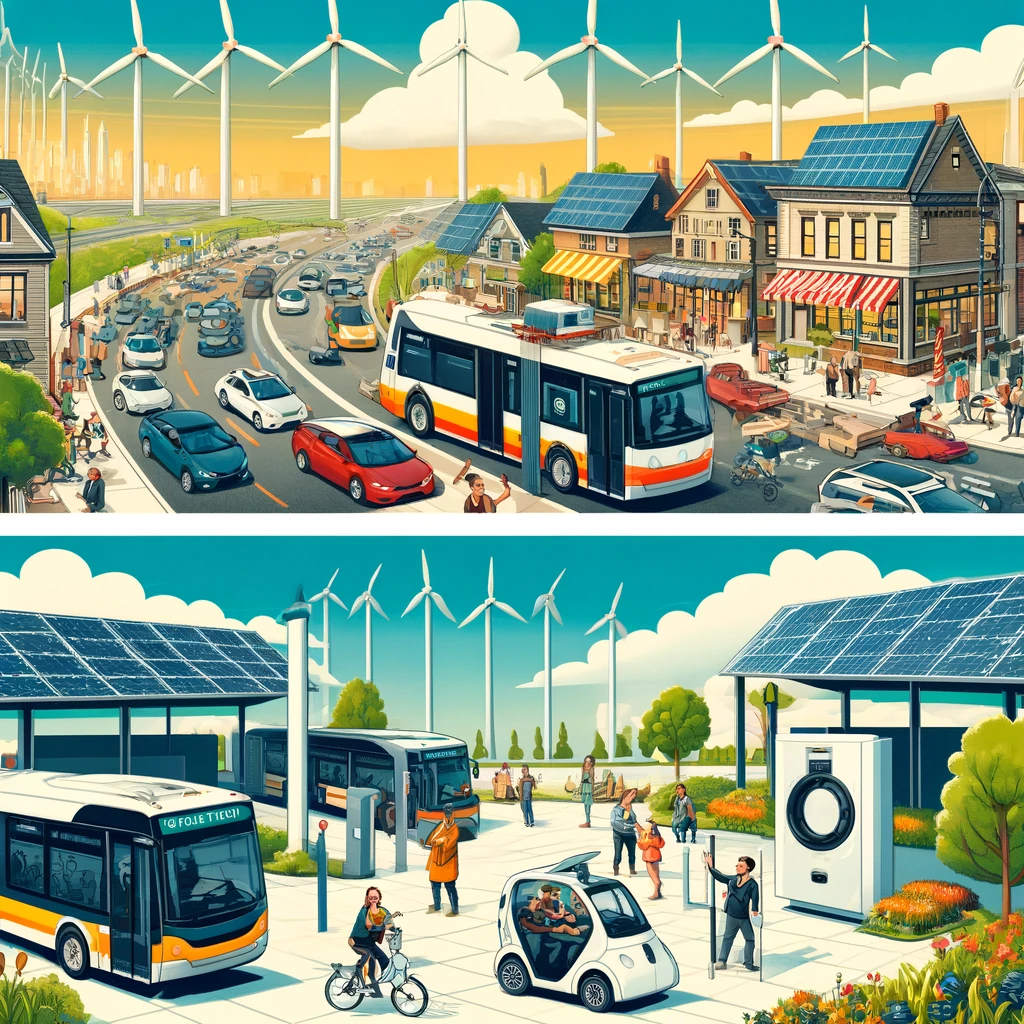
Public transportation systems are also undergoing transformation. Buses and trains powered by renewable energy sources, such as electricity and hydrogen, are being introduced to reduce carbon footprints. Moreover, smart transportation systems utilizing Internet of Things (IoT) technology and big data analytics are enhancing the efficiency and reliability of public transit. Real-time tracking, dynamic scheduling, and integrated ticketing systems are making public transportation more user-friendly and attractive to commuters.
Biking infrastructure is getting a significant upgrade, with cities implementing extensive networks of bike lanes and bike-sharing programs. Many urban areas are also investing in pedestrian pathways and green corridors that not only provide safe routes for walking and cycling but also improve the overall urban landscape and promote a healthier lifestyle.

Renewable Energy Integration
Renewable energy is a cornerstone of sustainable urban infrastructure. The integration of renewable energy sources such as solar, wind, and geothermal into urban energy systems is critical for reducing carbon emissions and creating resilient cities. Distributed energy resources (DERs), microgrids, and smart grids are innovative solutions that enhance the reliability and sustainability of urban energy supply.
Solar energy has emerged as a leading renewable energy source for urban areas. Advances in photovoltaic technology have made solar panels more efficient and affordable, enabling widespread adoption on residential, commercial, and industrial buildings. Solar canopies and solar-powered public infrastructure, such as streetlights and bus stops, are also becoming more prevalent in cities.
Wind energy, while more challenging to implement in densely populated areas, is being harnessed through urban wind turbines and building-integrated wind energy systems. These compact, efficient turbines are designed to operate in urban environments, providing a supplemental source of renewable energy.
Geothermal energy, which harnesses the earth’s natural heat, offers a reliable and sustainable alternative to traditional heating and cooling systems. Urban geothermal projects, such as district heating systems, are being implemented in several cities, providing energy-efficient solutions for large-scale residential and commercial developments.
Smart grids and microgrids are revolutionizing urban energy management. These systems use advanced technologies to monitor and optimize energy distribution, enabling the integration of renewable energy sources and enhancing the resilience of the energy grid. Microgrids, in particular, offer localized energy solutions that can operate independently from the main grid, providing reliable power in the event of disruptions.
Water Conservation and Management
Water is a precious resource, and sustainable urban development must include effective water conservation and management strategies. With increasing urbanization and climate change-induced water scarcity, cities are adopting innovative solutions to ensure sustainable water use and management.
Rainwater harvesting is one such solution that is gaining popularity. By collecting and storing rainwater for non-potable uses such as irrigation, landscape maintenance, and toilet flushing, cities can reduce their dependence on traditional water sources and conserve valuable freshwater supplies. Additionally, rainwater harvesting systems help mitigate urban flooding by reducing runoff.
Green infrastructure, such as green roofs, rain gardens, and permeable pavements, plays a crucial role in managing stormwater and reducing the urban heat island effect. These systems absorb and filter rainwater, reducing the burden on stormwater infrastructure and improving water quality.
Water recycling and reuse are also being implemented in urban areas to reduce water consumption and improve sustainability. Greywater systems, which treat and reuse wastewater from sinks, showers, and washing machines for non-potable purposes, are becoming more common in residential and commercial buildings. On a larger scale, cities are investing in wastewater treatment plants that can recycle water for industrial, agricultural, and recreational uses.
Advanced water monitoring and management systems are leveraging IoT technology to enhance water efficiency. Smart meters and sensors provide real-time data on water usage, enabling city officials and residents to identify leaks, optimize water consumption, and implement effective conservation measures.
Waste Management Solutions
Sustainable waste management is a vital component of urban development. Proper waste management reduces environmental pollution, conserves natural resources, and promotes a circular economy. Cities are implementing innovative waste management practices to minimize waste generation and maximize recycling and resource recovery.
Source separation and recycling programs are being expanded and improved in many urban areas, enabling residents and businesses to separate recyclables from general waste more effectively. Education and outreach programs are also helping to increase public awareness and participation in recycling efforts.
Composting organic waste is another key waste management strategy. By converting organic waste into nutrient-rich compost, cities can reduce the amount of waste sent to landfills and create valuable resources for urban agriculture and landscaping projects. Community composting programs and curbside compost collection services are making it easier for residents to participate in composting initiatives.
Waste-to-energy technologies are transforming the way cities manage waste. By converting non-recyclable waste into energy through processes such as incineration and anaerobic digestion, cities can reduce landfill use and generate renewable energy. These technologies can help cities achieve a circular economy by closing the loop on waste and resource recovery.
Innovations in waste management technology, such as smart waste bins and automated waste collection systems, are improving the efficiency of waste collection and disposal. Smart waste bins equipped with sensors can monitor fill levels and optimize collection routes, reducing fuel consumption and minimizing greenhouse gas emissions.
Conclusion
Sustainable urban infrastructure is the foundation for creating resilient, livable cities that meet the needs of present and future generations. By embracing green building and construction, sustainable transportation systems, renewable energy integration, water conservation and management, and innovative waste management solutions, cities can address the complex challenges of urbanization and climate change.
The trends and innovations discussed in this article demonstrate the remarkable progress being made in sustainable urban development. As technology continues to advance and awareness of the importance of sustainability grows, cities have the opportunity to become leaders in environmental stewardship and social equity. By fostering collaboration among governments, businesses, and communities, we can collectively work towards a more sustainable and prosperous urban future.
Investing in sustainable urban infrastructure is not only beneficial for the environment but also for the economy and society as a whole. Sustainable cities are more attractive to residents, businesses, and investors, creating economic opportunities and enhancing the quality of life for all citizens. As we move towards a more sustainable future, it is imperative that cities continue to innovate, prioritize sustainability, and implement forward-thinking solutions that pave the way for a greener, healthier world.
Frequently Asked Questions
1. What is sustainable urban infrastructure, and why is it important?
Sustainable urban infrastructure refers to a framework of services and systems designed to support urban living, which are built and managed in ways that promote sustainability. These infrastructures include transportation, energy systems, water supply, waste management, and telecommunications, all structured to minimize environmental impact, enhance economic vitality, and promote a high quality of life for residents.
The importance of sustainable urban infrastructure cannot be overstated. As cities house more than half of the world’s population, they are significant contributors to environmental issues like carbon emissions, energy consumption, and waste generation. By prioritizing sustainability, urban infrastructures can significantly reduce greenhouse gas emissions, enhance resource efficiency, and contribute to achieving global sustainability goals. Moreover, sustainable urban practices help to create more livable and equitable cities, fostering communities that are resilient to challenges such as climate change and resource scarcity.
2. What are the current trends in sustainable urban infrastructure?
Several innovative trends dominate the landscape of sustainable urban infrastructure today. One major trend is the integration of smart technology into infrastructure systems. Smart cities use sensors, data analytics, and IoT (Internet of Things) to optimize energy use, reduce waste, and improve transportation efficiency. This technology helps cities manage resources better and provide residents with real-time information for sustainable decision-making.
Another trend is the rise of green buildings and eco-friendly construction practices, which focus on energy efficiency and sustainable materials to reduce the carbon footprint of urban environments. Renewable energy sources like solar, wind, and geothermal are being harnessed to power urban areas sustainably. Urban greenery, such as vertical gardens and green roofs, is increasingly being used to mitigate urban heat, improve air quality, and enhance the urban aesthetic.
Furthermore, cities are adopting circular economy principles, emphasizing the reuse and recycling of resources to create closed-loop systems that minimize waste output. Public transportation is also undergoing a transformation, with electric and low-emission vehicles becoming more prevalent, supported by design developments in walkability and cycling infrastructure to reduce car dependency.
3. How do smart technologies contribute to sustainable urban infrastructure?
Smart technologies are pivotal in propelling sustainable urban infrastructure forward by enhancing efficiency, connectivity, and resource management. These technologies facilitate the creation of smart cities, where infrastructure operates intelligently and adapts to changing conditions to support sustainable living.
For instance, smart grids optimize energy distribution and consumption by managing and distributing power dynamically based on real-time demand, thus lowering energy wastage and promoting the use of renewable energy sources. Sensor networks in waste management systems enable cities to track waste generation and optimize collection routes, reducing emissions and operational costs. In transportation, smart traffic management systems reduce congestion and emissions by adjusting traffic light patterns based on real-time traffic flows.
Furthermore, data collected from various city operations allows for informed decision-making by municipal authorities, leading to more environmentally friendly policies and practices. Residents also benefit from increased connectivity, receiving insights that encourage sustainable habits and enhance quality of life. Hence, smart technologies serve as the backbone for future-ready, sustainable urban environments.
4. How can urban infrastructure address social equity in sustainable development?
Social equity is a fundamental component of sustainable urban development that ensures all citizens have fair access to resources, opportunities, and services. Urban infrastructure can address social equity by providing inclusive and accessible services that cater to diverse populations, particularly marginalized communities.
Equitable access to public transportation is crucial, offering affordable and reliable options that connect all city areas, ensuring that low-income and underserved populations can easily access jobs, education, and healthcare. Planning cities with affordable housing close to essential services minimizes commuting time and costs, particularly benefiting those who can least afford extensive travel.
Public spaces that are safe, clean, and accessible to all foster community interaction and improve quality of life. Infrastructure projects incorporating local employment and community input help distribute economic benefits widely and support social cohesion. Community engagement is essential in planning to amplify the voices of underrepresented groups, ensuring that future urban developments genuinely meet the needs of the entire population.
By embedding principles of equity within sustainable infrastructure systems, cities can effectively promote social justice and enhance the quality of life for all residents.
5. What challenges do cities face in implementing sustainable urban infrastructure, and how can they be overcome?
Implementing sustainable urban infrastructure is a complex challenge that cities face due to a range of factors, including financial constraints, entrenched infrastructure systems, and resistance to change. One significant barrier is the high cost associated with new, sustainable technologies and retrofitting existing infrastructure, which demands substantial investment and financial support.
Political and regulatory hurdles may also arise, where policies lag behind technological advancements, and a lack of cohesive governance hampers integrated planning efforts. Additionally, cultural resistance and behavioral change pose substantial obstacles when shifting towards new sustainable practices and technologies.
Overcoming these challenges requires a collaborative approach involving policymakers, urban planners, private sector investments, and residents. Mobilizing public-private partnerships can help alleviate financial barriers, as can innovative financing options like green bonds. Updating regulatory frameworks to foster innovation and facilitate sustainable development is crucial, alongside incentivizing sustainable practices within communities.
Education and awareness campaigns can help shift public perceptions, fostering a culture that values sustainability. Cities can learn from global examples, sharing practices and solutions tailored to their unique contexts. Ultimately, by fostering collaboration, innovation, and education, cities can surmount these challenges and successfully transition to sustainable urban infrastructure.