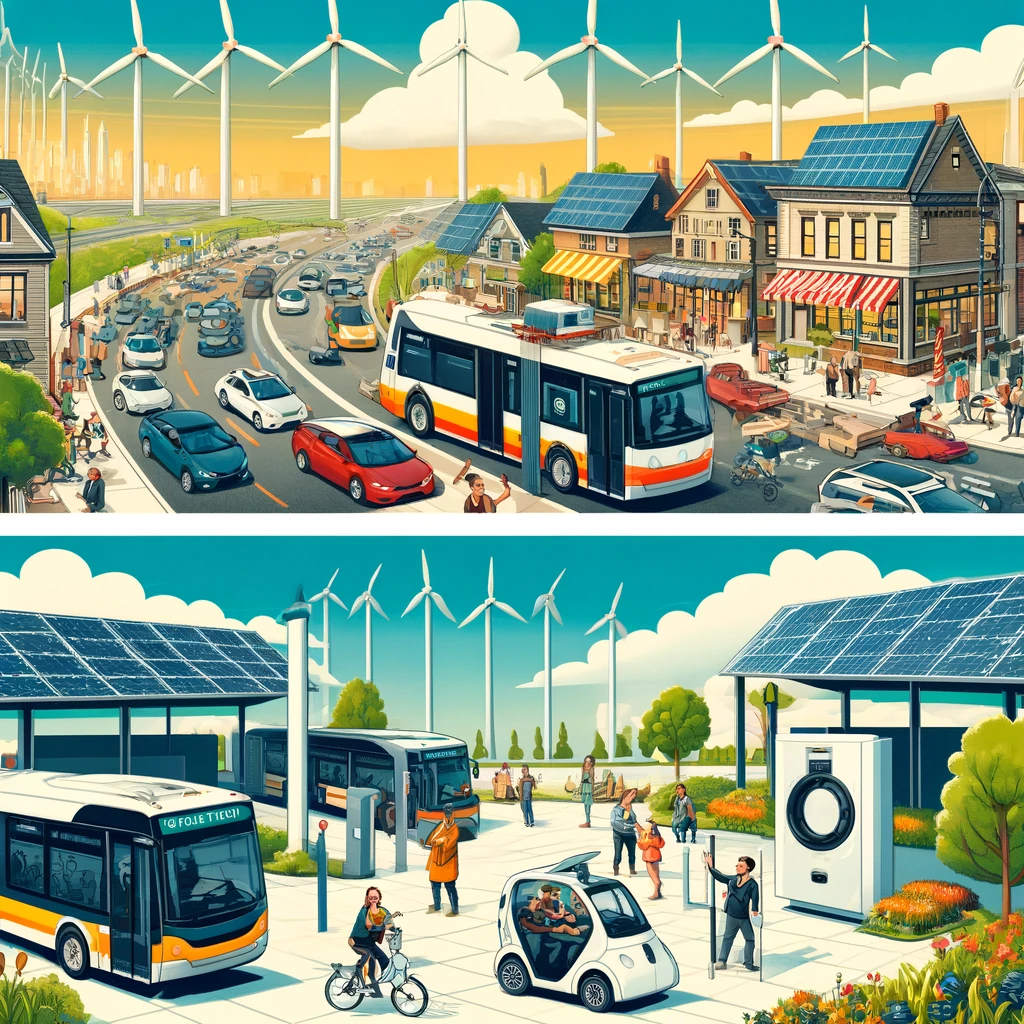
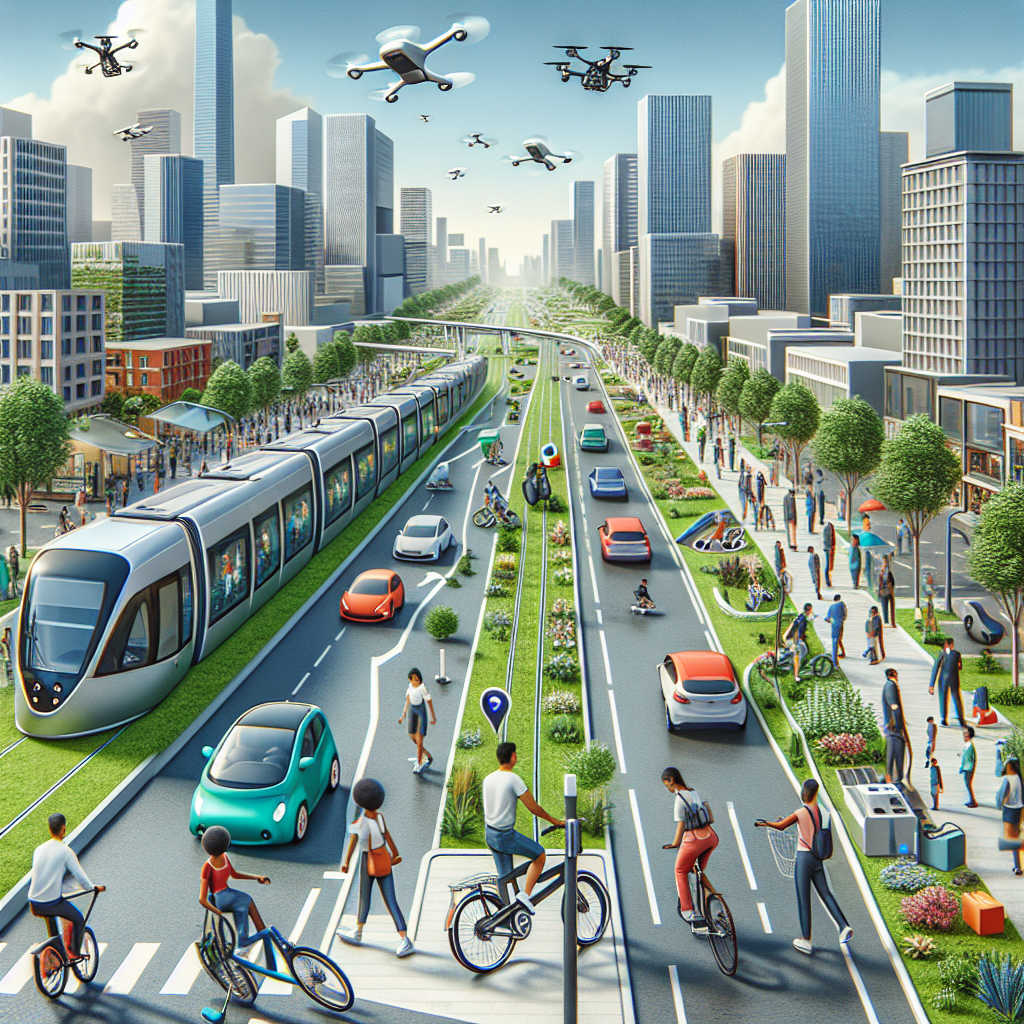
Urban sustainability has become a critical focus as cities around the globe confront the realities of climate change, population growth, and resource depletion. Traditional linear economic models, which follow a “take, make, dispose” pattern, are increasingly recognized as unsustainable. Cities are searching for more viable alternatives that can support long-term environmental health and economic resilience. This is where the concept of the circular economy surfaces as a revolutionary approach. The circular economy aims to minimize waste and make the most of resources, creating closed-loop systems where products, components, and resources are reutilized for as long as possible.
This article delves into the nuances of the circular economy and its pivotal role in promoting urban sustainability. We will explore how cities can integrate circular practices, the benefits they can reap, and examples of successful implementations. By understanding these aspects, urban planners, policymakers, and citizens can better appreciate the importance of the circular economy and actively contribute to shaping sustainable urban landscapes.
What is the Circular Economy?
The circular economy is an innovative economic model that goes beyond the traditional linear approach. Its core principles focus on designing out waste and pollution, keeping products and materials in use, and regenerating natural systems. By prioritizing renewable energy, circular economies aim to mitigate the environmental impact of production and consumption patterns. Unlike the linear economy, which is heavily reliant on the unsustainable extraction and depletion of natural resources, the circular economy emphasizes reusability and sustainability.
In a circular economy, products are designed for durability, reuse, and recyclability. Materials are viewed as resources that can be recovered and regenerated. For example, biological materials can be composted and returned to the soil, while technical materials can be refurbished and repurposed into new products. This closed-loop system significantly reduces waste and creates a sustainable lifecycle for products and materials. Cities adopting circular economy principles can enhance their environmental footprint and build resilience against resource scarcity and economic volatility.
Benefits of the Circular Economy for Urban Areas
Implementing a circular economy in urban areas can yield numerous benefits. One of the most striking advantages is waste reduction. By adopting circular practices, cities can drastically reduce the amount of waste that ends up in landfills, thereby minimizing environmental pollution and conserving land resources. Recycling and repurposing materials can also cut down the demand for raw materials, lessening the strain on natural ecosystems.
Additionally, the circular economy can spur economic innovation and growth. By fostering new business models centered around product-as-a-service, sharing economy, and reverse logistics, cities can create job opportunities and stimulate local economies. Circular practices can also lead to cost savings for municipalities through more efficient resource management. Furthermore, they can enhance the resilience of urban areas by creating robust local supply chains that are less susceptible to global market disruptions.
How Urban Planners Can Integrate Circular Economy Principles
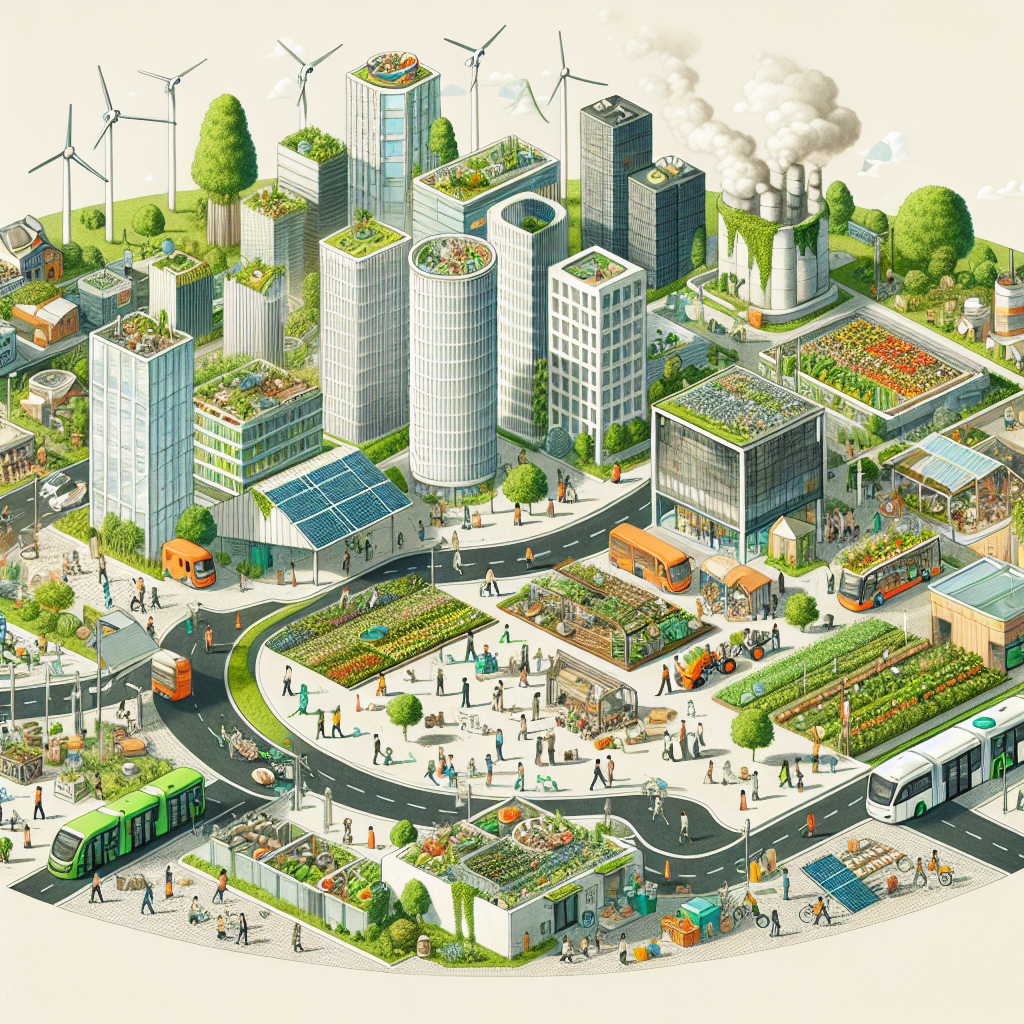
Urban planners play a crucial role in embedding circular economy principles within city infrastructures. One approach is to incorporate these principles into the design and construction of buildings and public spaces. Utilizing sustainable materials, promoting modular construction, and enforcing standards for building reuse and adaptability can help create more sustainable urban environments. Additionally, planners can implement zoning regulations that encourage mixed-use developments, reducing the need for extensive transportation networks and promoting localized economies.
Waste management systems are another critical area where urban planners can apply circular principles. Developing comprehensive recycling programs, promoting composting, and establishing facilities for the repair and refurbishment of products can significantly reduce urban waste. Public awareness campaigns can also educate citizens about the benefits and practices of a circular economy, fostering community engagement and participation.
Examples of Circular Economy in Cities
Several cities around the world have started to implement circular economy principles with notable success. Amsterdam, for instance, has launched the Amsterdam Circular program, which aims to achieve a 100% circular economy by 2050. The program focuses on construction waste reduction, promoting the use of secondary materials, and supporting circular business models. Another example is Copenhagen, which has implemented urban farming initiatives and waste-to-energy projects to enhance resource efficiency and sustainability.
In Taiwan, Taipei’s Beitou District is renowned for its integrated recycling system, where citizens are actively involved in waste sorting and recycling activities. The district’s high recycling rate and minimal waste generation are testament to the effectiveness of community engagement and circular economy principles. These examples illustrate that with strategic planning and community involvement, cities can successfully transition to circular economies, setting benchmarks for urban sustainability worldwide.
Challenges and Opportunities
While the transition to a circular economy presents immense opportunities, it is not without challenges. One significant obstacle is the initial cost of changing infrastructure and systems. Shifting from a linear to a circular economy requires substantial investments in technology, education, and policy changes. Additionally, the cultural shift needed to embrace circular principles at both the individual and institutional levels can be challenging to achieve.
Despite these challenges, the opportunities afforded by a circular economy are manifold. The potential for innovation, economic growth, and environmental sustainability makes it a compelling pivot for urban areas. Governments and private sectors can collaborate to develop incentive programs and supportive policies that ease the transition. Moreover, as global awareness about environmental issues grows, the societal readiness to adopt sustainable practices also increases, providing a fertile ground for circular economy initiatives.
Conclusion
The circular economy offers a transformative pathway towards urban sustainability. By redefining how cities generate, use, and dispose of resources, the circular economy mitigates ecological impact and fosters economic resilience. Integrating circular principles into urban planning can significantly improve waste management, resource efficiency, and economic innovation. While transitioning to a circular economy presents challenges, the long-term benefits far outweigh the initial hurdles.
Urban areas that successfully adopt circular practices will not only enhance their environmental footprints but also strengthen their economic stability and overall quality of life for residents. Policymakers, urban planners, and communities need to collaborate in driving this positive change. Through collective effort and strategic planning, the vision of sustainable, resilient, and thriving urban landscapes can become a reality.
Frequently Asked Questions
1. What is the circular economy, and how does it differ from traditional economic models?
The circular economy is an innovative model that focuses on minimizing waste and making the most of resources. Unlike the traditional linear economy—which follows a “take, make, dispose” pathway—the circular economy aims to close the loop by designing out waste, keeping products and materials in use, and regenerating natural systems. This involves practices such as recycling, upcycling, sustainable product designs, and energy recovery. In a circular economy, products are designed for a longer lifecycle, and businesses work toward using fewer resources while maximizing their use. This not only helps reduce environmental impacts but also builds economic resilience by creating closed-loop systems that are less susceptible to resource scarcity and price fluctuation. By fundamentally rethinking consumption and production, the circular economy supports urban sustainability by fostering an environment where resources circulate in a healthy, regenerative cycle.
2. Why is urban sustainability important, and what unique challenges do cities face in this context?
Urban sustainability is critical because cities are at the forefront of both contributing to and being impacted by global challenges like climate change, population growth, and resource depletion. With over half of the world’s population residing in urban areas, cities account for the majority of resource consumption and greenhouse gas emissions. The challenges cities face include managing waste more effectively, reducing emissions, transitioning to sustainable energy sources, and addressing the urban heat island effect. Moreover, cities must manage the social impacts of sustainability initiatives, ensuring equitable access to sustainable solutions and supporting vulnerable communities. Urban sustainability is about creating cities that are livable, resilient, and capable of meeting current and future needs without depleting resources or degrading the environment. This requires not just technological solutions but a transformation in cultural and operational paradigms toward sustainability.
3. How can cities implement circular economy principles to achieve sustainable urban development?
Cities can implement circular economy principles through various strategies. Firstly, by promoting waste reduction and recycling programs, cities can minimize the material sent to landfills. Encouraging businesses to adopt circular strategies in their supply chains and products—such as designing for disassembly or using recycled materials—can also help. On a broader scale, cities can invest in infrastructure that supports circular activities, such as composting facilities, recycling centers, and renewable energy systems. Engaging citizens through education and community initiatives is crucial to foster a shift in public behavior and consumption patterns. Policymaking plays a pivotal role, where cities can incentivize sustainable practices through grants, subsidies, and regulations, encouraging enterprises and individuals to engage in circular activities. Collaborative efforts between city planners, businesses, and residents will drive the systems-level change necessary for a transition to an urban circular economy.
4. What are the potential economic and environmental benefits of a circular economy in urban areas?
The circular economy offers significant economic and environmental benefits, especially in urban areas. Economically, it helps reduce costs associated with waste management and resource procurement, as materials are kept in use longer, and waste is minimized. Job creation is another advantage, with new opportunities in recycling, remanufacturing, product repair, and innovation in sustainable products. Environmentally, a circular economy lessens the demand for raw materials, thus diminishing the environmental degradation associated with extraction and production. By prioritizing sustainable practices, urban areas can significantly cut down their greenhouse gas emissions and energy usage, contributing to a healthier urban climate and improved air quality. Furthermore, reduced waste means less pollution and a lower environmental footprint, helping cities move more rapidly toward meeting climate goals and improving ecological health. Together, these benefits contribute to a more resilient, self-sufficient urban fabric capable of standing robust in the face of future challenges.
5. What are some examples of cities successfully integrating circular economy principles into their development plans?
Several cities worldwide are pioneering the integration of circular economy principles into their development plans. Amsterdam, for instance, has committed to becoming fully circular by 2050, launching initiatives that focus on resource efficiency, reducing waste, and promoting sustainable design principles in urban planning. The city is also exploring circular housing development and sustainable transportation efforts, enhancing urban mobility while minimizing environmental impacts. In the Americas, New York City has established its Zero Waste program, aiming to send zero waste to landfills by 2030. Key efforts include comprehensive recycling programs, organic waste composting, and incentivizing businesses to reduce packaging waste. Tokyo is another example, focusing on circular waste management and resource innovation to keep materials in use and reduce emissions. These cities demonstrate that with a concerted effort—and by harnessing technology, innovation, and policy—urban areas can effectively integrate circular principles into their development strategies, paving the way for sustainable urban futures.