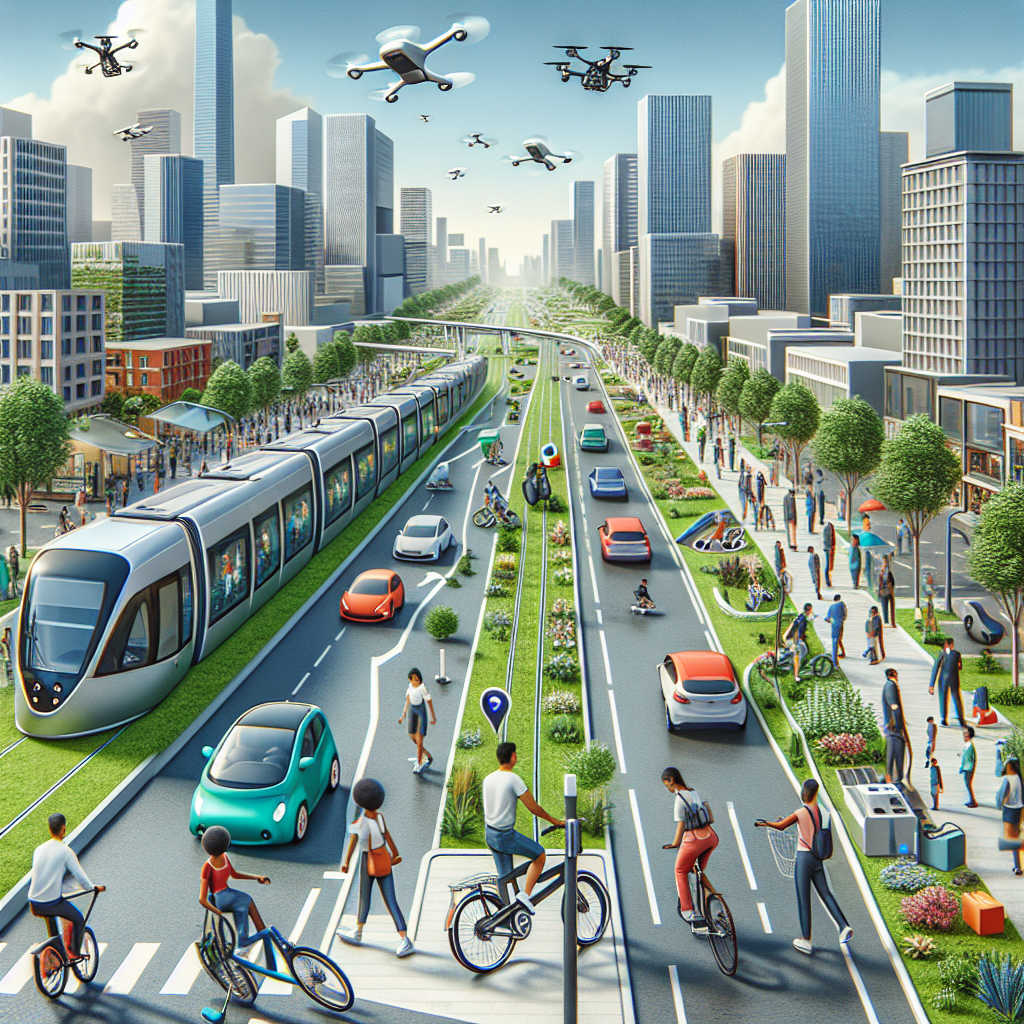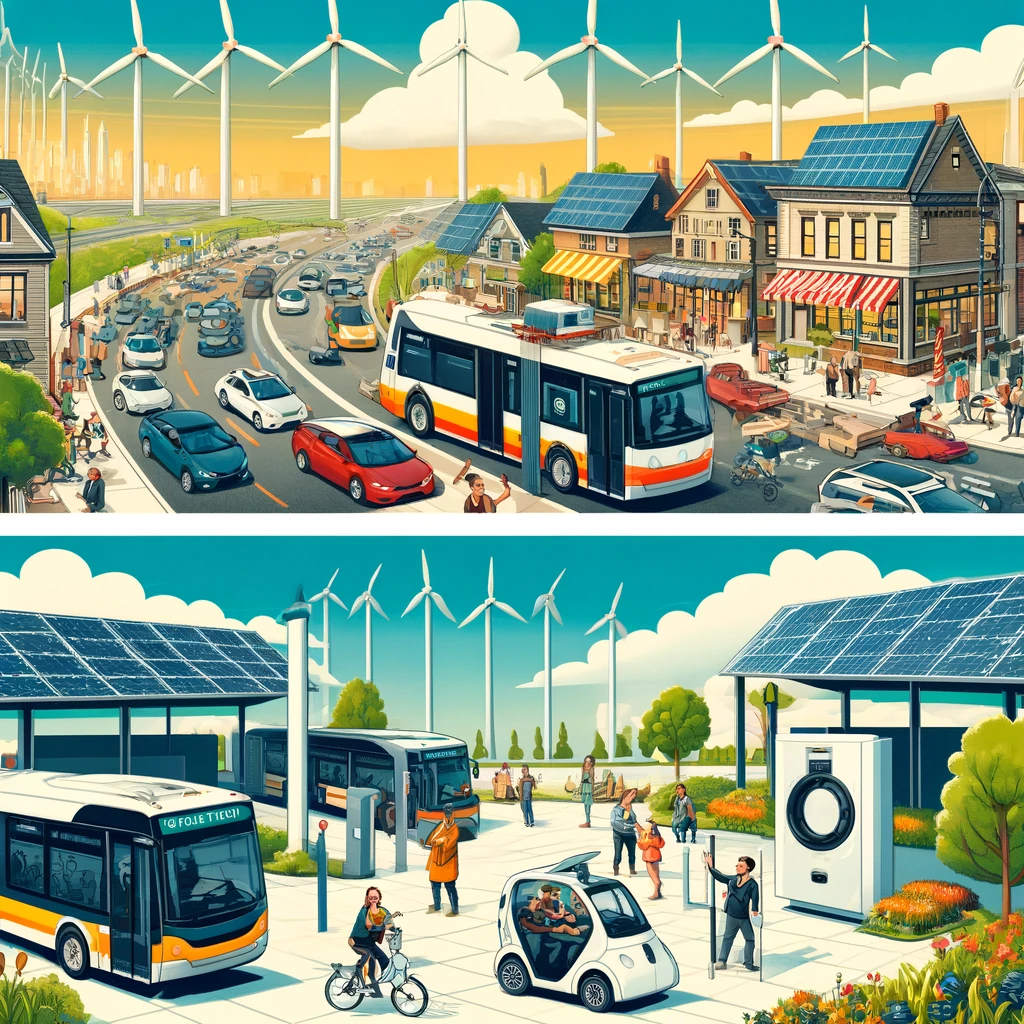
In today’s rapidly urbanizing world, cities face significant challenges, from air pollution and energy consumption to climate change impacts. As urban populations swell, the need for sustainable solutions becomes increasingly critical. Renewable energy stands out as a key player in the quest for urban sustainability, offering a pathway to reduce environmental footprints and enhance the quality of life for city dwellers.
Understanding Urban Sustainability
Urban sustainability involves managing cities in ways that ensure economic, social, and environmental health and resilience for the future. This concept encompasses a wide range of practices and technologies designed to make urban areas livable, equitable, and capable of meeting the needs of present and future generations. Renewable energy is integral to this vision, as it addresses several urban challenges simultaneously, including reducing greenhouse gas emissions, decreasing urban heat islands, and minimizing dependence on fossil fuels.
The Impact of Renewable Energy on Urban Areas
Renewable energy technologies, such as solar panels, wind turbines, and bioenergy systems, are pivotal in transitioning urban environments towards sustainability. These energy sources not only provide cleaner alternatives to coal and gas but also help cities reduce their carbon footprints, stabilize energy prices, and improve local air quality. Here’s how renewable energy is reshaping urban areas:
1. Reducing Carbon Emissions
Cities are significant contributors to global carbon emissions, primarily due to their high energy consumption. By integrating renewable energy sources into their energy mix, cities can dramatically reduce their emissions. Solar panels on rooftops, wind farms near urban areas, and the use of bioenergy from urban organic waste are excellent examples of how cities can harness renewable energy.
2. Enhancing Energy Security
Renewable energy contributes to urban energy security by diversifying energy supply sources, which reduces dependence on imported fuels. This is particularly important for cities in regions that lack domestic fossil fuel resources. Additionally, renewables are generally immune to global market fluctuations, ensuring stable energy prices for urban populations.
3. Promoting Economic Growth
Investing in renewable energy can spur urban economic growth by creating jobs in the green technology sector. From the manufacturing of photovoltaic panels and wind turbines to the installation and maintenance of these systems, renewable energy can generate employment opportunities across various skill levels. Furthermore, the money saved on energy costs can be redirected towards other local economic activities.
4. Improving Public Health
The switch to renewable energy has significant health benefits for urban residents by reducing pollutants that contribute to respiratory and cardiovascular diseases. Cities with high levels of air pollution from fossil fuel combustion can see notable public health improvements as they transition to cleaner energy sources.
Case Studies of Renewable Energy in Urban Settings
New York City’s Solar Initiative
New York City has embarked on a major solar initiative, aiming to install 1 gigawatt of solar capacity by 2030. This project not only helps reduce the city’s carbon emissions but also provides a buffer against grid disruptions during peak usage times. The city has utilized rooftops on residential, commercial, and municipal buildings for solar panel installations, making significant strides towards its energy independence.
Copenhagen’s Wind Power Success
Copenhagen, aiming to become carbon neutral by 2025, has heavily invested in wind power. The city’s offshore and onshore wind turbines supply a significant portion of its energy needs. This commitment to wind energy has helped Copenhagen reduce its environmental impact and has established it as a leader in urban sustainability.
Challenges and Solutions
While the benefits of integrating renewable energy into urban planning are clear, several challenges remain. These include technological limitations, high initial investment costs, and regulatory hurdles. To overcome these challenges, cities can:
- Implement policies that incentivize renewable energy adoption, such as tax breaks, rebates, and feed-in tariffs.
- Invest in research and development to enhance the efficiency and storage capacity of renewable energy technologies.
- Foster public-private partnerships to leverage the expertise and financial resources of both sectors.
Moving Forward
The role of renewable energy in urban sustainability is undeniable. As cities continue to grow, the integration of clean, renewable energy sources will be critical in shaping sustainable, resilient urban futures. Embracing renewable energy not only helps mitigate climate change but also improves economic stability, public health, and quality of life. The journey towards urban sustainability is complex and requires commitment from governments, businesses, and individuals alike, but the path is clear, and the benefits are worth striving for.

Fostering Community Engagement and Education
The success of renewable energy projects in urban areas often hinges on public acceptance and involvement. Community engagement initiatives play a crucial role in educating residents about the benefits of renewable energy and encouraging their active participation. Cities can organize workshops, exhibitions, and seminars to disseminate information and demonstrate the practical benefits of renewable energy technologies. Such initiatives can help demystify renewable energy and show residents how they can contribute to and benefit from these developments.
Engaging Local Stakeholders
Engagement shouldn’t stop with the general public; local businesses, educational institutions, and community organizations can all be pivotal in advancing urban renewable energy initiatives. By involving these stakeholders in planning and decision-making processes, cities can ensure that the development of renewable energy projects meets local needs and gains broad support. For instance, local businesses can be encouraged to adopt renewable energy through incentives like reduced business rates or recognition schemes for sustainable practices.
Leveraging Smart Technology
The integration of smart technology with renewable energy systems is a game-changer for urban sustainability. Smart grids, which use digital communication technology to detect and react to local changes in electricity usage, can greatly enhance the efficiency of renewable energy distribution and consumption in cities. Additionally, smart meters and energy management systems allow residents and businesses to optimize their energy use, further reducing their environmental impact and energy costs.
IoT and Renewable Energy
The Internet of Things (IoT) offers exciting possibilities for enhancing the efficiency and monitoring of renewable energy systems. Sensors and connected devices can provide real-time data on energy production and consumption, facilitating more precise management of energy resources. This technology not only helps in balancing supply and demand but also enhances the reliability of renewable energy systems, making them more attractive and feasible for urban environments.
Urban Design and Renewable Integration
Urban planning and design must evolve to accommodate and promote the use of renewable energy. This involves creating urban spaces that are conducive to the installation of renewable energy technologies. For instance, ensuring that new buildings or renovations are oriented to maximize solar panel efficiency can make a substantial difference in energy production. Urban green spaces can also be designed to house small-scale renewable projects like community solar gardens or vertical wind turbines, which can help power local communities while adding to the city’s green infrastructure.
Renewable-Ready Building Codes
Updating building codes to require or encourage renewable energy integration is another effective strategy. These codes can mandate certain standards for energy efficiency and renewable energy usage in new developments or major renovations. For instance, requiring that new buildings have roofs designed to support solar panels or integrating green roofs can significantly increase a city’s renewable energy capacity.
Conclusion
The role of renewable energy in urban sustainability is multifaceted and involves more than just replacing fossil fuels. It requires a holistic approach that includes technological innovations, community involvement, supportive policies, and thoughtful urban design. As cities around the world strive for sustainability, the adoption and integration of renewable energy become not just beneficial but essential.
Cities that lead in this transition not only contribute to the global fight against climate change but also enjoy immediate benefits such as cleaner air, new job opportunities, and enhanced energy security. The transition to renewable energy is a cornerstone of sustainable urban development, promising a greener, more resilient future for all urban residents.
Renewable energy in urban sustainability isn’t just an option—it’s an imperative for modern cities aiming to thrive in an environmentally-conscious future. By harnessing the power of renewables, cities can transform into more sustainable, efficient, and livable environments. The journey towards a sustainable urban future is ongoing, and renewable energy is a key part of the roadmap.
Frequently Asked Questions
1. What is renewable energy, and why is it crucial for urban sustainability?
Renewable energy comes from natural sources that are constantly replenished, such as sunlight, wind, rain, tides, and geothermal heat. Unlike fossil fuels, which are finite and contribute to greenhouse gas emissions, renewable energy is sustainable and has a minimal environmental impact. In the context of urban sustainability, renewable energy is vital because cities are major contributors to global carbon emissions, primarily due to high energy consumption in buildings, transportation, and industry. By integrating renewable energy, cities can significantly reduce their carbon footprint, improve air quality, and make living conditions healthier for residents. This shift also aligns with global efforts to combat climate change and achieve a sustainable future.
2. What are the main types of renewable energy that benefit urban environments?
Urban environments can benefit from several types of renewable energy sources. Solar power is perhaps the most prevalent, as it can be harnessed through rooftop solar panels on residential and commercial buildings. Wind energy also holds potential within urban settings, particularly in areas with favorable wind conditions, and can include small-scale wind turbines suited to city environments. Biomass energy, derived from organic waste, can be utilized in urban areas through waste-to-energy plants, which not only produce energy but help manage waste. Geothermal energy is another viable option, particularly in cities located near geothermal resources. It can provide heating and cooling for buildings efficiently. Hydropower may be less directly applicable in cities but can play a significant role in their overall renewable energy strategy through regional integration.
3. How can cities successfully transition to using more renewable energy?
Cities can transition to renewable energy through a multi-faceted approach. This involves developing comprehensive policies and frameworks that support the growth of renewable energy infrastructure. Local governments can incentivize the installation of solar panels through subsidies and tax breaks, along with simplifying the permitting process for renewable energy projects. Public-private partnerships can also play a crucial role by leveraging private sector expertise and investment. Additionally, cities can invest in smart grid technologies that enhance energy efficiency and reliability, making it easier to integrate various renewable energy sources. Public awareness and education campaigns are vital to engage citizens and businesses in the energy transition, fostering a culture of sustainability. Moreover, collaboration with national governments and international organizations can provide technical expertise and financial resources crucial for large-scale projects.
4. What challenges do cities face in adopting renewable energy solutions?
The adoption of renewable energy in urban environments is not without challenges. High upfront costs for renewable energy infrastructure can be a significant barrier, especially in cities with tight budgets. Additionally, space constraints typical of densely populated urban areas can limit the installation of large-scale solar panels or wind turbines. The integration of renewable energy into existing urban frameworks requires substantial upgrades to grid infrastructure, which can be both time-consuming and costly. Moreover, managing the intermittent nature of some renewable sources, like solar and wind, necessitates advanced technologies such as battery storage and demand management systems. Regulatory and policy hurdles can also impede progress, particularly in jurisdictions with complex permitting processes or insufficient support for renewable energy initiatives. Overcoming these challenges requires strategic planning, investment, and collaboration among various stakeholders.
5. What are the benefits of renewable energy for urban residents?
Renewable energy offers myriad benefits for urban residents, beginning with environmental improvements. As cities embrace renewables, they can significantly lower air pollutants, improving air quality and public health. This transition can also lead to energy independence, reducing reliance on external and often volatile energy sources. Economic benefits include job creation in burgeoning green energy sectors, fostering local economic growth. Residents might also see lower utility bills over time as the costs of generating renewables decline and efficiency improvements take hold. Moreover, the deployment of renewable energy enhances urban resilience against power disruptions and energy price fluctuations. Socially, these initiatives foster increased community engagement, as residents often actively participate in sustainability efforts, creating a sense of shared responsibility and communal achievement. The shift to renewable energy not only reflects a commitment to the environment but also to a sustainable, economically vibrant, and healthier urban future.