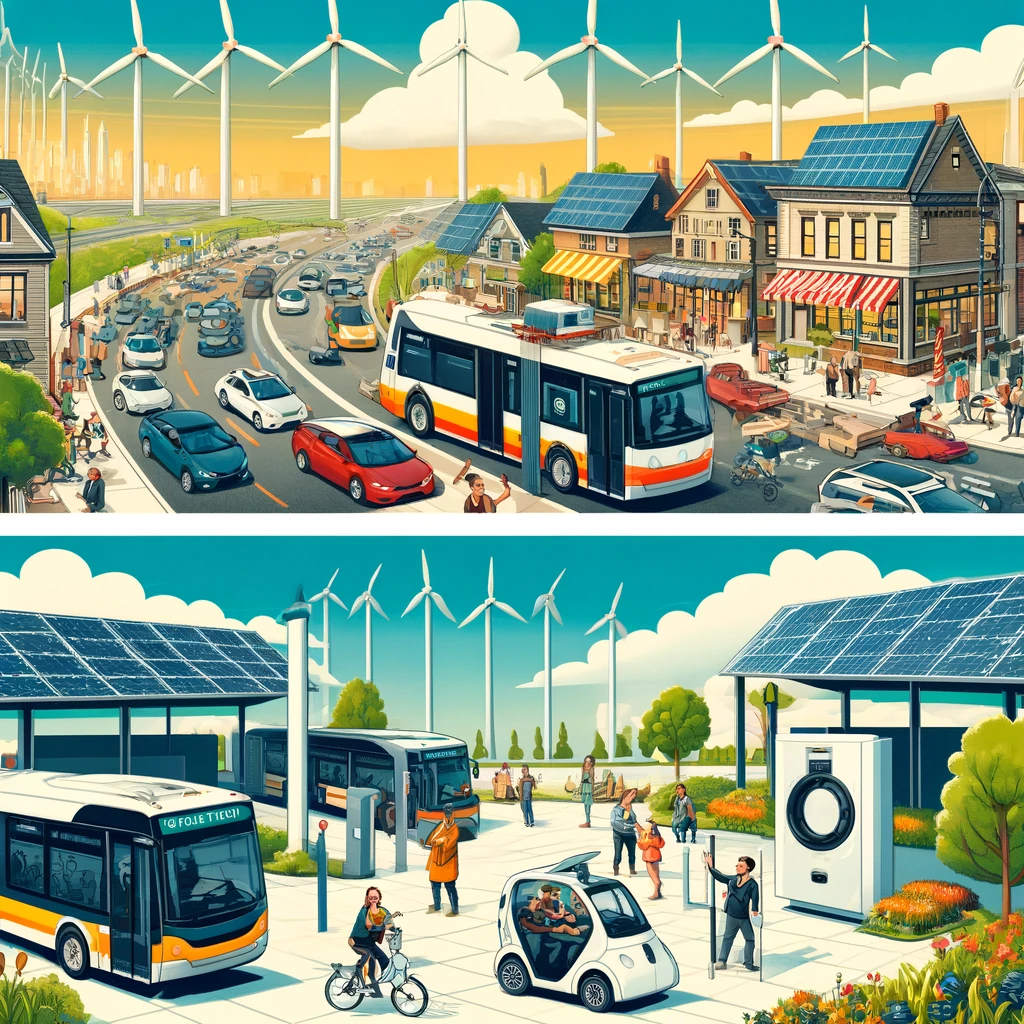
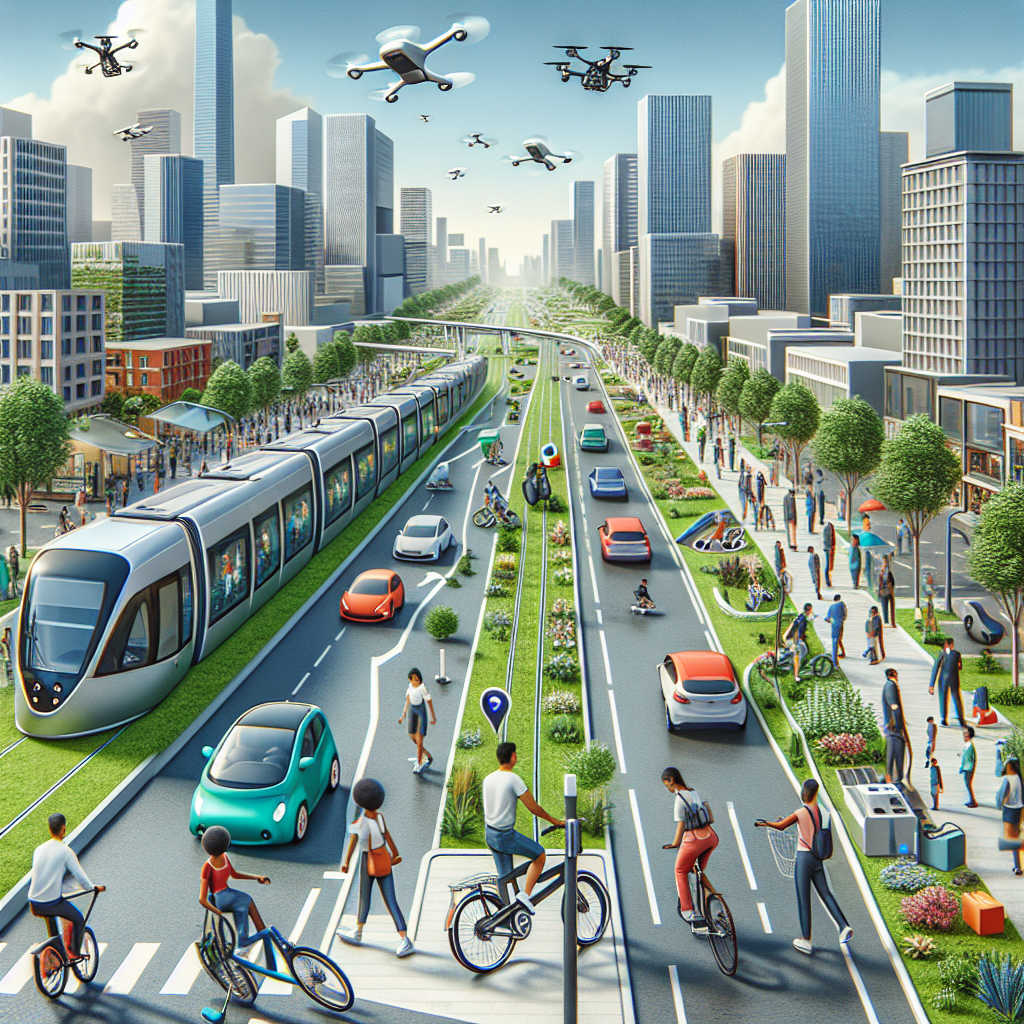
Urban green spaces are essential components of modern city planning. As urban populations continue to swell, planners and citizens alike are recognizing the critical role these natural areas play in promoting sustainable development. Green spaces, which include parks, gardens, green rooftops, and natural reserves within urban areas, are vital for enhancing the quality of life for city dwellers, improving environmental health, and even boosting the local economy.
At their core, urban green spaces provide recreational areas for people of all ages, offering spaces for physical activity, relaxation, and social interaction. They are inclusive areas where communities can gather, children can play, and individuals can find moments of peace amidst the hustle and bustle of city life. The importance of these spaces goes beyond simple recreation; they are instrumental in creating healthy, vibrant urban environments.
Benefits to Public Health
Public health is greatly influenced by the availability of green spaces in urban areas. Access to parks and gardens encourages physical activity, which is a crucial part of maintaining overall health and wellness. Studies have consistently shown that people who live near green spaces tend to have lower rates of stress and depression. This is because nature exposure has restorative effects, reducing mental fatigue and promoting a sense of well-being.
Furthermore, green spaces serve as communal areas that foster social interactions, which are vital for mental health and community cohesion. They provide venues for social events, sports, and other community activities that bring people together, helping to reduce feelings of isolation and build stronger, more connected communities.
Environmental Impacts
Urban green spaces offer numerous environmental benefits that contribute to the sustainability of cities. They play a significant role in mitigating urban heat island effects by providing shade and cooling through evapotranspiration. This is increasingly important as global temperatures continue to rise due to climate change.
Additionally, urban green spaces improve air quality by filtering pollutants and producing oxygen. Trees and plants act as natural air purifiers, capturing particulate matter and absorbing harmful gases like carbon dioxide. This not only helps to combat climate change by reducing greenhouse gas levels but also enhances the respiratory health of urban residents.
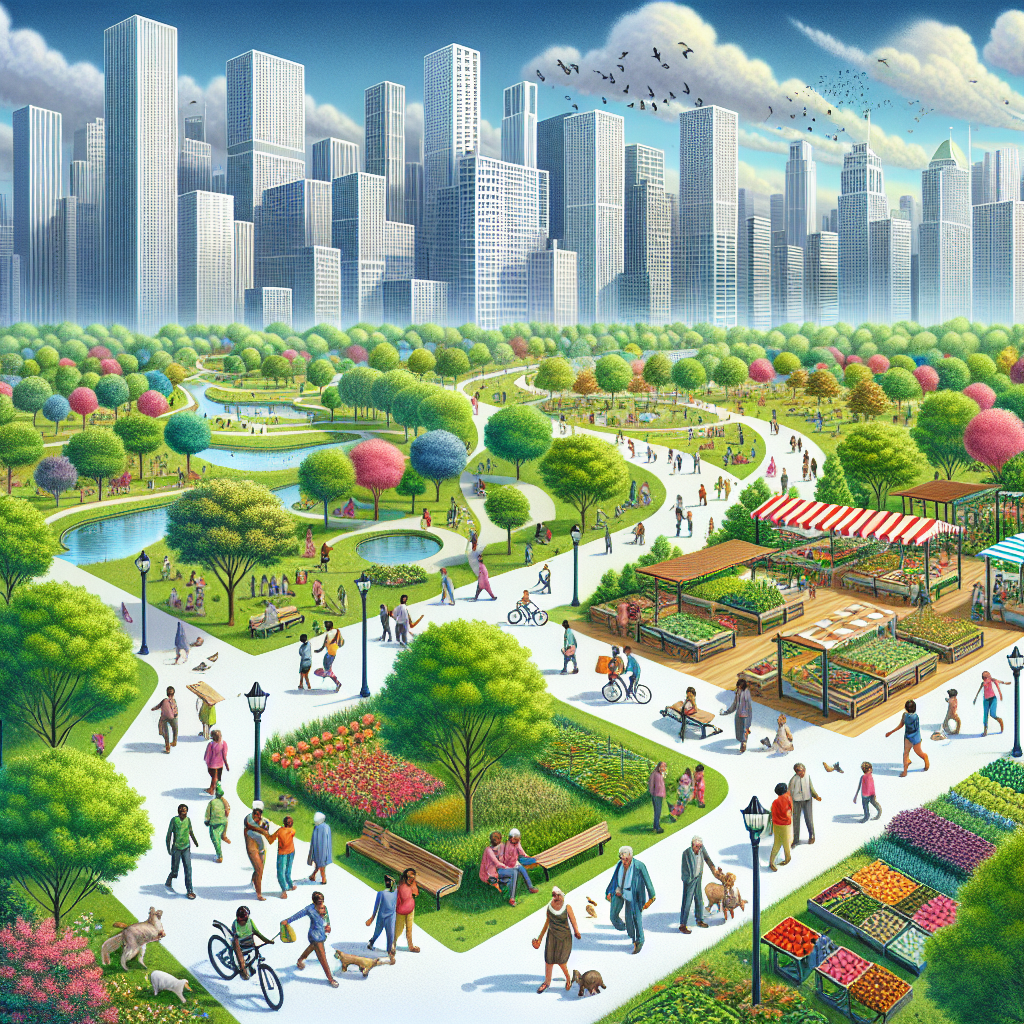
Biodiversity and Ecosystems
Green spaces in urban environments serve as critical habitats for wildlife, promoting biodiversity within cities. They provide refuge for various species of birds, insects, and small mammals, enabling ecosystems to thrive even in densely populated areas. This urban biodiversity is crucial for the resilience of urban ecosystems, helping to sustain natural processes such as pollination and seed dispersal.
Moreover, urban green spaces can be designed to support native plant species, which are essential for maintaining local biodiversity. By incorporating native flora, cities can create more resilient and sustainable landscapes that are better equipped to withstand environmental stressors.
Economic Benefits
Green spaces contribute significantly to the economic vitality of urban areas. They can enhance property values, attract businesses, and draw tourists, all of which boost the local economy. Properties located near parks and other green areas are often more desirable and command higher market values, making them attractive investments for homeowners and developers.
Beyond real estate value, green spaces can reduce city maintenance costs by aiding in stormwater management. Natural landscapes can absorb and filter rainwater, reducing the burden on urban drainage systems and minimizing the risk of flooding. This natural management of stormwater is not only cost-effective but also sustainable, reducing the need for expensive infrastructure projects.
Green Space Planning and Design
Effective planning and design are crucial to maximizing the benefits of urban green spaces. Urban planners must consider the diverse needs of the population when designing these areas, ensuring that they are accessible, safe, and inclusive. This involves incorporating elements such as well-lit pathways, seating areas, and playgrounds, as well as ensuring that green spaces are distributed equitably throughout the city.
Community involvement in the planning process is also vital. Engaging local residents in the design and maintenance of green spaces can lead to more successful and sustainable outcomes. When people feel a sense of ownership and connection to their local parks and gardens, they are more likely to use and care for them, fostering a culture of stewardship and sustainability.
Conclusion
In conclusion, urban green spaces are indispensable for the sustainable development of cities. They provide a multitude of benefits, ranging from enhancing public health and well-being to promoting environmental sustainability and boosting the local economy. As urbanization continues to accelerate, it is imperative that city planners prioritize the creation and maintenance of these natural areas.
By investing in well-designed and accessible green spaces, cities can ensure a higher quality of life for their residents and contribute to the sustainability and resilience of urban environments. As we look to the future, the integration of nature into urban planning must become a core principle, shaping cities that are not only livable and vibrant but also sustainable and resilient.
Frequently Asked Questions
1. What are the key benefits of urban green spaces in sustainable city development?
Urban green spaces are vital for sustainable city development because they provide numerous environmental, social, and economic benefits. Environmentally, green spaces contribute to the reduction of urban heat islands, improve air quality by filtering pollutants, manage stormwater, and enhance biodiversity by offering habitats for various species. Socially, these spaces encourage physical activity, promoting better health and well-being among residents. They serve as community gathering places, fostering social interactions and cohesion among diverse populations. Economically, attractive green spaces can increase property values and draw tourists, boosting local businesses. They also attract investments as cities with abundant green spaces tend to be more desirable places to live and work.
2. How do urban green spaces impact mental and physical health?
Urban green spaces have a profound impact on both mental and physical health. Physically, these spaces offer residents a place to exercise, which is crucial for maintaining a healthy lifestyle. Activities like walking, jogging, cycling, or playing sports in green areas help reduce the risk of chronic diseases such as obesity, hypertension, and diabetes. Mentally, spending time in nature has been shown to reduce stress, anxiety, and depression. The calming effect of nature, coupled with the opportunity to disconnect from urban chaos, provides a peaceful environment that supports mental well-being. Studies have also shown that access to green spaces can improve cognitive functioning and enhance overall life satisfaction for urban dwellers.
3. Why are urban green spaces important for environmental health?
Urban green spaces play a crucial role in maintaining environmental health within cities. They help mitigate the urban heat island effect by providing shade and releasing moisture into the air, thus cooling down city temperatures. Additionally, they improve air quality by absorbing carbon dioxide and filtering out harmful pollutants, such as particulate matter and nitrogen dioxide, which are common in urban areas due to traffic and industrial activity. Green spaces are also instrumental in stormwater management; they absorb rainwater, reducing runoff, minimizing flood risks, and improving water quality by filtering pollutants before they reach water bodies. Furthermore, green spaces preserve biodiversity by offering habitats for flora and fauna, contributing to a balanced urban ecosystem.
4. How do urban green spaces contribute to economic growth in cities?
Urban green spaces contribute to local economic growth in several ways. They increase property values, as homes and businesses located near parks and gardens are generally more desirable, leading to higher real estate prices. This, in turn, boosts local tax revenues. Green spaces also attract tourists and visitors, which supports local businesses and creates job opportunities in sectors like hospitality, retail, and tourism. Moreover, incorporating green infrastructure can lead to long-term cost savings for cities in areas such as flood mitigation and public health cost reductions due to improved air quality and enhanced physical activity among city residents. These economic benefits make urban green spaces an attractive investment for city planners and policymakers aiming to foster sustainable development.
5. What challenges do cities face in creating and maintaining urban green spaces?
Cities encounter several challenges in creating and maintaining urban green spaces. Firstly, the competition for land in densely populated areas makes it difficult to allocate space for parks and gardens. High land costs and development pressures often prioritize commercial and residential buildings over green spaces. Furthermore, maintaining these areas requires ongoing investment in infrastructure and personnel, which can strain municipal budgets. There are also challenges related to ensuring accessibility and equity, as some communities may lack adequate green spaces due to historical inequalities. Finally, cities must address environmental challenges, such as climate change, which may affect the health and sustainability of green spaces. Despite these challenges, overcoming these hurdles is crucial for creating livable, sustainable urban environments.