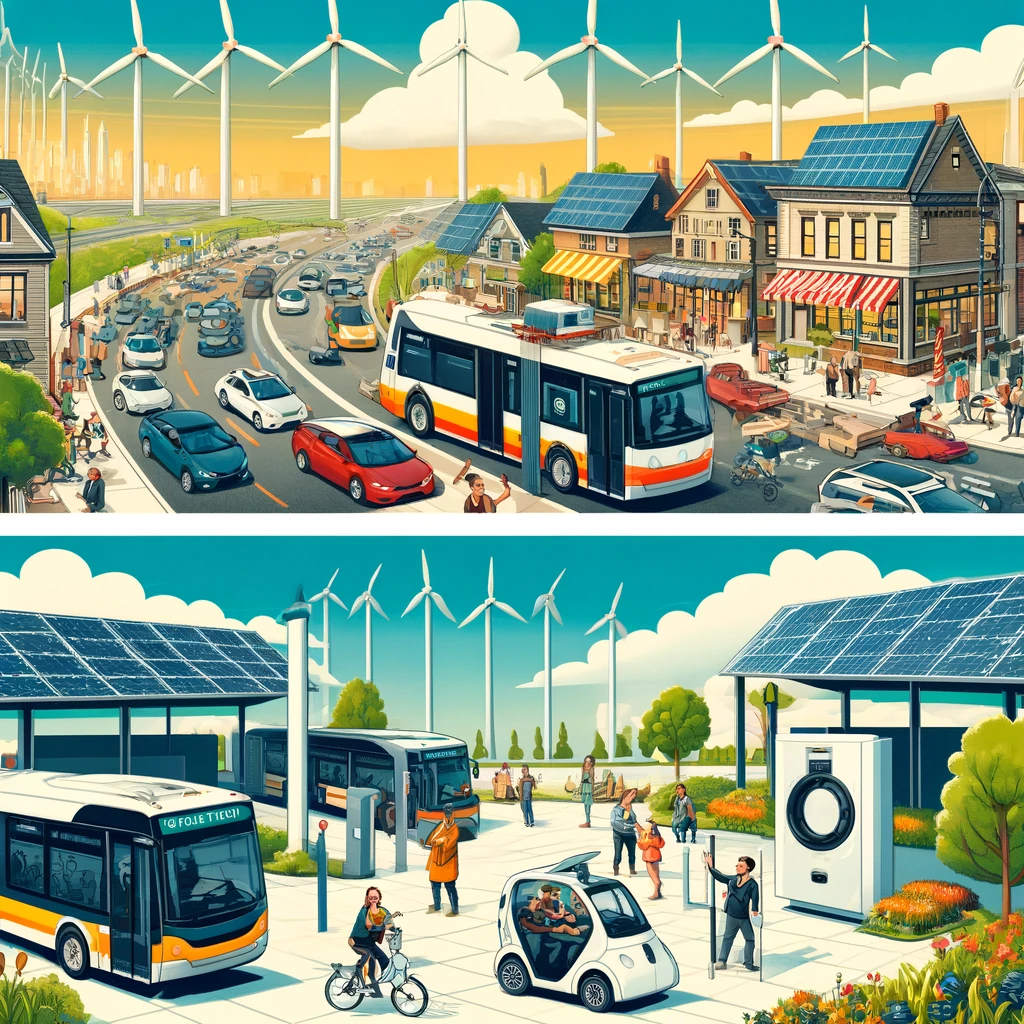
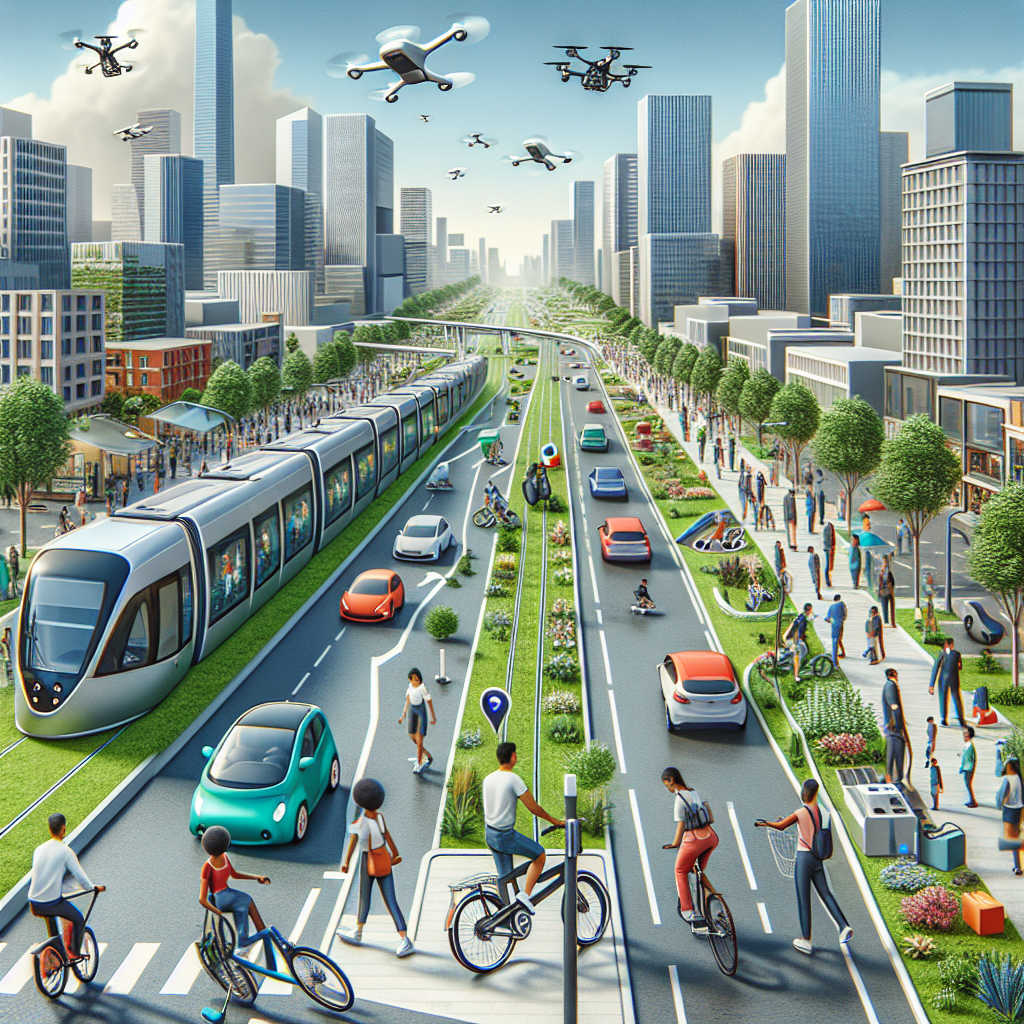
In today’s rapidly urbanizing world, the quest for sustainability in city planning and construction has never been more crucial. As populations swell and environmental concerns mount, urban developers are increasingly turning to green building techniques to craft not only more livable cities but also more environmentally responsible ones. This article delves into the core strategies and innovations shaping the future of urban landscapes, making them greener and more sustainable.
What is Green Building?
Green building involves the practice of creating structures and using processes that are environmentally responsible and resource-efficient throughout a building’s life-cycle. This approach extends from siting to design, construction, operation, maintenance, renovation, and even deconstruction. The concept is simple yet profound: minimize environmental impact while enhancing the quality of life for its occupants.
Energy Efficiency: The Cornerstone of Green Building
Energy efficiency stands at the forefront of green building techniques. It encompasses a variety of practices designed to reduce the energy consumption of buildings while maintaining or enhancing the comfort of its occupants. Here are some key strategies:
- Insulation and Glazing: High-quality insulation and advanced window glazing reduce the need for artificial heating and cooling, thereby slashing energy use significantly.
- LED Lighting: Switching to LED lighting, which consumes up to 85% less energy than traditional bulbs, is another straightforward yet effective measure.
- Energy-Efficient Appliances: Using appliances with high Energy Star ratings ensures that buildings are equipped with the most energy-efficient devices, reducing overall electricity usage.
Harnessing Renewable Energy
Incorporating renewable energy sources like solar, wind, and geothermal energy into building designs is another pillar of sustainable urban development. Solar panels, for instance, can be integrated into rooftops, windows, and even building facades. These systems not only supply clean energy but also decrease reliance on fossil fuels.
- Solar Panels: Installing photovoltaic cells on rooftops is a common practice in urban areas, turning otherwise unused spaces into power-generating assets.
- Wind Turbines: While more applicable in less dense areas, small-scale wind turbines can also be used in certain urban settings to supplement energy needs.
- Geothermal Systems: Utilizing the earth’s stable underground temperature to heat and cool buildings is another innovative approach, although its implementation depends on geographical factors.
Water Conservation and Management
Effective water management is integral to sustainable building. Techniques focused on reducing water consumption and enhancing water efficiency are vital, especially in water-scarce regions. These include:
- Rainwater Harvesting: Systems that collect and store rainwater for on-site use reduce the demand for municipal water and help manage stormwater runoff.
- Low-Flow Fixtures: Installing fixtures that reduce water flow—such as faucets, toilets, and showerheads—can significantly decrease water usage without sacrificing performance.
- Water Recycling Systems: Greywater and even blackwater recycling systems, which treat and reuse wastewater, are becoming increasingly feasible for irrigation and other non-potable uses.
Sustainable Building Materials
Choosing the right materials can dramatically reduce a building’s environmental footprint. Sustainable building materials are either derived from quick-regenerating sources, manufactured through environmentally friendly processes, or designed to reduce pollutants from the environment. Examples include:
- Bamboo and Cork: Fast-growing and sustainable, bamboo and cork are excellent alternatives to traditional hardwoods.
- Recycled Materials: Using recycled materials like steel, glass, and plastic helps reduce waste and energy consumption in manufacturing processes.
- Low-VOC Paints: Paints and finishes that emit low levels of volatile organic compounds improve indoor air quality and reduce environmental toxicity.
Urban Greenery and Living Walls
Integrating plant life into urban buildings, through green roofs and living walls, offers multiple environmental benefits, including reducing building heat absorption, enhancing air quality, and providing urban biodiversity habitats. These installations not only combat the urban heat island effect but also contribute to the psychological well-being of city dwellers.
Smart Technology and Building Automation
Smart technology plays a pivotal role in enhancing building efficiency and integrating renewable energy solutions. Smart thermostats, automated lighting systems, and energy management systems allow buildings to dynamically optimize energy usage based on real-time data, significantly reducing waste.
As we forge ahead into a more urbanized future, the role of green building techniques in fostering sustainable cities becomes increasingly paramount. By adopting energy-efficient practices, incorporating renewable energy, managing water resources wisely, selecting sustainable materials, and leveraging technology, urban developers can ensure that our cities remain vibrant and viable for generations to come. With every green building erected, we step closer to achieving an ecological balance, proving that urban development and environmental stewardship can go hand in hand.

Building for Longevity and Adaptability
An essential aspect of green building is designing structures that are not only robust and durable but also adaptable to future needs and environmental conditions. This approach ensures that buildings can withstand the test of time, reducing the need for frequent renovations or demolitions that contribute to material waste.
- Modular Construction: This method allows buildings to be assembled from pre-fabricated modules that can be easily rearranged or expanded, offering flexibility as the needs of occupants change.
- Design for Disassembly: Buildings designed for easy disassembly at the end of their lifecycle facilitate material recovery and recycling, minimizing waste and environmental impact.
Enhancing Indoor Environmental Quality
The quality of the indoor environment in green buildings is paramount to occupant health and productivity. Green building techniques prioritize natural light, improve air quality, and reduce the presence of harmful chemicals inside buildings.
- Natural Lighting: Designing buildings to maximize natural light not only reduces the reliance on artificial lighting but also enhances the well-being of occupants. Features like skylights and large, energy-efficient windows can illuminate spaces without the thermal penalties of traditional windows.
- Improved Ventilation Systems: High-efficiency ventilation systems that use less energy while improving indoor air quality are a staple in green buildings. These systems are designed to filter out pollutants and ensure a steady exchange of indoor and outdoor air.
- Use of Non-Toxic Materials: Selecting materials that are free from toxic chemicals not only benefits the environment but also the health of the occupants. For example, non-toxic insulation materials, like sheep’s wool or denim, provide excellent thermal performance without the health risks associated with fiberglass or foam.
Community Integration and Accessibility
Green building also involves thoughtful integration into the surrounding community and ensuring accessibility for all residents. Sustainable urban development promotes inclusivity and connectivity, fostering communities that are not only environmentally conscious but also vibrant and cohesive.
- Mixed-Use Developments: Combining residential, commercial, and recreational spaces in single projects encourages a reduction in transportation needs and fosters a sense of community. These developments make it easier for people to live, work, and play in proximity, reducing car dependency and promoting healthier lifestyles.
- Accessibility for All: Ensuring that green buildings are accessible to people with disabilities and other needs is crucial for inclusive urban environments. Features like barrier-free design not only comply with legal requirements but also ensure that everyone, regardless of ability, can enjoy the benefits of sustainable living.
Policy and Planning Support
Achieving widespread adoption of green building techniques requires robust support from urban planning policies and regulations. Governments and municipalities play a crucial role in creating incentives and frameworks that encourage the adoption of sustainable practices.
- Building Codes and Standards: Updating building codes to require or incentivize sustainable practices is one of the most effective ways to ensure that new buildings adhere to green principles.
- Incentives and Subsidies: Financial incentives, such as tax breaks, grants, and subsidies, can significantly lower the initial cost barriers associated with green building projects, making them more attractive to developers and investors.
- Education and Outreach: Educating architects, builders, and the public about the benefits and methods of green building ensures a knowledgeable community that can push for sustainable practices at every level of urban development.
Conclusion
The shift towards green building techniques represents a critical evolution in urban development, emphasizing not only environmental responsibility but also economic and social sustainability. As cities continue to grow, the integration of these practices will be essential in creating spaces that are not only efficient and sustainable but also healthful and inclusive. The future of urban development lies in our ability to embrace these innovative practices today, paving the way for a greener, more sustainable tomorrow.
This exploration of green building techniques for sustainable cities underscores the transformative potential of integrating environmental considerations into urban development, ensuring that our cities remain habitable, resilient, and vibrant in the face of future challenges.
Frequently Asked Questions
1. What is green building, and why is it important for sustainable cities?
Green building refers to the practice of creating structures and using processes that are environmentally responsible and resource-efficient throughout a building’s life cycle. This includes everything from site choice, design, and construction to operation, maintenance, renovation, and demolition. The goal is to minimize the overall impact of the built environment on human health and the natural environment. This is achieved through efficient use of energy, water, and other resources; protecting occupant health and improving employee productivity; and reducing waste, pollution, and environmental degradation.
The importance of green building in the context of rapidly urbanizing cities cannot be understated. As cities expand, the demand on energy resources, water, and waste management systems increases. Green buildings not only reduce the environmental footprint of structures, but they also contribute to healthier and more productive environments for their occupants. This can lead to wider economic benefits, such as reduced operational costs and increased property value, as well as social benefits by creating aesthetically pleasing and comfortable spaces for people to live and work. Infrastructures that align with sustainable city goals are integral to fostering resilience against climate change and ensuring that urban centers remain livable for future generations.
2. What specific strategies and technologies are used in green building?
Green building strategies and technologies are numerous and diverse, targeting different aspects of sustainability and efficiency. Some of the key strategies include:
- Energy Efficiency: Use of energy-efficient systems like solar panels, wind turbines, LED lighting, and high-efficiency HVAC systems. Smart technologies like automated controls can minimize energy usage.
- Water Conservation: Implementation of rainwater harvesting systems, low-flow faucets and toilets, greywater recycling, and landscape designs that reduce water dependency, such as xeriscaping.
- Material Selection: Opting for sustainable materials such as recycled steel, bamboo, reclaimed wood, and low-VOC paints. Additionally, sourcing local materials to reduce transportation emissions and boost local economies.
- Indoor Environmental Quality: Enhancing ventilation systems, maximizing natural light, and using non-toxic materials to ensure healthier indoor air quality.
- Waste Reduction: During construction, recycling construction waste and using modular building techniques can reduce waste. For operational phases, composting and recycling systems are encouraged.
Technologies such as Building Information Modeling (BIM) help optimize designs to reduce waste and improve efficiency. Moreover, the integration of smart city technologies allows for better monitoring and management of resources.
3. How do green buildings contribute to climate change mitigation?
Green buildings contribute significantly to climate change mitigation by reducing carbon footprints and enhancing energy efficiency. Buildings are responsible for a substantial portion of global greenhouse gas emissions, primarily due to fossil fuel-based energy usage for lighting, heating, and cooling. By optimizing energy consumption and utilizing renewable energy sources like solar and wind, green buildings can substantially lower their carbon emissions.
Furthermore, sustainable construction practices reduce the overall demand for carbon-intensive materials, such as concrete, which is a notable emitter of CO2. By using recycled or sustainable materials, these buildings reduce the carbon emissions associated with manufacturing and transportation. Moreover, by designing buildings with natural ventilation, effective insulation, and smart energy management systems, green buildings minimize reliance on artificial heating and cooling, which further mitigates emissions.
Additionally, green spaces integrated within urban environments help absorb CO2, contribute to biodiversity, and reduce heat island effects, collectively working to combat climate change impacts at a city-wide scale.
4. What role do governments and policies play in promoting green buildings?
Governments and policies are crucial in promoting the adoption and implementation of green building practices. Policy interventions often form the backbone of sustainable urban development by setting out clear guidelines and incentives for builders, homeowners, and businesses to adopt greener practices.
Many governments have developed building codes and standards that require adherence to energy efficiency and sustainability requirements. These may include guidelines on insulation, energy management systems, and the use of renewable energy sources. Policies such as green building certifications (e.g., LEED, BREEAM) provide frameworks and benchmarks for evaluating and improving a building’s sustainability performance.
Furthermore, economic incentives such as tax credits, subsidies, and grants can lower the financial barriers associated with green building projects, making them more accessible and attractive. Public authorities might also lead by example, committing to sustainable practices in government buildings and launching awareness programs that educate and encourage the public about the benefits and processes of green building.
Regulatory frameworks and financial incentives, when combined with public education initiatives, create an environment where green building practices can thrive, ultimately accelerating the shift towards sustainable urban development.
5. What are the challenges faced in implementing green building strategies in urban areas?
Implementing green building strategies in urban areas presents several challenges, primarily related to costs, existing infrastructure, awareness, and policy. One of the main challenges is the higher upfront costs associated with green building technologies and materials. Although these investments typically result in long-term savings, the initial financial outlay can deter developers and homeowners who are constrained by budgets.
Existing infrastructure in cities can also pose challenges. Retrofitting older buildings to meet new green standards often requires complex and costly interventions, and there may be limitations related to historical preservation concerns. There is also a need for skilled professionals who are knowledgeable in sustainable building practices, which might be lacking in some areas, adding another layer of difficulty.
Furthermore, the lack of awareness among both the public and stakeholders can hinder the adoption of green building practices. Many may be unaware of the long-term benefits, resulting in resistance to changing practices or investing in green initiatives.
Policy and regulatory landscapes can also inhibit progress if they are not conducive to green building initiatives. This includes slow adaptation of building codes, insufficient funding support, or lack of cohesive urban planning that supports sustainability goals.
Addressing these challenges requires a multi-faceted approach that includes financial incentives, education and training programs, and robust policy frameworks to encourage the widespread adoption of green building principles in urban planning and development.