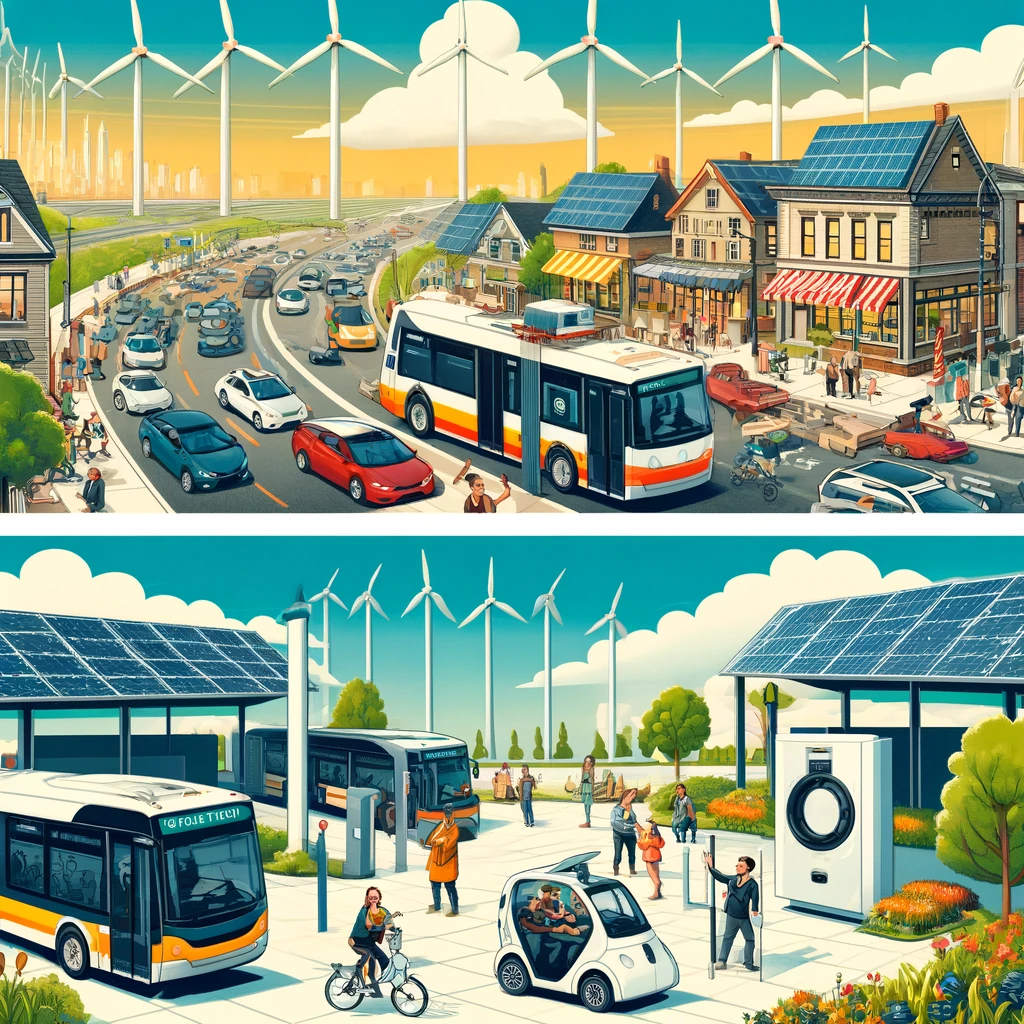
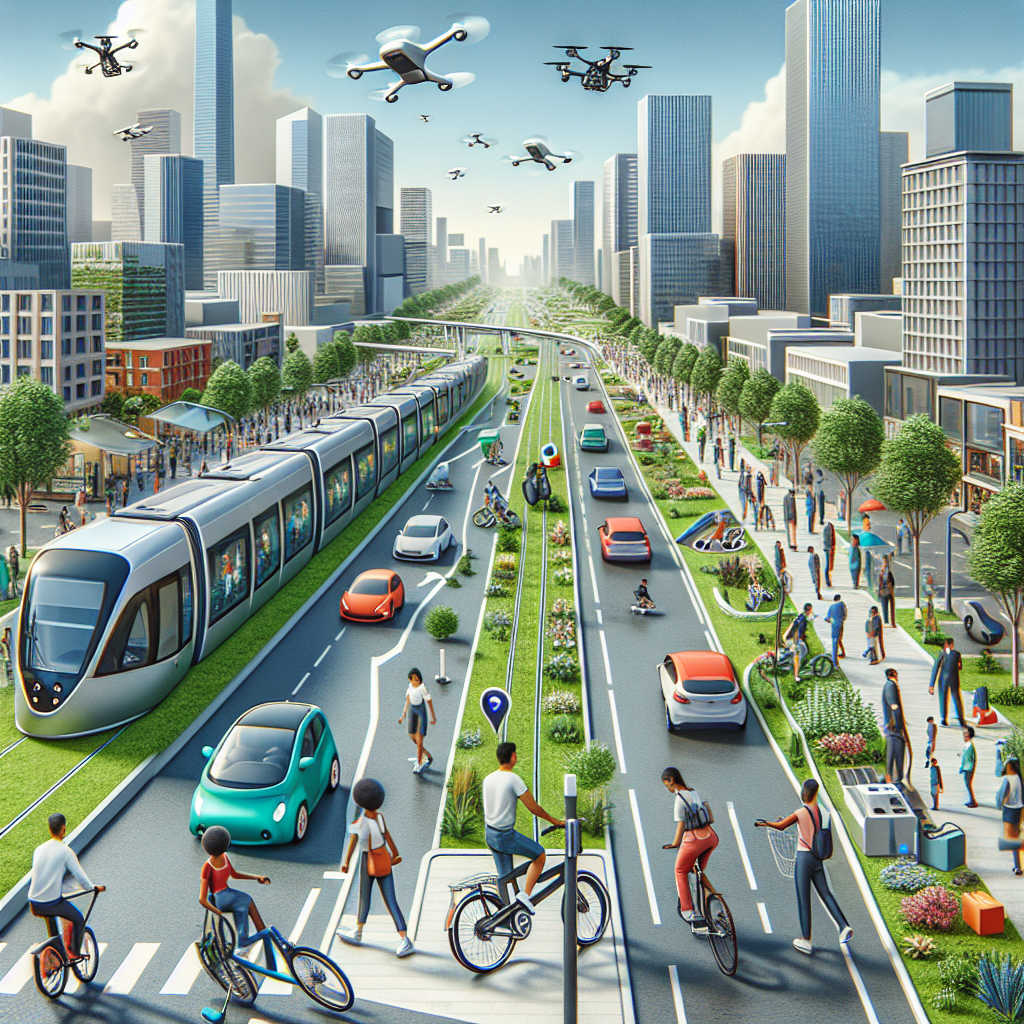
Sustainable urban development is a comprehensive approach aimed at creating cities that are environmentally responsible, economically viable, and socially inclusive. As urban populations continue to rise, the need for cities to adopt sustainable practices becomes increasingly crucial. This article delves into the core principles that guide sustainable urban development and how they are being implemented to transform urban landscapes around the world.
1. Environmental Stewardship
The foundation of sustainable urban development lies in environmental stewardship, which emphasizes the protection and enhancement of the city’s natural environment. This involves managing resources wisely, minimizing waste, and reducing pollution. Green building standards, like LEED and BREEAM, play a significant role in this, encouraging the construction of buildings that are energy efficient and resource-conscious. Urban areas are also expanding their green spaces—parks, riverfronts, and community gardens—which not only improve air quality but also provide residents with valuable recreational areas.
2. Efficient Use of Resources
Cities are high consumers of resources, which makes the efficient use of water, energy, and materials a critical principle. Initiatives like rainwater harvesting, sustainable energy installations (solar panels and wind turbines), and advanced recycling programs are becoming more prevalent. Smart city technologies, which include smart grids and intelligent transportation systems, optimize the use of infrastructure and resources, reducing waste and saving money.
3. Social Inclusion
A sustainable city is one that offers equality of opportunity to all its residents. This means providing affordable housing, accessible public transportation, and inclusive public spaces. Policies aimed at improving the social fabric of the city include anti-discrimination laws, community engagement in planning processes, and programs designed to uplift underrepresented groups. The focus is on creating a community where everyone, regardless of their background, can thrive.
4. Economic Viability
For urban development to be sustainable, it must also be economically viable. This includes promoting a diverse economy that supports a range of job opportunities and fosters innovation. Urban farming, green technology, and renewable energy sectors are areas that not only contribute to environmental sustainability but also create new employment opportunities. Moreover, cities are encouraging local businesses and startups through incentives and support programs, which helps keep the economic benefits within the community.
5. Integrated Planning and Management
Sustainable urban development requires holistic planning that considers the long-term impact of today’s decisions. This means integrating various aspects of urban life—from transportation and housing to energy and waste management—into a cohesive plan. The goal is to create synergies between different sectors and to ensure that developments in one area do not adversely affect others. Effective urban planning also involves participatory approaches, where citizens have a voice in the development and future of their city.
6. Transportation and Mobility
Improving the sustainability of transportation systems is a key principle of urban development. This involves promoting public transport options, such as buses, trains, and trams, which are less polluting than individual car use. Cities are also making strides in developing bicycle lanes and pedestrian paths, which not only reduce traffic congestion but also promote healthier lifestyles. Furthermore, the integration of technology, like real-time traffic management systems, helps to optimize the flow of vehicles and reduce emissions.
7. Resilience and Adaptability
Urban areas must be prepared to handle the challenges posed by climate change and natural disasters. This includes building resilience through infrastructure that can withstand extreme weather events and adaptive strategies that can respond to changing conditions. Urban resilience also encompasses public health initiatives that prepare cities for pandemics and other health crises, ensuring that the urban fabric can sustain shocks and stresses.
8. Quality of Life
Finally, enhancing the quality of life for all residents is a crucial goal of sustainable urban development. This involves creating safe, vibrant, and healthy environments where people can live, work, and play. It means investing in cultural and recreational amenities that enrich community life and promote social interactions. Urban design that considers human scale and accessibility contributes significantly to the livability of cities.
Implementing Green Infrastructure
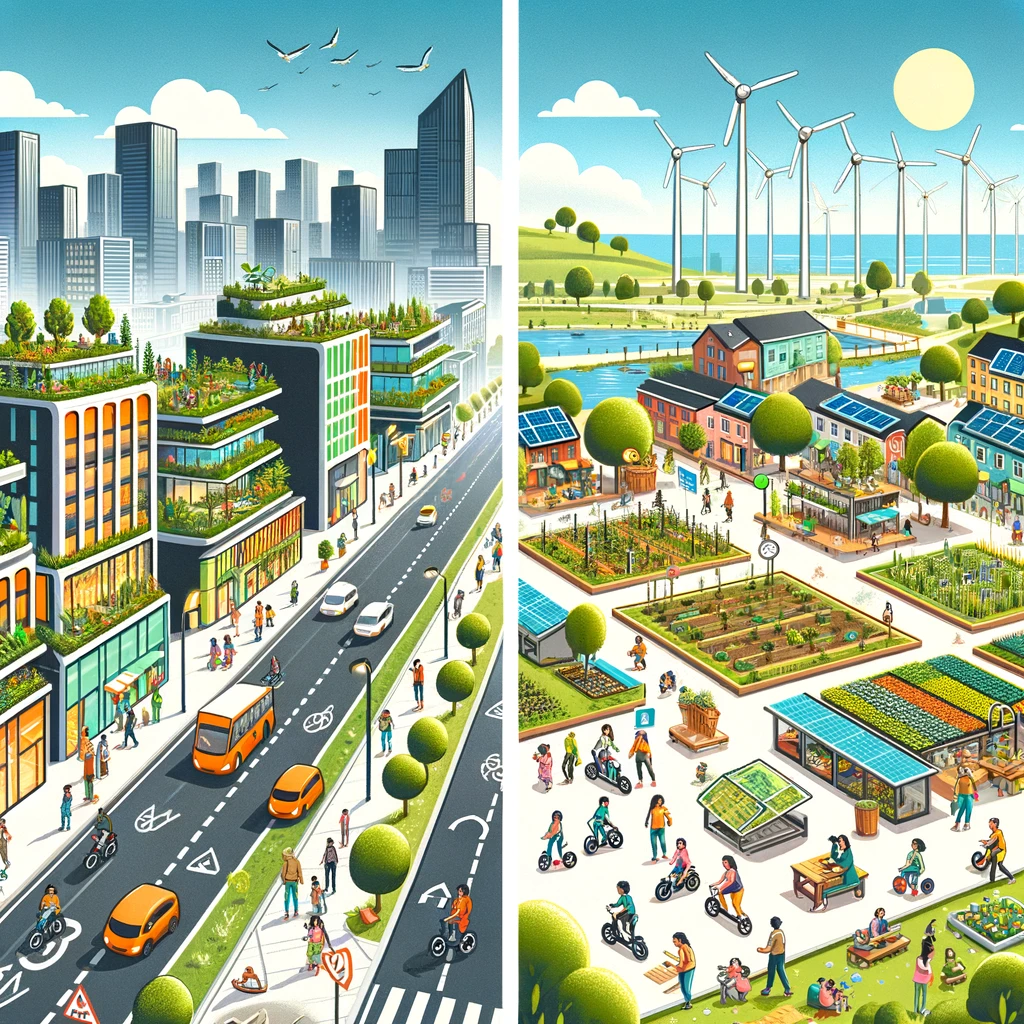
Singapore is often cited as a leader in green urban development. The city-state’s commitment to green infrastructure is evident in its numerous sky gardens and the iconic Supertree Grove at Gardens by the Bay. These efforts not only enhance the urban landscape but also play a crucial role in reducing the urban heat island effect. Moreover, Singapore’s Active, Beautiful, Clean Waters (ABC Waters) programme transforms utilitarian drainage canals into vibrant, aesthetically pleasing streams, rivers, and lakes with community spaces.
Advancing Smart Urban Mobility
Copenhagen is transforming urban mobility by prioritizing bicycles over cars. The city boasts over 390 kilometers of designated bike lanes, encouraging a cycling culture that is among the most prolific in the world. Copenhagen’s approach reduces traffic congestion, lowers pollution, and promotes healthier lifestyles. Similarly, Amsterdam integrates its cycling infrastructure with other modes of public transport, making mobility seamless and environmentally friendly.
Fostering Economic Sustainability
Portland, Oregon, has become a hub for sustainable industries, particularly in clean technology and renewable energy sectors. The city’s strategic investments in these areas have not only reduced environmental impacts but also bolstered the local economy by creating green jobs. Portland’s initiatives demonstrate how economic development and environmental sustainability can go hand in hand.
Promoting Social Inclusion through Urban Design
Medellín, Colombia, has made remarkable strides in social inclusion through innovative urban design. The implementation of cable cars and escalators in its hillier regions has dramatically improved accessibility for residents living in less-developed neighborhoods, effectively integrating them with the city’s economic and social life. This intervention has not only improved mobility for thousands of residents but also helped in reducing crime and poverty in these areas.
Building Resilient Infrastructure
Tokyo, Japan, focuses heavily on disaster-resilient infrastructure to cope with its susceptibility to earthquakes and typhoons. The city’s integrated approach includes strict building codes, regular disaster drills, and advanced engineering techniques in infrastructure. This proactive stance on resilience helps ensure that Tokyo remains safe and functional even under disaster conditions.
Enhancing Quality of Life through Public Spaces
Barcelona’s transformation of the Sant Martí district illustrates how urban renewal can enhance community well-being. By converting industrial plots into public spaces and incorporating sustainable practices, the area now features housing, parks, and public facilities that serve as a model for urban regeneration. The emphasis on public spaces not only improves the aesthetic appeal of the area but also promotes social cohesion and a sense of community among residents.
Integrating Technology and Sustainability
Seoul, South Korea, leverages cutting-edge technology to enhance its urban sustainability. Through the use of smart sensors and IoT (Internet of Things) technology, Seoul manages its traffic flow, energy consumption, and even waste management more efficiently. These technologies allow for real-time data collection and management, leading to smarter decision-making and reduced environmental impacts.
The initiatives taken by these cities reflect a broader commitment to the principles of sustainable urban development. By adopting innovative solutions and sustainable practices, these cities are paving the way for future urban landscapes that are more resilient, equitable, and conducive to better quality of life. As urban areas continue to grow, these examples serve as valuable blueprints for others to follow.
This article illustrates how the principles of sustainable urban development are not just theoretical ideals but actionable strategies that are shaping the future of cities around the world. Each principle interlocks with the others to create a comprehensive approach to urban development, ensuring that our cities remain vibrant and sustainable for generations to come.
Frequently Asked Questions
1. What is the primary goal of sustainable urban development?
The primary goal of sustainable urban development is to create cities that are environmentally responsible, economically viable, and socially inclusive. As the world experiences rapid urbanization, with more people moving into cities than ever before, it’s crucial that urban areas adopt practices that sustain the environment, support economic growth, and enhance the quality of life for all residents. This means developing strategies that reduce carbon footprints, promote green energy, and create economic opportunities that are accessible to everyone, regardless of socio-economic status. By integrating these core objectives, sustainable urban development aims to create balanced and resilient urban ecosystems that can thrive now and into the future.
2. How do sustainable urban development practices address environmental stewardship?
Environmental stewardship in sustainable urban development involves practices that protect, manage, and restore natural resources while reducing pollution and waste. This principle promotes the use of green building technologies that minimize energy consumption and carbon emissions, such as solar panels, improved insulation, and energy-efficient appliances. Moreover, it encourages the preservation of natural areas and the integration of green spaces within urban landscapes. By implementing comprehensive waste management systems that focus on recycling and supporting zero-waste initiatives, cities can reduce their environmental impact. Additionally, promoting the use of public transportation and non-motorized transport—such as cycling and walking—helps in reducing air pollution and the dependency on fossil fuels. The overall goal is to create environmentally sustainable cities that provide a healthy and liveable environment for their inhabitants.
3. What role does economic viability play in sustainable urban development?
Economic viability is a cornerstone of sustainable urban development because it ensures that a city not only survives but thrives financially. This principle involves creating economic opportunities that are inclusive and equitable, supporting local businesses, and fostering innovation. It means investing in infrastructure that drives long-term economic growth, like smart transportation systems and technological advancements that facilitate business operations. Moreover, sustainable urban development encourages job creation in green industries, which are pivotal as cities transition to more sustainable practices. Economic viability is also about resilience, ensuring that urban economies can withstand and rebound from financial shocks. By balancing growth with sustainability, cities can provide long-term economic benefits to all residents, therefore strengthening the urban fabric.
4. How is social inclusion vital to principles of sustainable urban development?
Social inclusion is critical to sustainable urban development because it ensures that all members of society have the opportunity to benefit from the city’s growth and prosperity. This principle emphasizes the importance of equity, where services like education, healthcare, and affordable housing are accessible to everyone, not just the privileged few. It encourages the participation of diverse communities in decision-making processes, ensuring that their voices are heard and their needs are met. Sustainable urban development also involves addressing socio-economic disparities by supporting marginalized communities and fostering environments where diversity is not only accepted but celebrated. By prioritizing social inclusion, cities can create a sense of community and belonging, which is essential for social stability and cohesion.
5. What are some examples of cities implementing sustainable urban development practices effectively?
Cities around the world are actively integrating sustainable urban development practices with notable successes. Amsterdam, for instance, is renowned for its comprehensive cycling infrastructure, which reduces car dependence and lowers emissions significantly. The city has invested in green energy solutions, including the extensive use of wind and solar energy, alongside programs to increase building efficiency. Copenhagen is another leader in sustainability, aiming to become carbon-neutral by 2025 through innovative urban planning that includes an extensive public transportation network, pedestrian-friendly streets, and the incorporation of natural habitats. Curitiba in Brazil has long been cited as a model for sustainable urban development with its pioneering bus rapid transit system, extensive parks, and successful recycling programs. These cities exemplify how effective implementation of sustainable principles can lead to more resilient, liveable urban environments.