In today’s rapidly urbanizing world, the concept of sustainable urban development is gaining critical importance. Cities are expanding, populations are growing, and with these changes come significant environmental and social challenges. To address these concerns, urban planners and policymakers are increasingly turning to innovative solutions, one of which is the development of eco-districts. These specialized districts aim to create resilient and sustainable communities by incorporating green infrastructure, renewable energy, and eco-friendly lifestyles. This article delves into the concept of eco-districts and examines their pivotal role in shaping sustainable cities.
Introduction
What exactly is an eco-district? An eco-district is a designated area within a city that aims to implement sustainable practices at a neighborhood scale. These districts strive to integrate environmental, economic, and social sustainability goals. The idea is to enhance the quality of life for residents while minimizing environmental impacts. Eco-districts can include various features such as green buildings, renewable energy sources, efficient waste management systems, and sustainable transportation options.
Sustainable urban development is no longer a luxury but a necessity. Climate change, resource depletion, and escalating pollution levels are compelling cities to rethink their traditional development paradigms. Eco-districts serve as experimental models that can be replicated in other parts of the city or even in different cities globally. By focusing on smaller, manageable areas, these districts offer a feasible way to test and implement innovative sustainability strategies.
More importantly, eco-districts also focus on social sustainability. This involves creating a sense of community, ensuring affordable housing, and promoting inclusive growth. These districts aim to be economically viable and often involve collaboration between local governments, private developers, and community organizations. As urban areas continue to grow, the lessons learned from eco-districts can provide valuable insights into creating more sustainable cities on a larger scale.
Key Features of Eco-Districts
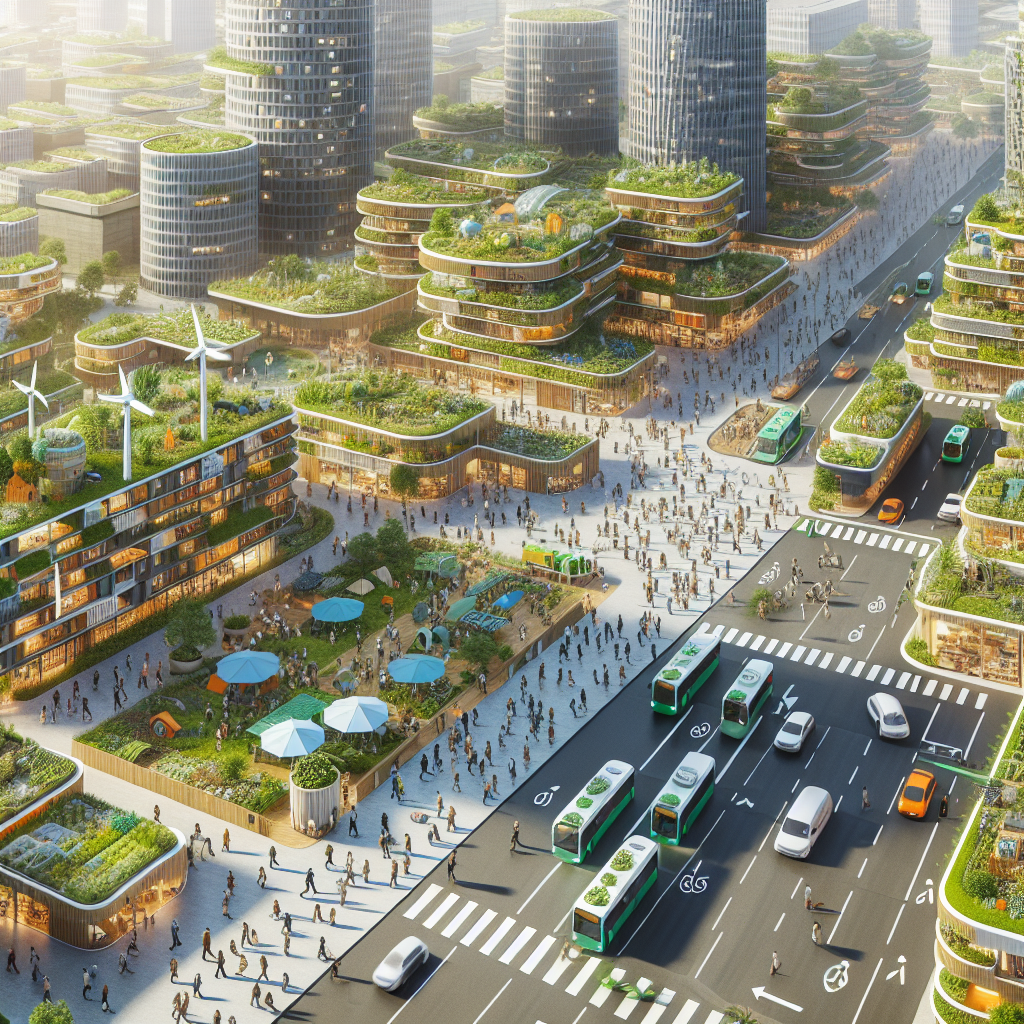
One of the cornerstone features of eco-districts is green infrastructure. This includes everything from green roofs and walls to urban gardens and parks. Green infrastructure helps control stormwater runoff, improve air quality, and provide habitats for urban wildlife. Moreover, these natural elements enhance the aesthetic appeal of cityscapes and contribute to residents’ mental well-being.
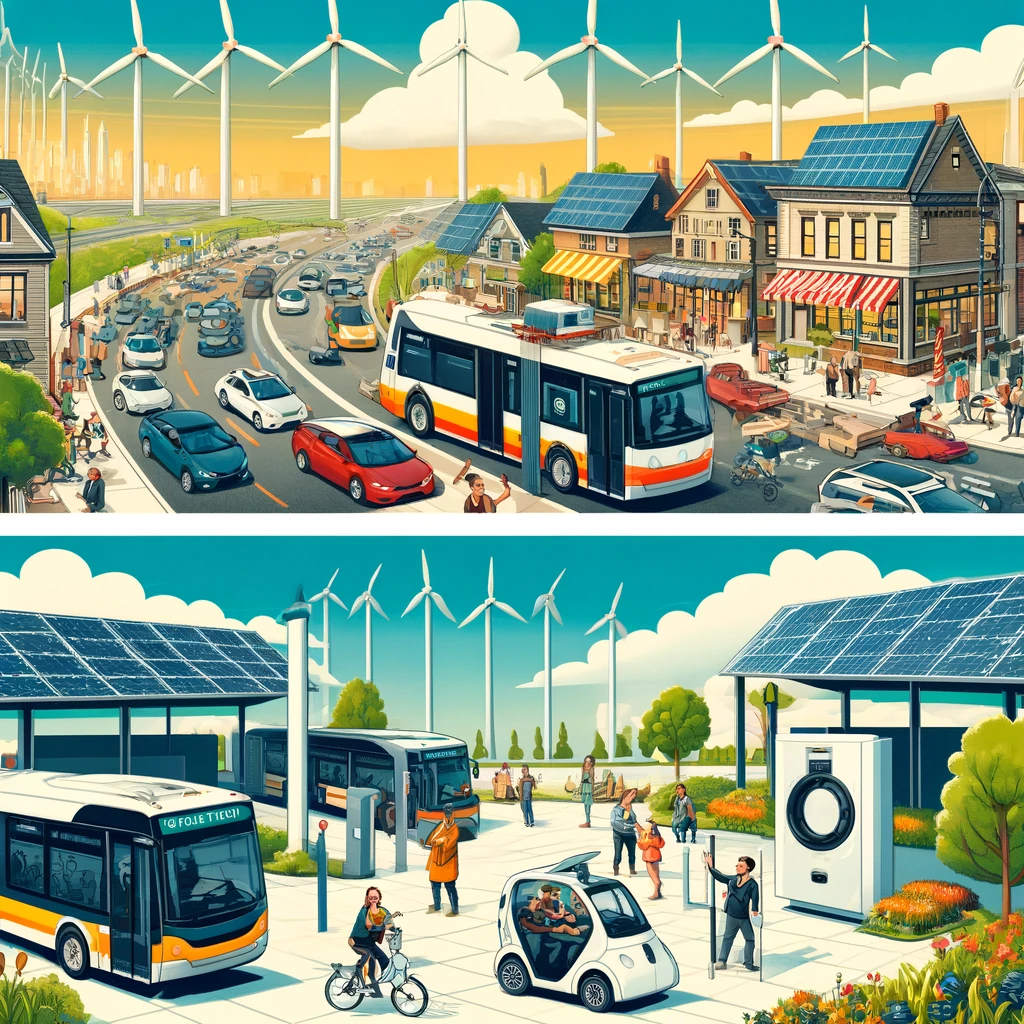
Another essential component is the integration of renewable energy sources. Solar panels, wind turbines, and geothermal systems are increasingly being incorporated into eco-districts to reduce dependency on fossil fuels. In some cases, these districts even aim to become net-zero energy communities, meaning they produce as much energy as they consume. This shift not only helps in reducing greenhouse gas emissions but also promotes energy security.
Waste management is another critical aspect. Eco-districts often feature comprehensive recycling and composting programs. The goal is to move towards a circular economy where waste is minimized, and materials are reused and recycled. Innovative technologies like anaerobic digesters can even convert organic waste into biogas, which can be used for heating and electricity.
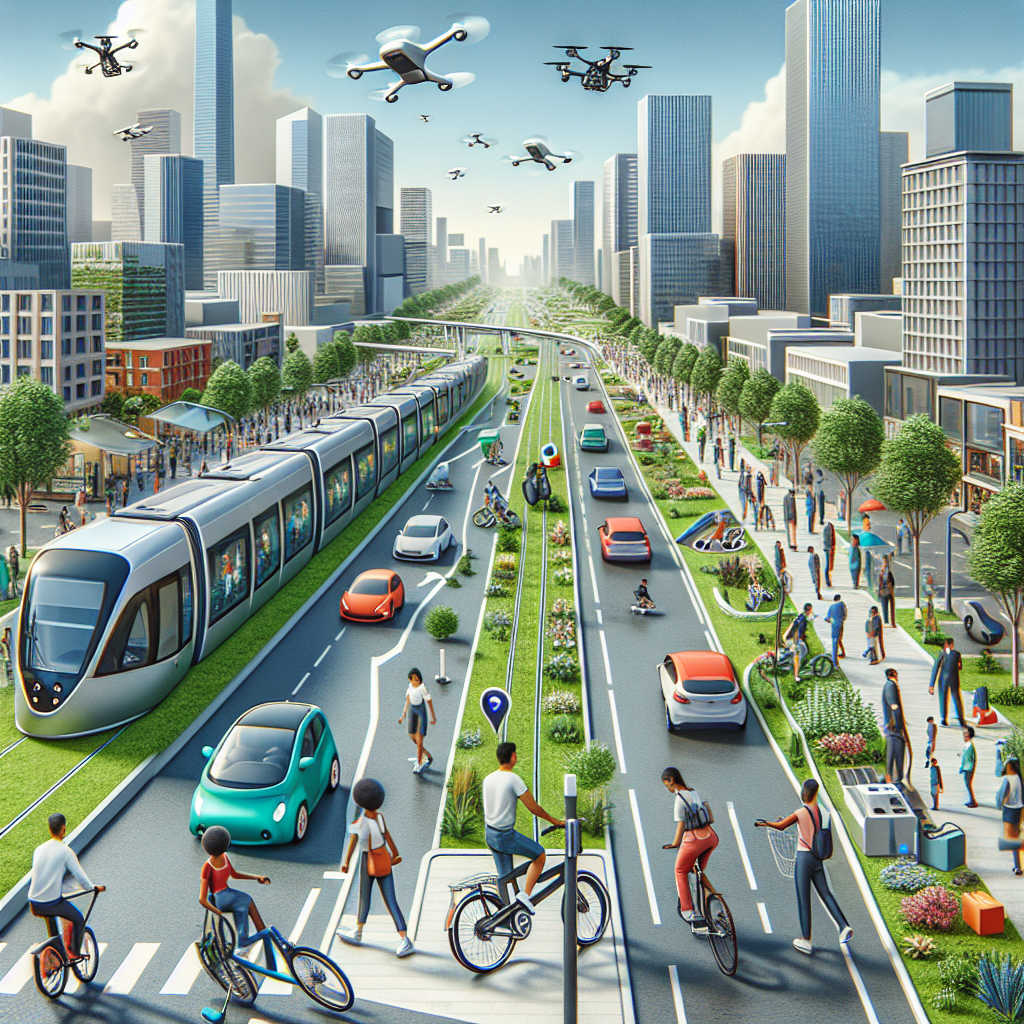
Sustainable transportation options are also a hallmark of eco-districts. These can include bike-sharing programs, electric vehicle charging stations, and pedestrian-friendly walkways. By reducing the reliance on private cars, these initiatives help decrease traffic congestion and lower emissions, contributing to a cleaner, healthier urban environment.
Case Study: The Vauban Eco-District in Freiburg, Germany
One of the most successful examples of an eco-district is the Vauban district in Freiburg, Germany. This former military base was transformed into a sustainable community, setting a benchmark for eco-districts worldwide. Vauban is often cited as a model for other cities wishing to create similar initiatives.
The district boasts an extensive array of green buildings, many of which meet the Passivhaus standard – an ultra-low energy standard originating from Germany. These buildings require minimal energy for heating or cooling, thanks to their highly efficient insulation and design.
Renewable energy plays a significant role in Vauban. The district features numerous solar panels on building rooftops, contributing to the community’s energy needs. Additionally, a co-generation plant powered by wood chips supplies both heat and electricity, reducing reliance on external energy sources.
Sustainable transportation is another highlight. Vauban is designed to be a car-free zone, with ample provision for bicycles and public transport. The layout encourages walking and cycling, significantly reducing the carbon footprint of the residents. Community participation was also crucial in the development of Vauban. Local residents were actively involved in planning and decision-making processes, ensuring that the solutions were not only sustainable but also met the needs and preferences of the community.
Benefits of Eco-Districts
Eco-districts offer numerous benefits, not only to the environment but also to the residents and the broader community. One of the most significant advantages is the reduction in greenhouse gas emissions. By implementing renewable energy, green infrastructure, and sustainable transportation, these districts help mitigate climate change.
Additionally, eco-districts can lead to significant cost savings. Energy-efficient buildings and renewable energy sources reduce utility bills for residents. Moreover, waste reduction and efficient water management can lower operating costs for the community.
Improved health and well-being are another crucial benefit. Green spaces and cleaner air contribute to better physical health, while community-oriented design fosters social cohesion and mental well-being. These factors can enhance the overall quality of life for residents.
Eco-districts also have economic benefits. They can attract green businesses and tech startups, creating new job opportunities and boosting the local economy. Moreover, such districts often become tourist attractions, drawing visitors interested in sustainable living and green technologies.
Challenges and Solutions
While the benefits are compelling, developing eco-districts is not without its challenges. One of the primary hurdles is the initial investment required. Sustainable infrastructure, green buildings, and renewable energy systems can be costly, which may deter some developers and policymakers.
However, these costs can be offset through various means. Public-private partnerships can share the financial burden, while government subsidies and incentives can encourage investment. Moreover, the long-term savings in energy and operational costs can make eco-districts financially viable in the long run.
Another challenge is ensuring community participation and buy-in. Sustainable initiatives can sometimes face resistance from residents who are accustomed to conventional lifestyles. Effective communication and education about the benefits of eco-friendly practices are essential to gaining public support.
Moreover, adaptive planning and flexibility are crucial. The needs and priorities of a community can change over time, and eco-districts must be able to adapt to these changes. This requires ongoing monitoring, evaluation, and the willingness to make adjustments as necessary.
The Future of Eco-Districts
As the concept of eco-districts gains traction, the future looks promising for sustainable urban development. Technological advancements are making it easier and more cost-effective to implement renewable energy, green infrastructure, and other sustainable practices.
Moreover, there is a growing recognition of the importance of sustainability among policymakers, developers, and the general public. This increasing awareness is likely to drive further investment and innovation in eco-districts and sustainable urban development in general.
Collaboration and knowledge sharing will be key to the future success of eco-districts. Cities around the world can learn from each other’s experiences, replicating successful models and avoiding common pitfalls. International networks and organizations focused on sustainable urban development can facilitate this exchange of ideas and best practices.
Furthermore, eco-districts can serve as living laboratories for testing new technologies and strategies. Lessons learned from these initiatives can inform broader urban planning and policy decisions, helping to create more resilient and sustainable cities for the future.
Conclusion
In conclusion, eco-districts play a crucial role in sustainable urban development. By integrating green infrastructure, renewable energy, and sustainable lifestyles, these districts can significantly reduce environmental impacts and enhance the quality of life for residents. While there are challenges to overcome, the benefits far outweigh the costs. With the right planning, investment, and community engagement, eco-districts can serve as models for sustainable cities worldwide.
The Vauban district in Freiburg, Germany, serves as a prime example of what can be achieved through concerted efforts and innovative thinking. As more cities recognize the importance of sustainability, the concept of eco-districts is likely to become increasingly prevalent. By learning from existing examples and continuously innovating, we can create urban environments that are not only sustainable but also vibrant, inclusive, and resilient.
Ultimately, the development of eco-districts is a step towards a more sustainable future. As urbanization continues to accelerate, it is imperative that we adopt sustainable practices to ensure that our cities remain livable for generations to come.
Frequently Asked Questions
What exactly are eco-districts in the context of sustainable urban development?
Eco-districts are specially designed urban areas that prioritize sustainability and aim to create communities that are resilient, environmentally friendly, and thrive in harmony with nature. Think of them as mini neighborhoods or districts within a larger city where every aspect is thoughtfully crafted to reduce environmental impact. Eco-districts focus on energy efficiency, renewable energy, sustainable transportation, and green spaces. They integrate innovative solutions like green buildings, efficient waste management systems, and water conservation strategies. The goal is to enhance the quality of urban life while minimizing the ecological footprint.
How do eco-districts contribute to reducing a city’s environmental impact?
Eco-districts tackle urban environmental challenges head-on by implementing various strategies that significantly cut down harmful emissions and resource consumption. For starters, they emphasize energy efficiency through green construction practices, using materials and technologies that lower energy use in buildings. Renewable energy sources, like solar panels or wind turbines, often play a prominent role in these districts. Public spaces are designed with abundant greenery, which not only beautifies the area but also improves air quality and manages urban heat. Furthermore, sustainable transport options like cycling lanes, electric public transportation, and pedestrian-friendly streets help in reducing vehicle emissions. By knitting these elements into the fabric of urban planning, eco-districts facilitate a city’s progress toward sustainability.
What are some examples of existing eco-districts around the world?
Several notable eco-districts around the globe are serving as benchmarks and inspiration. In Malmö, Sweden, the Western Harbour district, known for its energy efficiency and sustainable infrastructure, stands out. It utilizes renewable energy sources and innovative waste management techniques. Another example is the Hammarby Sjöstad in Stockholm, which embodies an ambitious plan promoting sustainable living. In North America, Portland’s Lloyd EcoDistrict is pioneering ideas and actions for sustainable development, integrating community engagement and innovative ecosystem approaches. These districts serve as living laboratories, testing ground for sustainable urban solutions, constantly evolving and adapting to environmental and social needs.
What challenges do cities face when developing eco-districts?
Launching and maturing eco-districts is no small feat; numerous challenges pop up along the way. One major hurdle is the funding required to develop these green initiatives, as sustainable projects can be costly upfront, despite the long-term savings on energy and resource use. Another challenge is ensuring community involvement and support; for successful implementation, planners need buy-in from local residents and stakeholders. There’s also the complexity of integrating new green technologies and infrastructures with pre-existing urban frameworks—sometimes retrofitting is required, which can be complicated and expensive. Additionally, cities may face bureaucratic and regulatory barriers, where existing policies might not align with the innovative practices required for eco-district development. Despite these hurdles, the potential long-term benefits encourage cities to surmount these challenges.
How do eco-districts impact the social aspects of urban living?
Eco-districts can have a profoundly positive effect on the social dynamics within urban settings. They’re crafted not just with the environment in mind, but also the community’s well-being. Green spaces and parks encourage a healthier lifestyle and more community engagement, creating a vibrant social fabric. These areas often offer more affordable housing options by incorporating energy-efficient designs that lower utility costs. Through local markets and businesses focused on sustainability, eco-districts promote local economies and provide job opportunities. Furthermore, the participatory planning process in establishing eco-districts encourages communication and collaboration among residents, fostering a sense of belonging and collective responsibility. In essence, eco-districts aren’t just about being green — they’re also about creating a socially cohesive and inclusive society.