In the midst of growing urbanization, cities around the world are grappling with the challenges associated with high population densities, increased pollution, and diminishing green spaces. Sustainable urban development has become more crucial than ever as we strive to create livable, healthy, and environmentally responsible cities. One such innovative solution gaining traction is the integration of green roofs and walls into urban landscapes. These living structures are not just visually appealing; they serve a myriad of ecological, economic, and social benefits that contribute to holistic urban sustainability.
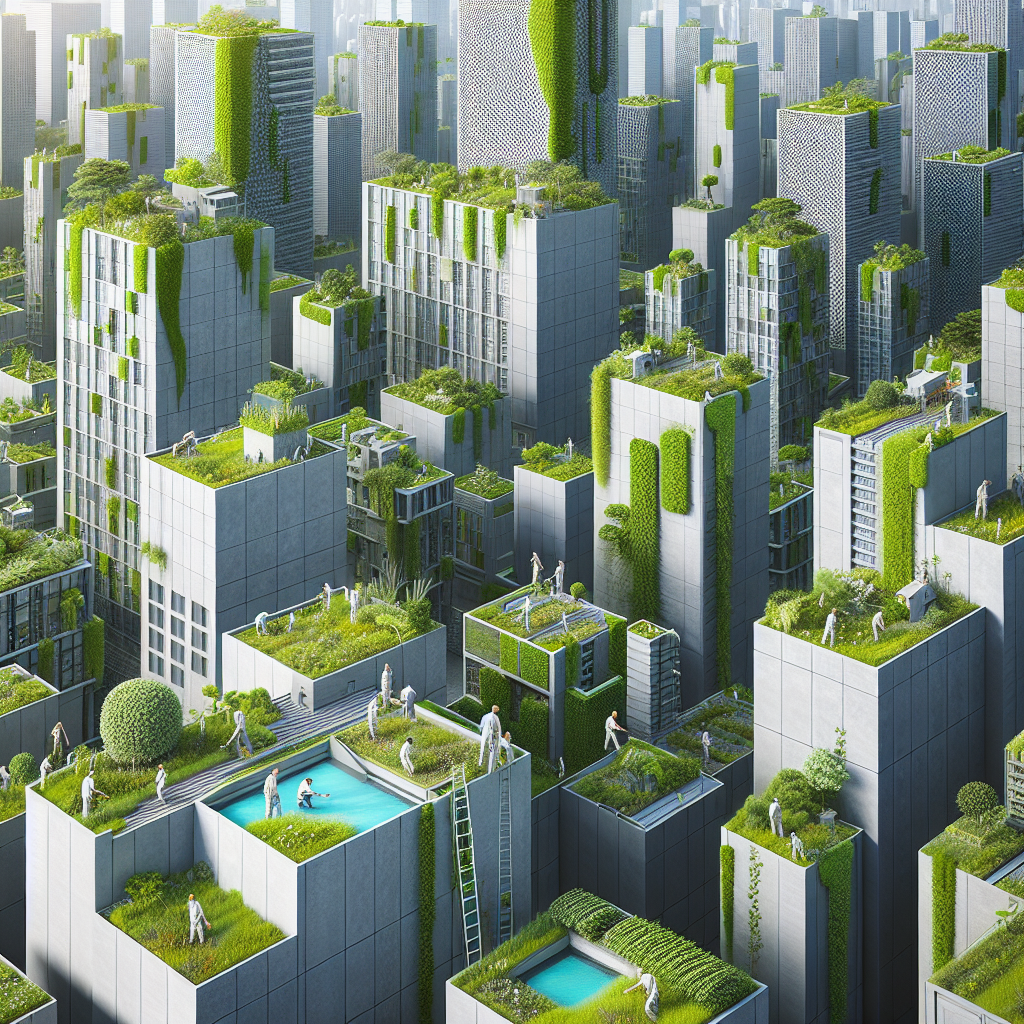
Green roofs, also known as vegetated roofs, involve the cultivation of plants on top of buildings, while green walls (or living walls) refer to vertical surfaces covered in greenery. They are significant components of biophilic design—a concept that aims to reconnect human beings with nature in built environments. But why should we prioritize the incorporation of green roofs and walls in our cities? The answer lies in their multifaceted impact on the urban ecosystem, from improving air quality to reducing energy consumption. This article delves into the numerous advantages and indispensable role of green roofs and walls in transforming urban landscapes.
Environmental Benefits of Green Roofs and Walls
One of the most compelling reasons to invest in green roofs and walls is their ability to mitigate environmental issues. These green structures act as natural air purifiers, absorbing pollutants and carbon dioxide while releasing oxygen. This process helps improve urban air quality, which is crucial for public health, especially in densely populated cities where air pollution is a significant concern.
Furthermore, green roofs and walls contribute to urban biodiversity by providing habitats for various species of plants, birds, and insects. They create mini-ecosystems that can support wildlife and promote ecological diversity within urban settings. Additionally, the presence of vegetation on roofs and walls can help regulate the urban heat island effect—a phenomenon where urban areas experience higher temperatures than their rural counterparts due to human activities and dense building infrastructure. The plants on green roofs and walls absorb sunlight and provide shade, thus cooling the surrounding environment and reducing the need for air conditioning.
Economic Advantages
Beyond their environmental benefits, green roofs and walls offer significant economic advantages. One of the primary financial incentives is energy savings. The insulation provided by green roofs can reduce heating and cooling costs for buildings by maintaining more stable indoor temperatures. In the summer, they keep buildings cooler by providing shade and reducing heat absorption, while in the winter, they act as an additional layer of insulation.
Green roofs also extend the lifespan of roof materials. Traditional roofs are exposed to the elements, leading to wear and tear over time. In contrast, green roofs protect the underlying roof structure from extreme weather conditions and UV radiation, thereby prolonging its durability and reducing maintenance and replacement costs.
Social and Health Benefits
The advantages of green roofs and walls extend beyond environmental and economic factors; they also offer substantial social and health benefits. Studies have shown that access to green spaces can significantly impact mental health and well-being. Green roofs and walls can create serene, natural environments in urban settings, providing residents with stress relief and enhancing their overall quality of life.
Additionally, these green structures can foster community engagement and social interaction. For example, rooftop gardens can serve as communal spaces where neighbors gather, socialize, and even engage in urban agriculture. This community-oriented approach not only strengthens social ties but also educates residents about sustainable practices and the importance of environmental stewardship.
Implementation Challenges and Solutions
While the benefits of green roofs and walls are undeniable, their implementation can pose challenges. One of the primary obstacles is the initial cost of installation. Establishing green roofs and walls requires a significant upfront investment, which can be a barrier for developers and property owners.
However, this challenge can be mitigated through various means. Government incentives and subsidies can play a crucial role in offsetting the costs of green infrastructure projects. Additionally, public-private partnerships and grants can provide financial support and encourage the adoption of green roofs and walls. Moreover, long-term cost savings from reduced energy consumption and maintenance can make the investment worthwhile in the long run.
Case Studies: Success Stories from Around the World
Several cities worldwide have successfully implemented green roofs and walls, setting inspiring examples for others to follow. One notable case is the Bosco Verticale (Vertical Forest) in Milan, Italy. This pair of residential towers is renowned for its extensive vegetation, with over 900 trees and 2,000 plants covering the buildings’ facades. The Vertical Forest has not only transformed Milan’s skyline but also significantly improved air quality, reduced noise pollution, and enhanced the city’s biodiversity.
Another remarkable example is the High Line in New York City. Once a disused railway line, the High Line has been transformed into an elevated linear park featuring a variety of plant species. This green space now serves as a popular recreational area for residents and visitors, showcasing the potential of repurposing urban infrastructure to create vibrant and sustainable environments.
Future Prospects and Innovations
As technology and environmental awareness continue to advance, the future of green roofs and walls looks promising. Innovations in materials and design techniques are making it easier and more cost-effective to integrate green elements into urban architecture. For instance, lightweight and modular green roofing systems are being developed to accommodate a wider range of building types and structures.
Moreover, the concept of green roofs and walls is evolving to encompass multifunctional designs that offer additional benefits. For example, some green roofs are being combined with solar panels to optimize energy production while maintaining green space. The integration of smart irrigation systems and sensors is also enhancing the efficiency of green roofs and walls, ensuring that they remain sustainable and low-maintenance.
Conclusion: Embracing Green Roofs and Walls for Sustainable Urban Development
In conclusion, green roofs and walls are more than just aesthetic enhancements for urban landscapes; they are vital components of sustainable urban development. Their numerous benefits, including environmental conservation, energy efficiency, improved mental health, and community engagement, make them indispensable tools for creating livable and resilient cities. While the challenges of implementation exist, the long-term advantages far outweigh the initial costs, especially with the support of government incentives and innovative technologies.
As we look towards the future, it is imperative to continue advocating for and investing in green roofs and walls. By doing so, we can transform our urban environments into thriving ecosystems that not only support human well-being but also contribute to the planet’s health. The journey towards sustainable urban development is ongoing, and green roofs and walls are a crucial step in the right direction.
Frequently Asked Questions
1. What are green roofs and walls, and how do they work?
Green roofs and walls, often referred to as living roofs or vertical gardens, are specially designed systems that support vegetation growth on building surfaces. A green roof is a layer of vegetation planted over a waterproofing system installed on top of a flat or slightly-sloped roof. On the other hand, green walls, or vertical gardens, involve the cultivation of plants on vertically constructed surfaces such as walls, fences, or free-standing installations. These green structures rely on a variety of specialized components, including growing mediums, irrigation systems, and drainage layers to support plant life.
Green roofs and walls work by integrating nature into urban environments, contributing to biodiversity, improving air quality, reducing urban heat island effects, and managing stormwater. The vegetation helps to cool the surrounding air through the natural process of evapotranspiration. Furthermore, plants have an innate ability to capture airborne pollutants and convert carbon dioxide into oxygen, thus reducing pollution levels and enhancing the quality of the urban atmosphere.
2. What are the benefits of incorporating green roofs and walls in urban areas?
Integrating green roofs and walls into urban landscapes offers numerous environmental, economic, and social benefits. Environmentally, they enhance biodiversity by creating habitats for various species of birds, bats, insects, and flora, effectively turning concrete jungles into hospitable ecosystems. They play a crucial role in climate mitigation by absorbing rainwater, which reduces flood risks and decreases the burden on sewerage systems. Additionally, green roofs and walls enhance air quality by absorbing pollutants and carbon dioxide while producing oxygen.
Economically, green roofs can reduce building energy costs by providing natural insulation and minimizing the need for HVAC systems, especially in extreme weather conditions. Socially, they improve the quality of life by offering aesthetic benefits and green spaces for relaxation in densely populated areas. Moreover, they contribute to urban agriculture by allowing residents to grow their own food, fostering community engagement, and promoting healthy lifestyle choices.
3. What challenges are associated with installing green roofs and walls?
While green roofs and walls provide significant advantages, their installation and maintenance can present several challenges. One of the primary challenges is the initial cost of installation, which can be relatively high due to the need for specialized materials and expert services. However, many cities are beginning to offer incentives and subsidies to offset these costs, recognizing the long-term benefits and sustainability of these installations.
Another challenge is ensuring the structural integrity and load-bearing capacity of existing buildings when adding green roofs. This often requires a thorough assessment by structural engineers. Maintenance is also a critical consideration; plants require regular care, including watering, pruning, and monitoring for disease or pest issues. In climates with extreme weather conditions, the choice of appropriate plant species becomes crucial to ensure the sustainability and resilience of the green installation.
4. Can green roofs and walls be used in all climates, or are there limitations?
Green roofs and walls can be adapted for use in a variety of climates, but they do come with some limitations. In arid or extremely cold regions, careful planning and design are crucial to address the unique challenges posed by the climate. Selection of plant species that are hardy, drought-resistant, or cold-tolerant is vital for ensuring long-term success. In such climates, implementing efficient irrigation systems and thermal insulation becomes more important to support plant health and growth.
Despite these considerations, advancements in green technology and design are continuously breaking barriers, enabling successful green installations in previously challenging environments. For example, technologies like hydroponic systems or modular planting panels allow green walls to thrive in environments where traditional soil-grown plants might struggle. Additionally, architects and planners often design green roofs with a mix of plant species that mimic natural biomes, optimizing the installation for local climate conditions.
5. How do green roofs and walls contribute to the fight against climate change?
Green roofs and walls are valuable allies in the fight against climate change due to their ability to mitigate several adverse environmental impacts associated with urbanization. By creating more green spaces, they help cities combat the ‘urban heat island effect,’ a phenomenon where urban areas become significantly warmer than their rural surroundings. This is crucial as it helps to reduce energy demand for air conditioning in buildings, lowering overall greenhouse gas emissions.
Moreover, the vegetation on green roofs and walls acts as a carbon sink, absorbing and storing carbon dioxide, one of the major greenhouse gases contributing to climate change. During photosynthesis, they not only sequester carbon but also release oxygen, improving urban air quality. By improving stormwater management, green roofs and walls reduce the risk of flooding during heavy rainfall, further decreasing the urban environmental footprint.
In essence, by integrating plant life more effectively into urban environments, green roofs and walls not only improve the resilience of cities to climate change impacts but also promote healthier ecosystems and urban living spaces. Their role as tools for sustainable urban development makes them invaluable in our global efforts to transform urban landscapes into more environmentally responsible and livable spaces.