Sustainable urban development has become a critical component of city planning across the globe. With increasing urbanization, it is essential to create communities that are not only environmentally friendly but also socially equitable. This involves designing and managing cities in ways that provide opportunities for all residents, regardless of their socio-economic status, race, or background. Social equity in sustainable urban development means ensuring that all individuals and communities receive fair access to resources and opportunities that enable a high quality of life.
The rapid growth of urban areas has led to numerous challenges, such as increased pollution, traffic congestion, and a strain on resources. Furthermore, the gap between the wealthy and the poor can often become more pronounced in densely populated cities. Without deliberate efforts to incorporate social equity into urban planning strategies, marginalized communities might continue to face disadvantages that hinder their ability to thrive.
In this article, we will explore the principles of sustainable urban development with a focus on social equity. We will discuss current challenges and potential solutions, along with practical examples of cities that are leading the way in developing inclusive, sustainable urban environments. By understanding the interplay between sustainability and social equity, urban planners and policymakers can create more balanced and inclusive urban growth strategies.
The Principles of Sustainable Urban Development
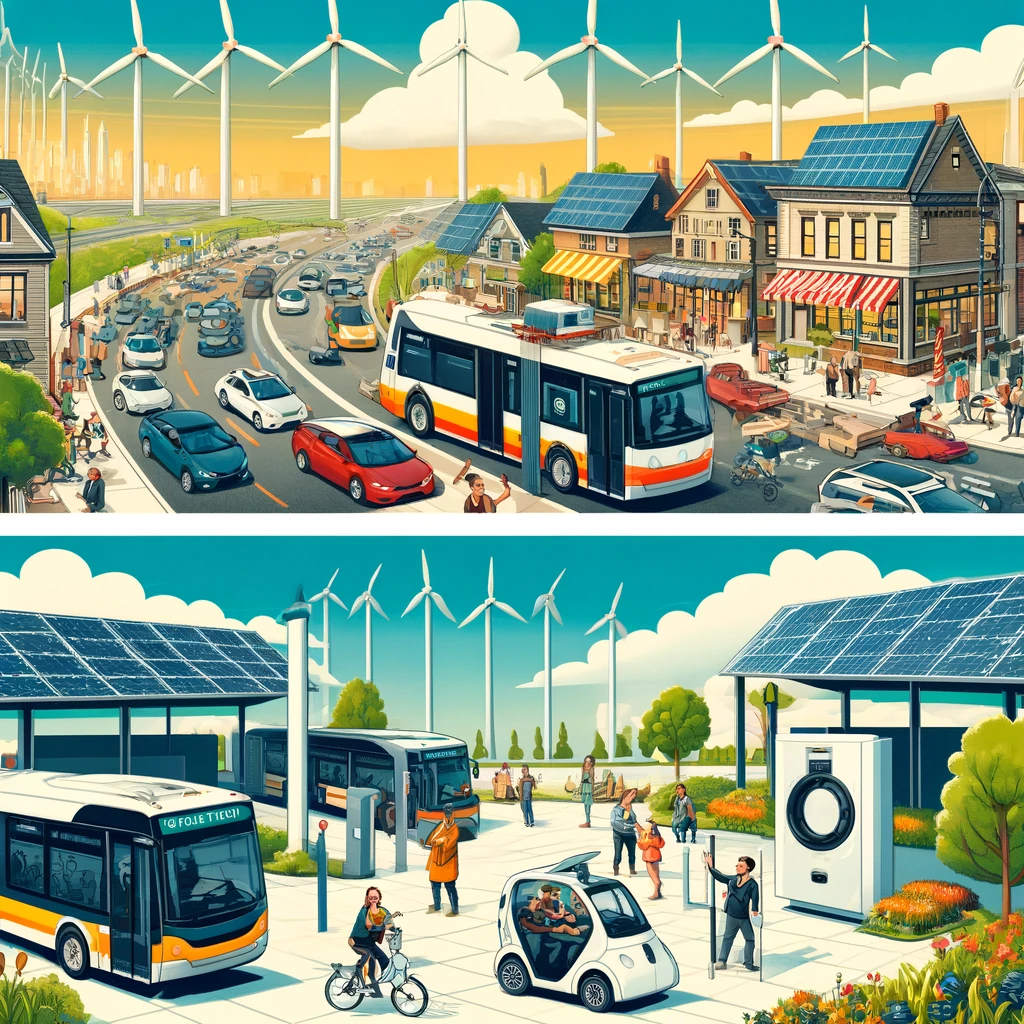
Sustainable urban development is guided by several fundamental principles, all of which are interconnected and essential for creating vibrant, healthy cities. First, environmental sustainability focuses on reducing the urban carbon footprint and conserving natural resources. This includes initiatives such as improving public transportation, building green spaces, enhancing energy efficiency, and integrating renewable energy sources.
Economic sustainability aims to create robust economic opportunities and employment for residents. This involves supporting local businesses, promoting diverse industries, and ensuring that economic growth benefits all segments of society. Well-designed urban spaces that encourage business activity can lead to job creation and economic resilience.
Social sustainability emphasizes the importance of social equity and the creation of inclusive communities. It strives to provide access to education, healthcare, housing, and cultural activities for everyone, regardless of their socio-economic status. Initiatives in social sustainability often address disparities in access to resources and promote community cohesion.
To effectively implement these principles, urban planners must adopt an integrated approach that considers both long-term and short-term impacts. By fostering collaboration among various stakeholders, including governments, businesses, and residents, cities can develop comprehensive plans that harmonize economic, environmental, and social objectives.
Challenges in Achieving Social Equity
Promoting social equity in urban development poses several challenges. One of the primary issues is housing affordability. As cities grow and become more desirable places to live, housing prices can skyrocket, pushing low-income residents out of their homes. Gentrification, often termed as urban renewal, can displace long-time residents and disrupt established communities.
Lack of access to quality education and healthcare is another significant challenge. In many cities, schools and healthcare facilities in low-income neighborhoods often receive fewer resources and support compared to those in wealthier areas. This disparity can perpetuate cycles of poverty and limit opportunities for upward mobility.
Employment inequality is also a major concern. Economic opportunities are not always evenly distributed, and marginalized communities might find it challenging to secure stable, well-paying jobs. This can be due to a range of factors, including discrimination, lack of access to training, and inadequate transportation networks.
Additionally, environmental justice is a critical aspect of social equity. Low-income and minority communities are often more affected by environmental hazards, such as pollution and inadequate sanitation. Addressing these challenges requires a concerted effort to incorporate social equity considerations into urban planning and policy decisions.

Strategies for Promoting Social Equity
To address the challenges of social equity in sustainable urban development, cities can implement several strategic initiatives. Affordable housing policies are crucial. Developing mixed-income housing, offering subsidies, and implementing rent control measures can help ensure that all residents have access to stable, affordable housing.
Improving access to education and healthcare is another vital strategy. Investing in schools and healthcare facilities in underserved areas can help bridge the gap between different communities. Additionally, programs that provide scholarships, mentorships, and vocational training can empower residents with the skills and knowledge needed to thrive.
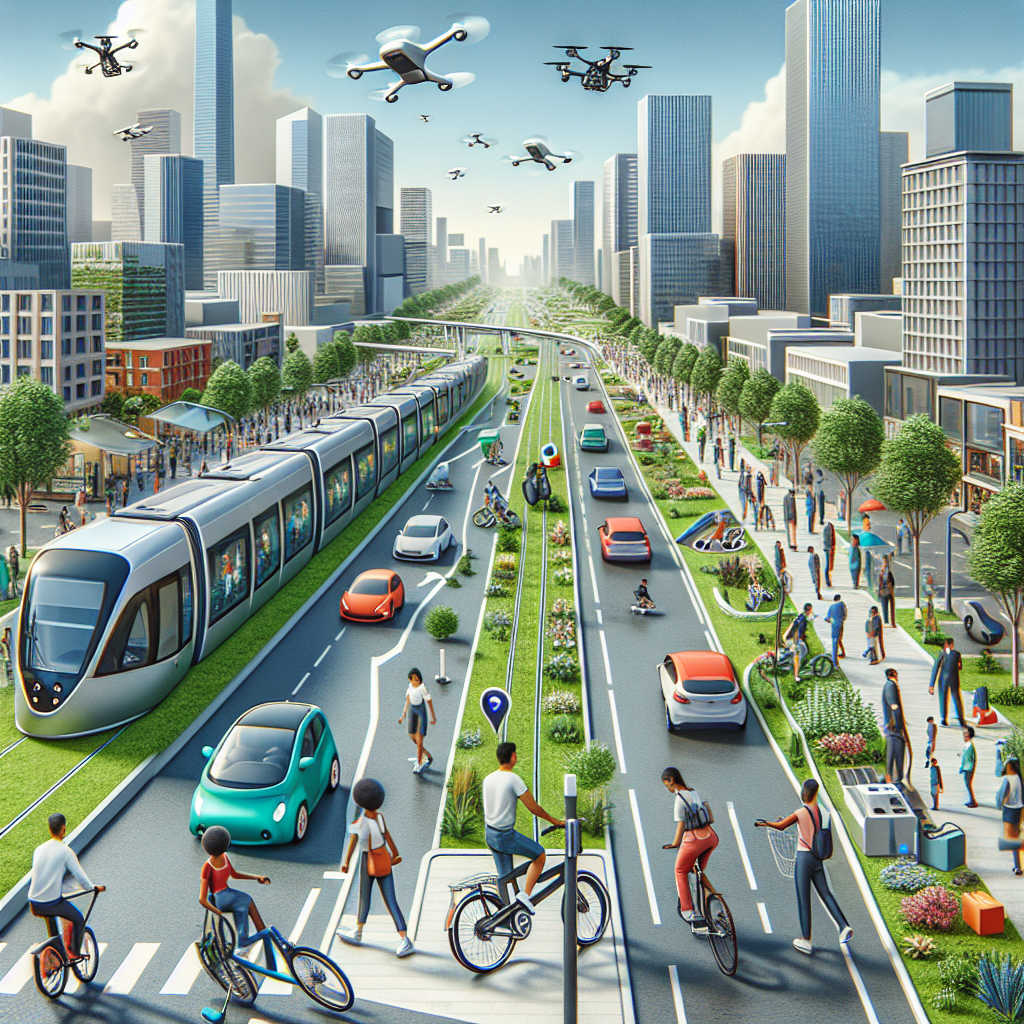
Transportation equity is essential for connecting residents to opportunities. Developing efficient and affordable public transportation networks can help reduce the barriers that marginalized communities face in accessing jobs, education, and healthcare. Ensuring that transportation infrastructure is inclusive and accessible to all is key to promoting mobility and economic participation.
Community engagement and participatory planning are also critical for fostering social equity. Involving residents in the decision-making process helps ensure that urban development projects align with the needs and aspirations of the community. This collaborative approach can lead to more inclusive and sustainable outcomes.
Case Studies: Success Stories in Sustainable Urban Development
Several cities worldwide are excelling in sustainable urban development and setting examples for others to follow. One notable example is Copenhagen, Denmark. The city has long been committed to green urban planning and social equity. Copenhagen is renowned for its extensive bicycle infrastructure, which not only promotes environmental sustainability but also provides affordable and accessible transportation options for all residents.
Medellín, Colombia, is another city that has made significant strides in urban development with a focus on social equity. The city implemented the “Metrocable” system, a network of cable cars designed to connect low-income neighborhoods in the hills with the city center. This innovative transportation solution has improved access to jobs and services and has fostered social inclusion.
In the United States, Portland, Oregon, has embraced sustainability and social equity through various initiatives. The city has invested in green building practices, extensive public transportation networks, and policies to protect affordable housing. Portland’s emphasis on community involvement and equitable development has made it a model for other cities.
These case studies illustrate that sustainable urban development and social equity are achievable goals. By learning from these success stories and applying similar strategies, other cities can create inclusive and sustainable urban environments that benefit all residents.
Innovations in Urban Planning for Social Equity
Innovation in urban planning is crucial for addressing the ever-evolving needs of cities and their residents. Technological advancements and creative approaches are paving the way for more equitable urban development. For instance, “smart city” technologies use data and digital tools to improve urban services and infrastructure, enhancing the quality of life for all residents.
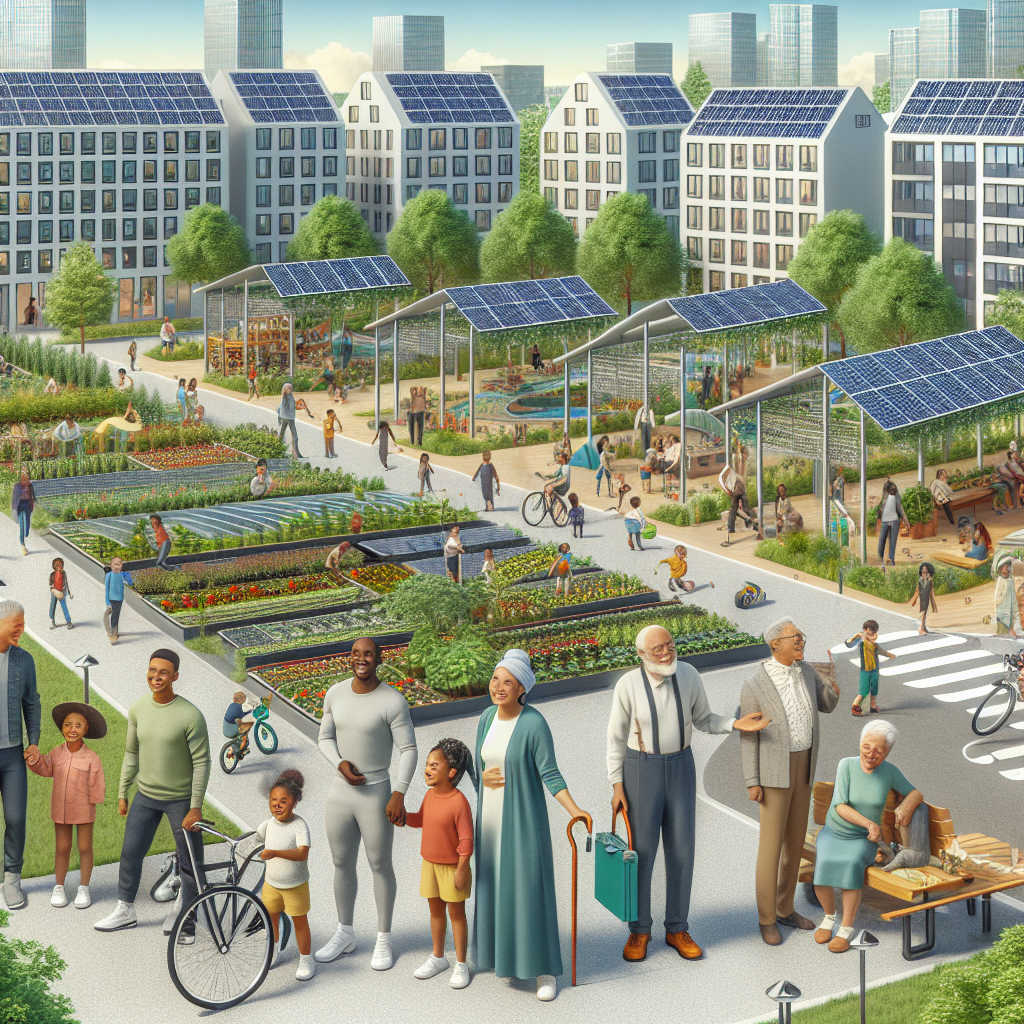
Inclusive urban design is another innovative approach that prioritizes creating spaces accessible to all. This involves designing public spaces, buildings, and transportation systems that accommodate the diverse needs of the population, including people with disabilities, the elderly, and children. Universal design principles ensure that urban environments are usable and enjoyable for everyone.
Participatory budgeting is a democratic innovation that allows residents to have a direct say in how public funds are allocated. By involving the community in budget decisions, cities can ensure that resources are directed towards projects and services that genuinely meet the needs of residents, promoting greater social equity.
Environmental justice initiatives are also gaining traction. These projects focus on addressing the disproportionate environmental burdens faced by marginalized communities. By prioritizing the cleanup of polluted areas, improving green spaces, and reducing exposure to environmental hazards, cities can create healthier and more equitable urban environments.
The Role of Policy and Governance in Sustainable Urban Development
Effective policy and governance are critical for advancing sustainable urban development and social equity. Governments at all levels must create and enforce policies that promote inclusivity and sustainability. This includes zoning laws that support mixed-use development, affordable housing requirements, and incentives for green building practices.
Collaborative governance models that involve multiple stakeholders, such as public-private partnerships, can enhance the effectiveness of urban planning initiatives. By leveraging the strengths of different sectors, cities can implement comprehensive solutions that address economic, environmental, and social challenges.
Equity-focused policies are vital for ensuring that marginalized communities benefit from urban development. This can include anti-discrimination laws, minority business support programs, and initiatives to reduce income inequality. Policies that prioritize underserved neighborhoods can lead to more balanced and inclusive urban growth.
Transparency and accountability in governance are also crucial. Open government practices, such as public access to planning documents and decision-making processes, empower residents to participate in urban development. This transparency fosters trust and ensures that urban planning efforts are aligned with the community’s best interests.
Conclusion
Sustainable urban development and social equity are essential components of creating thriving, resilient cities. By prioritizing environmental, economic, and social sustainability, urban planners and policymakers can foster communities where all residents have the opportunity to succeed and enjoy a high quality of life.
Addressing the challenges of social equity requires a multifaceted approach that includes affordable housing policies, improved access to education and healthcare, equitable transportation networks, and active community engagement. Innovative urban planning practices, supported by robust policies and collaborative governance, can drive meaningful change.
The success stories of cities like Copenhagen, Medellín, and Portland demonstrate that sustainable and inclusive urban development is possible. By learning from these examples and adapting strategies to local contexts, cities worldwide can make significant strides towards achieving social equity and sustainability.
Ultimately, the goal of sustainable urban development is to create cities that are not only environmentally sound but also just and inclusive. By aligning urban planning practices with the principles of social equity, we can build urban environments that support the well-being and prosperity of all residents, now and in the future.
Frequently Asked Questions
1. What is sustainable urban development and why is it important?
Sustainable urban development is a comprehensive approach to designing and managing urban spaces in a way that supports both environmental sustainability and social well-being. It acknowledges the need to balance economic growth with the preservation of natural resources, all while enhancing the quality of life for all residents. As urban populations continue to grow, cities face increased pressure on infrastructure, resources, and services. Sustainable urban development aims to address these challenges through methods like resource-efficient buildings, public transportation systems, green spaces, and waste management strategies that reduce pollution and carbon footprints.
Its importance stems from the need to build resilient urban centers capable of withstanding environmental changes, such as climate change, and socio-economic disruptions. Furthermore, fostering a socially equitable urban environment ensures that all community members, regardless of their economic status, race, or ethnicity, have equal access to resources, opportunities, and benefits that come with urban living. Urban environments that prioritize sustainability and equity help create thriving societies where people can lead healthier, more productive lives.
2. How does social equity fit into sustainable urban development?
Social equity is a fundamental component of sustainable urban development because it ensures that all individuals and communities have fair access to the benefits of urban life. This includes access to affordable housing, quality education, healthcare, and employment opportunities, as well as safe public spaces and reliable public transit. Social equity recognizes the diverse needs and potential barriers that different groups might face within urban areas.
Incorporating social equity into urban planning involves deliberate actions to address inequalities and provide inclusive opportunities for all community members. This could mean policies that support community-driven development, initiatives targeting affordable housing, or providing accessible services to underserved neighborhoods. By ensuring equitable access to resources, cities can sustain social cohesion and foster inclusive growth that benefits everyone, not just a privileged few.
3. What are the common strategies used to ensure sustainable urban development and social equity?
Several strategies are employed to ensure sustainable urban development and promote social equity:
- Green Infrastructure: Utilizing green spaces, urban forests, and water-management systems that mimic natural processes to improve the urban environment while reducing pollution and enhancing biodiversity.
- Public Transportation: Expanding and improving public transit options to reduce reliance on personal vehicles, thereby cutting emissions and increasing mobility for all residents, including those who cannot afford cars.
- Mixed-Use Development: Promoting neighborhoods that blend residential, commercial, and recreational spaces to reduce commuting times, improve access to services, and encourage local economic growth.
- Affordable Housing: Implementing policies and programs that provide affordable living options to lower-income households, ensuring diversity and inclusivity within urban centers.
- Community Engagement: Involving community members in the planning process to ensure that development projects reflect the needs and aspirations of all residents, ultimately leading to greater buy-in and more equitable outcomes.
These strategies, when integrated into urban planning, help create cities that are not only sustainable in terms of resource use but equitable in offering opportunities and benefits to all citizens.
4. Can you provide examples of cities successfully integrating sustainable urban development and social equity?
Many cities around the world have set benchmarks for integrating sustainable urban development and social equity. For instance:
- Curitiba, Brazil: Known for its innovative public transit system and commitment to urban green spaces, Curitiba prioritizes sustainability and social inclusivity by ensuring accessible transportation that connects all areas of the city, encouraging social interaction and economic participation from all communities.
- Copenhagen, Denmark: This city is often cited for its commitment to carbon neutrality and extensive bike infrastructure. Copenhagen’s approach includes policies that promote social housing projects and cultural integration, ensuring that sustainability efforts benefit all social groups.
- Portland, USA: With a comprehensive urban growth boundary that limits urban sprawl and supports compact urban design, Portland focuses on maintaining vibrant, livable communities with strong local economies and equitable access to green spaces and public services.
These cities demonstrate that sustainable urban development can be achieved while consciously addressing social equity, setting a model for others to follow in creating more inclusive and resilient urban environments.
5. What are the challenges to achieving sustainable urban development and social equity?
Achieving sustainable urban development and social equity poses numerous challenges, including:
- Resource Limitations: Financial constraints can hinder the implementation of sustainable and equitable projects, especially in cities with limited budgets or those reliant on unstable economic systems.
- Political Will: Without strong leadership and commitment from policymakers to prioritize sustainability and equity, projects can stall, leading to uncoordinated or ineffective urban planning efforts.
- Infrastructural Constraints: Existing infrastructures in many cities may not support new technologies or methods required for sustainable development, necessitating significant upgrades or overhauls.
- Public Resistance: There can be reluctance or opposition from residents to new policies or lifestyle changes, especially if they are perceived as inconvenient or unfairly impacting certain groups.
- Balancing Short- and Long-Term Goals: Making decisions that strike the right balance between immediate needs and future sustainability can be complex, especially when pressures for quick economic returns are intense.
By addressing these challenges through comprehensive planning, stakeholder engagement, and continuous innovation, cities can work towards truly sustainable and equitable urban development.