As cities around the world continue to grow, the challenge of ensuring food security becomes ever more pressing. Urban agriculture, the practice of cultivating, processing, and distributing food within an urban environment, has emerged as a feasible solution to this problem. Unlike traditional agriculture, which is often located in rural areas far from city boundaries, urban agriculture brings food production closer to where people live. This proximity can alleviate various forms of food insecurity, which involves not just the availability of food but also access, utilization, and the stability of the food supply.
Food security is a multifaceted issue. It’s not only about having enough food but also having the right kinds of food that support a healthy diet. Moreover, it’s about ensuring that this food is available, accessible, and affordable to everyone at all times. With urban areas expected to host up to 68% of the world’s population by 2050, we must look towards innovative solutions like urban agriculture to meet these requirements. From community gardens and rooftop farms to hydroponic and aquaponic systems, urban agriculture presents multiple avenues to improve food security.
This article explores the impact of urban agriculture on food security, delving into its benefits, challenges, and potential to transform urban landscapes into more sustainable and resilient communities. Whether through individual backyard gardens or community initiatives, the promise of urban agriculture is vast. It not only addresses food security but also enriches urban biodiversity, reduces food deserts, and fosters a sense of community. Here’s a comprehensive look at how urban agriculture can pave the way for a more food-secure future.
Enhanced Access to Fresh Produce
One of the most notable benefits of urban agriculture is its ability to provide immediate access to fresh produce. In many urban areas, residents lack access to necessary fruits and vegetables due to the prevalence of food deserts—areas where it’s difficult to purchase affordable, high-quality fresh food. Urban agriculture bridges this gap by making fresh produce readily available within city limits, reducing the travel time and costs associated with getting fresh food to urban homes.
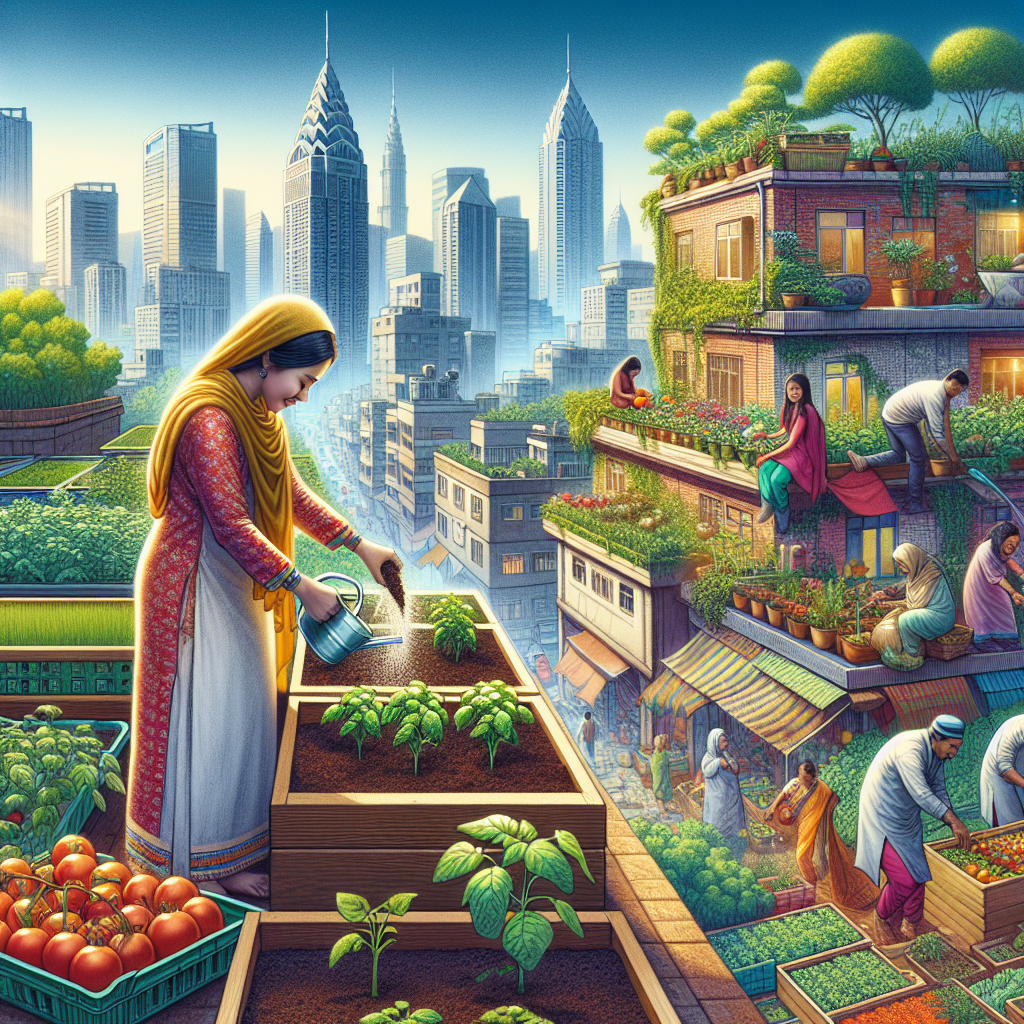
Community gardens and urban farms serve as local sources of fresh fruits and vegetables, enabling urban residents to enjoy healthier diets without having to rely solely on conventional grocery stores. These urban agricultural initiatives often grow varieties of produce that reflect the cultural preferences of the community, thus ensuring that the available foods are not only fresh but also desirable and culturally appropriate.
Moreover, direct access to fresh produce reduces food miles—the distance food travels from farm to table—thereby lowering carbon emissions associated with transportation. Reduced food miles also translate into fresher produce with higher nutritional value, as fruits and vegetables lose nutrients over time. Therefore, urban agriculture doesn’t just fill your plate; it uplifts your health and well-being.
Contribution to Local Economies
Urban agriculture plays a significant role in supporting local economies. By creating jobs and generating revenue, it fosters economic resilience within communities. Small-scale urban farms can become profitable enterprises that provide employment opportunities, especially for low-income residents who might struggle to find work elsewhere. Additionally, farmers’ markets, which often feature produce from urban farms, stimulate local economies by keeping money within the community.
These markets and small businesses can motivate a circular economy, where resources are continually reused and cycled through the local community. This local focus can make cities less reliant on external food sources, which is crucial for maintaining food security during times of economic instability or global crises. Enhanced local food production translates to more predictable and stable food prices, reducing the economic burden on urban residents.
Besides stimulating economic growth through direct sales of produce, urban agriculture projects often receive grants and subsidies from governments and non-governmental organizations aiming to promote sustainability and food security. These financial injections further bolster the viability and sustainability of urban agricultural ventures, ensuring they can grow and thrive over time.
Environmental Benefits
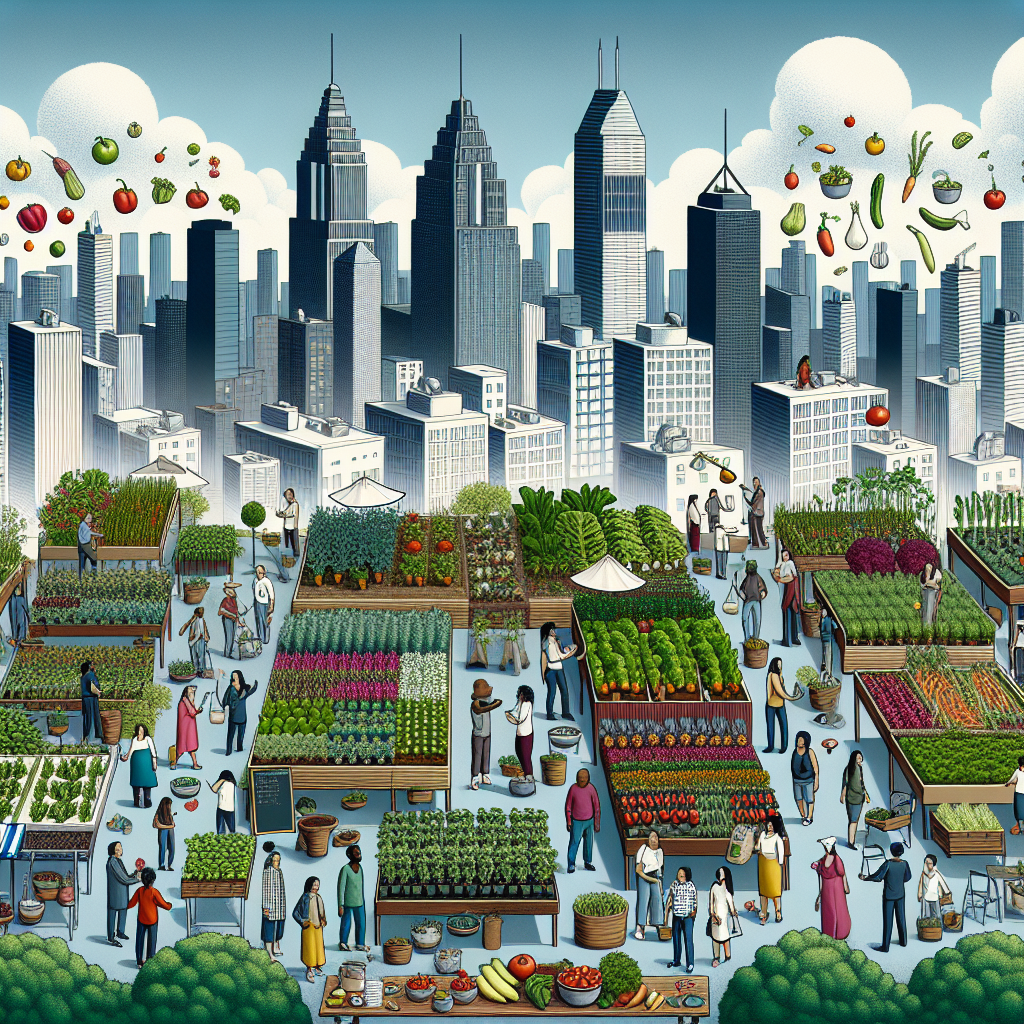
Another compelling reason for embracing urban agriculture is its positive impact on the environment. Traditional agriculture often leads to deforestation, soil degradation, and water depletion. Urban agriculture, on the other hand, utilizes urban spaces such as rooftops, vacant lots, and vertical spaces, thus significantly reducing the pressure on rural ecosystems.
Urban farms and gardens can also enhance air quality and mitigate the urban heat island effect. Plants absorb carbon dioxide and release oxygen, contributing to cleaner air. Green roofs and walls can lower temperatures in densely populated urban areas, reducing the need for energy-intensive air conditioning systems and thus lowering greenhouse gas emissions.
Furthermore, urban agriculture promotes organic farming practices and minimizes the use of chemical pesticides and fertilizers, reducing the run-off of harmful substances into water bodies. Water-efficient farming techniques like hydroponics and aquaponics become especially relevant in an urban setting where water resources may be limited.
Social and Community Benefits
Beyond the tangible economic and environmental advantages, urban agriculture also enriches the social fabric of communities. Community gardens and urban farms are not just about growing food; they’re about growing connections. These communal spaces create opportunities for social interaction, fostering a sense of community, mutual support, and engagement.
Urban agriculture can be a catalyst for community development, bringing together people of different ages, backgrounds, and cultures. These spaces often become hubs for educational activities, where community members can learn about sustainable farming practices, nutrition, and environmental stewardship. Engaging in urban agriculture projects can also improve mental health by providing a sense of purpose, reducing stress, and encouraging physical activity.
Moreover, these shared spaces can promote a sense of ownership and pride among participants, empowering community members to take an active role in addressing food insecurity and other local issues. By working together, urban residents can create more resilient and self-sufficient communities.
Challenges and Limitations
Despite its numerous benefits, urban agriculture also faces various challenges and limitations that need to be addressed to maximize its potential. One of the primary challenges is the lack of available land in densely populated urban areas. Competing land uses and high property prices can make it difficult to secure space for urban farming initiatives.
Additionally, urban agriculture projects often face bureaucratic barriers, including zoning restrictions and regulatory hurdles. Securing the necessary permits and approvals can be a complex and time-consuming process, deterring potential urban farmers from starting their projects.
Another limitation is the potential contamination of urban soils with heavy metals and other pollutants, which can pose health risks. Addressing soil contamination requires careful site selection and the implementation of soil testing and remediation measures. Urban agriculture projects must also consider the availability and quality of water sources, as well as the potential impact of urban pollution on crop safety.
Conclusion
In summary, urban agriculture represents a transformative approach to addressing food security in our growing cities. By providing immediate access to fresh produce, supporting local economies, and offering environmental and social benefits, urban agriculture has the potential to create more sustainable and resilient urban communities. While challenges such as land availability, regulatory barriers, and soil contamination must be addressed, the benefits of urban agriculture far outweigh its limitations.
As we look towards the future, it is essential for policymakers, urban planners, and community leaders to recognize the value of urban agriculture and integrate it into the broader framework of urban development. Investment in urban agriculture can yield significant returns in terms of food security, environmental sustainability, and community well-being.
By working together to promote and support urban agriculture initiatives, we can ensure that our cities are not only places of economic opportunity but also hubs of sustainable food production, thriving communities, and environmental stewardship. The journey to a food-secure future begins with the simple act of planting seeds in our urban landscapes.
Frequently Asked Questions
1. What is urban agriculture, and how does it contribute to food security?
Urban agriculture refers to the practice of cultivating, processing, and distributing food in or around urban areas. This can include a variety of activities such as growing vegetables in community gardens, raising chickens in backyard coops, or tending rooftop farms. Its contribution to food security is significant as it increases the local availability of fresh produce, reduces transportation costs and emissions, and strengthens the resilience of the food supply chain against disruptions.
When cities cultivate food locally, they’re less reliant on distant rural farms, reducing the vulnerability to global supply chain disruptions. Plus, urban agriculture encourages dietary diversity by providing city dwellers with easier access to a variety of fresh and affordable foods. It can also engage communities in sustainable practices, fostering a sense of responsibility and awareness about food sources and nutritional benefits.
2. How does urban agriculture improve access to nutritious food?
By situating food production in close proximity to urban consumers, urban agriculture directly tackles the issue of food deserts – areas with limited access to affordable and nutritious food. It not only provides a steady supply of fresh produce but also enables local residents to have more control over their food choices. Community gardens and urban farming initiatives often emphasize growing fruits and vegetables, increasing the availability of healthy options that might otherwise be scarce or expensive in certain neighborhoods.
Moreover, urban agriculture can be particularly beneficial for low-income populations. It reduces the cost of accessing nutritious food as distribution happens locally, cutting down on storage and transport costs that are often passed on to the consumer. By engaging the local population in the farming process, it also encourages healthier eating habits and self-reliance, as individuals learn about and contribute to food production.
3. What environmental benefits does urban agriculture offer?
Urban agriculture provides numerous environmental benefits that contribute to sustainability and urban resilience. Firstly, it enhances urban biodiversity by creating green spaces which attract and sustain different plant and animal species. This results in enriched local ecosystems and improved pollination processes essential for plant growth. Additionally, the use of techniques like composting reduces organic waste and recycles nutrients back into the soil, thus lowering carbon footprints.
Another key advantage is its role in climate mitigation. Urban farms act as carbon sinks, absorbing carbon dioxide and providing cleaner air. They also reduce the urban heat island effect, as vegetation naturally cools the surrounding environment. These green spaces can manage stormwater runoff more effectively than conventional urban infrastructure, reducing flooding risks and water pollution in cities.
4. How can urban agriculture empower local communities?
Urban agriculture can significantly empower local communities by fostering social inclusion and providing educational opportunities. It encourages community involvement in planning and farming activities, resulting in strong community ties and a shared sense of purpose. Programs that teach urban agriculture can offer valuable skills and training, leading to employment opportunities in the rapidly expanding green economy sector.
Additionally, urban farms and gardens can become centers for cultural exchange. They provide platforms where diverse groups come together to share traditional farming knowledge, cooking practices, and cultural heritage related to food. This inclusion can fortify social networks and empower marginalized community members by giving them a voice and a means to contribute meaningfully to local food systems.
5. What challenges does urban agriculture face, and how can they be addressed?
Despite its benefits, urban agriculture faces several challenges. Space is a primary concern, as urban areas are often densely populated with limited land available for farming. Innovative solutions such as vertical farming, aquaponics, and hydroponics can help maximize space utilization and increase productivity. Municipal policies can also be adjusted to allocate underused land to local farming initiatives.
Another challenge is securing funding and resources. Urban agriculture projects often require financial investment for start-up and maintenance. Public-private partnerships and community-supported agriculture (CSA) programs can provide necessary financial backing. Raising public awareness and engaging local municipalities can also ensure urban farming receives the support it needs.
Finally, there may be regulatory and bureaucratic hurdles, as urban zoning laws originally designed for other purposes might not accommodate or encourage urban agriculture. Cities can address these barriers by establishing clear, supportive policies and incentives for urban farming, ensuring it is a viable and sustainable component of urban planning.