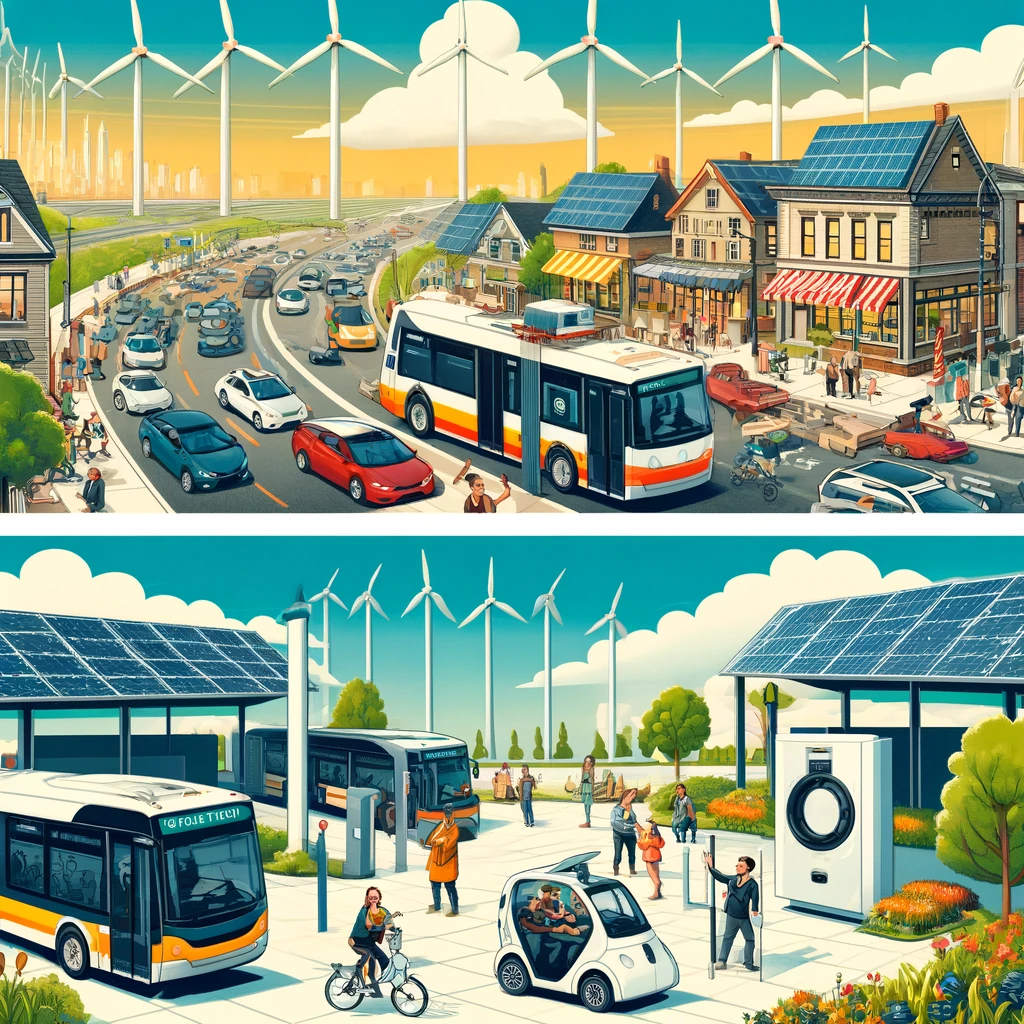
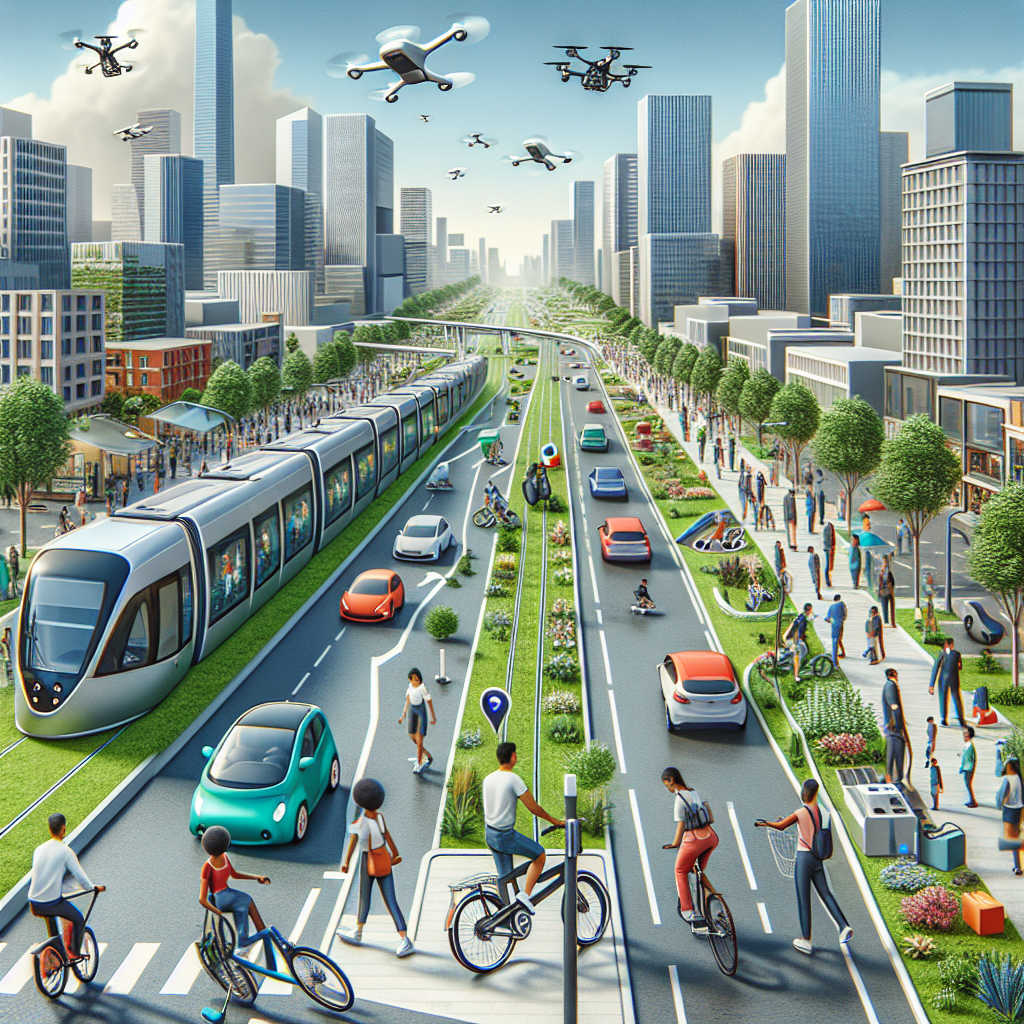
In an era where the consequences of climate change are becoming increasingly apparent, the need for sustainable urban development and a comprehensive energy transition has never been more critical. Cities, which are home to over half of the world’s population and significant contributors to greenhouse gas emissions, hold the key to combating climate change and fostering a more sustainable future. Sustainable urban development involves planning and designing cities that can efficiently meet the needs of current and future generations without compromising the health and vitality of natural ecosystems. This approach is intertwined with the energy transition—a fundamental shift from fossil fuels to renewable energy sources.
Efficient Urban Planning and Infrastructure
Urban planning and infrastructure development significantly shape the sustainability and resilience of a city. Efficient urban planning begins with a clear vision for sustainable growth, integrating land use, transport, and environment considerations. High-density, mixed-use developments should be encouraged to reduce sprawl and promote the efficient use of resources. Mixed-use developments allow residents to live, work, and play in close proximity, reducing the reliance on personal vehicles and encouraging public transportation, walking, and cycling. Furthermore, the design and renovation of buildings play a crucial role in sustainable urban development. Green buildings, which adhere to stricter energy efficiency standards and utilize sustainable materials, can drastically reduce energy consumption and greenhouse gas emissions. Incorporating green spaces within urban areas not only enhances the aesthetic appeal but also improves air quality, provides habitats for wildlife, and reduces the urban heat island effect.
Transition to Renewable Energy Sources
The energy transition is a cornerstone of sustainable urban development, involving a shift from fossil fuel-based energy systems to those that rely on renewable sources such as solar, wind, and hydropower. Decentralizing energy production through an increased focus on local renewable energy projects can make cities more resilient and self-sufficient. Solar panels on rooftops, small-scale wind turbines, and other forms of localized energy generation can significantly reduce a city’s carbon footprint. Energy storage solutions, such as batteries and pumped hydro storage, are essential for managing the intermittency of renewable energy sources, ensuring a reliable and consistent power supply. Cities should also invest in upgrading their electrical grids to support a higher share of renewable energy, incorporating smart grid technology to enhance energy efficiency and reliability.

Promoting Energy Efficiency and Conservation
Energy efficiency and conservation are critical components of the sustainable energy transition. By reducing overall energy demand and improving efficiency, cities can lower greenhouse gas emissions and reduce the strain on energy systems. Building codes and standards should mandate high levels of energy efficiency in new buildings and retrofitting existing structures. This can include improvements in insulation, the adoption of energy-efficient lighting and appliances, and the implementation of advanced heating and cooling systems. Smart technologies, such as automated energy management systems, can optimize energy use in buildings, reducing wastage and enhancing efficiency. Public awareness campaigns and incentives can encourage residents and businesses to adopt energy-saving practices and technologies, fostering a culture of conservation and sustainability.
Improving Public Transportation Systems
Transportation is one of the most significant contributors to urban greenhouse gas emissions. Therefore, improving public transportation systems is essential for sustainable urban development. Investing in reliable, efficient, and affordable public transit can reduce the number of private vehicles on the road, decreasing emissions and alleviating traffic congestion. Cities should prioritize the expansion of transit networks, ensuring comprehensive coverage and access for all residents. The integration of electric and hybrid buses, trams, and trains can further enhance the sustainability of public transportation systems, reducing their environmental impact. Additionally, promoting active transportation modes such as walking and cycling through the development of pedestrian-friendly infrastructure and extensive bike lanes can make cities healthier and more vibrant.
Implementing Smart City Technologies
Smart city technologies can play a vital role in achieving sustainable urban development and energy transition. These technologies leverage data and connectivity to enhance the efficiency and sustainability of urban systems and services. For instance, smart grids can optimize energy distribution and consumption, reducing waste and improving reliability. Intelligent transportation systems can manage traffic flow more effectively, minimizing congestion and lowering emissions. Sensors and data analytics can help monitor environmental conditions, enabling proactive measures to address pollution and other urban challenges. By integrating smart technologies into urban planning and management, cities can become more resilient and adaptive, capable of responding to evolving needs and challenges.
Community Engagement and Policy Support
Community engagement and supportive policies are crucial for the success of sustainable urban development and the energy transition. Public participation in urban planning can ensure that developments meet the needs and preferences of residents, fostering a sense of ownership and accountability. Educational programs and outreach initiatives can raise awareness about sustainability issues and encourage positive behavior change among community members. Policymakers play a pivotal role in shaping the framework for sustainable development, implementing regulations and incentives that promote green practices and technologies. Governments at all levels must collaborate to create an enabling environment for sustainable urban growth, leveraging resources and expertise to drive progress.
Conclusion
Sustainable urban development and energy transition are multifaceted challenges that require coordinated efforts across various sectors and stakeholders. By embracing efficient urban planning and green infrastructure, transitioning to renewable energy sources, promoting energy efficiency, enhancing public transportation, implementing smart city technologies, and fostering community engagement and policy support, cities can become more sustainable and resilient. The road to sustainable urban development is not without its challenges, but the benefits—improved quality of life, reduced environmental impact, and greater resilience to climate change—make it a necessary and worthwhile endeavor. Cities that prioritize sustainability can serve as models for others, demonstrating the potential for urban areas to thrive in harmony with the natural environment.
Frequently Asked Questions
1. What is sustainable urban development and why is it important?
Sustainable urban development refers to the creation and management of cities in a way that balances economic, social, and environmental goals. This concept is crucial because over half of the world’s population resides in urban areas, which are major sources of global greenhouse gas emissions. Sustainable urban development aims to create healthier living environments by promoting efficient use of resources, reducing pollution, enhancing the urban quality of life, and ensuring that development meets the needs of the present without compromising future generations. It’s important not just for mitigating climate change impacts but also for improving resilience against extreme weather events, reducing urban poverty, and promoting inclusive economic growth.
2. How does energy transition fit into sustainable urban development?
Energy transition is a fundamental component of sustainable urban development. It involves shifting from the traditional reliance on fossil fuels to more renewable and sustainable energy sources, such as solar, wind, and hydroelectric power. This transition is essential in reducing carbon footprints, lowering greenhouse gas emissions, and combating climate change. By adopting cleaner energy sources, cities can enhance energy efficiency, reduce air pollution, and promote the development of green infrastructure. This transition also includes innovations in energy storage, smart grids, and energy-efficient buildings, all of which contribute to making urban living more sustainable and cost-effective while fostering energy independence.
3. What are some challenges cities face in achieving sustainable urban development?
The journey to sustainable urban development is fraught with several challenges. Some of the most significant include rapid urbanization, which can outpace the development of infrastructure and services, leading to overcrowded and under-resourced cities. Financial constraints often limit the ability of cities to invest in sustainable technologies and infrastructure. Social equity issues can also arise, as there may be disparities in the access to green spaces, clean transportation, and affordable housing. Moreover, there is often a lack of political will and public awareness, which can stall necessary policy changes. Collaborating across sectors and levels of government, engaging community stakeholders, and leveraging technological advancements are crucial to overcoming these challenges.
4. How can individuals contribute to sustainable urban development and energy transition in their communities?
Individuals play a crucial role in promoting sustainable urban development and energy transition within their communities. One way is by adopting energy-efficient practices in their daily lives, such as using public transport, car-sharing, cycling, or walking instead of driving; conserving water and energy at home; and supporting local, sustainable businesses. Getting involved with local planning initiatives and advocating for policies that promote renewable energy, sustainable infrastructure, and green spaces is also key. Educating oneself and others about the benefits of sustainability can cultivate a culture of environmental responsibility. Every small action counts, and collectively, these efforts can drive significant positive changes in urban environments.
5. What technological advancements are most promising for sustainable urban development and energy transition?
There are a multitude of technological advancements driving sustainable urban development and energy transition. Smart grid technology is making energy distribution more efficient and reducing losses. Innovations in solar panel and wind turbine technology continue to make renewable energy more affordable and accessible. The development of energy storage solutions, such as advanced batteries, enables greater use of renewable energy by storing excess power for use when production is low. Electric vehicles (EVs) are becoming more widespread, reducing urban air pollution. Internet of Things (IoT) applications in smart cities optimize resource use with intelligent systems for traffic, waste management, and energy usage. These technologies hold enormous potential for creating more sustainable and resilient urban environments, improving the quality of life for all urban residents while significantly reducing environmental impact.