Urban sustainability is a cornerstone of modern urban planning, aiming to meet the needs of present and future generations through the integration of economic, social, and environmental goals. One of the most groundbreaking technological advancements that support this mission is the use of Digital Twins.
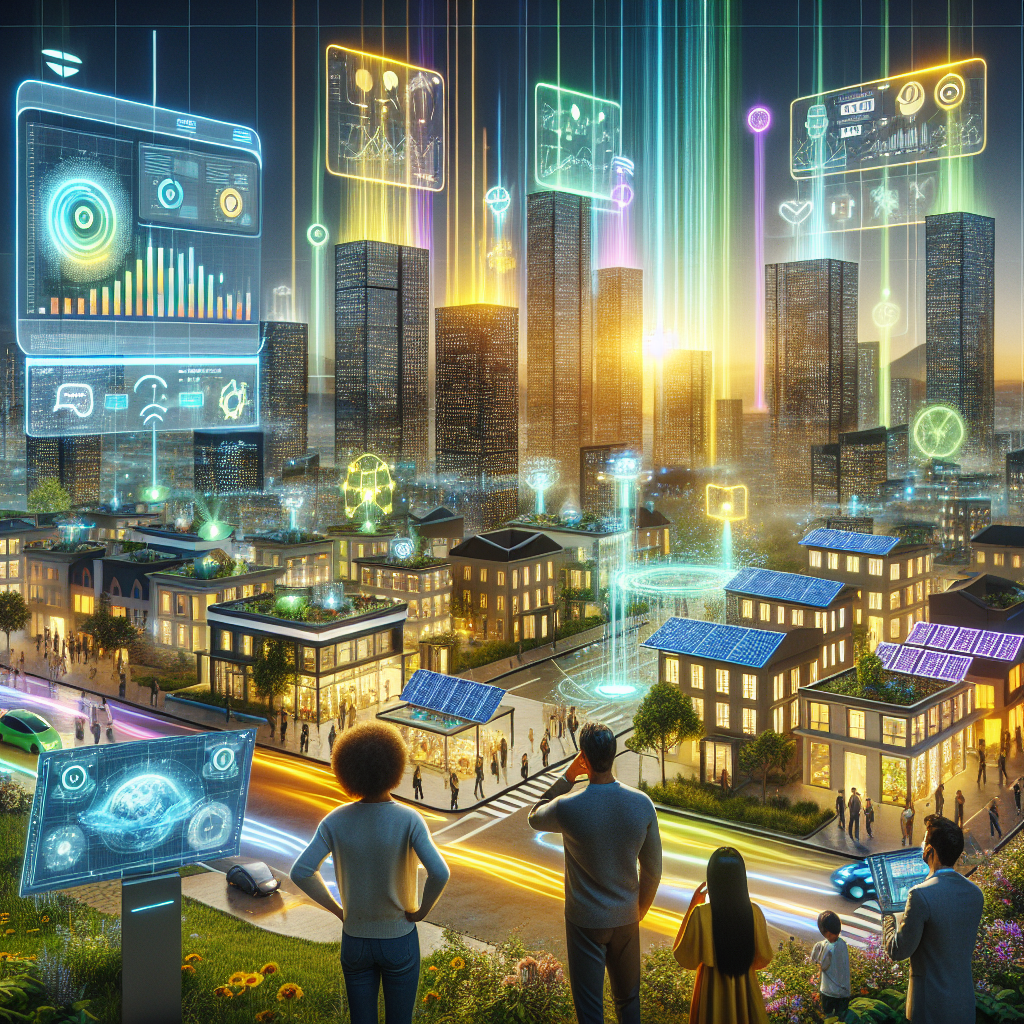
At its core, a Digital Twin is a virtual replica of a physical entity, leveraging data, machine learning, and IoT (Internet of Things) to simulate, predict, and analyze real-world processes. In the context of urban development, these twins can represent entire cities, neighborhoods, or individual infrastructure components, offering insights that guide sustainable practices.
This technology is not merely theoretical; it’s already being implemented in various urban centers around the world, revolutionizing how we plan, build, and maintain our urban environments. However, understanding the potential of Digital Twins requires a deeper dive into its practical applications, benefits, and challenges within the framework of urban sustainability.
In this article, we’ll explore how Digital Twins are shaping the future of urban sustainability by delving into six critical areas. We’ll examine their role in resource management, urban planning, resilience against climate change, transportation efficiencies, community engagement, and maintaining infrastructure.
Resource Management
Efficient resource management is a significant pillar of sustainable urban development. Digital Twins offer a powerful tool for optimizing the use and distribution of resources such as water, electricity, and waste management. By creating precise, real-time models of these resources, city planners and managers can forecast demand, identify inefficiencies, and devise data-driven strategies to reduce consumption and waste.
For instance, in the realm of energy management, Digital Twins can simulate the energy consumption patterns of buildings and public spaces. By analyzing these patterns, cities can identify peak usage times, predict future energy needs, and implement measures to enhance energy efficiency, such as smart grid technology and renewable energy sources.
Water management also benefits significantly from Digital Twins. By modeling water usage and distribution, cities like Singapore have already managed to minimize water wastage and optimize their water supply systems. These models help detect leaks, forecast water demand, and plan for extreme weather events such as droughts or floods.
In waste management, Digital Twins can track the lifecycle of waste from generation to disposal, helping cities design more efficient recycling and waste reduction programs. This real-time tracking can also reduce operational costs associated with waste management, making it easier for cities to maintain a clean and sustainable environment.
Urban Planning
Urban planning is another area where Digital Twins are making a substantial impact. Traditional urban planning methods often rely on static models and historical data, which can be outdated and inflexible. Digital Twins, however, provide dynamic, real-time representations that allow for more adaptive and forward-looking planning processes.
A Digital Twin of an urban area can integrate various data sources, such as traffic patterns, population growth, environmental conditions, and economic activities. This integration enables planners to run multiple scenarios and simulations, helping them to understand the potential impacts of different development plans and to make more informed decisions.
Consider the example of traffic management. By simulating traffic flow and congestion, Digital Twins can aid in the design of more efficient transportation networks and the optimization of public transit routes. Cities can test various infrastructure changes virtually before implementing them in the real world, minimizing disruptions and maximizing efficiency.
Furthermore, Digital Twins enable more citizen-centric urban planning. By incorporating feedback from the community and real-time data, planners can ensure that new developments meet the needs and preferences of residents. This participatory approach fosters a greater sense of ownership and collaboration between the city and its inhabitants.

Climate Resilience
Climate resilience is a critical aspect of sustainable urban development, and Digital Twins play a pivotal role in preparing cities for the impacts of climate change. By modeling climate-related scenarios, such as rising temperatures, sea-level rise, and extreme weather events, Digital Twins can help cities to identify vulnerabilities and develop strategies to enhance their resilience.
For example, cities like Copenhagen and New York have utilized Digital Twins to model the effects of storm surges and heavy rainfall. These models enable cities to design effective flood defense systems, optimize drainage infrastructure, and create emergency response plans that mitigate the risks posed by extreme weather events.
Additionally, Digital Twins can simulate the urban heat island effect, where cities experience higher temperatures than surrounding rural areas due to dense construction and human activities. By analyzing these heat patterns, cities can implement cooling strategies such as green roofs, urban forests, and reflective building materials to reduce heat absorption and lower overall temperatures.
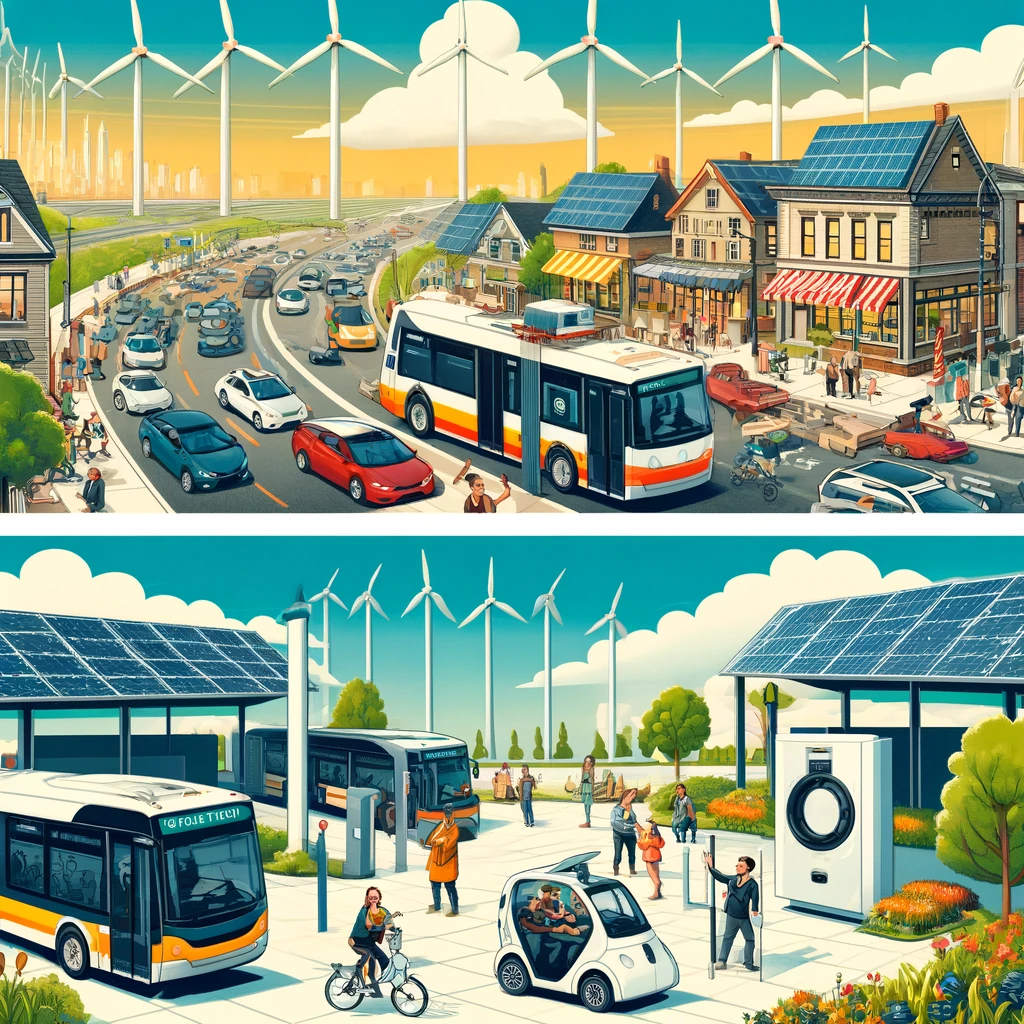
Climate resilience also extends to energy systems. By integrating renewable energy sources into Digital Twins, cities can assess the feasibility and impact of solar panels, wind turbines, and other sustainable energy options. This foresight allows cities to transition towards more resilient and carbon-neutral energy systems, reducing their environmental footprint.
Transportation Efficiencies
Transportation is a major contributor to urban pollution and carbon emissions. Digital Twins can revolutionize transportation planning and management by providing real-time insights into traffic conditions, public transit usage, and infrastructure performance.
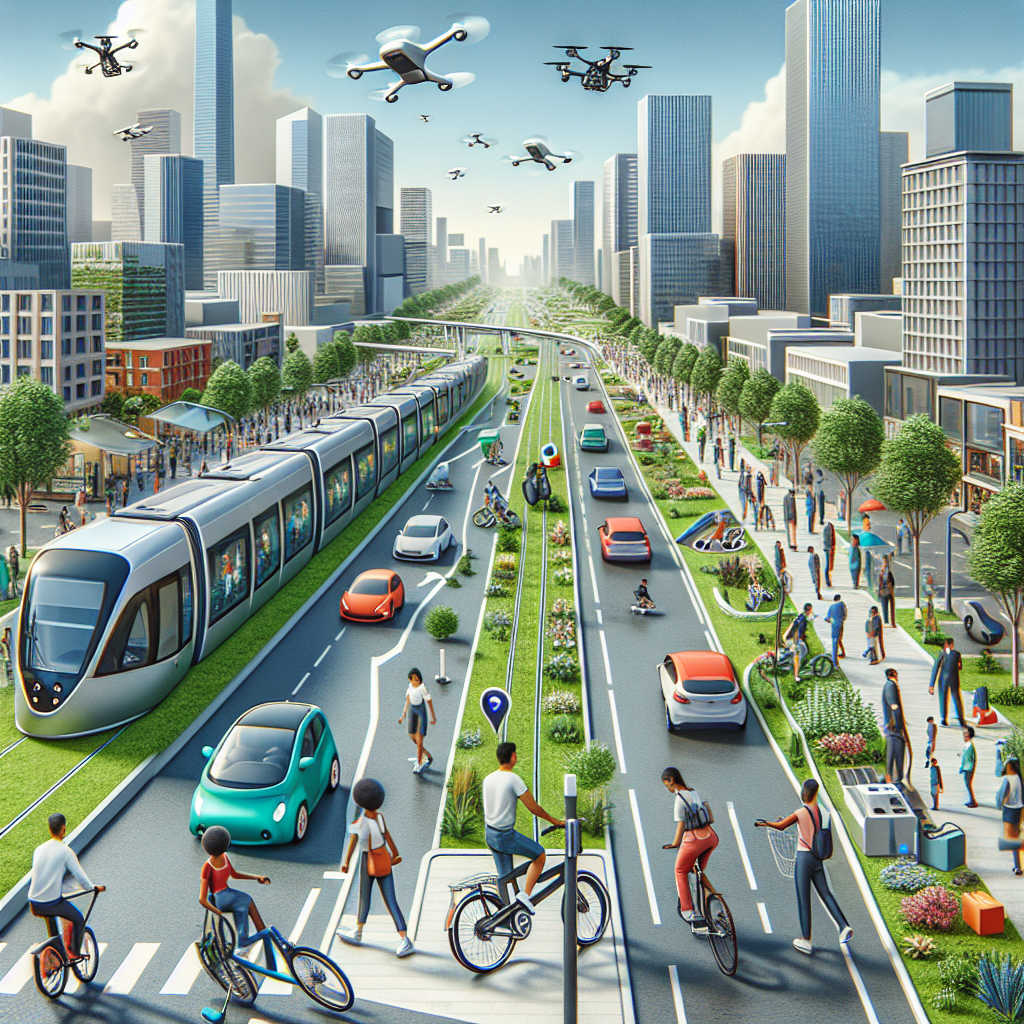
By simulating traffic flow, Digital Twins help cities design more efficient road networks and reduce congestion. For instance, Digital Twins can be used to test the impact of implementing dedicated bus lanes, bike-sharing programs, and pedestrian zones on traffic patterns. This data-driven approach enables cities to make transportation systems more efficient and less polluting.
Public transit systems also benefit greatly from Digital Twins. By analyzing passenger flow and transit schedules, cities can optimize routes, reduce wait times, and improve the overall reliability of public transportation. This not only enhances the convenience of public transit but also encourages more people to use it, thereby reducing the number of private cars on the road.
Moreover, Digital Twins can support the development of autonomous and connected vehicles. By creating virtual testing environments, cities can evaluate the safety, performance, and integration of these advanced transportation technologies into existing infrastructure. This testing phase helps ensure that new transportation technologies are deployed safely and effectively.
Community Engagement
An often overlooked but essential component of sustainable urban development is community engagement. Digital Twins can bridge the gap between city planners and residents by providing interactive and transparent platforms for communication and collaboration.
By visualizing urban projects in a digital format, residents can better understand proposed changes and their potential impacts. This transparency fosters trust and encourages community involvement in the planning process. For example, Digital Twins can be used to create virtual tours of new developments, allowing residents to provide feedback and suggestions before construction begins.
Furthermore, Digital Twins can be integrated with mobile applications and platforms that enable residents to report issues, such as potholes, broken streetlights, or overflowing bins, in real-time. This real-time reporting helps city authorities address issues promptly and enhances the overall quality of urban living.
Educational initiatives can also benefit from Digital Twins. By creating virtual representations of historical and cultural landmarks, cities can promote awareness and appreciation of local heritage. These educational tools serve as valuable resources for schools, community groups, and tourists, enriching their understanding of the city’s history and culture.
Maintaining Infrastructure
Maintaining urban infrastructure is a challenging but essential aspect of sustainable development. Digital Twins can streamline maintenance processes by providing predictive insights and efficient resource allocation.
By continuously monitoring the condition of infrastructure elements such as bridges, roads, and public buildings, Digital Twins can predict when maintenance is needed before issues become critical. This predictive maintenance approach extends the lifespan of infrastructure and reduces downtime and repair costs.
For instance, Digital Twins can monitor the structural health of bridges in real time, detecting stress points and potential weaknesses. This early detection allows for timely repairs, preventing catastrophic failures and ensuring the safety of users. Similarly, regular monitoring of road conditions can help schedule maintenance activities during off-peak times, minimizing traffic disruptions.
Additionally, Digital Twins can improve the efficiency of utilities such as water and sewage systems. By tracking usage patterns and identifying leaks or blockages, cities can implement targeted maintenance programs that ensure continuous and reliable service to residents.
The integration of asset management systems with Digital Twins also facilitates the efficient allocation of resources and budget planning. By prioritizing maintenance activities based on real-time data, cities can optimize their maintenance strategies and ensure that infrastructure investments are made in the most impactful areas.
Conclusion
The role of Digital Twins in urban sustainability is multi-faceted, encompassing resource management, urban planning, climate resilience, transportation efficiencies, community engagement, and maintaining infrastructure. As cities continue to grow and evolve, the adoption of Digital Twins offers a powerful tool for creating smarter, more sustainable, and livable urban environments.
In conclusion, the implementation of Digital Twins is not just a technological advancement but a paradigm shift in how we perceive and manage urban spaces. By leveraging real-time data and predictive analytics, cities can transition from reactive to proactive approaches in addressing urban challenges. The integration of Digital Twins in urban planning and sustainability efforts represents an innovative pathway towards achieving the long-term goals of sustainable development.
As we look to the future, it is clear that the cities that embrace Digital Twins will be better equipped to navigate the complexities of modern urbanization and climate change. By fostering collaboration, transparency, and efficiency, Digital Twins hold the promise of transforming urban landscapes into more resilient, sustainable, and vibrant places for all inhabitants.
Frequently Asked Questions
What is the role of Digital Twins in urban sustainability?
Digital Twins play a transformative role in urban sustainability by providing a comprehensive, data-driven approach to enhance urban environments. At its essence, a Digital Twin is an exact virtual model of a city or city sectors, mirroring the physical world in real-time using advanced data capture methods like IoT and machine learning. This virtual replication allows urban planners and city officials to monitor vast amounts of information about the city’s infrastructure, resources, and environment. By analyzing this data, cities can optimize processes like energy consumption, waste management, and traffic flow. This results in more sustainable urban growth, improved efficiency, and the ability to predict future urban challenges so they can be proactively addressed.
How do Digital Twins help in reducing energy consumption in cities?
Digital Twins contribute significantly to energy efficiency in urban areas by offering a detailed analysis of how energy is used across the city. They gather real-time data from sensors installed in buildings, streetlights, and public transport systems to map energy consumption patterns. With this data, cities can model scenarios to discover where energy savings can be made. For example, they can simulate the impact of switching to LED streetlights or optimize heating and cooling systems in public buildings. Additionally, Digital Twins can identify peak energy demands, allowing cities to better manage electricity usage and reduce reliance on non-renewable energy sources. Overall, these capabilities help in developing smart, energy-efficient grids that lower costs and promote sustainable city living.
Can Digital Twins help with urban planning and infrastructure resilience?
Absolutely! Digital Twins are invaluable in urban planning and infrastructure resilience. They enable city planners to visualize and test different urban development scenarios before implementing them in the real world. This includes the impacts of proposed changes to infrastructure or public spaces. For instance, Digital Twins can model the effects of new road constructions, public transport routes, or even new housing developments on traffic flows and pollution levels. On the resilience front, they play a crucial role in disaster preparedness by allowing simulations of natural disasters, such as floods or earthquakes, to test how urban infrastructure would withstand such events. This predictive capacity enables cities to enhance their resilience by planning necessary reinforcements or modifications in infrastructure to mitigate potential damage, ensuring urban sustainability and safety.
What are some examples of cities successfully using Digital Twins for sustainability?
Several pioneering cities have successfully implemented Digital Twins to advance sustainability goals. Singapore, for example, has developed ‘Virtual Singapore’, an intricate 3D city model that facilitates decision-making on urban development and environmental management. The platform allows for testing scenarios such as the effects of new housing on sunlight availability and use of public spaces. In Europe, the city of Helsinki has created a Digital Twin to tackle carbon emission reductions, helping to achieve its ambitious goal of carbon neutrality by 2035. Furthermore, Boston is using a Digital Twin for managing energy consumption in buildings, offering insights that lead to significant energy savings. These examples demonstrate that when effectively leveraged, Digital Twins are powerful tools for city governments aiming to enhance urban sustainability and create smarter, more livable cities.
What challenges do cities face when implementing Digital Twins?
While the potential of Digital Twins in fostering urban sustainability is vast, there are several challenges cities encounter in their implementation. One major hurdle is data management; Digital Twins require large volumes of real-time data, necessitating robust data infrastructure and analytics capabilities which can be costly and complex. Ensuring data privacy and security is also a concern since a Digital Twin gathers sensitive information about cities and their residents. Another challenge is interoperability, as integration between existing city systems and new Digital Twin platforms may pose technical difficulties. Additionally, there is a skills gap where city officials and stakeholders need appropriate knowledge and expertise to leverage these advanced technologies effectively. Overcoming these challenges requires investing in the right technology, policy alignment, public engagement, and capacity building to fully realize the benefits of Digital Twins in urban sustainability.