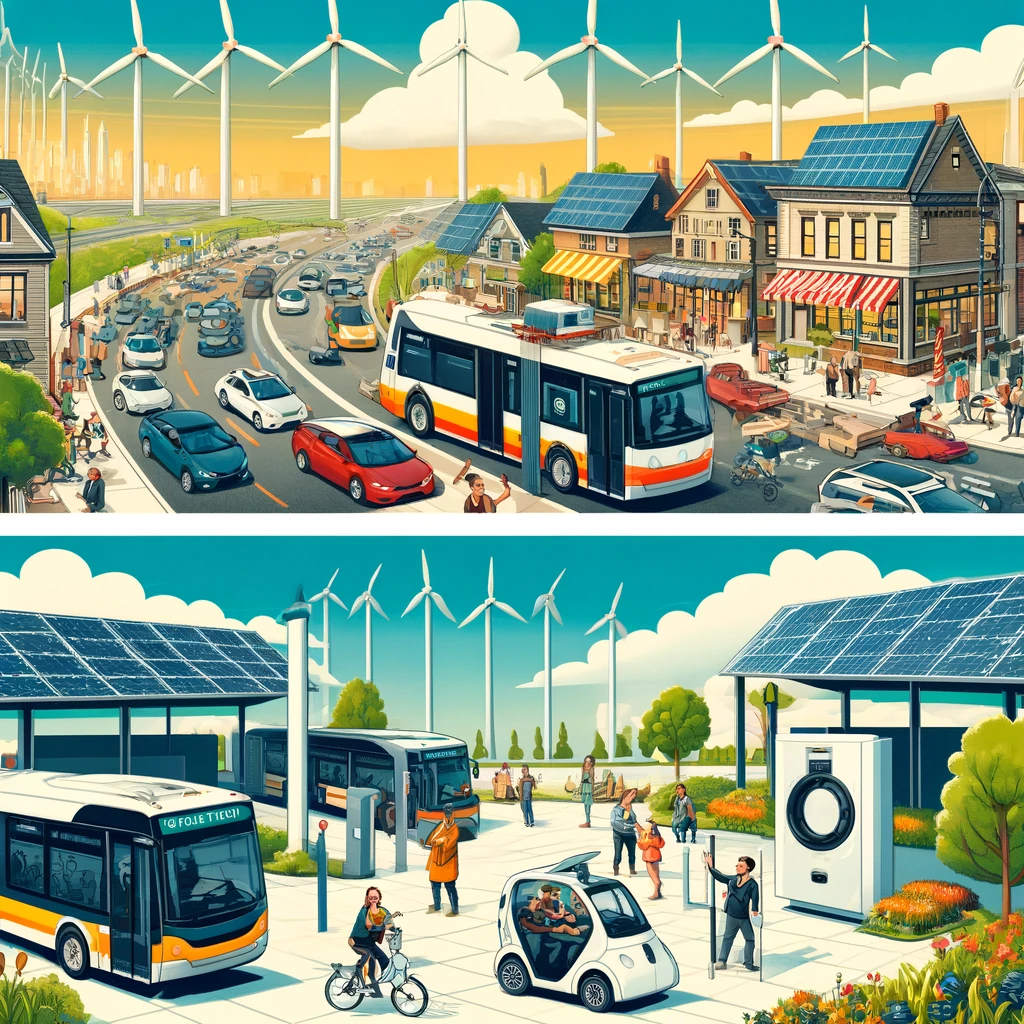
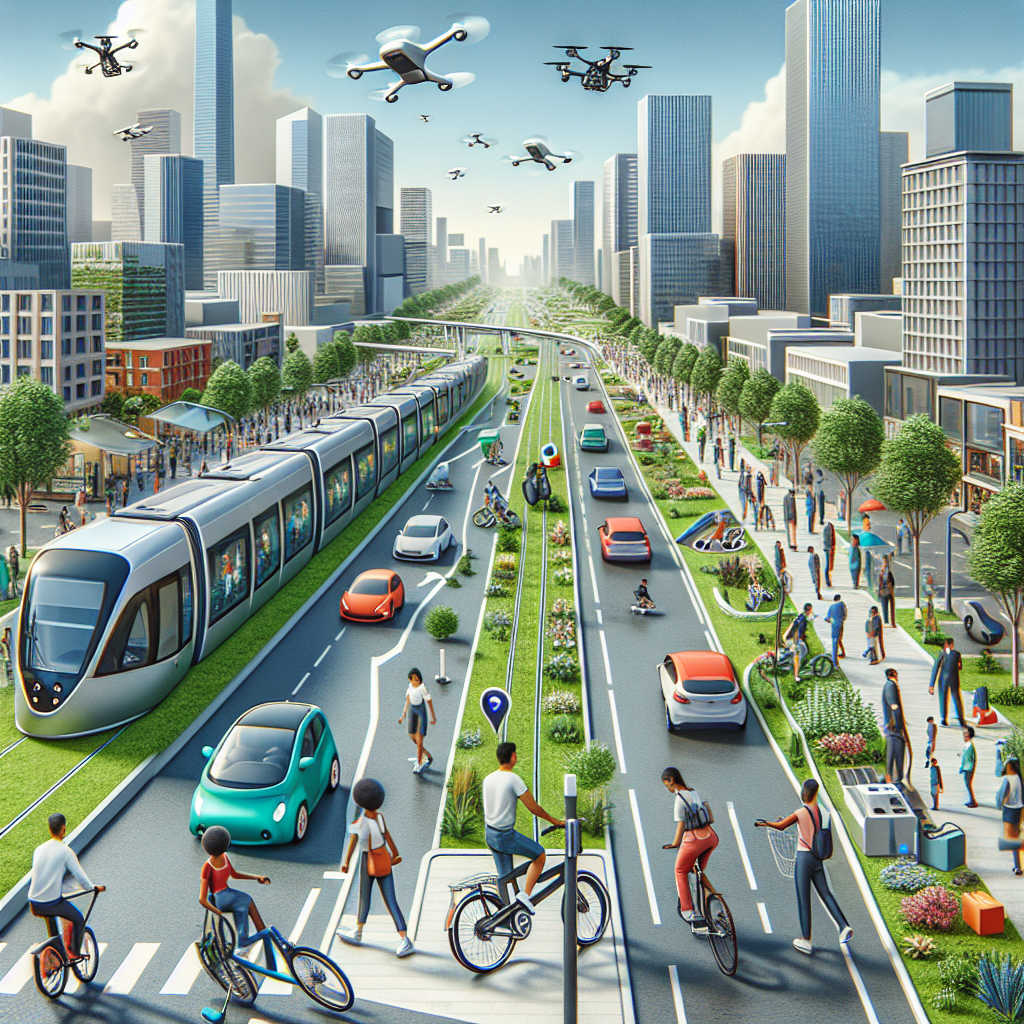
Urbanization is a double-edged sword. On one end, it provides opportunities for economic growth, improved infrastructure, and better access to services. On the other end, if not managed responsibly, it leads to urban sprawl, increased pollution, and social disparities. Sustainable urban development seeks a balance between these extremes, emphasizing the need to create cities that are habitable, equitable, and resilient. Environmental justice is an integral part of this equation, focusing on the fair distribution of environmental benefits and burdens among all communities, particularly marginalized and underserved populations.
As cities continue to grow, the challenge is to design urban environments that support both the ecological and social fabric of societies. It’s not just about greening city spaces or utilizing renewable energy, but ensuring that every resident, regardless of socioeconomic status, enjoys the benefits of a sustainable city. This means addressing the historical injustices that have often placed disenfranchised communities on the front lines of environmental hazards.
In this article, we will delve into the core principles of sustainable urban development and explore how it intersects with environmental justice. We will also highlight real-world examples of cities that have successfully integrated these principles. Finally, we will discuss practical steps that urban planners, policymakers, and residents can take to foster more just and sustainable urban areas.
Understanding Sustainable Urban Development
Sustainable urban development is about creating cities that are economically, environmentally, and socially sustainable. It involves a comprehensive approach that includes efficient resource management, renewable energy use, sustainable transportation, green building practices, and inclusive social policies. The goal is to foster urban environments where people can thrive without compromising the well-being of future generations.
One fundamental aspect of sustainable urban development is the efficient use of land. Compact cities with high-density, mixed-use neighborhoods reduce the need for extensive transportation networks, thus lowering carbon emissions and fostering more vibrant community life. Incorporating green spaces within urban areas is another crucial component. Green spaces improve air quality, enhance biodiversity, and provide residents with recreational areas that improve mental and physical health.
Moreover, sustainable urban development emphasizes the importance of using renewable energy sources. Solar and wind power, for instance, can significantly reduce a city’s carbon footprint. The incorporation of smart technologies, such as energy-efficient buildings and intelligent transportation systems, is also vital. These technologies help to minimize waste and optimize the use of resources.
However, for sustainable urban development to be truly effective, it must also address social equity. This means ensuring that all residents have access to affordable housing, quality education, healthcare, and job opportunities. Inclusivity is key, and this is where the concept of environmental justice comes into play.
The Role of Environmental Justice
Environmental justice is the fair treatment and meaningful involvement of all people, regardless of race, color, nationality, or income, with respect to the development, implementation, and enforcement of environmental laws, regulations, and policies. It aims to ensure that no group of people, particularly marginalized communities, bear a disproportionate share of negative environmental consequences.
Historically, low-income and minority communities have often been subjected to environmental hazards. These include exposure to air and water pollution, proximity to landfills and industrial sites, and lack of green spaces. These injustices are not only environmental issues but also social and health crises that disproportionately affect the most vulnerable populations.
Sustainable urban development must actively seek to rectify these disparities. Urban planners and policymakers need to engage with affected communities to understand their needs and perspectives. This participatory approach helps in developing solutions that are both effective and equitable.
Environmental justice also involves enforcing regulations that protect vulnerable communities from harmful practices. This means holding industries accountable for their environmental impact and ensuring that new developments do not exacerbate existing inequalities. Additionally, it includes providing resources and support to communities affected by environmental hazards to restore and revitalize these areas.

Case Studies in Sustainable Urban Development and Environmental Justice
Several cities around the world are leading the way in integrating sustainable urban development with environmental justice. One notable example is the city of Curitiba in Brazil. Curitiba’s urban planning focuses on efficient public transportation, ample green spaces, and inclusive social policies. The city’s pioneering bus rapid transit system reduces traffic congestion and air pollution while making transportation accessible to all residents, regardless of income.
Another exemplary city is Copenhagen, Denmark, which aims to become the world’s first carbon-neutral capital by 2025. Copenhagen emphasizes sustainable infrastructure, including extensive biking lanes and green roofs. The city also ensures that social equity is at the forefront of its initiatives, with affordable housing projects and community engagement programs to involve residents in the decision-making process.
In the United States, the city of Portland, Oregon, has made significant strides in promoting both sustainability and environmental justice. Portland’s climate action plan includes measures to reduce greenhouse gas emissions, increase renewable energy use, and enhance public transportation. The city also focuses on involving low-income and minority communities in its sustainability efforts through outreach and education programs.
These case studies demonstrate that it is possible to create urban environments that are not only sustainable but also just and equitable. By learning from these examples, other cities can develop and implement strategies that address both environmental and social challenges.
Challenges and Solutions in Sustainable Urban Development
Despite the success stories, there are several challenges to achieving sustainable urban development and environmental justice. One significant challenge is the lack of funding and resources. Sustainable infrastructure and programs often require substantial investment, which can be a barrier for many cities, particularly those in developing countries.
To overcome this challenge, cities can explore public-private partnerships and international funding opportunities. Collaborating with private sector companies and non-governmental organizations can bring in the necessary expertise and resources. Additionally, international agencies and climate funds can provide financial support for sustainable urban projects.
Another challenge is resistance to change. Implementing sustainable practices often requires significant shifts in policies, behaviors, and mindsets. There may be resistance from various stakeholders, including businesses, residents, and even some policymakers. Effective communication and education are crucial in addressing this resistance. By demonstrating the long-term benefits of sustainability, and involving communities in the decision-making process, cities can build support for their initiatives.
Furthermore, integrating sustainability and environmental justice requires robust regulatory frameworks and enforcement mechanisms. Without adequate regulations and enforcement, sustainable development efforts can be undermined by non-compliance and exploitation. Governments need to establish clear standards and ensure that they are enforced consistently and fairly.
Practical Steps for Promoting Sustainable Urban Development and Environmental Justice
There are several practical steps that urban planners, policymakers, and residents can take to promote sustainable urban development and environmental justice. First, cities should adopt comprehensive planning frameworks that integrate sustainability and equity considerations. These frameworks should guide all aspects of urban development, from transportation and housing to energy use and waste management.
Second, investing in green infrastructure is essential. This includes developing public transportation systems, creating green spaces, and implementing energy-efficient building standards. Green infrastructure not only benefits the environment but also enhances the quality of life for residents and can create job opportunities.
Third, fostering community engagement is vital. Cities should involve residents in planning and decision-making processes, particularly those from marginalized communities. This can include public consultations, participatory budgeting, and community-led projects. Engaging with communities ensures that development efforts address their needs and priorities, leading to more effective and equitable outcomes.
Fourth, cities need to focus on education and awareness. Providing information about the benefits of sustainability and environmental justice can help build public support and encourage individual action. This can include school programs, public workshops, and media campaigns.
Finally, cities should collaborate with other municipalities, regional authorities, and international organizations. Sharing knowledge, experiences, and best practices can help cities learn from one another and accelerate progress toward sustainability and equity. Networking and partnerships can also provide access to additional resources and support.
Conclusion
The pursuit of sustainable urban development and environmental justice is a complex but essential endeavor. By integrating ecological sustainability with social equity, cities can create environments that are not only livable and resilient but also fair and inclusive. The principles and strategies discussed in this article provide a roadmap for achieving these goals.
Urban planners, policymakers, and residents all have a role to play in this journey. By adopting comprehensive planning frameworks, investing in green infrastructure, involving communities, raising awareness, and fostering collaborations, cities can make significant strides toward sustainability and justice.
While challenges exist, the potential benefits are immense. Sustainable and just cities offer improved quality of life, reduced environmental impact, and greater resilience to future challenges. By prioritizing both sustainability and environmental justice, we can build urban environments that meet the needs of the present and future generations, ensuring that everyone, regardless of their background, can enjoy a healthy and equitable life.
Frequently Asked Questions
1. What is sustainable urban development?
Sustainable urban development is about creating thriving cities that are both environmentally friendly and socially equitable. It’s a framework aimed at making urban areas more liveable, ensuring they are resilient against natural disasters, economic downturns, and other shocks. This involves careful planning to manage growth, such as zoning laws that prevent urban sprawl, investing in renewable energy sources, and implementing public transportation systems that reduce reliance on cars. It’s about more than just infrastructure; it also includes fostering community engagement to ensure that development decisions benefit all residents, especially marginalized groups. Equally important is the protection and restoration of natural environments within urban settings, like establishing green spaces, urban forests, and sustainable water management systems.
2. How does environmental justice relate to sustainable urban development?
Environmental justice is the lens through which sustainable urban development is assessed to ensure that everyone, regardless of their socio-economic status, race, or ethnicity, shares in the benefits of urban progress. The principle of environmental justice insists that no group should bear a disproportionate share of negative environmental impacts due to practices involved in urban development. Through this perspective, policies and plans can be crafted to rectify historical inequities and prevent future occurrences. This means prioritizing developments that consider the impacts on lower-income and minority communities, ensuring they have access to clean air, water, and green spaces. It also involves inclusive decision-making processes where all community voices are heard and respected, providing equal opportunities for participation in planning activities and initiatives.
3. What are some common challenges faced in promoting sustainable urban development?
One of the significant challenges is balancing economic growth with environmental protection and social equity. Rapid urbanization can lead to overburdened infrastructure, inadequate housing, and increased pollution, making it challenging to preserve environmental quality and ensure equitable access to resources. Financing is another major hurdle; sustainable projects often require substantial upfront investments and political will to prioritize long-term costs and benefits over short-term gains. There’s also the issue of regulatory and policy frameworks, which must be comprehensive and adaptable to keep up with the changing dynamics and scale of urbanization. Additionally, there’s the challenge of public perception and habitual trends, as some people may resist changes to traditional practices such as car-based commuting or high-density living despite their unsustainable implications.
4. What are some examples of sustainable urban initiatives that promote environmental justice?
There are numerous examples of initiatives that cities around the world have implemented to promote sustainability and justice. These include efforts like China’s “Sponge City” initiative, which aims to manage stormwater sustainably through natural storage solutions and increased greenery. In New York City, the “OneNYC” plan integrates sustainability with economic and social equity strategies, targeting issues such as affordable housing, energy efficiency, and climate resilience. Curitiba, Brazil, is renowned for its innovative public transportation network, which reduces carbon emissions and provides affordable transit to underserved populations. In terms of policy, Los Angeles has adopted the “Sustainable City pLAn” that incorporates measures to curb emissions, enhance local water supply, and increase green jobs, demonstrating a commitment to bothenvironmental and social health. These initiatives exemplify how cities can be organized to work towards a sustainable future while ensuring that all residents benefit equitably.
5. How can individuals contribute to sustainable urban development and environmental justice?
Individuals can play a crucial role in fostering sustainable urban development and promoting environmental justice. On a day-to-day basis, adopting and advocating for sustainable practices in personal life, such as reducing waste, conserving energy, and using public transport, can collectively make a significant impact. Civically, individuals can engage in local governance by participating in city council meetings and sustainability planning sessions, ensuring their voices support policies that promote inclusivity and protect the environment. Supporting local organizations that advocate for environmental justice is also a way to amplify impact. Education is another vital aspect—by raising awareness and advocating for climate literacy, individuals can strengthen community understanding, making it easier to implement and support sustainable initiatives. Remember, every small step taken by an individual can ripple out into substantial movements that help shape the future of our urban spaces.