In recent years, the concept of sustainable urban development has garnered significant attention among policymakers, urban planners, and environmental enthusiasts alike. As populations continue to surge and urban areas expand more rapidly than ever before, the need for sustainable practices in urban development has become increasingly urgent. Sustainable urban development refers to the establishment and management of urban areas that meet the needs of the current generation without jeopardizing the ability of future generations to meet their own needs. At the heart of this concept lies the intent to balance economic growth, social equity, and environmental protection in the planning and execution of urban areas.
The built environment is a critical aspect of urban sustainability. It encompasses all human-made structures and facilities, including buildings, roads, parks, and transportation systems, that form the physical characteristics of urban areas. The way these elements are designed, constructed, and managed plays a crucial role in determining the sustainability of urban areas. Sustainable practices in the built environment aim to reduce resource consumption, minimize environmental impact, and create equitable and liveable communities. This includes implementing energy-efficient building designs, promoting green infrastructure, and fostering a culture of sustainability among urban residents.
With the world facing challenges such as climate change, resource depletion, and social inequalities, sustainable urban development is no longer an option but a necessity. By adopting sustainable practices, cities can enhance their resilience to environmental stressors, improve the quality of life for their inhabitants, and preserve natural resources for future generations. As we delve deeper into this topic, we will explore the various facets of sustainable urban development and the built environment, shedding light on strategies, benefits, and real-world examples that demonstrate the transformative potential of sustainable urban planning.
Energy-Efficient Building Designs
One of the cornerstone aspects of sustainable urban development is the adoption of energy-efficient building designs. Buildings consume a substantial amount of energy for heating, cooling, lighting, and other functions, contributing significantly to greenhouse gas emissions. Through thoughtful design and the integration of advanced technologies, energy-efficient buildings can drastically reduce energy consumption, thereby minimizing their environmental footprint.
To achieve energy efficiency, several strategies can be employed. Firstly, passive design principles such as optimizing building orientation, using high-quality insulation, and incorporating natural lighting can significantly lower energy needs. Buildings can be oriented to maximize sunlight exposure, reducing the need for artificial lighting and heating. Additionally, utilizing energy-efficient materials and construction techniques plays a vital role in minimizing energy loss and improving overall building performance.
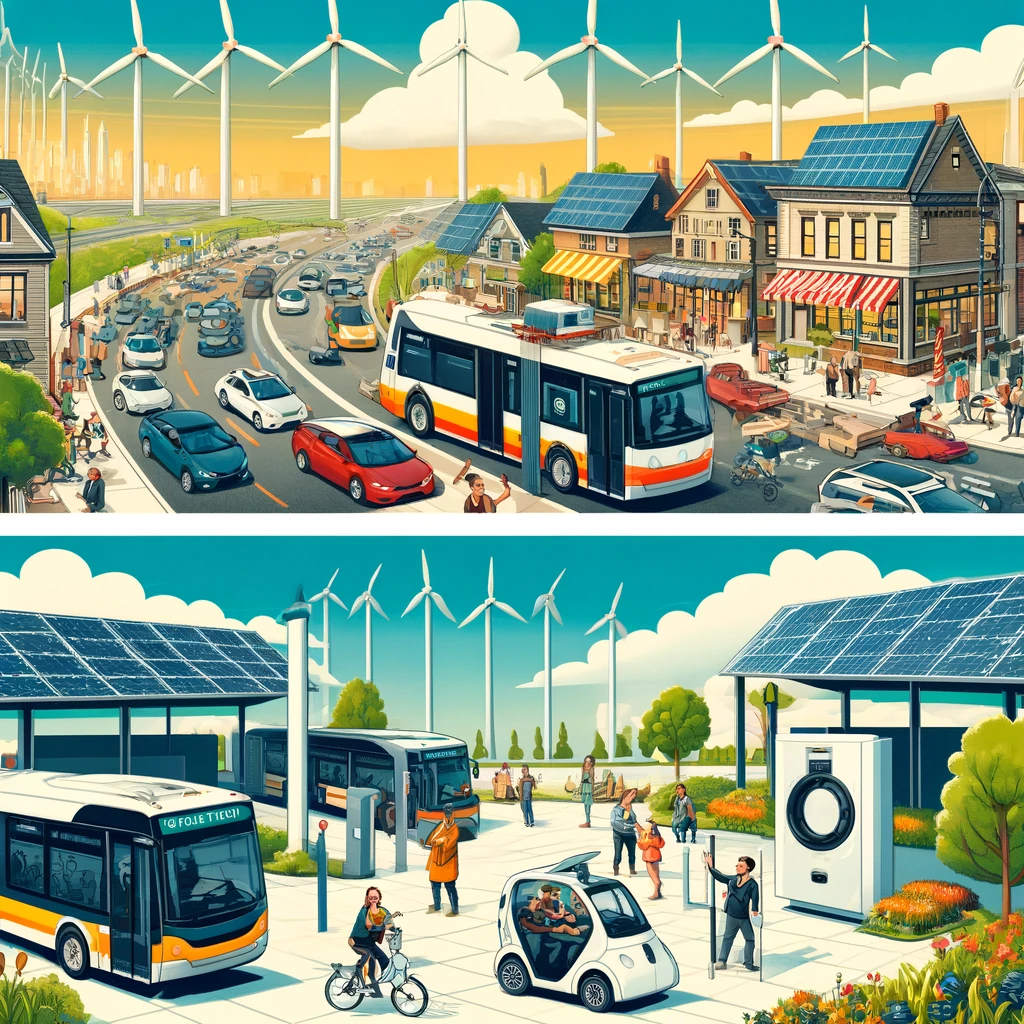
The implementation of renewable energy systems is another crucial component. Solar panels, wind turbines, and geothermal systems can be integrated into buildings to generate clean, renewable energy on-site. This not only cuts down on reliance on fossil fuels but also contributes to a reduction in greenhouse gas emissions. Modern buildings are now often designed with smart systems that monitor and optimize energy usage in real-time, resulting in enhanced energy efficiency and cost savings.
Moreover, retrofitting existing buildings with energy-efficient technologies can yield substantial improvements. Simple measures such as upgrading lighting systems to LED, improving insulation, and installing energy-efficient windows can lead to significant energy savings. Governments and municipalities can also incentivize the adoption of energy-efficient practices through subsidies, tax credits, and regulatory frameworks that mandate higher efficiency standards for new and existing buildings.
Green Infrastructure and Urban Planning
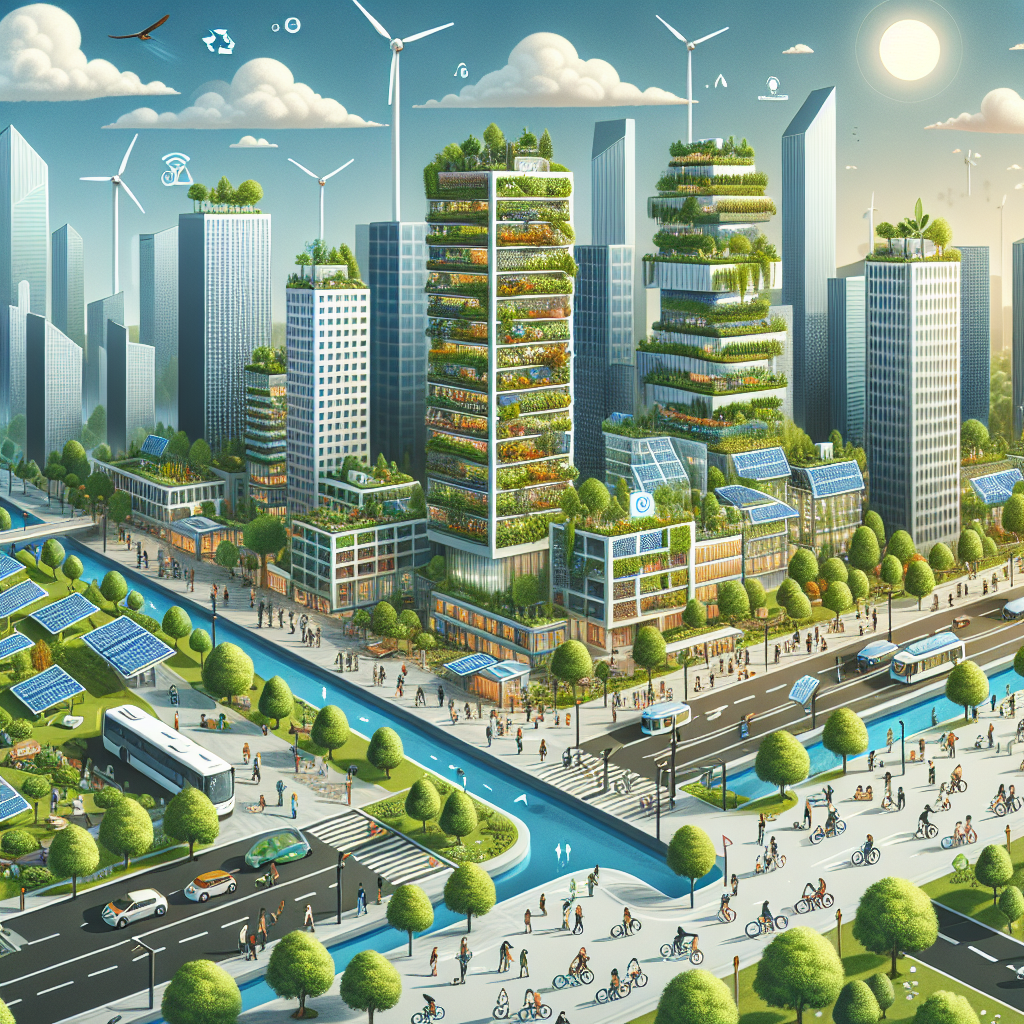
Green infrastructure is a pivotal aspect of sustainable urban development, offering numerous environmental, social, and economic benefits. Unlike conventional infrastructure that focuses solely on grey, human-made elements, green infrastructure integrates natural systems and green spaces into urban environments. This includes parks, green roofs, wetlands, urban forests, and rain gardens, designed to manage stormwater, improve air quality, and enhance biodiversity.
One of the key benefits of green infrastructure is its ability to mitigate urban heat island (UHI) effects. Urban areas tend to absorb and retain heat due to the high concentration of buildings and paved surfaces, leading to increased temperatures. Green spaces and vegetation help cool urban areas by providing shade and through the process of evapotranspiration, where plants release water vapor into the air. This not only enhances thermal comfort but also reduces energy demand for cooling buildings.
In addition to cooling benefits, green infrastructure improves stormwater management. Natural landscapes such as wetlands and rain gardens absorb and filter rainwater, reducing the risk of flooding and the burden on drainage systems. This is particularly important in the face of increasing extreme weather events due to climate change. Green infrastructure also contributes to improved air and water quality by filtering pollutants and providing habitat for wildlife, thus fostering urban biodiversity.
The social benefits of green infrastructure are equally significant. Accessible green spaces enhance the well-being of urban residents by providing recreational opportunities, promoting physical activity, and fostering community interactions. They also contribute to aesthetic appeal, increasing property values and attracting businesses. By integrating green infrastructure into urban planning, cities can create vibrant, healthy, and resilient communities that cater to the needs of diverse populations.
Transportation and Sustainable Mobility
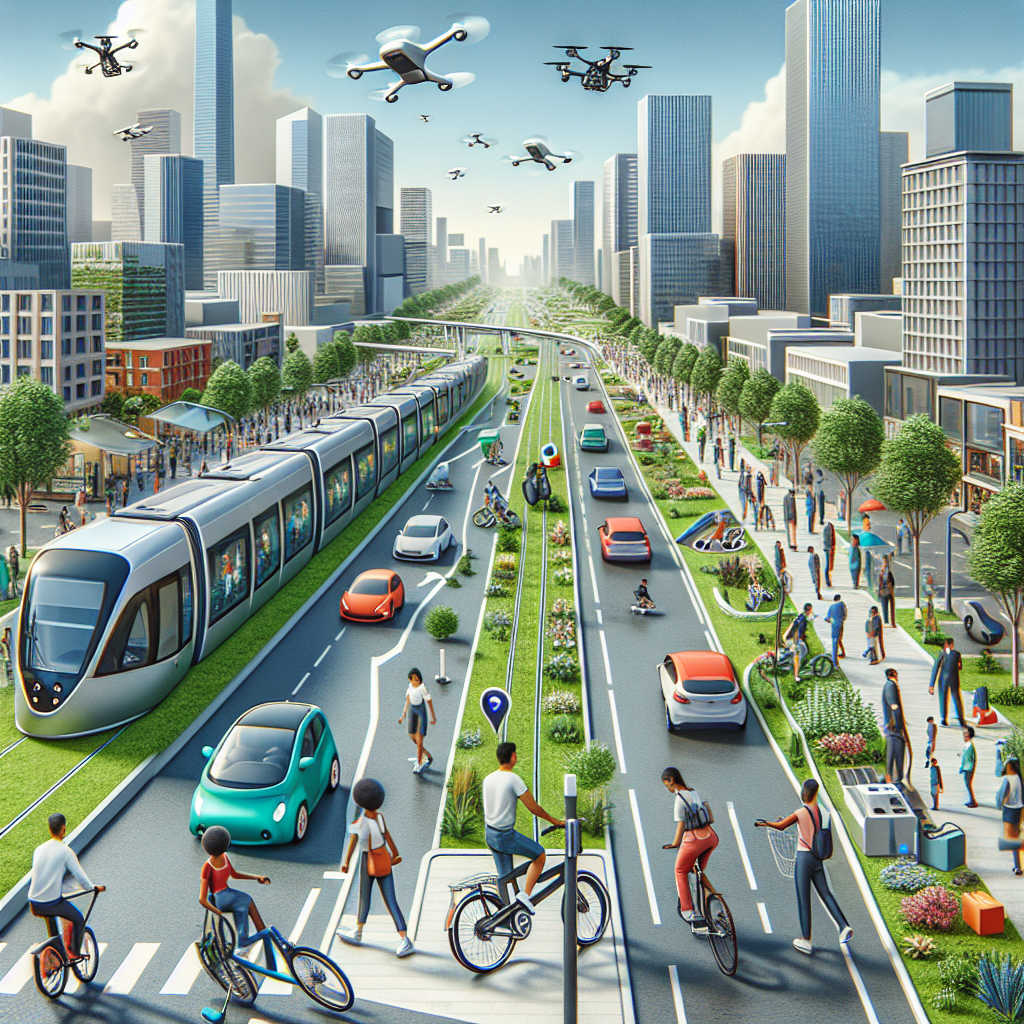
Transportation is one of the major contributors to urban carbon emissions, making sustainable mobility a crucial element of sustainable urban development. Sustainable mobility encompasses a wide range of strategies aimed at reducing reliance on private cars, promoting public transportation, and encouraging active modes of transport such as walking and cycling.
A robust public transportation system is the backbone of sustainable urban mobility. Efficient, affordable, and accessible public transit options can significantly reduce the number of single-occupancy vehicles on the road, thus decreasing traffic congestion and lowering emissions. Investment in modern, energy-efficient public transit systems, including buses, trams, and trains, is essential. Additionally, integrating different modes of transport through seamless connections and unified ticketing systems can enhance convenience and encourage more people to use public transport.
To further promote sustainable mobility, urban planners are increasingly focusing on creating pedestrian-friendly and bike-friendly cities. This involves designing safe and accessible sidewalks, bike lanes, and pedestrian crossings. Incentives such as bike-sharing programs and pedestrian zones can also encourage residents to opt for more sustainable modes of transport. Furthermore, implementing traffic-calming measures such as reduced speed limits and car-free zones can enhance the safety and attractiveness of active transport options.
Electric and alternative fuel vehicles are another critical component of sustainable transportation. The adoption of electric vehicles (EVs) can considerably reduce urban air pollution and greenhouse gas emissions. Governments can support this transition by providing charging infrastructure, offering incentives for EV purchases, and implementing stringent emissions standards. Moreover, promoting car-sharing and ride-sharing programs can optimize vehicle use and decrease the overall number of cars on the road.
Urban planning strategies such as transit-oriented development (TOD) also play a significant role in promoting sustainable mobility. By designing mixed-use developments close to public transit hubs, cities can reduce the need for long commutes and encourage residents to use sustainable transport options. In essence, sustainable mobility requires a holistic approach that integrates diverse strategies to create efficient, inclusive, and eco-friendly transportation systems.
Community Engagement and Social Equity
Sustainable urban development goes beyond environmental and economic considerations to include social equity and community engagement. A sustainable city must cater to the needs of all its residents, including marginalized and vulnerable populations, ensuring that the benefits of development are distributed fairly and equitably.
Community engagement is essential for creating inclusive and resilient urban areas. Involving residents in the planning and decision-making process fosters a sense of ownership and responsibility towards their environment. This can be achieved through public consultations, participatory planning workshops, and collaboration with local community organizations. Active community involvement ensures that development projects align with the needs and aspirations of residents, leading to more successful and sustainable outcomes.
Addressing social equity in urban planning involves providing equitable access to essential services and opportunities such as housing, education, healthcare, and employment. Affordable housing initiatives are vital in combating homelessness and ensuring that all residents have access to safe and decent living conditions. Mixed-income housing developments can also promote social integration and reduce economic segregation.
Public spaces and community facilities should be accessible to all, regardless of age, ability, or socio-economic status. Designing inclusive public spaces that accommodate the needs of diverse populations fosters social cohesion and enhances the quality of life. Additionally, initiatives aimed at improving safety and security, especially in underserved neighborhoods, are crucial for creating a liveable and inclusive urban environment.
Furthermore, promoting social equity involves addressing systemic issues such as discrimination and inequality. Urban policies and programs should be designed to empower marginalized communities, ensuring that their voices are heard, and their rights are protected. By prioritizing social equity and community engagement, cities can build stronger, more cohesive, and sustainable communities that thrive on inclusivity and mutual support.
Technological Innovations and Smart Cities
Technological innovations are revolutionizing the way cities approach sustainable development, with the concept of smart cities becoming increasingly prevalent. Smart cities leverage advanced technologies such as the Internet of Things (IoT), big data, and artificial intelligence (AI) to enhance urban living, improve efficiency, and mitigate environmental impact.
One of the key aspects of smart cities is the implementation of intelligent infrastructure. Smart grids, for instance, optimize energy consumption and distribution by dynamically adjusting to demand and supply fluctuations. This not only improves energy efficiency but also integrates renewable energy sources more effectively. Smart water management systems use sensors and real-time data to monitor water usage, detect leaks, and manage water distribution efficiently.
Urban mobility also benefits significantly from technological innovations. Intelligent transportation systems (ITS) leverage data analytics, sensors, and communication technologies to enhance traffic management, reduce congestion, and improve safety. Real-time information on public transit schedules, traffic conditions, and available parking spaces can enhance the convenience and reliability of urban transportation. Autonomous vehicles, though still in early stages of adoption, hold the promise of further reducing emissions and improving road safety.
Waste management in smart cities is another area where technology plays a pivotal role. Automated waste collection systems, smart bins with sensors, and advanced recycling technologies contribute to more efficient and sustainable waste management practices. Real-time data on waste generation and disposal can inform targeted waste reduction initiatives and optimize collection routes.
Smart city technologies also foster greater connectivity and engagement among residents. Digital platforms and mobile applications facilitate communication between city authorities and citizens, enabling more responsive governance and promoting civic participation. These platforms can be used for reporting issues, accessing services, and participating in community planning processes. Grassroots initiatives and innovative start-ups continue to emerge, leveraging technology to address urban challenges and create smarter, more sustainable cities.
In conclusion, sustainable urban development is an indispensable strategy for addressing the burgeoning challenges of rapid urbanization, climate change, and social inequality. By focusing on energy-efficient building designs, green infrastructure, sustainable mobility, social equity, and smart city technologies, urban areas can be transformed into resilient, inclusive, and thriving communities. It is a collective endeavor that necessitates the collaboration of governments, urban planners, businesses, and residents. Through concerted efforts and innovative solutions, cities can pave the way for a sustainable and prosperous future that meets the needs of present and future generations alike.
Conclusion
As we navigate the complexities of the 21st century, the imperative for sustainable urban development has never been greater. The rapid pace of urbanization poses both challenges and opportunities for creating cities that are resilient, equitable, and environmentally sustainable. The integration of sustainable practices in urban development is not just about mitigating adverse environmental impacts; it is also about enhancing the quality of life for urban residents and fostering a sense of community and inclusiveness.
Through the implementation of energy-efficient building designs, cities can significantly reduce their carbon footprint and promote healthier living environments. The adoption of green infrastructure and natural systems within urban areas not only conserves biodiversity but also provides essential ecosystem services that make cities more liveable and resilient to climate change. By reimagining urban mobility, we can create cities where public transport and active modes of transport are prioritized, reducing traffic congestion and improving air quality.
Moreover, sustainable urban development must address social equity head-on, ensuring that all residents have access to housing, services, and opportunities. By engaging communities in the planning process, cities can develop in ways that reflect the needs and aspirations of their inhabitants. Technological innovations and smart city concepts hold immense potential for transforming urban living, making cities more efficient, connected, and sustainable.
As we continue to face the twin crises of climate change and social inequality, the principles of sustainable urban development serve as a guiding light. The transition to sustainable urban practices requires a collaborative effort, involving governments, urban planners, businesses, and citizens. By fostering a culture of sustainability and innovation, we can build cities that not only meet the demands of the present but also safeguard the prospects of future generations.
Ultimately, the journey towards sustainable urban development is ongoing and necessitates continuous learning and adaptation. By staying committed to the principles of sustainability and embracing new ideas and technologies, urban areas can evolve into thriving, inclusive, and environmentally responsible spaces. The challenges may be daunting, but with concerted effort and visionary leadership, the goal of sustainable urban development is within our grasp. Together, we can create cities that are not just hubs of economic activity but also bastions of sustainability, equity, and well-being for all.
Frequently Asked Questions
1. What is sustainable urban development, and why is it important?
Sustainable urban development is all about creating and managing urban areas in a way that meets the needs of today’s generation without sacrificing the ability of future generations to meet their own needs. It’s like striking a perfect balance between development and the environment, ensuring that cities of the future remain healthy, vibrant, and enjoyable places to live in.
It’s important because as more people move to cities, urban areas are expanding rapidly. This expansion puts immense pressure on resources, infrastructure, and the environment. If not managed sustainably, this can lead to problems like pollution, traffic congestion, and a decrease in quality of life. By focusing on sustainable practices, we ensure our cities can support healthy living environments and economic growth that don’t deplete our planet’s resources or contribute to climate change.
2. How does sustainable urban development impact the built environment?
The built environment, which includes all human-made structures such as buildings, roads, and public spaces, is at the core of sustainable urban development. By implementing sustainable practices in the built environment, cities can reduce their carbon footprint and resource consumption. This involves using eco-friendly materials, promoting energy efficiency, and integrating green infrastructure such as parks and green roofs.
Moreover, sustainable development encourages smart growth strategies, such as mixed-use developments and high-density housing, which helps reduce the need for extensive land use and preserves natural habitats. It’s about designing cities that not only look appealing but are also practical and efficient in their use of resources.
3. What role do renewable energy sources play in sustainable urban development?
Renewable energy sources, like solar, wind, and geothermal energy, are crucial to sustainable urban development. They provide cleaner alternatives to fossil fuels, reducing greenhouse gas emissions and the city’s carbon footprint. Implementing renewable energy in urban planning can power street lighting, support residential energy needs, and even fuel public transportation systems.
Besides environmental benefits, incorporating renewable energy can also yield economic advantages by creating jobs in new technologies and leading to savings on energy costs in the long term. Cities committed to sustainable urban development often set goals for increasing the share of renewables in their energy mix as part of their climate action plans.
4. How can urban areas manage water sustainably?
Sustainable water management is essential in urban areas considering the challenges of climate change and growing populations. Techniques like rainwater harvesting and greywater recycling are being increasingly employed to ensure efficient water usage. Green infrastructures such as bioswales and permeable pavements also contribute by facilitating natural water management processes.
In addition to these technologies, urban areas are focusing on improving the efficiency of water distribution systems and reducing leakage. Awareness programs are encouraging citizens to reduce water usage as well. By adopting these practices, cities aim to maintain water as a reliable resource while protecting local water bodies and ecosystems from the adverse effects of urban runoff and pollution.
5. What are some challenges to implementing sustainable urban development?
There are several challenges to kick-starting sustainable urban development. One significant hurdle is the initial cost of investments. Sustainable technologies and infrastructures, though cost-saving in the long term, often require high upfront investments that can be a deterrent for cities working with limited budgets.
Furthermore, there is often a lack of awareness or understanding among various stakeholders, including policymakers, businesses, and residents, about the benefits and methods of sustainable urban development. Resistance to change and a preference for conventional practices can also slow down progress.
Moreover, coordinating efforts across various government levels and sectors poses a logistical challenge, as does ensuring equitable development that benefits all socio-economic groups. Overcoming these challenges requires concerted efforts, strong policy frameworks, and continuous public education on sustainability’s importance and benefits.