In today’s rapidly urbanizing world, the focus has shifted significantly towards sustainable development with greener, more environmentally friendly construction practices. One prominent aspect of this movement is the introduction and widespread adoption of green building certifications. Green building certifications, such as LEED (Leadership in Energy and Environmental Design) and BREEAM (Building Research Establishment Environmental Assessment Method), play a crucial role in steering urban development towards sustainability. But what impact do these certifications have on the development of our urban environments?
Introduction: The Need for Sustainable Urban Development
Urban development has been driving economic growth and shaping human lives for centuries. However, traditional urbanization models come with significant environmental and social costs. Overcrowded cities, increased pollution, and resource depletion are just a few of the issues that necessitate a shift towards more sustainable development practices.
To address these challenges, the concept of green building has emerged, rooted in principles that aim to reduce the overall impact on human health and the environment. These principles encompass efficient use of energy, water, and other resources, protecting occupant health, improving employee productivity, and reducing waste, pollution, and environmental degradation.
Green building certifications play a vital role in promoting these principles. They provide a benchmark for the design, construction, and operation of high-performance green buildings, ensuring that these structures not only meet but exceed current regulatory standards.
This article explores the impact of green building certifications on urban development, looking into how these certifications influence architectural practices, economic dynamics, and environmental sustainability within urban contexts.
Understanding Green Building Certifications
Green building certifications are thorough, third-party verification systems that evaluate a building’s environmental performance. The certification process typically involves meeting specific criteria related to various sustainability indicators such as energy efficiency, water usage, site selection, material use, and indoor environmental quality.
LEED and BREEAM are two of the most prominent green building certification systems globally. LEED, developed by the U.S. Green Building Council, offers ratings based on a building’s performance across several key areas, including sustainable sites, energy and water efficiency, materials and resources, innovation, and indoor environmental quality. BREEAM, originating from the UK, is another widely recognized certification that assesses the sustainability performance of buildings across nine categories such as management, health and wellbeing, energy, transport, water, materials, waste, land use, and ecology.
These certification systems not only foster the creation of environmentally responsible buildings but also enhance the market value of properties, encouraging more developers and investors to participate in sustainable urban development. The more these certifications become integral to urban development, the greater their impact on shaping sustainable metropolitan landscapes.
Architectural Innovation and Design Philosophy
Green building certifications have significantly impacted architectural innovation and design philosophy in urban development. Architects and developers are increasingly integrating sustainable design principles into their projects to achieve certification standards. This includes incorporating energy-efficient systems, sustainable materials, and innovative technologies that reduce a building’s carbon footprint.
Moreover, the emphasis on sustainability encourages architects to adopt biophilic design principles that promote a connection between people and nature. This can manifest in the form of green roofs, vertical gardens, natural ventilation systems, and abundant natural lighting, creating healthier, more engaging urban environments.
By prioritizing these design elements, green building certifications not only foster environmentally friendly buildings but also drive the architectural industry towards a mindset of sustainability first. This shift can lead to significant reductions in the environmental impact of urban areas, setting new benchmarks for future developments to follow.
Economic Incentives and Market Dynamics
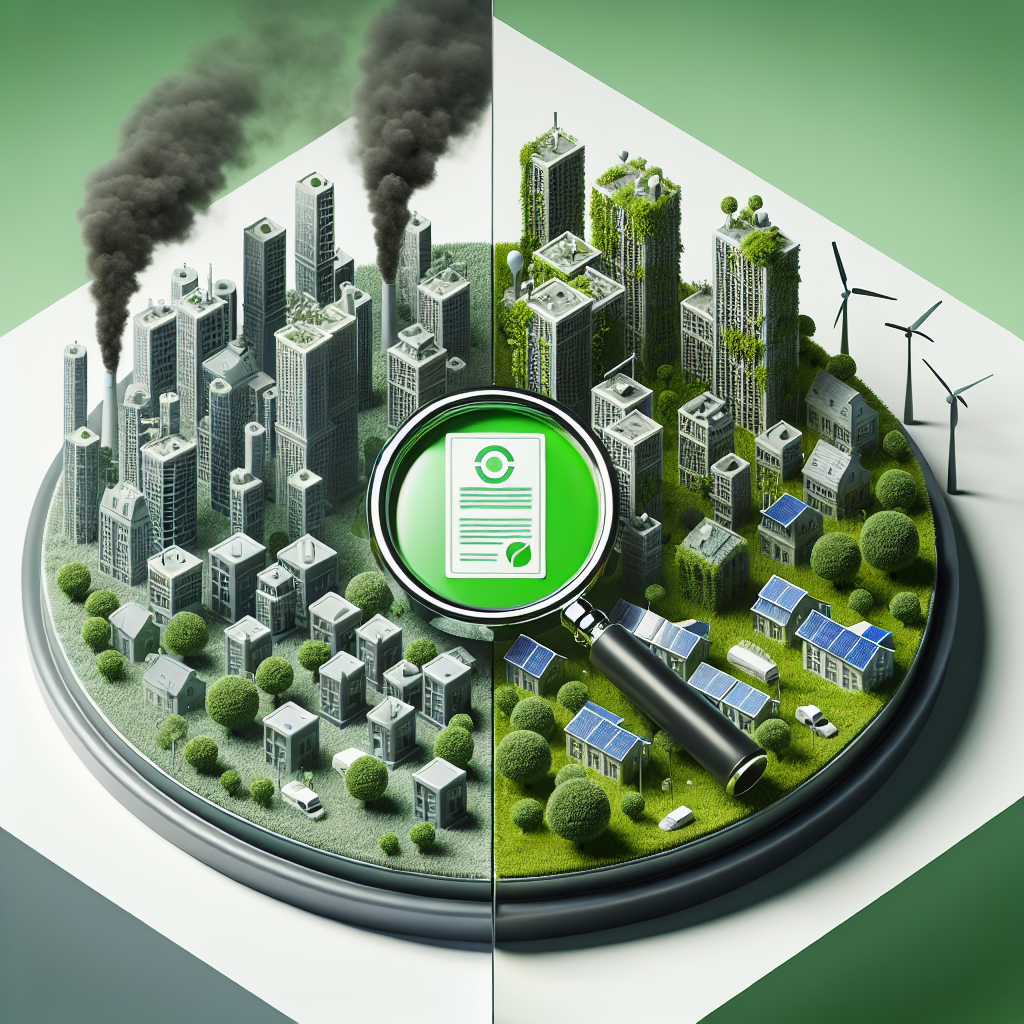
Adopting green building certifications can lead to substantial economic benefits for both developers and end-users. Certified buildings tend to attract higher rental rates and property values due to their sustainable features. Such buildings also benefit from reduced operational costs as they are designed to be more energy and water-efficient.
For developers, achieving a certification can serve as a powerful marketing tool, attracting environmentally conscious tenants and buyers. Furthermore, the increasing demand for sustainable buildings can encourage developers to prioritize green building practices to remain competitive in the market.
Governments and local authorities often provide various incentives, such as tax credits, grants, and fast-tracking permit processes, for projects that pursue green building certifications. These incentives can offset the initial costs associated with sustainable construction, making it more financially viable for developers to opt for these practices.
As the economic landscape shifts towards sustainability, green building certifications can thus act as a catalyst, encouraging the real estate market to align with global environmental goals and supporting long-term urban sustainability.
Environmental Benefits and Sustainability Impact
The environmental benefits of green building certifications are numerous, directly contributing to the sustainability of urban environments. Certified green buildings minimize resource consumption and reduce waste, significantly lowering their environmental impact.
One of the most critical advantages is energy efficiency. Buildings that meet green certification standards are designed to consume less energy through innovative practices such as efficient HVAC systems, high-performance windows, and renewable energy sources. This leads to lower greenhouse gas emissions, mitigating the impact of urban development on climate change.
Water use is another significant area of improvement. Green buildings often incorporate systems that reduce water consumption and promote water recycling, such as low-flow fixtures, rainwater harvesting, and greywater systems. These measures are vital in urban areas where water scarcity is a growing concern.
Additionally, green buildings prioritize the use of sustainable and recycled materials, reducing the demand for virgin resources and minimizing construction waste. This practice helps preserve natural habitats and biodiversity, further enhancing the sustainability of urban development.
Social and Community Impacts
Beyond the environmental and economic advantages, green building certifications also have profound social impacts. Certified buildings often provide healthier indoor environments for occupants, improving air quality, natural lighting, and thermal comfort. These aspects are linked to better health outcomes, increased productivity, and higher overall well-being.
Green building practices can also foster a sense of community and social cohesion. For instance, the integration of green spaces, communal areas, and urban agriculture within certified projects can enhance social interaction and community engagement. Moreover, promoting sustainable transport options such as biking and public transport use within green certified developments can reduce traffic congestion and enhance urban mobility.
These social benefits are particularly crucial in urban settings, where issues like poor air quality, social isolation, and chronic health conditions are prevalent. By addressing these challenges, green building certifications contribute to creating more inclusive, healthier, and resilient urban communities.
Case Studies: Success Stories
Numerous case studies across the world demonstrate the positive impact of green building certifications on urban development. One notable example is the Bullitt Center in Seattle, often referred to as the “greenest commercial building in the world.” Achieving the rigorous Living Building Challenge certification, the Bullitt Center is entirely self-sustaining, producing all its energy through renewable sources and managing its water needs on-site.
Another example is the One Central Park in Sydney, a mixed-use development featuring the world’s tallest vertical gardens. This LEED-certified building integrates innovative sustainability features such as a central thermal plant and an on-site water recycling system, setting a benchmark for high-rise urban sustainability.
In Europe, The Edge in Amsterdam, BREEAM-certified as the most sustainable office building globally, showcases advanced smart building technologies, extensive use of daylight, and highly efficient energy systems. These examples highlight how green building certifications drive urban development towards more sustainable and innovative solutions, benefiting both the environment and society.
Conclusion: Towards a Sustainable Urban Future
The adoption of green building certifications is a pivotal step towards sustainable urban development. By setting stringent standards for environmental performance, these certifications guide architects, developers, and policymakers towards practices that benefit both the environment and society.
Green building certifications contribute to reducing the environmental footprint of urban areas, fostering innovative and sustainable architectural practices, and creating healthier, more resilient communities. Moreover, the economic incentives and market dynamics associated with certified buildings further propel the shift towards sustainability in urban development.
As cities continue to grow and evolve, the importance of sustainable development cannot be overstated. By embracing green building certifications, urban areas can become more resilient, liveable, and environmentally friendly, ensuring a sustainable future for generations to come.
In summary, green building certifications are transformative tools that redefine urban development, offering a comprehensive approach to sustainability that balances environmental, economic, and social needs. By continuing to promote and implement these certifications, we can pave the way towards a greener, more sustainable future for our cities and communities.
Frequently Asked Questions
1. What are green building certifications, and why are they important in urban development?
Green building certifications, like LEED (Leadership in Energy and Environmental Design) and BREEAM (Building Research Establishment Environmental Assessment Method), are frameworks that evaluate and recognize buildings that meet certain criteria in sustainability, energy efficiency, and minimal environmental impact. In the context of urban development, these certifications serve a host of critical purposes.
Firstly, they provide a standardized benchmark for sustainability and resource efficiency in buildings. Achieving such certifications can lead to reduced operating costs through better energy management and improved productivity in operational efficiency. This economic advantage is particularly significant in urban settings where construction and maintenance costs are typically higher.
Furthermore, green building certifications help foster healthier living spaces by promoting the use of non-toxic, sustainable materials and ensuring high air quality and natural lighting. As more people migrate into cities, these features become imperative for maintaining public health and well-being.
Lastly, these certifications encourage wider adoption of sustainable building practices, setting an industry standard that architects, engineers, and developers strive to achieve. This widespread adoption helps drive meaningful change towards greener cities. By steering construction toward environmental responsibility, green certifications help mitigate the urban heat island effect, enhance urban biodiversity, and contribute to overall better living environments.
2. How do green building certifications impact the economic aspects of urban development?
There are several compelling economic incentives associated with green building certifications that affect urban development positively. Firstly, buildings that achieve these certifications often see reduced utility costs because they utilize energy-efficient technologies and water-saving systems. This means lower operating expenses for property owners and occupants, a significant advantage in densely populated urban environments where resources can be expensive.
Moreover, certified buildings generally have higher market value and occupancy rates. They appeal to an increasing number of environmentally conscious consumers and businesses looking to reduce their carbon footprint. This increased desirability can lead to higher leasing rates and shorter times on the market, providing a competitive edge to developers and investors.
The initial investment in achieving certification may be higher than conventional construction due to sustainable materials and technologies. However, these costs are often offset long-term by the savings on energy bills, lower maintenance costs due to higher quality materials, and improved tenant retention rates due to the improved living or working conditions.
On a macroeconomic level, incentivizing green construction through certifications can lead to job creation within the green tech and construction industries, stimulating local economies. Cities implementing such sustainable initiatives may also attract investment from global entities eager to align with eco-friendly policies, representing a forward-thinking and resilient urban development strategy.
3. How do green building certifications affect the environmental sustainability of urban areas?
Green building certifications have a profound impact on the environmental sustainability of urban areas. These certifications advocate for the use of sustainable and recycled materials in construction, leading to a significant reduction in the demand for new resources. This helps preserve natural landscapes and biodiversity which might otherwise be depleted by urban expansion.
In addition, green buildings are designed to minimize waste and maximize resource efficiency. For instance, they often feature systems that recycle wastewater, use solar panels, and optimize natural light to decrease reliance on artificial lighting. This not only conserves resources but also reduces the greenhouse emissions associated with traditional energy use.
Urban areas benefit immensely from enhanced green spaces and improved air quality, contributing to a healthier public environment. By decreasing the heat retention typically caused by concrete and asphalt-dominated cities through green roofs and other measures, they help manage urban temperatures and mitigate the urban heat island effect.
By promoting these environmentally responsible building practices, green certifications help urban areas adapt to and mitigate the effects of climate change, ultimately supporting long-term environmental sustainability.
4. What are the social implications of integrating green building certifications in cities?
Green building certifications can lead to significant social benefits in urban areas. Certified buildings are designed to enhance occupant comfort and health, often providing better air quality due to ventilation systems that filter allergens and pollutants. This can lead to improved health outcomes for residents and workers, reducing medical costs and absenteeism.
Furthermore, green buildings often include amenities that promote community wellness, such as communal green spaces, energy-efficient public transport integration, and local wildlife-supporting landscapes. These features can foster community interaction and cohesion, creating stronger, more supportive urban communities.
Such certifications also lead to social equity improvements. As sustainable development becomes more mainstream, there are increased efforts to make green living accessible across different socioeconomic groups by incorporating affordable housing units that meet certification standards.
Educationally, these buildings serve as demonstrations of sustainable living, promoting awareness and inspiring further innovation in urban design. This aligns cities with sustainable development goals, pushing them towards more inclusive, equitable, and prepared urban centers for future generations.
5. Are there any challenges cities face in implementing green building certifications, and how can they be addressed?
While the benefits of green building certifications in urban development are significant, cities often encounter several challenges in their implementation. One primary challenge is the increased upfront costs associated with sustainable materials and technologies. Stakeholders may be hesitant to increase initial expenditures despite long-term cost savings and environmental benefits.
To address these concerns, cities might offer financial incentives such as tax credits, grants, or subsidies that help offset the initial investment. Additionally, demonstrating case studies and success stories highlighting the long-term financial benefits and payback periods of certified buildings can help garner buy-in from developers.
Another challenge is the lack of expertise or awareness among builders and developers regarding certification requirements and sustainable practices. To tackle this, cities can provide training sessions, workshops, and resources dedicated to sustainable building techniques and certification processes. Creating partnerships with educational institutions and industry leaders can further support this knowledge transfer.
Regulatory and bureaucratic hurdles can also impede the adoption of green certifications. To streamline these processes, cities can consider integrating green certification criteria into local building codes and streamline the approval processes for certified projects. Simplifying regulations and setting clear, attainable goals will help facilitate a more seamless adoption of green certifications, paving the way for greener urban development.