Sustainable urban development is an essential concept in today’s world, as cities struggle to balance the need for growth with environmental sustainability. One often overlooked aspect of this balance is noise pollution. As urban areas expand and populations increase, noise pollution becomes a significant issue that affects the quality of life for residents. This article aims to provide a comprehensive understanding of sustainable urban development and how it relates to mitigating noise pollution.
Introduction
In recent decades, urbanization has accelerated at an unprecedented rate, with more people moving into cities seeking better opportunities and living standards. As cities grow, infrastructure and residential areas become denser, leading to heightened noise levels. Noise pollution, often overshadowed by other environmental issues, poses serious health risks and hampers the sustainability of urban living. It is imperative for urban planners and policymakers to integrate noise pollution control into the broader framework of sustainable urban development. Sustainable urban development encompasses various practices and principles aimed at creating cities that are environmentally friendly, economically viable, and socially inclusive. This includes green building techniques, efficient public transportation systems, renewable energy usage, and, crucially, effective noise pollution management. This article explores the intersection of sustainable urban development and noise pollution, highlighting strategies and best practices to create quieter, more livable urban environments.
The Impact of Noise Pollution
Noise pollution is more than just an annoyance; it has far-reaching effects on human health and well-being. Chronic exposure to high noise levels can lead to various health issues, including cardiovascular diseases, sleep disturbances, cognitive impairment, and mental health disorders such as anxiety and depression. Moreover, noise pollution negatively impacts productivity, communication, and overall quality of life. In urban areas, the primary sources of noise pollution include transportation systems (such as road traffic, railways, and airports), industrial activities, construction sites, and recreational activities. Effective noise pollution control is essential to mitigate these adverse effects and ensure a healthier urban environment. To address noise pollution in the context of sustainable urban development, it is crucial to understand the various sources and impacts of noise pollution accurately. By doing so, urban planners and policymakers can develop targeted strategies to minimize noise levels and promote overall urban sustainability.

Strategies for Noise Pollution Control
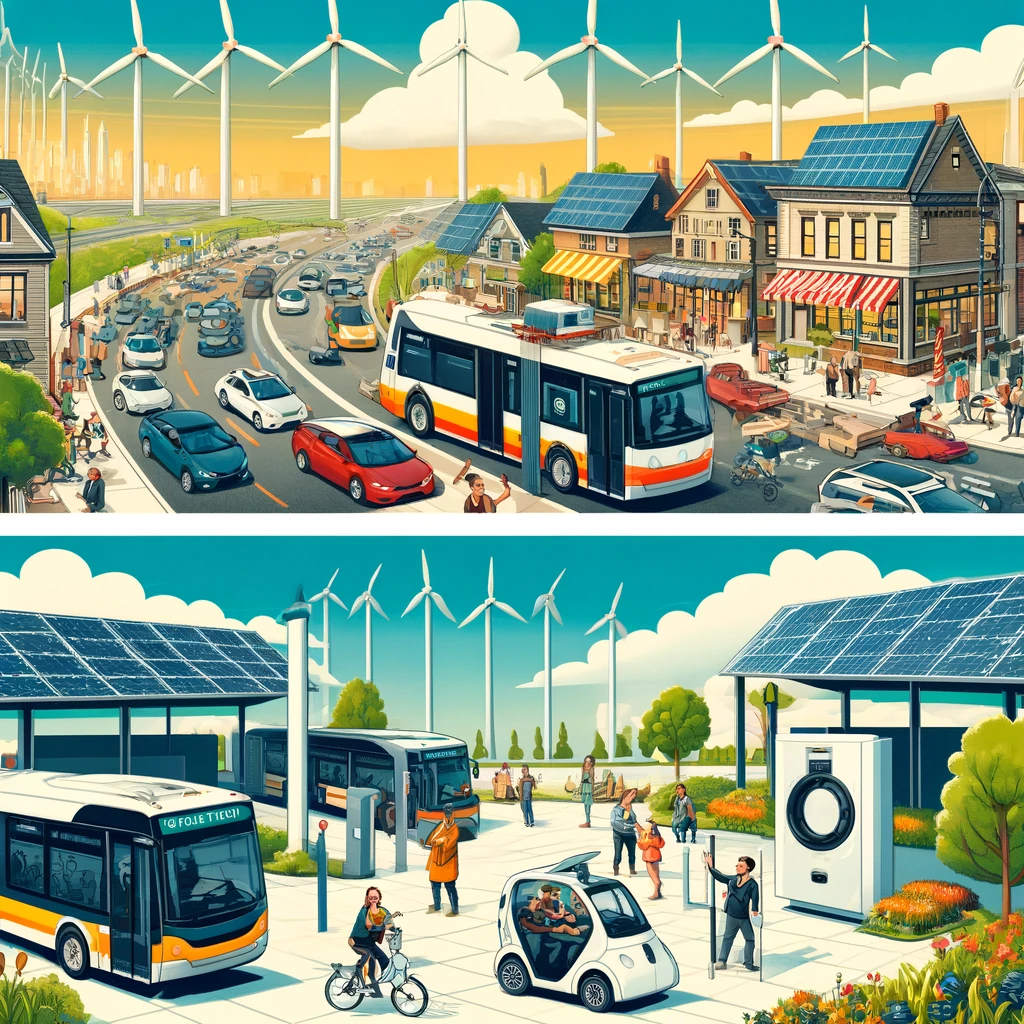
There are several strategies that urban planners and policymakers can implement to control noise pollution in cities. These strategies can be broadly categorized into source control, path control, and receiver control. Source control involves measures aimed directly at reducing noise emissions from the source. This includes implementing stricter regulations on noise levels for vehicles, industrial equipment, and construction activities. Additionally, promoting the use of electric vehicles and quieter machinery can significantly reduce noise pollution in urban areas. Path control focuses on minimizing the transmission of noise from the source to the receiver. This can be achieved by incorporating noise barriers, vegetation, and sound-absorbing materials into urban design. For example, planting trees and constructing green walls along busy roads can help block and absorb noise, creating quieter urban spaces.
The Role of Urban Design in Noise Control
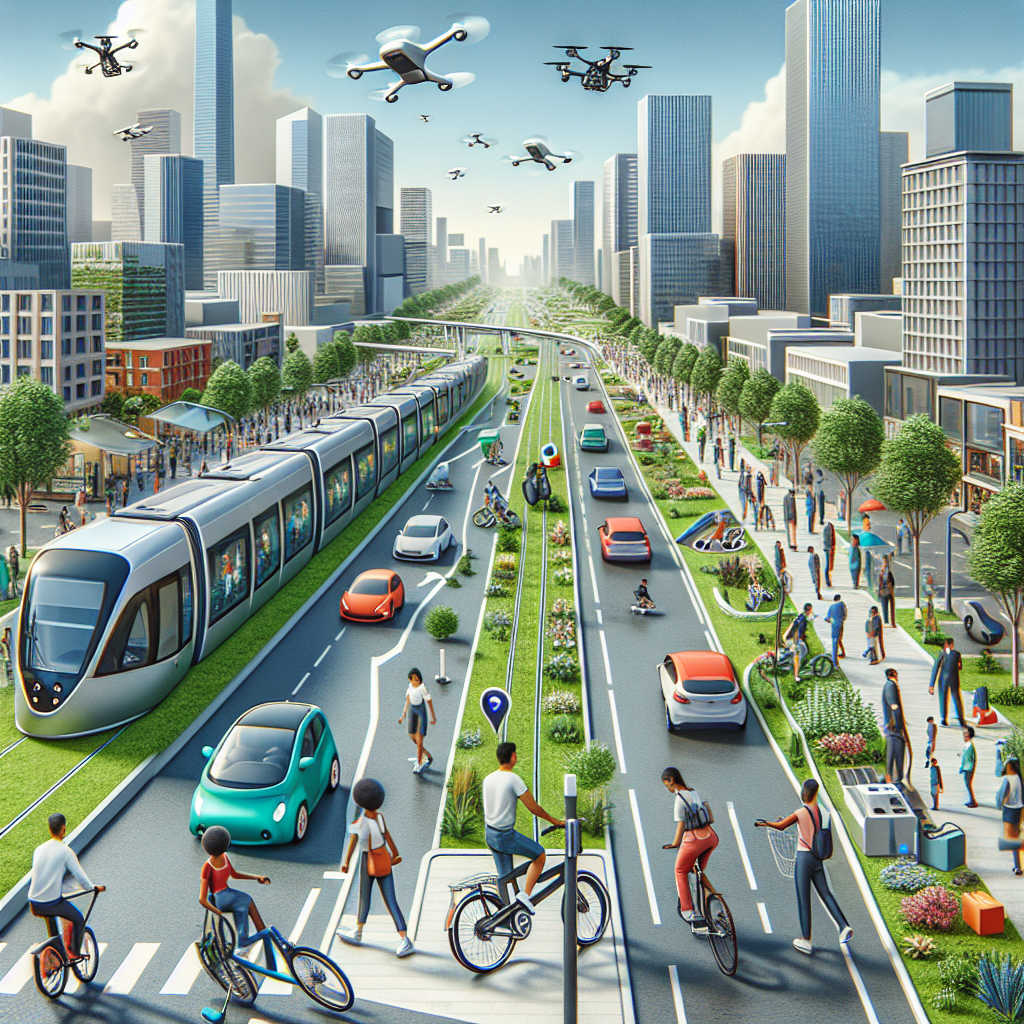
Innovative urban design plays a crucial role in controlling noise pollution and promoting sustainable urban development. By integrating noise control measures into the planning and design phases, cities can create environments that naturally mitigate noise pollution. One effective approach is the concept of mixed-use development, which combines residential, commercial, and recreational spaces within close proximity. This reduces the need for long commutes and frequent use of noisy transportation systems. Additionally, designing buildings with noise-reducing materials and incorporating green spaces can help absorb noise and provide natural buffers. High-quality public spaces, such as parks, plazas, and waterfronts, can also serve as refuges from urban noise, offering residents a chance to relax and unwind in quieter environments. Moreover, promoting active transportation options like walking and cycling can reduce reliance on noisy vehicles, further contributing to noise reduction and urban sustainability.
Policy and Regulatory Measures
Effective noise pollution control requires robust policy and regulatory frameworks at the local, regional, and national levels. Governments and regulatory agencies play a vital role in setting noise standards, monitoring compliance, and enforcing regulations. Some key policy measures for noise pollution control include establishing permissible noise levels for different urban zones. For instance, residential areas would have lower permissible noise levels compared to industrial zones. Implementing zoning regulations to separate noisy activities from residential areas can also help minimize noise pollution. Additionally, incorporating noise impact assessments into urban planning processes ensures that new developments take noise pollution into account from the outset.
Community Involvement and Awareness
Community involvement and awareness are critical components of successful noise pollution control efforts. Engaging residents in the planning process and educating them about the impacts of noise pollution can lead to more effective and sustainable solutions. Public awareness campaigns can highlight the importance of reducing noise pollution and promote practical steps individuals can take, such as minimizing the use of loud appliances, properly maintaining vehicles to reduce noise, and respecting quiet hours in residential areas. Furthermore, involving the community in monitoring noise levels and reporting violations can empower residents to take an active role in noise pollution control. By fostering a sense of shared responsibility and encouraging collaboration between city officials, businesses, and residents, communities can work together to create quieter, more sustainable urban environments.
Conclusion
Sustainable urban development and noise pollution control are inherently interconnected, as effective noise management is crucial to creating livable, healthy, and thriving urban spaces. By understanding the sources and impacts of noise pollution, implementing targeted strategies, and promoting innovative urban design, cities can significantly reduce noise levels and enhance the quality of life for residents. The role of policy and regulatory measures cannot be overstated, as they provide the necessary framework for enforcing noise standards and ensuring compliance. Equally important is community involvement and awareness, as an informed and engaged public can contribute to the success of noise pollution control initiatives. As urbanization continues to reshape our cities, it is essential to prioritize sustainable practices that address the multifaceted challenges of noise pollution. By doing so, we can create urban environments that are not only vibrant and dynamic but also serene and conducive to well-being. Ultimately, the integration of noise pollution control into the broader agenda of sustainable urban development will pave the way for healthier, more resilient cities that can thrive for generations to come.
Frequently Asked Questions
1. What is sustainable urban development, and why is it important?
Sustainable urban development is a framework for creating cities that are environmentally responsible, socially inclusive, and economically viable over the long term. As the global population continues to grow, more people are moving to urban areas, which intensifies the demand for resources and infrastructure. Sustainable urban development is essential because it ensures that cities can meet the needs of their residents without depleting natural resources or causing severe environmental degradation. By focusing on sustainable practices, cities aim to reduce their carbon footprint, manage waste efficiently, promote green spaces, and improve overall livability. This developmental approach is not a fleeting trend but a necessary shift to address the challenges posed by urbanization and climate change.
2. Why is noise pollution a significant concern in sustainable urban development?
Noise pollution is an often underestimated but critical issue in the context of sustainable urban development. As cities grow, the increase in traffic, construction, industrial activities, and bustling public spaces contributes to heightened noise levels. This type of pollution has been linked to numerous health problems, including increased stress levels, sleep disturbances, and cardiovascular issues. Additionally, noise pollution can reduce productivity and negatively impact mental health. Addressing noise pollution is integral to sustainable urban development because it directly affects the quality of life for city residents, disrupts ecosystems, and can deter investments. By reducing noise pollution, cities can enhance the well-being of their inhabitants and make urban living more enjoyable and sustainable.
3. How does sustainable urban planning mitigate noise pollution?
Sustainable urban planning employs several strategies to combat noise pollution, integrating innovative design and technology solutions. Firstly, urban planners are increasingly adopting mixed-use developments that reduce the need for extensive commuting, which in turn lowers traffic noise. Soundproofing measures, such as incorporating noise barriers and implementing quieter road surfaces, are also key tactics used in construction projects. Moreover, green spaces and urban forests are effective natural sound buffers that not only reduce noise levels but also provide ecological and recreational benefits. Zoning laws play a crucial role by separating noise-generating industries from residential areas and encouraging the development of quieter public transportation options. Sustainable urban planning also emphasizes public awareness campaigns to engage communities in noise reduction efforts. Together, these measures help create quieter, more pleasant urban environments conducive to health and sustainability.
4. What are some challenges faced in addressing noise pollution in urban areas?
Urban areas face several challenges when tackling noise pollution, stemming from the nature of rapid urbanization and diverse city landscapes. One primary challenge is balancing growth with quality of life; as cities expand, so do the sources of noise. Demographic diversity presents additional hurdles because different communities have varying sensitivities to noise, which complicates the implementation of uniform policies. Financial constraints can impede the adoption of sound-reducing infrastructure as well. Cities often have limited budgets to allocate towards sophisticated noise control measures, like soundproofing or redesigning public transportation systems. Additionally, legislative frameworks might lack the necessary specificity and enforcement power to make substantial progress. Resistance from stakeholders with vested interests in high-volume activities – such as businesses and developers – can also hinder efforts. Despite these challenges, persistent efforts and innovative solutions can eventually lead to quieter, healthier urban environments.
5. Can technology play a role in reducing noise pollution in cities?
Yes, technology is instrumental in addressing noise pollution in urban areas. Advances in acoustic design and materials science provide new solutions for sound reduction in buildings and infrastructure. For example, noise-cancelling windows and advanced insulation materials can significantly decrease exterior sound penetration into homes and offices. Smart city technologies, such as data-driven monitoring systems, enable urban planners to track noise levels across different neighborhoods in real time. This information is invaluable for identifying the most affected areas and crafting targeted noise mitigation strategies. Additionally, electric vehicles, which are inherently quieter than traditional combustion engines, offer a path toward reducing traffic-related noise. Public transportation systems are also being upgraded with quieter operations, such as electric buses and trains. These technological innovations, along with continued research and development, hold promise for effectively combating noise pollution in the modern cityscape.