Urban planning plays a pivotal role in shaping the fabric of our cities, impacting everything from infrastructure and housing to environmental sustainability and economic development. In recent years, the integration of sustainable tourism into urban planning strategies has become essential. Not only does sustainable tourism stimulate local economies, but it also ensures the conservation of cultural heritage and natural resources, contributing to the long-term vitality of urban areas. As city populations escalate and global travel continues to rise, urban planners are increasingly tasked with crafting policies that accommodate both the growing resident populace and the transient tourist sector without compromising sustainability. This article delves into how urban planning can foster sustainable tourism, exploring fundamental principles, strategies, and case studies that illuminate the path forward.
When conceptualizing sustainable tourism within urban planning frameworks, it’s crucial to balance environmental, social, and economic dimensions. Cities must strive to create a harmonious coexistence between tourists and residents, ensuring that tourism does not lead to detrimental impacts such as overcrowding, loss of local culture, or environmental degradation. Instead, the goal is to leverage tourism as a means to enhance urban life, boost the local economy, and safeguard the environment.
Principles of Sustainable Tourism in Urban Planning
Sustainable tourism stands on three core pillars: environmental stewardship, cultural preservation, and economic viability. Urban planners must incorporate these principles into zoning laws, infrastructure development, and community engagement processes.
Environmental Stewardship:
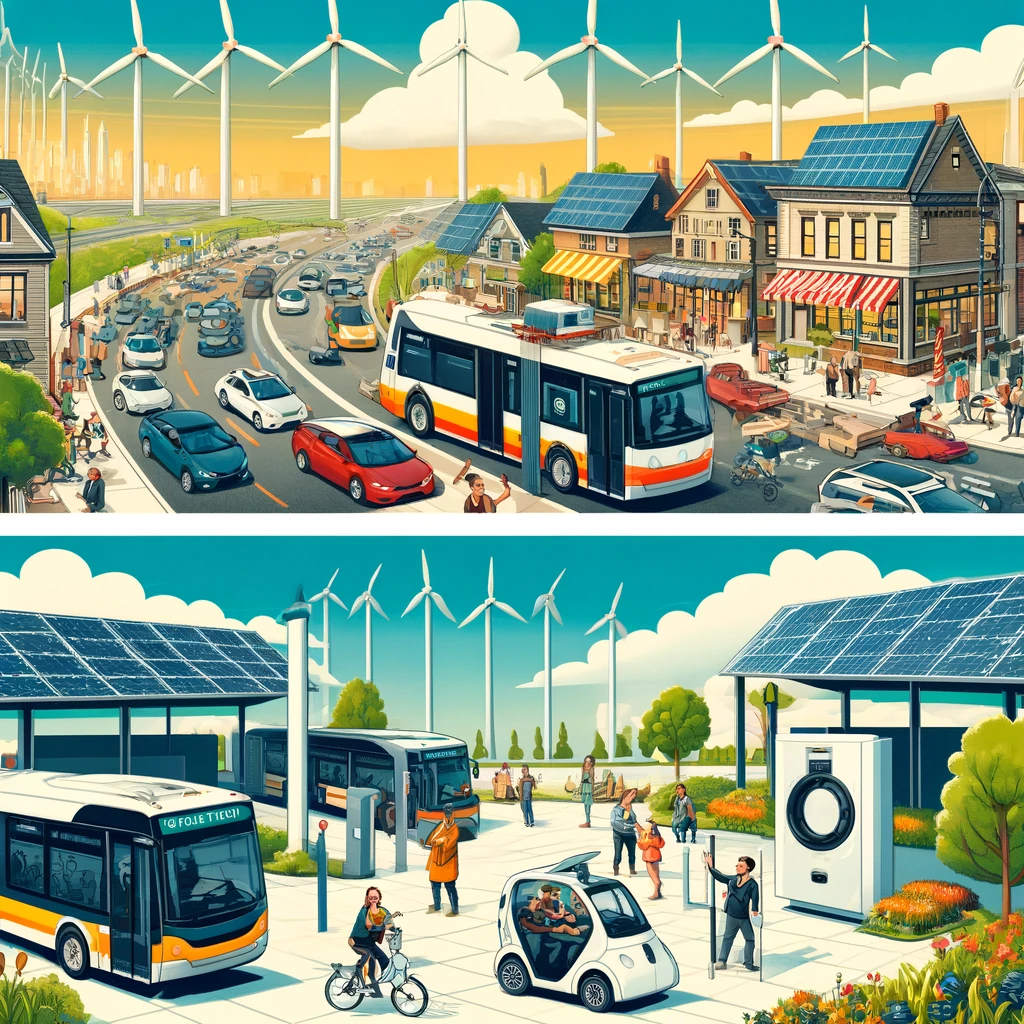
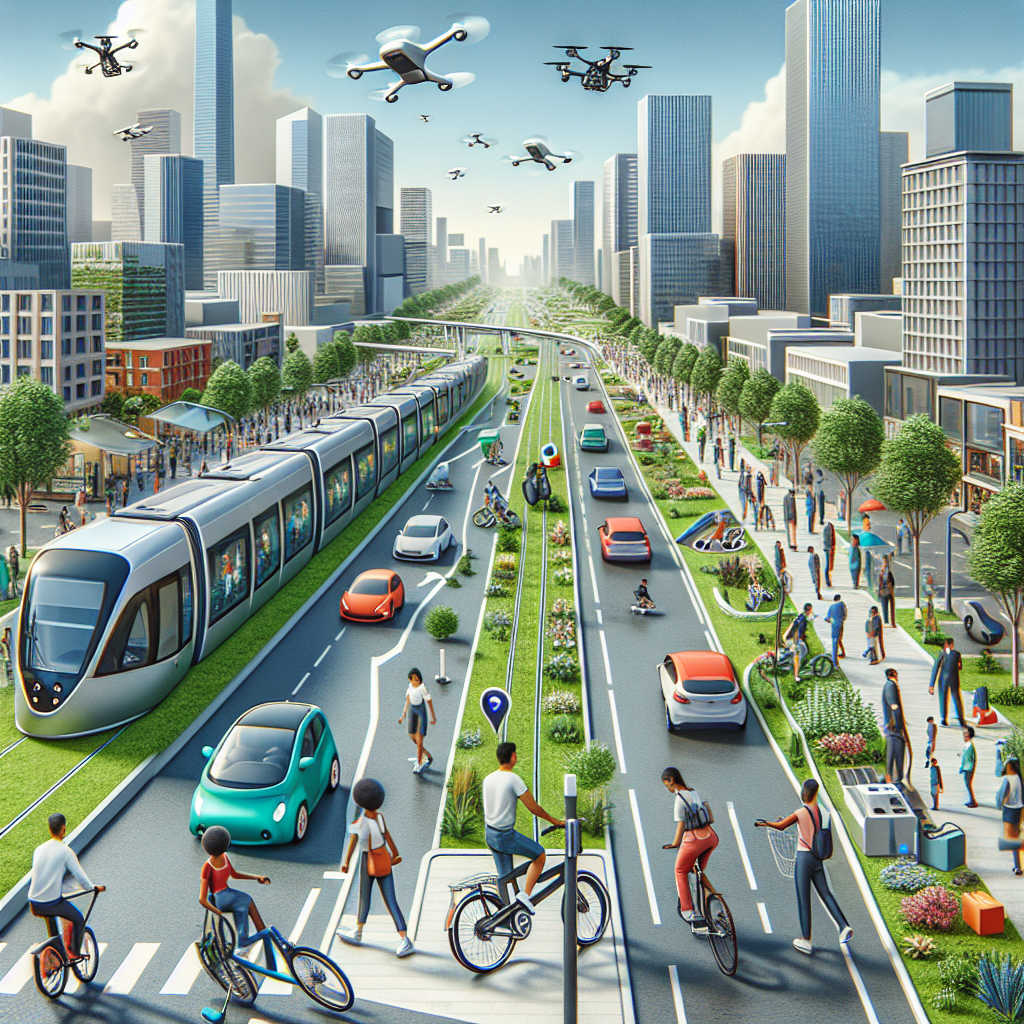
Urban areas should emphasize green spaces, pedestrian-friendly zones, and eco-friendly public transportation. Integrating green building standards and conservation practices ensures that tourism development does not result in environmental degradation. Strategies like waste management, water conservation, and renewable energy utilization are crucial in maintaining a city’s ecological balance.
Cultural Preservation:
Cities are often rich in cultural heritage, which can be a significant draw for tourists. Urban planning must then focus on protecting historical landmarks, promoting local arts, and ensuring that tourism doesn’t erode cultural identities. Initiatives such as heritage conservation districts and cultural tourism programs can play a vital role.
Economic Viability:
For tourism to be sustainable, it must contribute to the local economy without creating dependency or disruptions. This involves supporting local businesses, creating job opportunities, and fostering entrepreneurship related to the tourism sector. Economic policies should aim at equitable growth, ensuring that all social strata benefit from tourism.
Strategies for Sustainable Urban Tourism
Effective urban planning for sustainable tourism requires strategic approaches tailored to the unique characteristics and needs of each city.
Integrative Zoning:
Zoning laws should reflect a city’s commitment to sustainability by facilitating mixed-use developments, which reduce the need for transportation and encourage walkability. By zoning areas for cultural and recreational activities, cities can effectively manage tourist traffic and reduce congestion in popular spots.

Public Infrastructure Development:
Investing in robust public infrastructure is essential. This includes public transportation networks that reduce car dependency, green spaces, and facilities catering to tourists’ needs. Sustainable infrastructure development should also emphasize resilience, preparing urban areas for potential climate-related impacts.
Community Involvement:
For sustainable tourism to succeed, local communities must be active participants in the planning process. This involves consulting residents and businesses during the development of tourism policies, ensuring their needs and concerns are addressed. Community-based tourism initiatives can also empower locals and distribute economic benefits more equitably.
Technology and Smart Tourism:
Leveraging technology can greatly enhance tourism management and urban planning. Smart tourism initiatives include using data analytics to monitor tourist patterns, promoting digital platforms for cultural experiences, and implementing smart infrastructure that improves energy efficiency and resource management.
Case Studies: Successful Sustainable Tourism
Barcelona, Spain:
The city of Barcelona is a prime example of successful urban planning for sustainable tourism. Facing immense tourist pressure, Barcelona implemented a Strategic Tourism Plan focusing on managing tourist flows, protecting residential areas from overcrowding, and promoting lesser-known attractions. The city also invested heavily in green infrastructure, pedestrian zones, and sustainable transportation options.
Kyoto, Japan:
Kyoto employs a model of cultural preservation and tourism. The city’s zoning laws prioritize the protection of historical and cultural sites while promoting eco-friendly tourism. Kyoto has also introduced policies that limit the number of tourists in certain areas, ensuring that local quality of life is maintained and cultural heritage preserved.
Vancouver, Canada:
Vancouver integrates environmental stewardship into its tourism planning. The city’s Greenest City Action Plan includes enhancing public spaces, promoting local food cultures, and ensuring tourism businesses adhere to sustainable practices. Vancouver’s approach also emphasizes social inclusivity, ensuring that all community members benefit from tourism development.
Challenges and Overcoming Barriers
While sustainable tourism offers numerous benefits, implementing it within urban planning presents several challenges.
Balancing Growth and Sustainability:
Cities often face the dilemma of promoting tourism to boost the economy while avoiding unsustainable growth. Planners must ensure policies do not prioritize immediate economic gains over long-term sustainability.
Managing Overcrowding:
Popular tourist destinations can experience significant overcrowding, leading to strain on infrastructure, service degradation, and resident dissatisfaction. Solutions include dispersing tourists through diverse attractions, scheduling systems, and capacity limits.
Ensuring Compliance:
Regulations need to be effectively enforced to ensure businesses comply with sustainable practices. This can require significant resources and continuous monitoring.
Resource Allocation:
Urban planning for sustainable tourism often competes with other pressing urban issues such as housing and public services. Efficient resource allocation and multi-benefit projects that address various urban challenges simultaneously can be effective.
Future Directions in Sustainable Urban Tourism
The future of sustainable urban tourism lies in innovation and adaptability. As cities continue to evolve, so too must the strategies and frameworks guiding their development.
Embracing Circular Economy:
Cities can adopt circular economy principles, where resources are reused, recycled, and repurposed, reducing waste and environmental impact. Integrating circular economy practices in tourism can lead to more sustainable urban environments.
Expanding Digital Tourism:
Digital tourism, which includes virtual tours and augmented reality experiences, can help manage tourist numbers and provide alternative ways to experience a city without physical presence. This can mitigate overcrowding and reduce environmental impacts.
Strengthening Global Collaborations:
Cities around the world can benefit from sharing knowledge and best practices through international collaborations and networks such as the Global Sustainable Tourism Council and the United Nations World Tourism Organization.
Resilience Planning:
Urban planning must incorporate resilience strategies to address climate change impacts and potential crises. Sustainable urban tourism should include plans for disaster preparedness, climate adaptation, and socio-economic resilience to ensure long-term sustainability.
Conclusion
Urban planning for sustainable tourism is indispensable for the modern city. As urban areas continue to expand and tourist numbers rise, it is critical to implement policies that preserve the environment, protect cultural heritage, and promote economic stability. By adhering to principles of environmental stewardship, cultural preservation, and economic viability, cities can transform tourism challenges into opportunities for sustainable growth.
Effective urban planning requires a multi-faceted approach, integrating zoning, public infrastructure, community involvement, and technology. Drawing from successful case studies and continuously overcoming challenges through innovative solutions, cities can create vibrant, sustainable tourist destinations that benefit both residents and visitors.
The path forward in urban planning for sustainable tourism involves embracing new technologies, fostering global collaborations, promoting resilience, and adopting circular economy practices. Through thoughtful planning and proactive policy implementation, cities can ensure that tourism contributes positively to urban development while safeguarding the planet for future generations.
Frequently Asked Questions
1. What is urban planning for sustainable tourism?
Urban planning for sustainable tourism is a strategic approach that involves organizing and designing urban spaces to support tourism activities in a way that is environmentally friendly, economically beneficial, and socially equitable. It’s all about creating harmonious cities where tourism doesn’t just survive, but thrives in a manner that respects the environment and benefits local communities. By integrating sustainable tourism principles, urban planners focus on reducing negative impacts such as over-tourism and environmental degradation, while enhancing the tourist experience and lifetime value of city attractions. This approach considers long-term impacts, ensuring that tourism development supports broader city goals like cultural conservation, resource management, and inclusive economic growth.
2. How does sustainable tourism benefit local economies in urban areas?
Sustainable tourism can be a powerful driver of local economic growth. It stimulates job creation across a diverse range of sectors, from hospitality to retail to transportation. When tourists spend money on local services and goods, it injects new capital into the economy, promoting business development and entrepreneurship. Importantly, sustainable tourism ensures that the benefits are distributed fairly among community members, supporting local artisans and small businesses. Furthermore, by prioritizing environmental sustainability, many cities are seeing reduced overhead costs, such as lower energy expenses, due to more efficient infrastructure and resource use. Ultimately, sustainable tourism helps build a resilient economy that can sustain itself even during economic downturns, as it fosters a deep connection to local culture and uniqueness, which becomes a key attraction for tourists.
3. How can urban planners ensure the conservation of cultural heritage?
Urban planners play a critical role in preserving a city’s cultural heritage while promoting sustainable tourism. They can achieve this by incorporating preservation guidelines and regulations into development plans, ensuring any new projects or renovations do not harm historical structures or sites. Planners can also promote the adaptive reuse of heritage buildings, turning them into spaces that serve tourists and locals alike, such as museums, boutique hotels, or cultural centers, all while maintaining their historical significance and structure. Engaging local communities in the planning processes gives leverage to protect and celebrate local traditions and histories. Education programs and collaborative platforms can also be established, encouraging residents to share their stories and crafts with tourists, providing a more authentic and enriching visitor experience.
4. What strategies can be implemented to manage over-tourism in urban centers?
Managing over-tourism involves several strategic approaches, primarily focused on spread and balance. One effective method is dispersing tourist activities beyond the traditional hotspots, to distribute the economic benefits more evenly and reduce pressure on crowded attractions. This can be achieved by promoting attractions in lesser-known neighborhoods, with improved connectivity and signage guiding tourists. Urban planners can also implement capacity limits through policies such as requiring reservations for popular sites, reducing the number of entry tickets sold, or creating tourist-free zones at certain times. Encouraging off-peak tourism by offering incentives for travelling during the shoulder seasons is another tactic. Lastly, technology plays a crucial role, with cities employing smart solutions such as real-time data analytics to monitor crowd levels and inform dynamic traffic and urban flow management strategies.
5. How can sustainable tourism practices contribute to environmental sustainability in urban areas?
Sustainable tourism practices are integral to enhancing environmental sustainability in urban settings. Through comprehensive planning, cities can reduce their ecological footprint by implementing zoning regulations that prioritize green spaces, promote the use of renewable energy sources, and encourage eco-friendly transportation options, such as biking or electric buses. Waste management strategies, including recycling programs and minimizing single-use plastics, are crucial in areas heavily populated by tourists, ensuring cities remain clean and attractive. Urban areas can also invest in infrastructure that supports sustainable activities, like construction of energy-efficient buildings and the development of sustainable water and waste systems. By fostering partnerships between government and private stakeholders, cities can develop innovative solutions to environmental challenges, further integrating sustainable practices into the everyday fabric of urban tourism planning. This helps create a sustainable urban ecosystem that protects natural resources, preserves biodiversity, and promotes a healthier habitat for both residents and visitors.