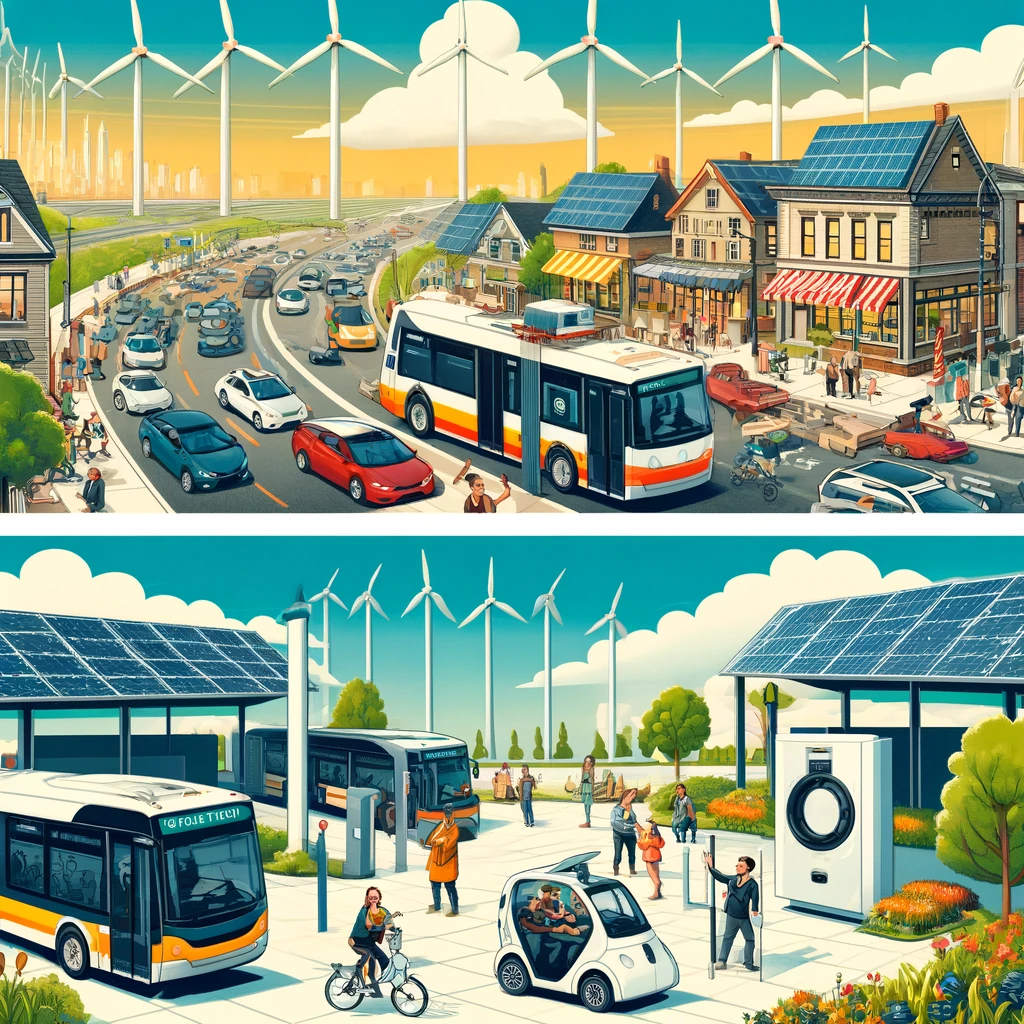
Sustainable urban development is quickly becoming a cornerstone of modern city planning. As urban areas continue to grow and face challenges such as air pollution, traffic congestion, and climate change, the need for innovative solutions has never been more urgent. One of the critical elements in promoting sustainability in urban areas is transportation. Traditional vehicles contribute significantly to greenhouse gas emissions and poor air quality. However, the advent of electric vehicles (EVs) offers a promising alternative that could transform the landscape of urban transportation and significantly enhance sustainability.
In this comprehensive article, we will explore the role of electric vehicles in urban sustainability. We’ll delve into how EVs can reduce pollution, their economic advantages, their impact on infrastructure, and how their adoption can be encouraged. By understanding the multifaceted benefits and challenges of integrating electric vehicles into urban planning, cities can take more informed steps toward a more sustainable future.
The Environmental Impact of Electric Vehicles
One of the primary drivers behind the adoption of electric vehicles in urban areas is their potential to drastically reduce environmental pollution. Traditional internal combustion engine (ICE) vehicles emit a substantial amount of carbon dioxide (CO2) and other greenhouse gases (GHGs), which contribute to global warming and poor urban air quality. Electric vehicles, on the other hand, produce zero tailpipe emissions, making them a cleaner alternative.
Furthermore, the energy sources used for charging electric vehicles are increasingly becoming greener. With advancements in renewable energy technologies, many urban areas are now utilizing solar, wind, and hydropower to generate electricity. This means that the overall carbon footprint of electric vehicles can be significantly lower compared to their gasoline- or diesel-powered counterparts. Therefore, the wide-scale adoption of EVs can lead to a substantial reduction in urban air pollution, benefitting public health and contributing to overall urban sustainability.
Economic Benefits of Electric Vehicles
Beyond the environmental advantages, electric vehicles also offer a range of economic benefits. Firstly, the cost of operating an EV is generally lower than that of a traditional vehicle. This reduction in operational costs stems from several factors, including lower fuel costs (electricity is often cheaper than gasoline or diesel), fewer moving parts which result in lower maintenance costs, and various government incentives aimed at promoting EV adoption.
In many parts of the world, governments are offering tax credits, rebates, and even free parking incentives for EV owners. These financial incentives make the initial investment in an electric vehicle more attractive. Furthermore, as the technology matures, the cost of EVs is expected to continue declining, making them more accessible to the average consumer.
Moreover, the electric vehicle industry is creating new economic opportunities. From job creation in manufacturing and maintenance to innovation in battery technology and renewable energy, the shift towards electric vehicles is driving economic growth and diversification. This aspect is particularly important for urban areas looking to create sustainable economic development and resilience.

EV Infrastructure and Urban Planning
The integration of electric vehicles into urban areas necessitates significant changes in infrastructure and urban planning. One of the most critical components is the establishment of a robust and accessible network of charging stations. Urban planners must ensure that both residential and commercial areas are equipped with adequate charging facilities to support the growing number of electric vehicles.
Additionally, the urban grid must be capable of handling the increased electricity demand that comes with widespread EV adoption. Therefore, investments in grid modernization and smart technologies are essential. Smart grids can help manage the distribution of electricity more efficiently, minimizing the risk of power outages and ensuring that energy is available where and when it is needed.
Urban planners are also considering the integration of EVs into public transportation systems. Electric buses, trams, and even ferries are being introduced in many cities around the world. Such initiatives not only reduce the carbon footprint of public transit but also set an example for private vehicle owners to follow suit.
Encouraging EV Adoption
Encouraging the adoption of electric vehicles involves a combination of policy measures, public awareness campaigns, and incentives. Governments at all levels play a critical role in setting the stage for a sustainable transition. Policies such as emissions regulations, urban low-emission zones, and fuel efficiency standards can create a favorable environment for EV proliferation.
Public awareness campaigns are also essential in educating citizens about the benefits of electric vehicles. By dispelling myths about range anxiety, charging time, and overall performance, these campaigns can help shift public perception and increase acceptance of EVs.
Furthermore, providing incentives such as financial subsidies, tax rebates, and even non-monetary benefits like HOV lane access can significantly boost the adoption rates of electric vehicles. By making it financially attractive and practically convenient for consumers to choose EVs, policymakers can accelerate the transition toward sustainable urban transportation.
Challenges and Solutions in EV Adoption
Despite the numerous benefits, the adoption of electric vehicles in urban areas does come with its own set of challenges. One of the primary concerns is the availability of charging infrastructure. Without a reliable and widespread network of charging stations, potential EV buyers may be hesitant to make the switch from traditional vehicles.
Another challenge is the range of electric vehicles, which can still be a limiting factor for some users, particularly those who travel long distances regularly. However, advancements in battery technology are continuously extending the range of new electric vehicles, making them more competitive with their internal combustion engine counterparts.
Battery disposal and recycling is another area of concern. The production and disposal of batteries have environmental impacts that need to be managed carefully. Developing efficient recycling processes and investing in research to improve battery life and composition are crucial steps in addressing these challenges.
Finally, the initial cost of electric vehicles remains higher than traditional vehicles. While this cost is expected to decrease over time, ongoing incentives and subsidies are necessary to bridge the gap and encourage consumers to transition to electric vehicles.
Conclusion
In conclusion, electric vehicles play a pivotal role in promoting urban sustainability. Their environmental benefits, including the reduction of greenhouse gas emissions and air pollutants, make them a cleaner alternative to traditional vehicles. The economic advantages, such as lower operating costs and various financial incentives, further enhance their appeal. However, integrating electric vehicles into urban areas requires substantial changes in infrastructure and urban planning, along with a concerted effort from policymakers, urban planners, and the public.
Despite the challenges associated with EV adoption, such as charging infrastructure, range limitations, and battery disposal, the potential benefits far outweigh the drawbacks. With continued advancements in technology and increasing investments in renewable energy, electric vehicles represent a viable and sustainable solution for urban transportation.
As cities around the world strive to become more sustainable, the role of electric vehicles cannot be overlooked. By embracing this technology and addressing the associated challenges, urban areas can make significant strides toward a greener, healthier, and more sustainable future.
Frequently Asked Questions
1. How do electric vehicles contribute to urban sustainability?
Electric vehicles (EVs) play a vital role in enhancing urban sustainability. One of the primary contributions is the reduction of greenhouse gas emissions. Unlike traditional gasoline and diesel vehicles, EVs produce no tailpipe emissions, which drastically reduces air pollutants in densely populated urban environments. This leads to cleaner air, which is crucial for public health, as air pollution can exacerbate respiratory and cardiovascular conditions. Moreover, by decreasing reliance on fossil fuels, EVs help mitigate climate change by lowering the overall carbon footprint of a city.
In addition to environmental benefits, EVs also contribute to the economic and social aspects of sustainability. They are often associated with lower operating costs compared to conventional vehicles, thanks to reduced fuel expenses and maintenance costs. This can provide financial savings for individuals and fleet operators alike. Furthermore, the adoption of EVs can drive technological innovation and create green jobs in sectors such as renewable energy, battery development, and charging infrastructure. Collectively, these factors make EVs essential players in a comprehensive approach to sustainable urban development.
2. How can cities support the transition to electric vehicles?
Cities hold a pivotal role in facilitating the transition to electric vehicles through policy frameworks, infrastructure development, and public awareness. One of the first steps cities can take is to implement supportive policies such as tax incentives, rebates, and grants for purchasing electric vehicles. These financial mechanisms help lower the upfront cost barrier and make EVs more accessible to a broader audience.
Infrastructure development is another crucial area where cities can drive EV adoption. This includes installing ample public charging stations to address range anxiety, which is the fear of running out of battery life before reaching a destination. Cities need to ensure that charging stations are conveniently located and capable of accommodating a growing number of electric vehicles. Additionally, integrating charging station networks into public transportation hubs can further enhance accessibility.
Education and outreach are equally important. Cities can launch awareness campaigns to inform residents about the environmental benefits and financial savings associated with EVs. Workshops, test-drive events, and partnerships with local dealerships can help demystify electric vehicles and encourage consumers to make the switch. Ultimately, a collaborative effort involving government, businesses, and the community at large is essential to successfully transition to an electrified transportation system.
3. Are there any barriers to the widespread adoption of electric vehicles in urban areas?
While the shift to electric vehicles offers compelling benefits, there are several barriers that need to be addressed to achieve widespread adoption. One of the primary challenges is the lack of adequate charging infrastructure. Many urban areas, especially those with older infrastructure, may not have the necessary facilities to support a growing fleet of electric vehicles. Developing extensive and reliable charging networks is imperative to overcome this hurdle.
Another barrier is the initial cost of electric vehicles, which can be higher than that of their gasoline counterparts. Although the total cost of ownership may be lower in the long run due to reduced maintenance and fuel expenses, the upfront investment remains a significant consideration for many consumers. Continued government incentives and decreasing battery costs are expected to help alleviate this issue over time.
Additionally, consumer perceptions and education levels about electric vehicles may also impede adoption. Misconceptions regarding range limitations, performance capabilities, and maintenance can dissuade potential buyers. Addressing these concerns through targeted education and demonstration initiatives is crucial.
Lastly, the transition requires adequate grid capacity and energy sources to support increased electricity demand. Ensuring that electricity comes from renewable sources can further enhance the sustainability of urban transportation networks. Utilities and city planners must collaborate to manage the transition and ensure that infrastructure is robust enough to meet future needs.
4. What role do electric vehicles play in reducing traffic congestion?
While electric vehicles themselves do not directly reduce traffic congestion, they can be part of a broader strategy to tackle this issue in urban areas. Integrating EVs within smart transportation systems can promote efficient mobility solutions, such as shared electric car fleets or electric public transit, that have the potential to ease congestion by reducing the number of personally owned conventional vehicles on the road.
Moreover, advancements in autonomous driving technology can lead to more efficient use of road networks. Many modern electric vehicles are equipped with, or compatible with, automated driving systems that optimize routes, reduce stop-and-go traffic, and potentially enable vehicle platooning, thereby maximizing road space and traffic flow.
Lastly, cities around the world are developing Low Emission Zones (LEZs) or Zero Emission Zones (ZEZs), where only electric or low-emission vehicles are allowed. This not only encourages the adoption of EVs but also improves traffic conditions by regulating vehicle entry and promoting more sustainable modes of transportation, such as cycling and public transit.
5. What is the environmental impact of electric vehicle batteries, and how can it be managed sustainably?
Electric vehicle batteries, typically lithium-ion, carry both environmental opportunities and challenges. On the positive side, these batteries enable EVs to operate without producing tailpipe emissions, which contributes significantly to reducing urban air pollution and addressing climate change.
However, there are environmental considerations associated with the production and disposal of EV batteries. Mining and processing the raw materials needed for battery cells, such as lithium, cobalt, and nickel, can have ecological and ethical implications, including land degradation and pollution. To mitigate this impact, it is crucial to adopt responsible mining practices and ensure supply chains are ethically managed.
The end-of-life phase poses another challenge, as improperly disposed batteries can harm the environment. To address this, recycling programs are essential. Designing batteries for disassembly can facilitate recycling and resource recovery efforts, minimizing wastage and mitigating the environmental footprint of spent batteries. Additionally, second-life applications for EV batteries, such as energy storage systems for renewable energy, offer a way to extend their utility. As technology and innovation in battery materials and recycling processes advance, it is expected that the environmental impact of EV batteries will reduce significantly over time, further enhancing their role in promoting urban sustainability.