Sustainable urban development is gaining traction as an essential approach to creating livable cities that can support healthy populations and a sustainable future. With the acceleration of urbanization globally, the challenges associated with urban living, such as pollution, overcrowding, and inadequate green spaces, are becoming more pronounced. As cities grow and evolve, the principles of sustainable development offer a framework to address these issues while promoting public health, social equity, and environmental sustainability.
Historically, urban planning often prioritized economic growth over health and environmental considerations, leading to adverse effects like poor air quality, insufficient infrastructure, and health disparities across communities. Today, there’s a paradigm shift towards integrating sustainability into urban development, recognizing its potential to vastly improve public health outcomes. This approach isn’t just about constructing green buildings or improving energy efficiency; it’s about redesigning entire urban systems to foster healthier lifestyles, reduce exposures to environmental risks, and create inclusive communities.
This article explores the multifaceted relationship between sustainable development and public health. We will delve into how sustainable development strategies are being implemented in urban settings, their impact on various health determinants, and the future prospects of synergizing urban planning with public health objectives.
The Role of Green Spaces
One of the key components of sustainable urban development is the incorporation of green spaces. Parks, gardens, and green roofs do more than just beautify urban landscapes; they play a vital role in enhancing public health. Access to green spaces has been consistently linked with improved mental health, reduced stress, and increased physical activity. Research has shown that individuals living near parks are more likely to engage in exercise, which is critical for preventing chronic diseases such as obesity, diabetes, and cardiovascular conditions.
Furthermore, green spaces contribute to better air quality by acting as natural filters that absorb pollutants and produce oxygen. This is particularly important in urban areas where air pollution is a significant health concern. Children, the elderly, and those with pre-existing respiratory conditions are especially vulnerable to the harmful effects of poor air quality.
The presence of green spaces also fosters social cohesion and community well-being. Public parks and recreational areas serve as communal hubs where people can gather, interact, and build stronger social networks. These social connections are crucial for mental health, providing support systems that can mitigate feelings of isolation and anxiety.
Transportation and Mobility
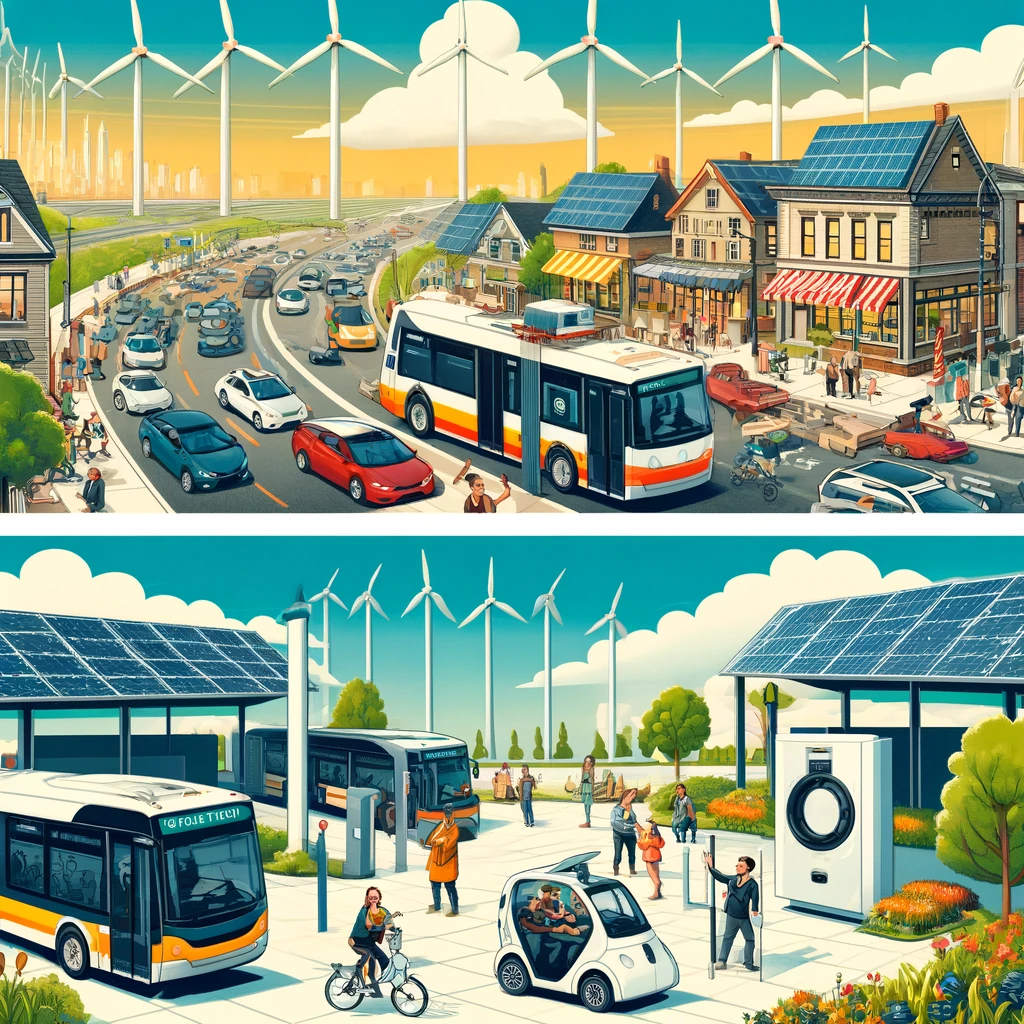
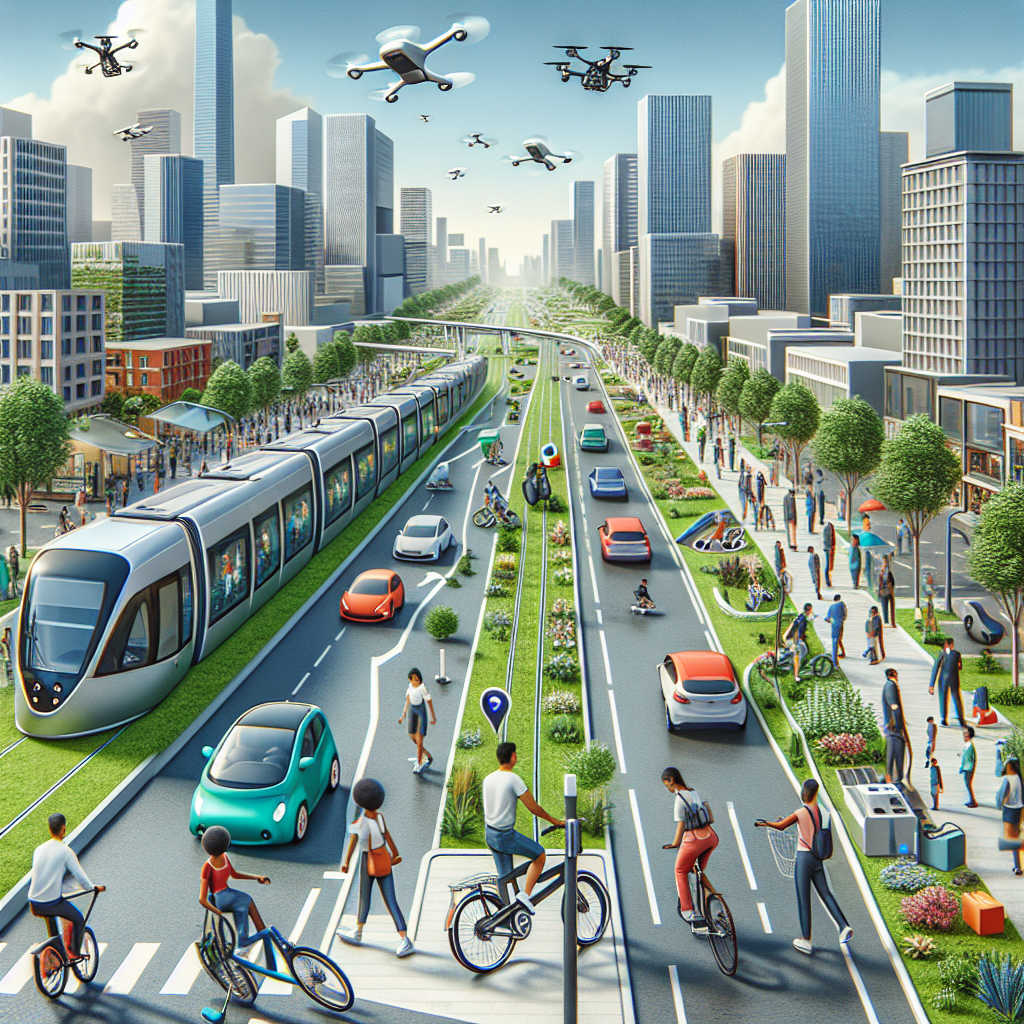
Sustainable transportation solutions are another critical element of urban development that significantly impacts public health. Traditional transportation systems reliant on cars contribute to air pollution, greenhouse gas emissions, and sedentary lifestyles. In contrast, sustainable transportation prioritizes public transit, cycling, and walking, all of which have profound health benefits.
Efficient public transit systems reduce the number of vehicles on the road, cutting down on urban air pollution and minimizing the risk of traffic-related accidents. Moreover, the convenience of public transit encourages walking and biking as means of last-mile connectivity. These forms of active transportation not only reduce fossil fuel consumption but also promote physical activity, which is essential in preventing obesity and other lifestyle-related diseases.
Cities such as Copenhagen and Amsterdam serve as exemplary models of sustainable transportation. Bike lanes, pedestrian zones, and extensive public transit networks are strategically designed to promote mobility while ensuring safety and convenience for all residents. The health benefits observed in these cities underscore the importance of integrated, sustainable infrastructure in urban planning.
Housing and Building Design
The design and quality of housing also play pivotal roles in public health. Sustainable housing developments focus on energy efficiency, indoor air quality, and the use of non-toxic building materials. Such features are fundamental in mitigating health risks associated with poor living conditions.
Energy-efficient buildings reduce the reliance on fossil fuels, lowering greenhouse gas emissions and improving air quality. Passive solar design, proper insulation, and renewable energy installations like solar panels decrease energy consumption and reduce the environmental footprint of housing. Additionally, sustainable buildings prioritize proper ventilation and the use of non-toxic paints and materials, significantly enhancing indoor air quality and reducing exposure to harmful substances.
Affordable and equitable housing solutions are integral to sustainable urban development. Housing affordability and accessibility directly impact social determinants of health, such as income, education, and occupation. Sustainable housing policies that emphasize inclusivity ensure that all community members, regardless of socioeconomic status, have access to safe, healthy, and affordable living conditions.
Water and Sanitation
Access to clean water and effective sanitation systems is a fundamental human right and a cornerstone of public health. Sustainable urban development includes strategies to ensure reliable water supply, efficient use of water resources, and proper sanitation facilities.
Water-efficient technologies, such as low-flow fixtures and rainwater harvesting systems, are increasingly being incorporated into urban design. These technologies help conserve water, reduce the strain on municipal water supplies, and ensure the availability of clean water for future generations. Proper wastewater treatment and management systems are crucial in preventing waterborne diseases and environmental contamination.
Urban planning that integrates sustainable water management practices not only improves public health but also enhances the resilience of communities against climate change impacts, such as droughts and floods. Ensuring that all residents have access to clean water and adequate sanitation facilities is essential in addressing public health disparities and achieving equitable urban sustainability.
Food Systems and Nutrition
Sustainable urban development also encompasses the creation of resilient and accessible food systems. Urban agriculture, community gardens, and farmers’ markets are increasingly being integrated into city planning to ensure that all residents have access to fresh, nutritious, and affordable foods.
Supporting local food production not only reduces the carbon footprint associated with food transportation but also enhances food security and promotes healthier eating habits. Communities with access to fresh produce are less likely to suffer from diet-related health problems, such as obesity, malnutrition, and chronic diseases.
Additionally, urban agriculture initiatives can provide economic opportunities and foster a sense of community. Community gardens often serve as educational hubs where residents can learn about sustainable farming practices, nutrition, and environmental stewardship. These projects empower residents to take an active role in their health and the health of their community.
Climate Resilience and Adaptation
Climate change poses significant threats to urban areas, affecting public health in multifaceted ways. Sustainable urban development includes strategies to enhance the climate resilience and adaptability of cities, ensuring that they can withstand and recover from climate-related impacts.
Urban areas are particularly vulnerable to extreme weather events, such as heatwaves, floods, and storms. These events can lead to property damage, displacement, and increased health risks, particularly for vulnerable populations. Integrating climate resilience into urban planning involves designing infrastructure that can withstand extreme weather, creating green corridors to manage stormwater, and implementing heat mitigation strategies such as green roofs and urban tree canopies.
Moreover, climate adaptation measures are essential in protecting public health. Early warning systems, robust emergency response plans, and community education initiatives prepare residents for climate-related health risks. Ensuring that healthcare facilities are resilient and capable of operating during extreme weather events is also crucial in maintaining public health services.
Conclusion
The interconnection between sustainable urban development and public health is undeniable. Cities that prioritize sustainability are better equipped to foster environments that promote physical and mental well-being, reduce health disparities, and support healthy lifestyles. The integration of green spaces, sustainable transportation, quality housing, water and sanitation services, local food systems, and climate resilience measures collectively contribute to healthier urban populations.
As urbanization continues to accelerate, the need for comprehensive urban planning that incorporates public health considerations becomes increasingly critical. Policymakers, urban planners, and public health professionals must collaborate to ensure that sustainability remains at the forefront of urban development. This multidisciplinary approach will not only create healthier cities but also contribute to achieving broader global sustainability goals, such as those outlined in the United Nations Sustainable Development Goals (SDGs).
Moving forward, the adoption and implementation of sustainable urban development practices will be essential in addressing the complex public health challenges posed by rapidly changing urban environments. By prioritizing the health and well-being of urban residents, we can build cities that are not only sustainable but also resilient, inclusive, and conducive to a high quality of life.
Frequently Asked Questions
1. What is Sustainable Development and how does it affect public health?
Sustainable development is a comprehensive approach aimed at meeting the needs of the present without compromising the ability of future generations to meet their own needs. It encompasses environmental, economic, and social dimensions to create a balanced approach to development. In the realm of urban planning, sustainable development involves designing city infrastructures and amenities that are not only efficient and eco-friendly but also promote the well-being of its residents.
When cities adopt sustainable development practices, public health benefits in numerous ways. For instance, creating more green spaces in urban areas offers residents a natural sanctuary to reduce stress and increase physical activity, which are key factors in maintaining physical and mental health. Additionally, sustainable development reduces pollution levels by supporting the use of clean energy and cutting down on emissions, leading to healthier air quality. By integrating the principles of sustainable urban development, cities can build environments that support a higher quality of life and amplify public health outcomes.
2. How does sustainable urban development help reduce air pollution and its impact on health?
Air pollution is a significant public health concern in many urban environments, contributing to a wide range of problems such as respiratory diseases, cardiovascular conditions, and even headaches or migraines. One of the major sources of air pollution in cities is transportation, followed by industrial emissions and energy production. Sustainable urban development tackles this by implementing smart, eco-friendly solutions.
Public transportation systems are overhauled to become more efficient and less reliant on fossil fuels, reducing the number of vehicles on the road. Encouragement of cycling and walking through the creation of dedicated lanes and pathways promotes a decrease in vehicular emissions. Moreover, urban planners incorporate green roofs and walls that help absorb pollutants and improve air quality. By moving towards sustainable urban policies focused on reducing pollution, public health risks can be greatly reduced, emphasizing cleaner environments leading to healthier communities.
3. Are there specific examples of sustainable development practices improving public health in cities?
Absolutely, several cities globally have integrated sustainable development practices to bolster public health. Take, for example, the city of Copenhagen in Denmark, where a robust network of bike lanes and pedestrian-friendly streets has made cycling a primary mode of transportation. This not only reduces traffic congestion and emissions but significantly enhances physical health through increased activity levels.
Another example is Curitiba in Brazil, which boasts one of the most innovative public transportation systems in the world, decreasing reliance on private vehicles and therefore reducing air pollution. This transit prioritization is coupled with extensive parks and green spaces that contribute to mental well-being and promote community engagement.
Furthermore, the city of Singapore has integrated vertical gardens and green roofs into its architecture, leading to better air quality and cooler urban temperatures. These green areas not only contribute to an increase in biodiversity but also offer residents spaces for recreation and relaxation, thereby improving mental health.
4. How do green spaces in urban areas contribute to public health?
Green spaces are an integral component of sustainable urban development because they significantly contribute to improved public health. Firstly, they provide essential forms of air purification, as plants absorb carbon dioxide and release oxygen. This natural process results in fresher and healthier air, reducing the incidence of respiratory problems.
Moreover, green spaces such as parks, community gardens, and urban forests offer opportunities for physical exercise, which is critical for combating obesity, diabetes, and heart diseases. These areas also provide a setting for social interactions, fostering stronger community bonds and reducing feelings of isolation or loneliness, which in turn benefits mental health. The aesthetic beauty and tranquility of green spaces are known to reduce stress and anxiety levels, thereby improving overall emotional well-being. Hence, integrating ample and accessible green spaces into urban planning is a vital strategy for enhancing public health.
5. What role does access to clean water and sanitation play in sustainable development and public health?
Access to clean water and adequate sanitation is a fundamental aspect of sustainable development with direct implications on public health. When cities prioritize sustainable water management, they ensure the availability of safe drinking water, which is crucial for preventing waterborne diseases such as cholera and typhoid fever.
Sanitation facilities are equally important as they help prevent the spread of diseases. Proper waste disposal systems reduce exposure to harmful pathogens and also protect the environment from contamination. Sustainable practices also include the use of water-efficient technologies and the establishment of rainwater harvesting systems, which supplement water supply and promote resource conservation.
Incorporating these elements into urban development ensures that communities are healthier and more resilient. The resultant public health benefits include not only reduced disease prevalence but also enhancements in overall well-being and increased life expectancy, demonstrating the intricate ties between sustainable development and public health outcomes.