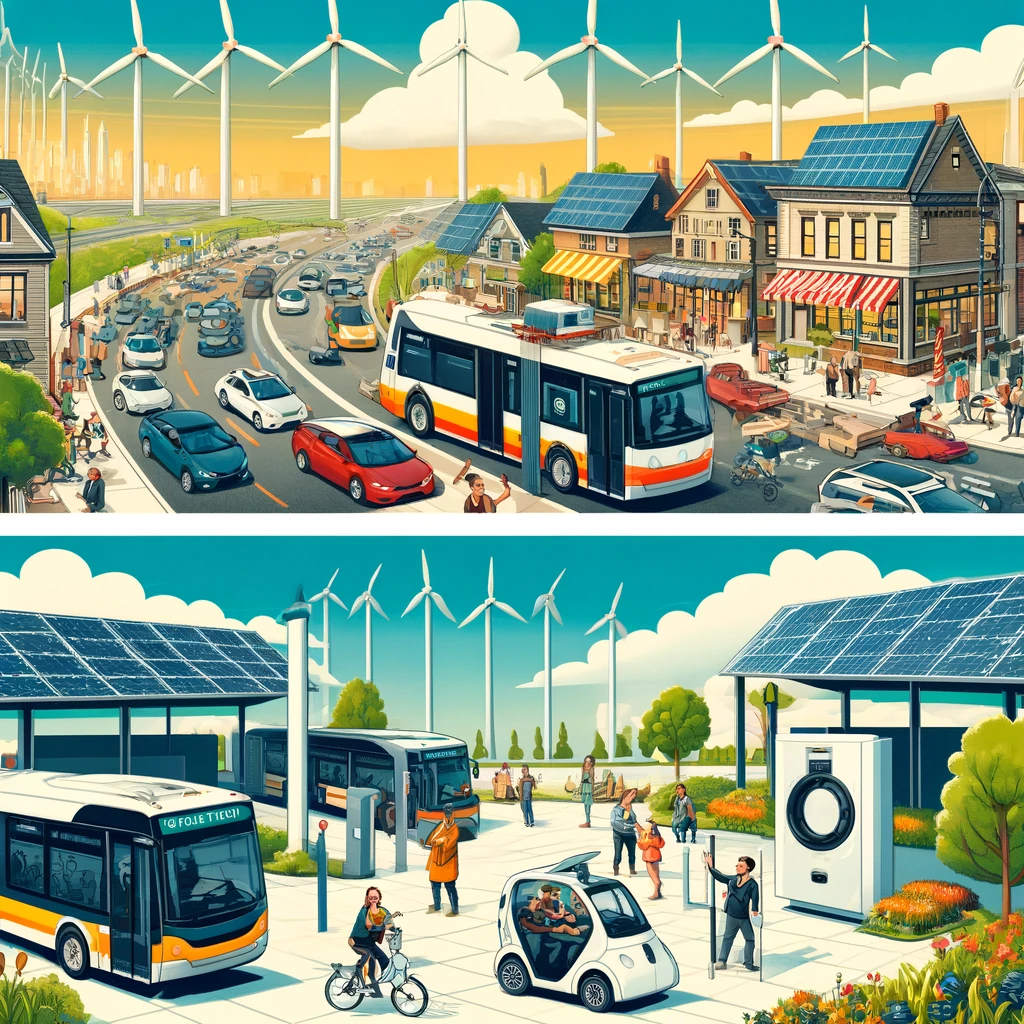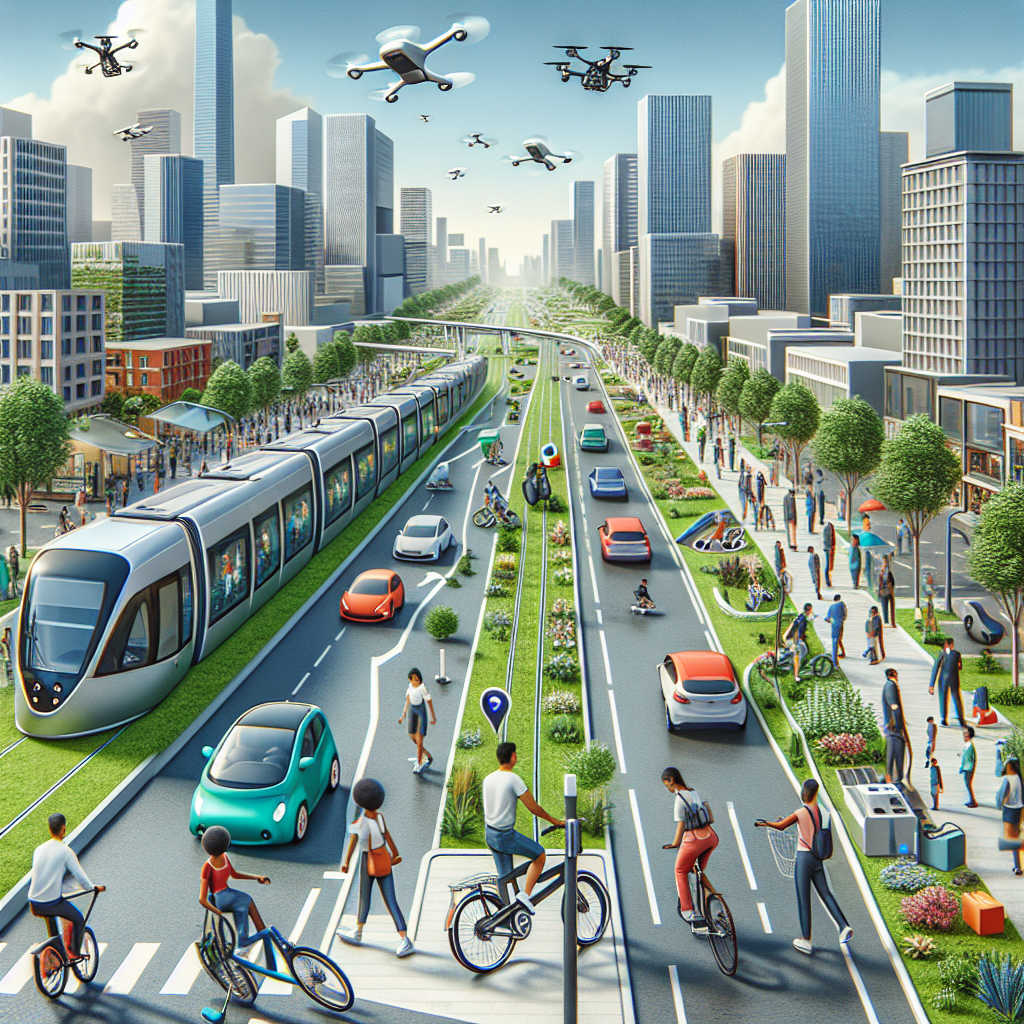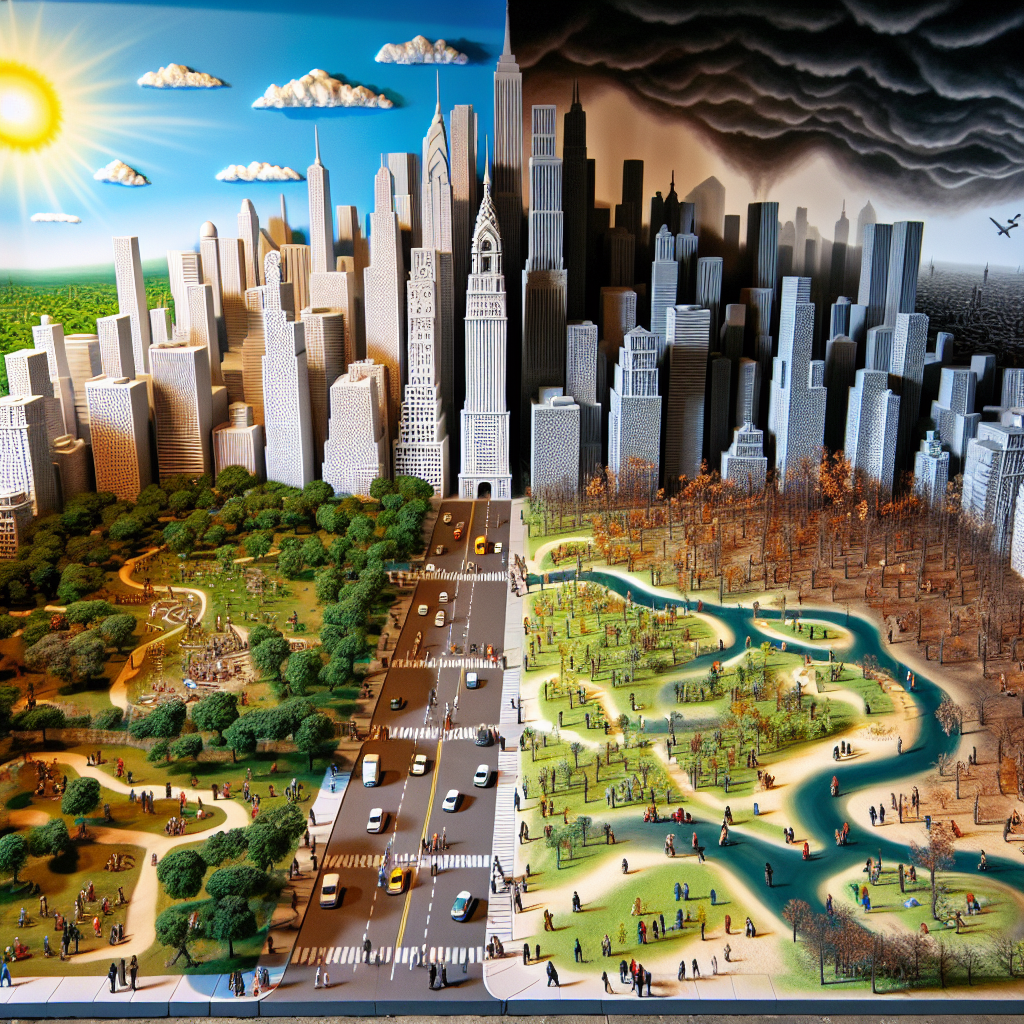
As climate change continues to advance at an alarming rate, its effects are being felt across all sectors, with urban environments being particularly vulnerable. The growing challenges posed by climate change drive cities to rethink and reshape their planning strategies to enhance resilience and sustainability. From rising sea levels and increased temperatures to unpredictable weather patterns, urban planners and policymakers are grappling with how to create cities that can withstand these global shifts. This article aims to provide a comprehensive understanding of the impact of climate change on urban planning and highlight the innovative strategies that are being deployed to address these challenges.
Understanding the profound effects of climate change on urban environments is crucial for municipal governments, planners, developers, and residents alike. The physical manifestation of climate change, including stronger storm surges, frequent flooding, and prolonged droughts, necessitates a fundamental transformation in how urban areas are developed and maintained. Traditional urban planning methods that once sufficed are increasingly outdated in the face of these new environmental realities.
Moreover, the economic impacts of climate change on cities cannot be overstated. Cities, being the hubs of economic activity, face staggering costs related to infrastructural damage, retrofitting, and the displacement of residents. Thus, there is an urgent need for cities to adopt strategies that mitigate these climate-related risks. This introduction sets the stage for an in-depth exploration of how climate change is altering urban planning paradigms and the forward-thinking solutions that are emerging as a result.
Understanding the Challenges
Urban environments face a myriad of challenges posed by climate change, which demand an urgent re-evaluation of planning strategies. As sea levels rise, coastal cities are particularly vulnerable to flooding and erosion. This has major implications for the infrastructure, economy, and the day-to-day lives of urban dwellers. Planners must integrate flood defense mechanisms, such as sea walls and raised buildings, to protect these cities. Additionally, cities must rethink zoning laws to restrict development in high-risk areas.
Extreme heat is another challenge brought about by climate change that affects urban areas. Heatwaves are becoming more frequent and severe, posing public health risks and straining energy systems as air conditioning usage surges. Planners are turning to green infrastructure solutions, such as increasing urban green spaces, to mitigate the heat island effect. Trees, parks, and green roofs help cool cities naturally and improve the quality of life for residents.
Moreover, fluctuating weather patterns, from intense downpours to prolonged droughts, complicate water management in urban areas. Cities must invest in advanced stormwater management systems to handle heavy rains and ensure sustainable water supply during dry spells. These systems include permeable pavements, rain gardens, and rainwater harvesting technologies aimed at enhancing urban resilience.
Innovative Strategies for Sustainable Urban Development
Addressing the unique impacts of climate change requires innovative and forward-thinking strategies in urban planning. One such approach is the integration of smart city technologies. Smart cities use data and IoT (Internet of Things) devices to monitor and manage urban infrastructure efficiently. These technologies aid in optimizing energy consumption, reducing emissions, and improving the overall sustainability of urban environments.
Another innovative strategy is the emphasis on transit-oriented development (TOD). TOD focuses on creating high-density developments centered around public transportation hubs. This reduces the reliance on private vehicles, lowers greenhouse gas emissions, and promotes more sustainable urban growth. Cities like Copenhagen and Portland serve as successful examples of how TOD can be effectively implemented.
Additionally, the adoption of circular economy principles is gaining traction in urban planning. This model encourages the recycling of materials and the elimination of waste through innovative design and sustainable consumption practices. Cities are exploring ways to create circular systems that prioritize reuse, repair, and recycling, thus reducing their environmental footprint.
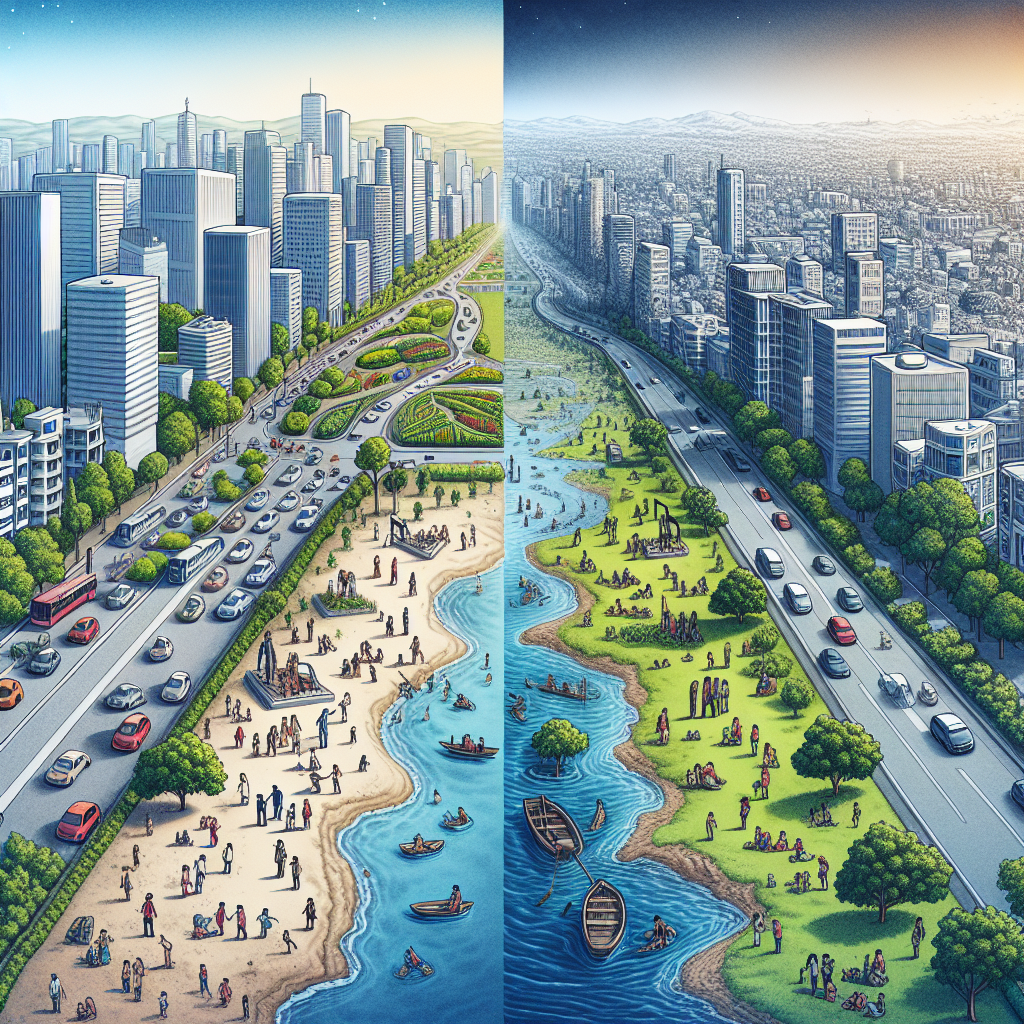
Community Engagement and Resilience Building
For urban planning initiatives to be successful, community engagement is paramount. Residents must be actively involved in climate adaptation and mitigation efforts. Community-based resilience projects foster a sense of ownership and collective responsibility for the environment. By involving local communities in planning and decision-making processes, cities ensure that the strategies implemented are inclusive and address the needs of all residents.
Community gardens, for example, are a practical way to enhance food security and promote sustainable living. These green spaces provide local produce, reduce urban heat, and serve as communal spaces for education and social interaction. Similarly, citizen science programs that engage residents in monitoring local environmental conditions can provide valuable data and help build climate resilience.
Moreover, cities are increasingly focusing on creating climate-resilient infrastructure that can withstand extreme weather events. This involves retrofitting existing buildings and developing new structures that are more resistant to flooding, heat, and other climate-related stresses. Public awareness campaigns and educational programs are critical in promoting the adoption of such practices and highlighting the significance of individual actions in combating climate change.
Policy Frameworks and Regulatory Approaches
Effective policy frameworks and regulatory approaches are essential for supporting sustainable urban development in the context of climate change. Governments at all levels play a critical role in setting standards, providing funding, and ensuring compliance with environmental regulations. Policies such as green building codes, renewable energy incentives, and carbon pricing schemes are instrumental in driving forward climate-positive urban development.
For instance, green building codes mandate the use of energy-efficient materials and technologies in new construction projects, thereby reducing energy consumption and emissions. Renewable energy incentives, such as subsidies for solar panel installations and electric vehicle (EV) charging stations, encourage the adoption of clean energy solutions in cities.
Furthermore, carbon pricing mechanisms, like carbon taxes or cap-and-trade systems, serve to internalize the environmental costs of greenhouse gas emissions. By putting a price on carbon, these policies incentivize businesses and individuals to reduce their carbon footprint and invest in sustainable alternatives. Cities like London and New York have implemented robust policy frameworks that have paved the way for significant climate action and urban sustainability efforts.
Best Practices from Global Cities
Learning from the best practices of global cities offers valuable insights into effective urban planning for climate resilience and sustainability. Cities such as Amsterdam, Singapore, and Melbourne are at the forefront of innovative urban planning strategies that prioritize sustainability and climate resilience.
Amsterdam, for instance, is renowned for its comprehensive approach to water management. The city has implemented an extensive network of canals, flood barriers, and water storage facilities to cope with rising sea levels and increased rainfall. These measures ensure that the city remains resilient in the face of climate change-related water challenges.
Singapore, another exemplary city, has invested heavily in green infrastructure. The city-state is known for its abundant green spaces, vertical gardens, and sustainable urban design. The “City in a Garden” vision promotes biodiversity and enhances urban livability while reducing the urban heat island effect. Singapore’s stringent water management policies also serve as a model for water-scarce cities around the world.
In Melbourne, a focus on sustainable transportation and renewable energy has helped the city reduce its carbon footprint. Initiatives such as the expansion of public transport networks, the promotion of cycling and walking, and the integration of solar energy into the grid have positioned Melbourne as a leader in sustainable urban development.
Conclusion:
In conclusion, the impact of climate change on urban planning is both profound and far-reaching. As cities continue to grow and evolve, the importance of integrating climate resilience and sustainability into urban planning cannot be overstated. From innovative strategies and community engagement to policy frameworks and best practices from around the globe, cities have a wealth of tools at their disposal to navigate the challenges posed by climate change.
As we move forward, it is vital that urban planners, policymakers, and residents work collaboratively to create cities that are not only sustainable but also adaptable to the changing climate. By embracing innovative solutions, fostering community involvement, and implementing robust policies, cities can enhance their resilience, protect their inhabitants, and contribute to the global efforts to combat climate change.
The lessons learned from leading global cities provide a roadmap for others to follow. As climate change continues to unfold, the urgency for sustainable urban development grows. The decisions made today will shape the cities of tomorrow, and it is our collective responsibility to ensure that these cities are vibrant, resilient, and capable of withstanding the challenges of a changing climate.
Frequently Asked Questions
1. How does climate change affect urban planning?
Climate change significantly impacts urban planning as cities are increasingly exposed to various climate-related challenges such as rising sea levels, extreme heat, and erratic weather patterns. Urban planners must incorporate climate resilience into the design and development of urban areas. This involves integrating green infrastructure, enhancing building codes, and creating adaptive strategies to mitigate risks. Planners also need to consider long-term sustainability by reducing carbon footprints, promoting sustainable transportation, and fostering environmentally friendly urban spaces that can withstand these changes over time.
2. What strategies are cities implementing to address rising sea levels?
As sea levels continue to rise due to melting ice caps and thermal expansion, cities situated along coastlines are particularly vulnerable. Urban planners are implementing a variety of strategies to address this issue. Cities are enhancing coastal defenses by constructing sea walls, levees, and floodgates to protect against storm surges and flooding. Additionally, some urban regions are investing in wetland restoration and the development of natural buffers to absorb excess water. In designing new structures and urban areas, planners often incorporate elevated buildings and employ sustainable drainage systems to manage water flow and reduce flood risk.
3. How are increased temperatures influencing urban infrastructure?
With climate change resulting in hotter, more frequent heatwaves, urban areas are experiencing significant impacts on their infrastructure. High temperatures can lead to road damage, rail buckling, and increased energy demand due to air conditioning. Urban planners are addressing these issues by integrating heat-resilient materials in roads and buildings, enhancing energy efficiency in infrastructure to reduce electricity demand, and promoting urban greening efforts such as planting trees and creating green roofs, which provide cooling through shade and evapotranspiration. By incorporating these solutions, cities aim to mitigate the urban heat island effect and provide comfortable environments for residents.
4. How do changing weather patterns affect transportation planning in cities?
Unpredictable weather patterns, including more intense storms and abrupt climate shifts, pose challenges for urban transportation planning. These changes can disrupt commute times, damage transport infrastructure, and pose safety risks. Urban planners are prioritizing the resilience of transportation systems by creating flexible and redundant networks that provide alternative routes during disruptions. Elevated or underground transportation systems are being designed to avoid flood-prone areas, while transit shelters are being built to withstand harsh weather conditions. Furthermore, cities are investing in technologies that provide real-time updates and integrate efficient emergency response strategies to keep transportation operative and accessible in adverse weather.
5. In what ways are urban planners promoting sustainability to mitigate climate change?
Urban planners are prioritizing sustainability to mitigate the effects of climate change and create liveable urban spaces. They are actively integrating renewable energy sources such as solar and wind power into urban developments to decrease reliance on fossil fuels. Cities are increasingly investing in public transportation systems to reduce emissions and promote car-free mobility. Sustainable building practices, including energy-efficient designs and materials, are utilized to lower environmental impact. Additionally, cities are fostering community engagement and support for these initiatives by promoting sustainable lifestyles through education and incentives. Urban planners strive to create interconnected green corridors and public spaces that enhance ecological balance and improve urban life quality, making cities more resilient to the impacts of climate change.