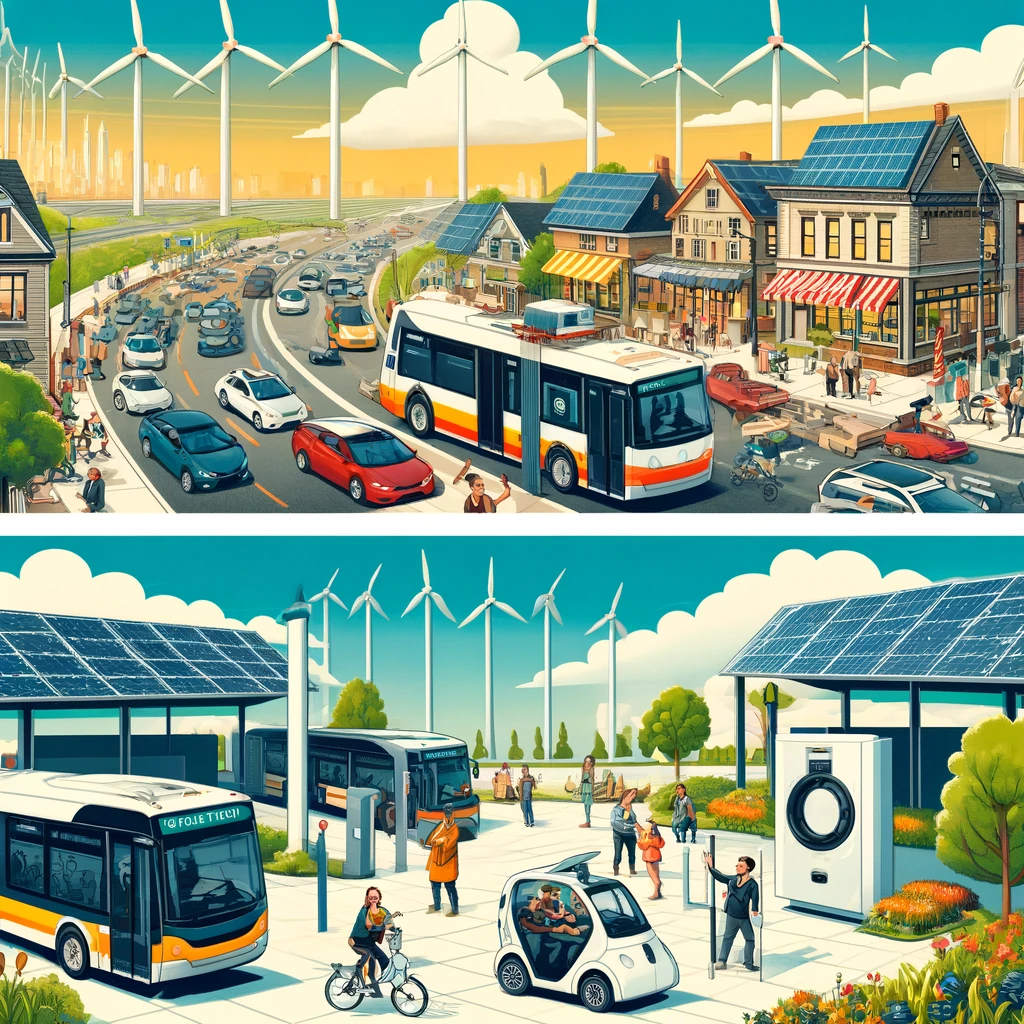
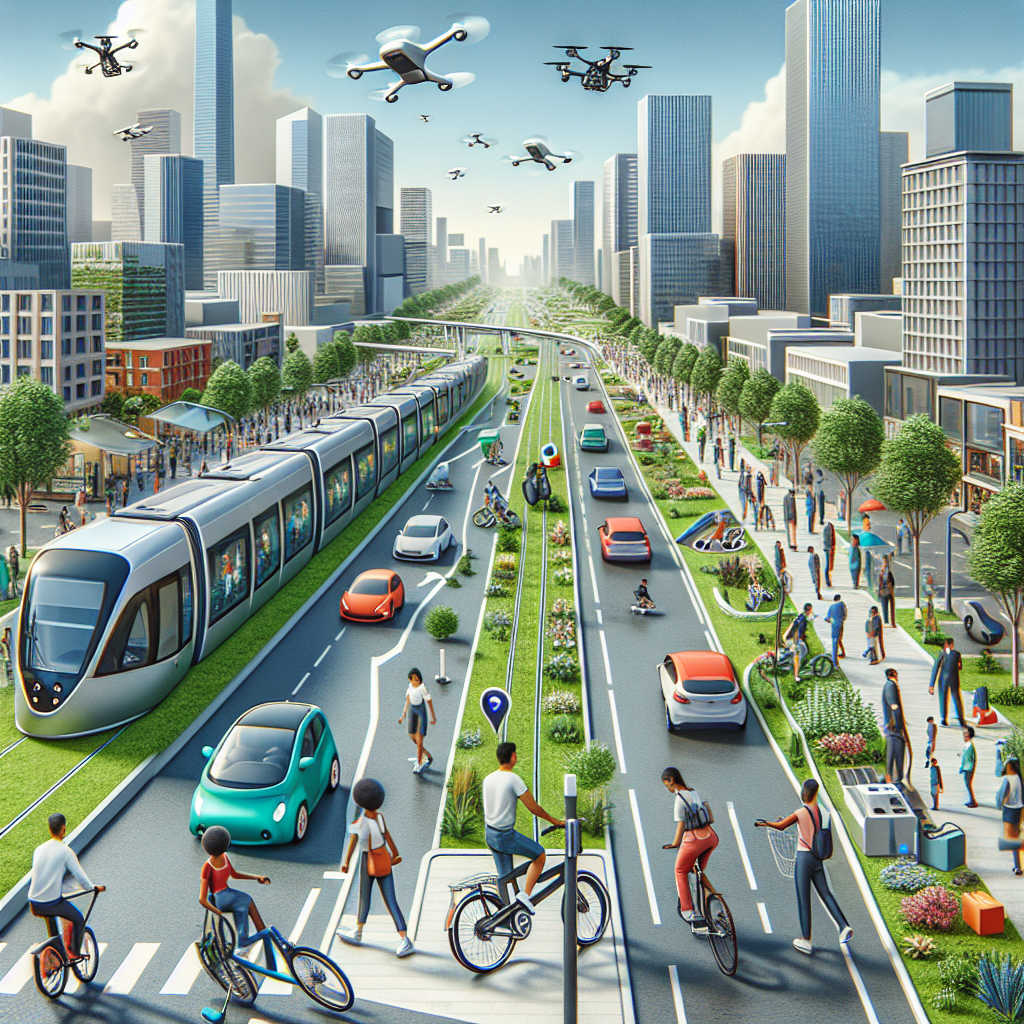
As the global population continues to grow and urbanize, the need for sustainable urban development has never been more pressing. Cities are responsible for over 70% of global carbon emissions, and they also face challenges such as air pollution, congestion, and the need for affordable housing. However, some cities are rising to the occasion, implementing creative solutions to combat these issues while ensuring a high quality of life for their residents. Below, we’ll explore case studies of sustainable cities from around the world, each offering unique strategies and innovative ideas for a greener urban future.
Copenhagen, Denmark: A Bicycle Haven
Copenhagen is often cited as a model for sustainable urban living, particularly for its emphasis on cycling as a primary mode of transportation. The city has invested heavily in bike infrastructure, with over 390 kilometers of dedicated bike lanes, making it one of the most bike-friendly cities globally. Almost half of all Copenhageners commute to work or school by bike, significantly reducing traffic congestion and CO2 emissions.
But Copenhagen’s sustainability efforts go beyond cycling. The city has set an ambitious goal to become carbon neutral by 2025. To achieve this, it has implemented a combination of wind energy, district heating systems, and innovative waste-to-energy plants. The Amager Bakke plant, for instance, is an architectural marvel that not only converts waste into energy but also doubles as a public recreation space, featuring a rooftop ski slope and hiking trails.
Key Takeaways:
- Heavy investment in cycling infrastructure.
- Ambitious carbon neutrality goal by 2025.
- Creative multi-use public spaces like the Amager Bakke waste-to-energy plant.
Singapore: Green Spaces in a Dense City
Singapore is a unique example of how dense urban environments can balance development with greenery. Known as the “Garden City,” Singapore has integrated green spaces into its urban fabric, from rooftop gardens to vertical greenery on buildings. The government’s long-term vision focuses on biophilic design, aiming to bring nature into the urban setting.
One of Singapore’s standout projects is Gardens by the Bay, a 101-hectare nature park featuring futuristic Supertrees and two massive conservatories. These spaces not only provide residents with green, recreational spaces but also contribute to the city’s biodiversity. Additionally, Singapore’s Green Building Masterplan promotes energy efficiency, mandating that new buildings meet strict sustainability criteria.
Singapore is also at the forefront of water sustainability. The country’s water catchment area has grown to 67% of its land area, thanks to an extensive network of reservoirs and water reclamation facilities. The Marina Barrage, for example, doubles as a flood control system and a recreational area, exemplifying Singapore’s multifunctional approach to urban planning.
Key Takeaways:
- Integration of greenery within dense urban environments.
- The Green Building Masterplan fosters energy-efficient buildings.
- Water sustainability through reservoirs and reclamation systems.
Curitiba, Brazil: Transit-Oriented Development
Curitiba, a city in southern Brazil, has long been a global leader in transit-oriented urban planning. In the 1970s, under Mayor Jaime Lerner, Curitiba implemented a groundbreaking Bus Rapid Transit (BRT) system that has since been emulated by cities worldwide. The BRT system features dedicated bus lanes and an efficient, affordable public transport network that significantly reduces traffic and pollution.
Curitiba has also made strides in waste management. The city’s “Garbage That Is Not Garbage” program encourages residents to separate recyclables from their trash. Additionally, the city offers incentives for residents to bring recyclables to collection points, including food and public transportation tickets, fostering a culture of environmental responsibility.
Curitiba’s urban design also emphasizes green spaces, with over 50 square meters of park space per resident. These parks serve as flood control systems, reducing the impact of heavy rains while offering recreational spaces for the community.
Key Takeaways:
- Pioneering Bus Rapid Transit (BRT) system.
- Innovative waste management programs.
- Extensive use of parks for flood control and recreation.

Reykjavik, Iceland: 100% Renewable Energy
Reykjavik stands out as one of the few cities in the world to run almost entirely on renewable energy. The Icelandic capital is powered by geothermal and hydroelectric energy, making it a global leader in clean energy. The city has also set a goal to be completely fossil fuel-free by 2040.
Geothermal energy powers much of Reykjavik’s infrastructure, from homes to public buildings, and even the city’s heated sidewalks. This extensive use of renewable energy drastically reduces the city’s carbon footprint while taking advantage of Iceland’s abundant natural resources.
Additionally, Reykjavik has prioritized sustainable transportation, with plans to implement a comprehensive public transportation system powered by hydrogen fuel cells. By reducing its reliance on private cars, Reykjavik is aiming to make urban living both eco-friendly and efficient.
Key Takeaways:
- Almost entirely powered by renewable geothermal and hydroelectric energy.
- Ambitious goal to be fossil fuel-free by 2040.
- Focus on sustainable public transportation using hydrogen fuel cells.
Freiburg, Germany: A Solar City
Freiburg, located in southwestern Germany, is renowned for its commitment to solar energy and green urban design. The city has embraced solar power, with many homes and public buildings equipped with solar panels. This focus on renewable energy is part of Freiburg’s broader strategy to reduce CO2 emissions and combat climate change.
Freiburg’s urban planning includes the Vauban district, an eco-friendly neighborhood built on a former military base. Vauban features car-free streets, energy-efficient homes, and communal green spaces. The neighborhood serves as a model for sustainable living, emphasizing reduced energy consumption and minimal environmental impact.
Moreover, Freiburg has a robust public transportation network, with trams, buses, and bike lanes connecting different parts of the city. The city’s policies encourage residents to use these sustainable transportation options, further reducing car dependency.
Key Takeaways:
- A leader in solar energy adoption.
- The Vauban district showcases eco-friendly urban living.
- Comprehensive public transportation and bike networks.
Vancouver, Canada: Aiming for the Greenest City
Vancouver has consistently ranked as one of the most livable cities in the world, and its Greenest City Action Plan aims to make it the greenest city by 2025. The city’s sustainability efforts focus on reducing carbon emissions, improving green spaces, and creating zero-waste policies.
One of Vancouver’s signature programs is its extensive use of green building standards, requiring new developments to meet LEED (Leadership in Energy and Environmental Design) certification. The city also boasts a vast network of bike lanes and public transport options, making it easy for residents to choose sustainable modes of transportation.
Vancouver’s Zero Waste 2040 initiative focuses on reducing landfill waste through recycling, composting, and waste reduction strategies. The city is also a pioneer in green jobs, investing in industries such as clean tech, green building, and renewable energy.
Key Takeaways:
- Ambitious Greenest City Action Plan.
- LEED-certified green buildings.
- Zero Waste 2040 initiative to minimize landfill use.
Conclusion
These case studies from cities like Copenhagen, Singapore, Curitiba, Reykjavik, Freiburg, and Vancouver demonstrate that sustainable urban development is not only achievable but also crucial for the future of our planet. Each city has tailored its approach to its unique challenges, whether through renewable energy, innovative public transportation, or green building practices. By learning from these success stories, other cities can adopt similar strategies to create more sustainable, livable environments for their residents.
The future of urban planning is green, and the cities that embrace sustainability today will lead the way toward a more resilient, eco-friendly world.
Frequently Asked Questions
1. What are some key features of sustainable cities that are often highlighted in case studies?
Sustainable cities are designed to balance social, economic, and environmental needs for both present and future generations. Key features often highlighted include green spaces such as parks and urban gardens which improve air quality and provide recreational areas. These cities focus on reducing carbon emissions through the use of renewable energy sources like solar and wind power. They promote public transportation, cycling, and walking to reduce reliance on cars, thereby combating air pollution and congestion. Additionally, sustainable cities emphasize energy-efficient buildings and green architecture, which use less energy and water, and often incorporate eco-friendly materials. These cities also prioritize water conservation efforts and waste reduction programs, ensuring resources are utilized wisely and efficiently. Urban planning in sustainable cities includes mixed-use developments that enhance walkability and community living. Many sustainable cities have robust policies aimed at promoting social equity by ensuring access to affordable housing and essential services for all residents, thereby improving the overall quality of life.
2. How do cities reduce their carbon footprint and what are some successful examples?
Cities reduce their carbon footprint through a combination of enhancing public transportation systems, promoting the use of bicycles, and implementing pedestrian-friendly infrastructure. Energy efficiency is improved by retrofitting public buildings and supporting residential upgrades to reduce energy consumption. Cities transition to renewable energy sources, including solar, wind, or geothermal, with incentives for local usage. For example, Copenhagen aims to become carbon neutral by 2025 and has invested heavily in wind farms and district heating. The city also encourages cycling, with extensive bike lanes that reduce car use. San Francisco has implemented stringent zero waste policies, contributing to lower emissions. Another example is Curitiba in Brazil, recognized for its integrated transportation system and prioritization of green public spaces, which has significantly reduced its carbon footprint. Such efforts are typically supported by public policies that encourage business practices aligned with sustainability goals and applicable tax benefits or credits. Together, these measures help cities reduce their carbon emissions significantly while fostering an environment conducive to sustainable urban living.
3. What role does green infrastructure play in sustainable city development?
Green infrastructure is a pivotal element in sustainable city development because it integrates natural processes and constructed systems to enhance urban ecosystems, manage stormwater, and mitigate urban heat effects. This includes the use of green roofs, permeable pavements, rain gardens, and urban tree canopies which help absorb rainwater, reduce flooding, and decrease the heat island effect. Green infrastructure not only provides critical ecosystem services but also beautifies urban areas, increasing property values and encouraging community interaction. Cities like Singapore have incorporated the “City in a Garden” vision, enhancing biodiversity and urban greenery. Meanwhile, Philadelphia has invested in its Green City, Clean Waters program to improve stormwater management through green infrastructure. These approaches transform cities into more resilient spaces, capable not only of adapting to but also thriving amidst climate-related stresses. They also provide aesthetic benefits and recreational opportunities, thus contributing to the physical and mental well-being of city residents.
4. How do sustainable cities address the challenge of affordable housing?
Sustainable cities address the challenge of affordable housing through a range of strategies aimed at increasing housing supply, promoting equity, and ensuring sustainable development practices. One approach is zoning reforms that allow for higher density and mixed-use developments, effectively utilizing space and reducing sprawl. Cities like Portland have embraced “infill” strategies, developing underused urban land to provide more housing options. Investments in public transportation are another crucial effort, as they improve access to affordable housing by making it more feasible to build further from employment centers without imposing mobility challenges. Some cities provide incentives for developers to include affordable units in new developments, known as inclusionary zoning. Additionally, cities like Vienna maintain robust public housing programs that ensure a significant percentage of housing stays affordable by keeping a portion in public ownership. These programs often incorporate sustainable building practices, such as energy-efficient design, which keep long-term living costs down for residents. Through these comprehensive strategies, sustainable cities work to ensure that housing is both accessible and environmentally responsible, meeting the needs of a diverse urban population.
5. Can small towns benefit from the same sustainable strategies as larger cities?
Absolutely, small towns can benefit greatly from adopting sustainable strategies similar to those employed by larger cities, though adaptations may be necessary to fit the specific context and scale. For example, small towns can enhance their local economies and sustainability by prioritizing local food production and consumption through community gardens or local markets, which also foster community bonds. Improved public transportation or bike-sharing initiatives can reduce reliance on cars just as effectively in a small town as in a large city, though the scale of system needed is often proportionately smaller. Energy efficiency improvements, like updated insulation and solar panel installations, can reduce carbon footprints and lower energy bills for residents. Moreover, small towns often have unique opportunities for creating sustainable tourism, capitalizing on their natural resources or cultural heritage to draw visitors in a way that supports the local economy while maintaining environmental integrity. The focus on local, resilient practices tailored to smaller populations can significantly enhance the quality of life and local ecosystems, proving that sustainable strategies are not exclusive to urban areas but are adaptable to community needs at any scale.