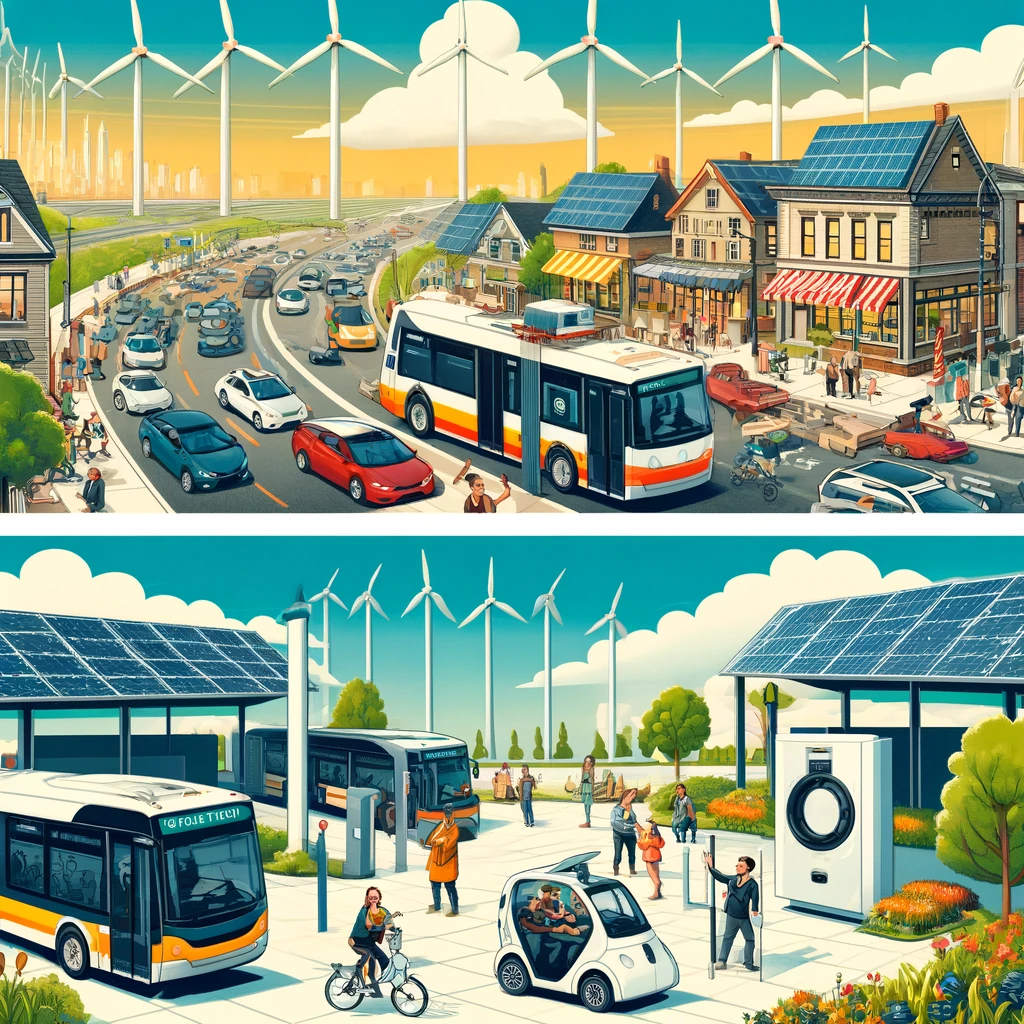
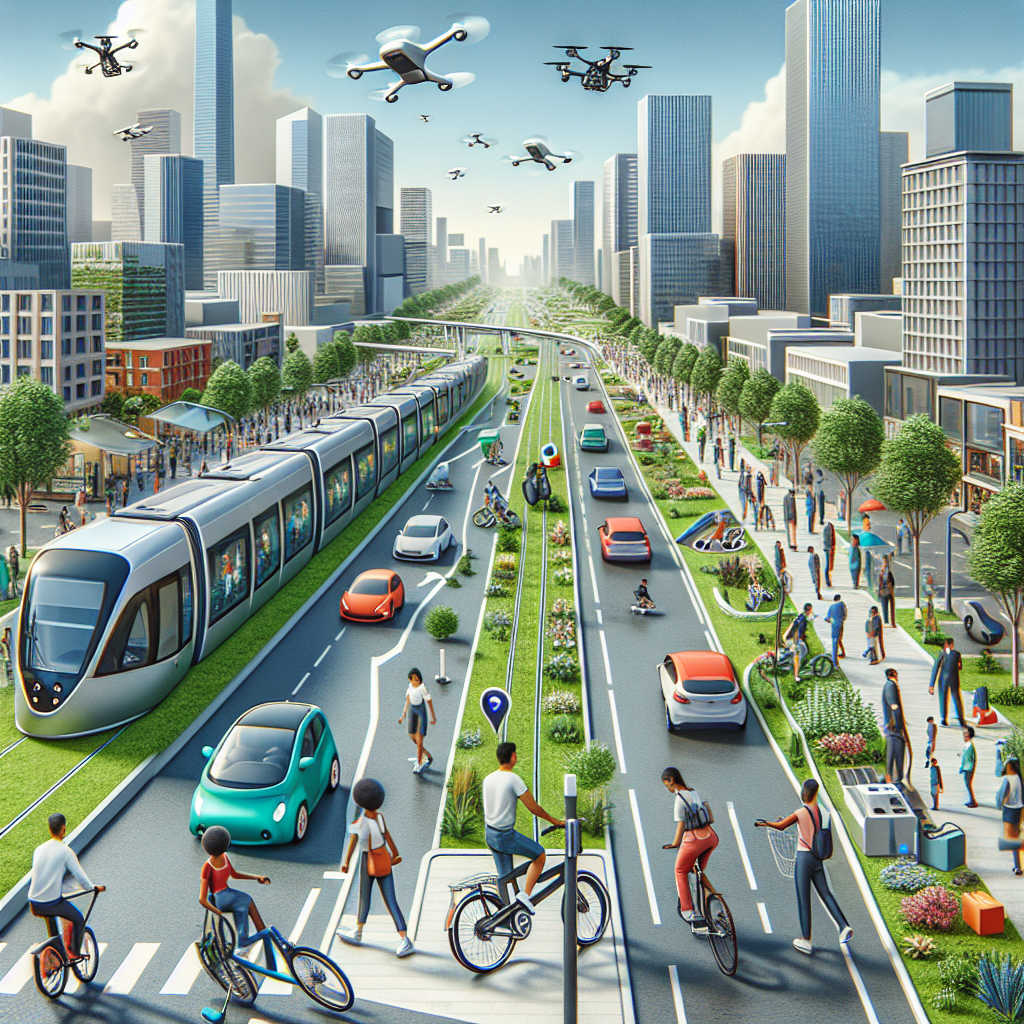
Urban mobility is undergoing a transformative phase as cities worldwide wrestle with unprecedented challenges such as population growth, pollution, and congestion. Sustainable urban mobility isn’t just a buzzword anymore; it has become a critical element of urban planning as we look towards creating livable, healthy, and efficient cities for the future. The objective is not merely to reimagine the movement of people but to ensure that transportation systems are environmentally friendly, economically feasible, and socially inclusive.
The importance of sustainable urban mobility cannot be overstated. Traditional transportation systems have often led to negative environmental impacts, hampered economic development, and exacerbated social inequalities. In recent years, there’s been a noticeable shift towards multi-modal transportation networks incorporating bicycles, electric vehicles (EVs), public transportation, and pedestrian-friendly pathways.
This article aims to delve into the multi-faceted aspects of sustainable urban mobility, discussing its importance, current trends, technologies, and policies. It will also explore how cities worldwide implement these to create a more sustainable future. By focusing on sustainable urban mobility, cities can look to improve the quality of life for their inhabitants significantly, reduce environmental impacts, and build resilience against future challenges.
Importance of Sustainable Urban Mobility
The necessity of sustainable urban mobility stems from its broad-reaching impacts on various aspects of urban life. From reducing carbon emissions to facilitating economic growth and improving public health, the benefits are multifold.
One of the primary reasons for promoting sustainable urban mobility is to mitigate the environmental impact of conventional transportation. Traditional vehicles, heavily reliant on fossil fuels, significantly contribute to greenhouse gas emissions. Transitioning to electric vehicles, public transportation, and non-motorized transport modes can drastically reduce these emissions, contributing to the fight against climate change.
Another crucial aspect is congestion. Urban areas congested with traffic not only reduce productivity due to time wasted but also increase pollution levels and stress among commuters. Efficient transport systems, including robust public transportation networks, can alleviate these issues, offering a smoother, quicker commute.
Furthermore, sustainable mobility options contribute to social inclusion. By providing accessible and affordable transportation options, cities can ensure that all demographics, including the elderly and economically disadvantaged, have equal opportunities to move and access essential services.
Current Trends in Sustainable Urban Mobility
Several global trends are shaping the landscape of urban mobility. One of the most significant trends is the increasing adoption of electric vehicles (EVs). Governments worldwide are offering incentives to encourage the switch from fossil-fuel-based vehicles to EVs, aiming to reduce carbon footprints.
Another trend is the proliferation of bike-sharing schemes. Cities are investing in infrastructure to facilitate cycling, recognizing it as a low-cost, emission-free mode of transportation. These programs have gained popularity due to their convenience and health benefits.
The concept of “15-minute cities” is also gaining traction. This approach emphasizes the importance of having all essential services within a short walk or bike ride from residents’ homes. It promotes local living, reduces the need for long commutes, and fosters community interaction.
Public transportation networks are being revamped to become more sustainable. From using electric buses to integrating renewable energy into the operation of these networks, cities invest heavily in making public transport a more attractive option for commuters.
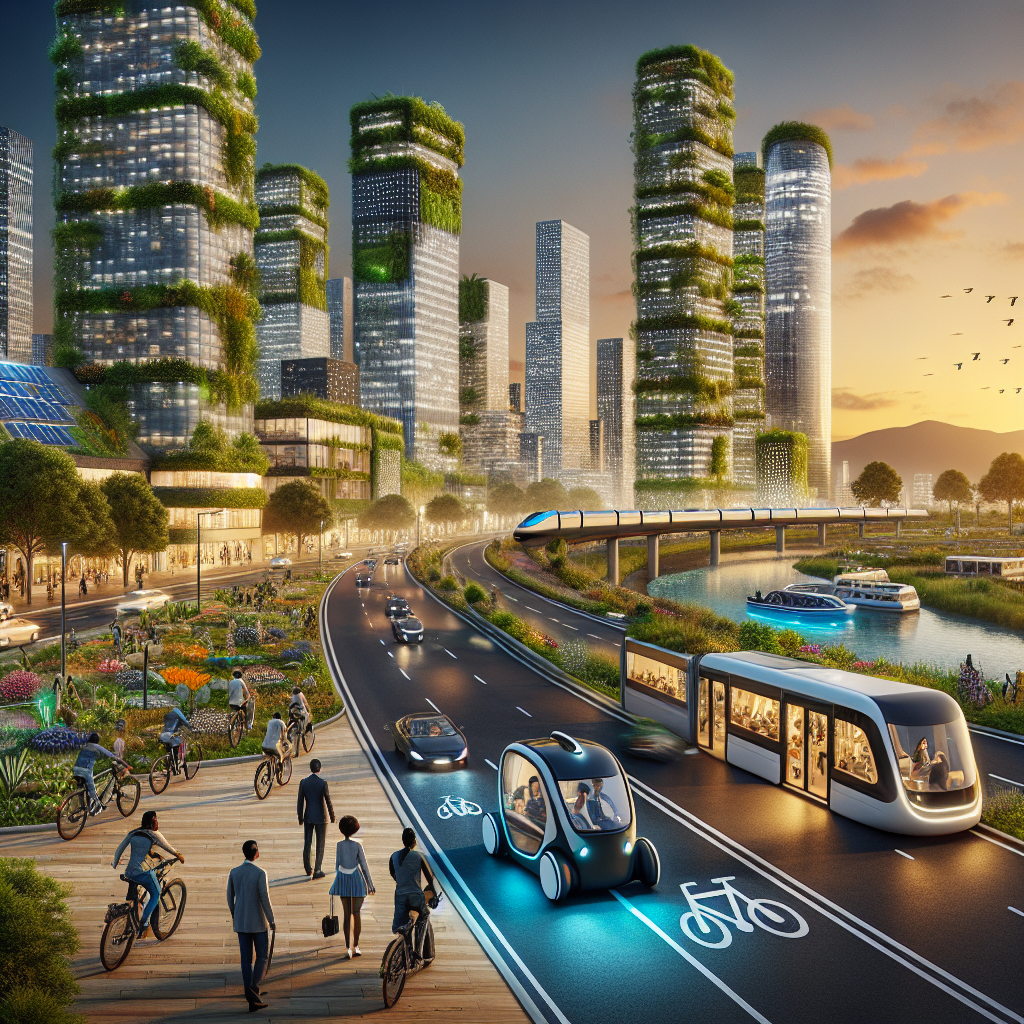
Technological Innovations in Urban Mobility
Technology is at the heart of sustainable urban mobility. Advances in technology are enabling smarter, more efficient transportation systems that benefit both the environment and urban residents.
One notable innovation is the development of smart traffic management systems. These systems use sensors, data analytics, and artificial intelligence to optimize traffic flow, reduce congestion, and lower emissions. By managing traffic more effectively, cities can ensure a smoother commute for residents and lessen the environmental impact of transportation.
Electric vehicles are another area where technology is making a significant impact. Advances in battery technology are improving the range and affordability of EVs, making them a viable alternative to traditional vehicles. Additionally, the development of charging infrastructure is making it easier for EV owners to charge their vehicles, encouraging more people to make the switch.
Shared mobility services, such as ride-sharing and car-sharing, are also leveraging technology to provide more sustainable transportation options. These services use sophisticated algorithms to match riders with drivers and optimize routes, reducing the number of vehicles on the road and lowering emissions.
Policy and Governance for Sustainable Mobility
Effective policy and governance are critical to achieving sustainable urban mobility. Governments and policymakers play a crucial role in creating the regulatory framework and incentives needed to encourage sustainable transportation practices.
One essential policy measure is the implementation of low-emission zones. By restricting the entry of high-emission vehicles into certain areas, cities can significantly reduce air pollution and promote the use of cleaner transportation options.
Another important policy is the provision of incentives for electric vehicle adoption. These incentives can include tax breaks, subsidies, and rebates for EV purchases, as well as investments in charging infrastructure. Such measures make EVs more attractive to consumers and foster their widespread adoption.
Additionally, urban planning policies that prioritize mixed-use development and transit-oriented development can promote sustainable mobility. By designing cities to be compact and walkable, with easy access to public transportation, policymakers can reduce the need for long commutes and encourage the use of sustainable transportation modes.
Best Practices from Around the World
Several cities worldwide serve as examples of successful sustainable urban mobility initiatives. By studying these best practices, other cities can learn valuable lessons and adopt similar strategies to improve their transportation systems.
Copenhagen, Denmark, is often hailed as a model for sustainable urban mobility, particularly in its emphasis on cycling. The city has invested heavily in cycling infrastructure, including dedicated bike lanes and bike-sharing programs, making cycling a convenient and attractive option for residents.
Curitiba, Brazil, is another notable example. The city is known for its innovative bus rapid transit (BRT) system, which provides efficient and affordable public transportation to residents. The BRT system has significantly reduced traffic congestion and pollution in the city while providing a reliable and accessible transportation option.
Another example is Amsterdam, the Netherlands, where the city has successfully integrated various sustainable transportation modes. Amsterdam’s public transportation system, combined with extensive cycling infrastructure and pedestrian-friendly streets, creates a seamless and sustainable urban mobility network.
Challenges and Solutions
Despite the many benefits and advancements in sustainable urban mobility, there are several challenges that cities must address to realize their goals fully.
One significant challenge is funding. Implementing sustainable transportation systems often requires substantial investments in infrastructure and technology. Cities need to explore various funding mechanisms, including public-private partnerships and innovative financing models, to secure the necessary resources.
Another challenge is changing public behavior and perceptions. Encouraging people to shift from private car use to sustainable transportation options requires awareness campaigns, education, and incentives. Cities need to engage with residents and stakeholders to foster a culture of sustainable mobility.
Technical challenges, such as integrating new technologies with existing infrastructure, also need to be addressed. Ensuring compatibility and interoperability between different transportation modes and systems is crucial for creating a seamless and efficient mobility network.
Conclusion
As cities evolve and face new challenges, sustainable urban mobility becomes increasingly crucial for creating livable, resilient, and environmentally friendly urban environments. By prioritizing sustainable transportation options, investing in technology, and implementing effective policies, cities worldwide can transform their transportation systems for the better.
From reducing carbon emissions to enhancing social inclusion and improving public health, the benefits of sustainable urban mobility are vast. However, achieving these goals requires collaboration among governments, businesses, and residents, as well as a commitment to innovation and continuous improvement.
The future of sustainable urban mobility is bright, with numerous advancements and successful case studies to draw inspiration from. As cities continue to grow and evolve, adopting sustainable urban mobility practices will be essential for ensuring a high quality of life for all residents and building a more sustainable and resilient future.
Frequently Asked Questions
1. What are the main challenges faced by urban areas in implementing sustainable mobility solutions?
Urban areas are grappling with numerous challenges in their quest for sustainable mobility solutions. One primary issue is the escalating population growth which amplifies traffic congestion and overburdens existing infrastructure. Cities also face obstacles related to pollution, as traditional transportation contributes significantly to greenhouse emissions, deteriorating air quality, and health concerns. Another challenge is the rigid dependency on fossil fuels, which are both finite and environmentally detrimental. Financial constraints shouldn’t be ignored either—limited budgets often hinder the development and adoption of eco-friendly transportation technologies and infrastructure. On top of these challenges, there are behavioral and cultural resistance to changes in commuting habits, requiring intensive awareness campaigns and incentives to influence a shift towards sustainable practices. The need for cohesive policies that incorporate all stakeholders, from government to the private sector, cannot be overstated when seeking effective implementation of sustainable urban mobility solutions.
2. How is technology influencing the future of sustainable urban mobility?
Technology is at the heart of transforming urban mobility into a more sustainable endeavor. Developments such as electric vehicles (EVs) are gaining traction, offering a cleaner alternative to traditional fuel-powered vehicles. The rise of autonomous vehicles heralds a future where transportation could be safer and more efficient. Ride-sharing platforms have changed how people perceive vehicle ownership, promoting shared mobility which can help reduce vehicle numbers and emissions in urban centers. Furthermore, intelligent transport systems (ITS) and data-driven analytics allow for optimization of traffic flow, minimizing congestion and improving public transportation reliability. Smart city initiatives, equipped with Internet of Things (IoT) devices, enable real-time monitoring and management of transportation systems, leading to informed decision-making. All these technological advancements contribute to a comprehensive approach that aligns urban mobility with sustainability goals by enhancing efficiency and reducing ecological impact.
3. What role does public transportation play in sustainable urban mobility?
Public transportation plays a pivotal role in the realm of sustainable urban mobility. It offers an efficient, cost-effective, and eco-friendly alternative to private vehicle usage, reducing traffic congestion and the associated emissions. Public transit systems, like buses and trains, when powered by electricity or other sustainable energy sources, significantly lower the carbon footprint compared to individual car usage. Investing in high-capacity and reliable public transportation networks encourages commuters to shift from personal vehicles to shared transportation, fostering a culture of sustainability. Moreover, integration of public transport with pedestrian and cycling paths further supports the vision of multimodal transport systems that prioritize accessibility and environmental stewardship. Ultimately, public transportation not only caters to a wide demographic, providing equitable mobility solutions, but also forms the backbone of any sustainable urban mobility strategy aimed at creating healthier, more livable cities.
4. What innovations are being developed to enhance sustainable urban mobility?
Several exciting innovations are being developed to bolster sustainable urban mobility. Micro-mobility solutions, such as e-scooters and e-bikes, are evolving rapidly, providing viable options for short-distance travel that complement existing transport systems. Innovation in the battery technology space is making electric vehicles more affordable and reliable, with research into solid-state and lithium-sulfur batteries showing promise for longer vehicle ranges. Hyperloop technology, though still in developmental stages, could revolutionize long-distance travel, offering a high-speed, zero-emission alternative. Innovative urban planning designs—like transit-oriented developments (TODs) that encourage dense, walkable communities—enhance accessibility and reduce the need for lengthy commutes. Another frontier is the use of blockchain and digital technologies, which streamline operations, improve network efficiency, and offer user-friendly payment solutions. These innovations, while diverse in focus and application, all contribute to a comprehensive shift towards creating sustainable and integrated urban mobility ecosystems.
5. How can individuals contribute to sustainable urban mobility?
Individuals have a significant role to play in advancing sustainable urban mobility. The first step can be simple lifestyle adjustments, such as opting for public transportation, carpooling, or using bike-sharing services whenever possible. Advocating and adapting to these alternatives not only reduces traffic congestion and emissions but also promotes a healthier lifestyle. Engaging in and supporting local policy changes that favor the expansion of sustainable transportation infrastructure is equally important. Individuals can also invest in eco-friendly vehicles and incorporate energy-efficient driving practices to reduce their carbon footprint. Education and spreading awareness about the importance of sustainable mobility help in cultivating a broader community mindset geared towards ecological resilience. By making conscious choices and advocating for smarter urban design, individuals can actively shed light on the significance of sustainable urban mobility and contribute to shaping cities that are better for today and the future.