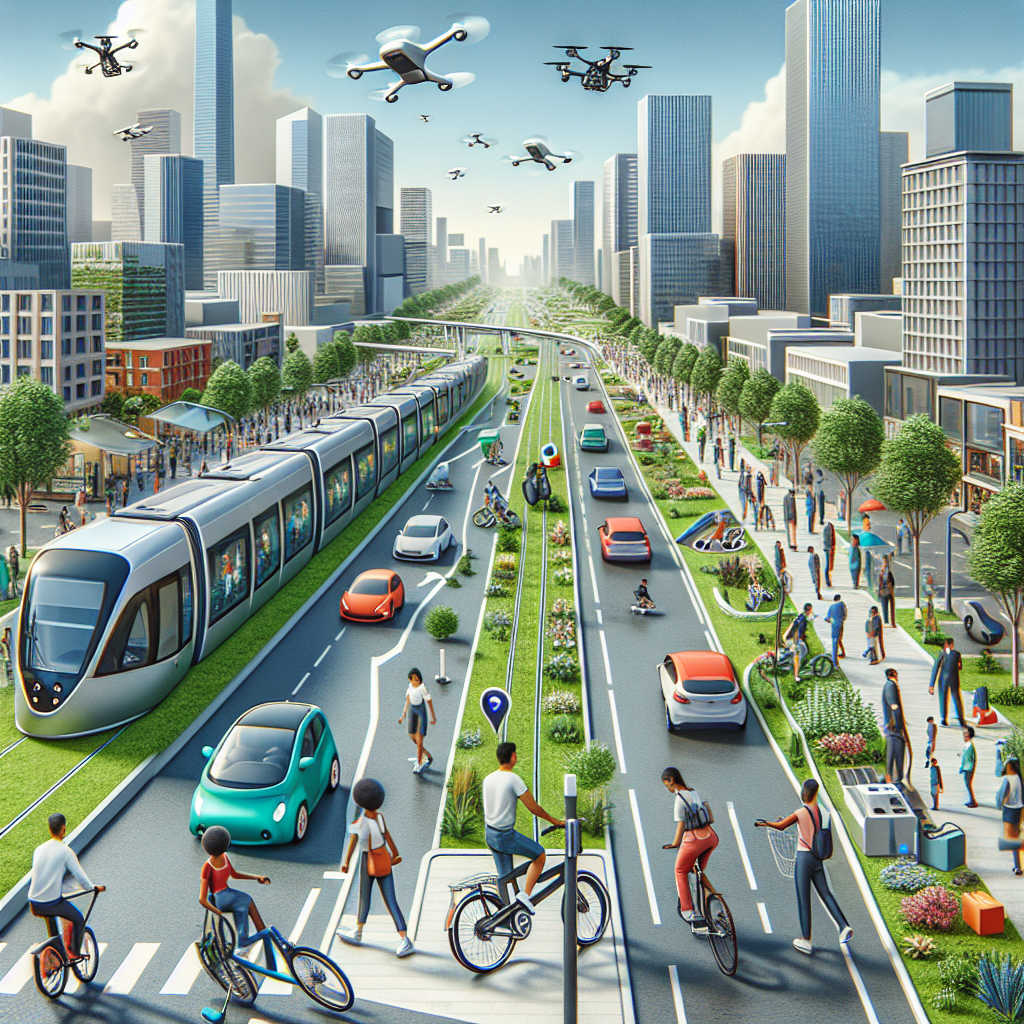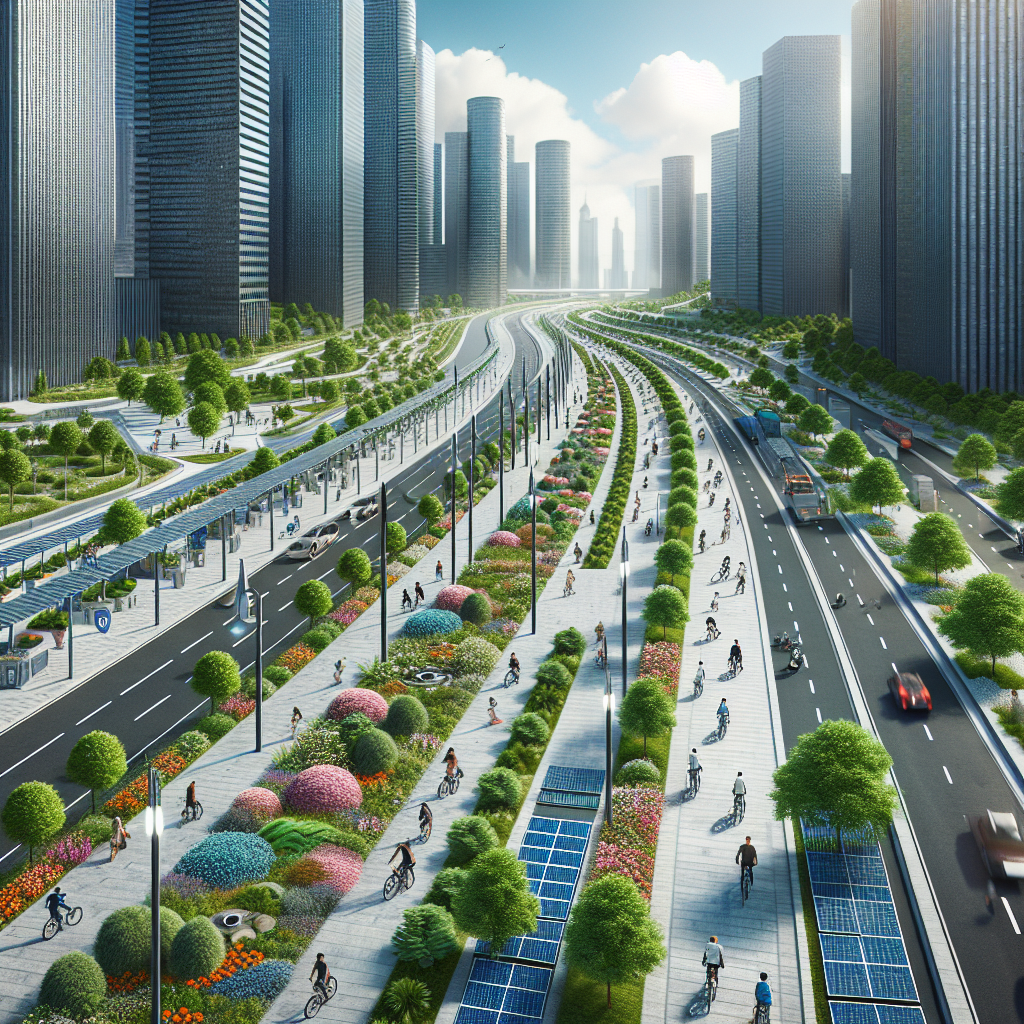
Urban greenways, the natural and landscaped corridors that traverse our cities, are vital in the pursuit of sustainable urban development. These green spaces, which include parks, trails, and linear open spaces, not only provide ecological benefits but also promote social well-being and economic vitality. As cities grapple with challenges related to rapid urbanization, climate change, and public health, integrating greenways into urban planning emerges as a crucial strategy. This article delves into how urban greenways serve as arteries of sustainability, exploring their multifaceted benefits and the roles they play in creating resilient and livable cities.
Historically, urban development often prioritized grey infrastructure—buildings, roads, and industrial areas—over green spaces. However, the paradigm is shifting towards a more balanced approach that values green infrastructure. Greenways are increasingly recognized for their ability to connect people to nature, reduce environmental footprints, and inspire active lifestyles. The sustainable urban development movement champions the integration of these green paths to foster a harmonious relationship between urban dwellers and their environment.
This article will explore various dimensions of urban greenways, including their environmental, social, and economic impacts. We will look at how these corridors enhance urban biodiversity, mitigate climate impacts, and provide recreational opportunities. Furthermore, we will discuss the importance of community engagement in planning and maintaining greenways. By understanding these various aspects, urban planners, policymakers, and community members can better appreciate the transformative potential of greenways and advocate for their inclusion in urban development projects.
Environmental Benefits of Urban Greenways
Urban greenways significantly contribute to environmental sustainability by preserving and enhancing natural ecosystems within cityscapes. One of their primary benefits is the promotion of biodiversity. Greenways act as habitats and migration routes for wildlife, providing essential green links between fragmented natural areas. This urban ecological network supports a diverse range of flora and fauna, fostering biodiversity even in highly populated areas.
Additionally, greenways play a crucial role in mitigating urban heat island effects. By incorporating vegetation into urban areas, greenways help lower temperatures through shading and evapotranspiration. This cooling effect not only makes city living more comfortable but also reduces the demand for air conditioning, thereby lowering energy consumption and greenhouse gas emissions.
Water management is another critical function of urban greenways. These green spaces can be designed to manage stormwater runoff through natural processes such as infiltration and biofiltration. By slowing down and absorbing excess rainwater, greenways help prevent flooding and reduce the burden on urban drainage systems. This natural approach to water management also improves water quality by filtering pollutants before they reach water bodies.
In conclusion, the environmental benefits of urban greenways are extensive and impactful. From supporting biodiversity to mitigating climate effects and managing water resources, greenways enhance the resilience and sustainability of urban environments. Their strategic implementation within urban planning can lead to healthier, greener, and more sustainable cities.
Social Impact of Urban Greenways
Beyond their environmental benefits, urban greenways also play a pivotal role in enhancing the social fabric of cities. These green corridors provide accessible recreational spaces for residents, encouraging physical activity and promoting public health. Walking, cycling, and jogging in greenways offer a respite from the concrete jungle, reducing stress and improving mental well-being.
Urban greenways are instrumental in fostering social interactions and community cohesion. They serve as communal spaces where people of all ages and backgrounds can come together, engage in activities, and form connections. This sense of community is vital for building social capital, which strengthens civic participation and collective identity.
Greenways also contribute to educational opportunities by serving as outdoor classrooms. Many greenways feature educational signage and programs that inform visitors about local ecology, history, and conservation efforts. Schools and community groups can utilize these spaces for hands-on learning experiences that foster environmental awareness and stewardship among young people.
In summary, the social benefits of urban greenways are multifaceted and significant. By providing spaces for recreation, fostering community interactions, and offering educational opportunities, greenways contribute to the overall quality of life in urban areas. Their integration into urban planning is a testament to their essential role in creating vibrant, healthy, and inclusive communities.

Economic Benefits of Urban Greenways
The economic value of urban greenways is often underestimated. However, these green corridors offer numerous financial benefits that contribute to the economic vitality of cities. One significant economic advantage is the increase in property values. Properties located near greenways and parks tend to have higher market values, attracting investment and enhancing the tax base of municipalities.
Tourism is another economic benefit associated with urban greenways. Well-designed and well-maintained greenways can become major attractions for visitors, boosting local businesses and generating revenue for the city. Events such as marathons, cycling tours, and community festivals held in greenways can further stimulate economic activity and promote the city’s image as a desirable and sustainable destination.
Furthermore, urban greenways can reduce public healthcare costs by encouraging active lifestyles and improving public health. Regular physical activity is associated with lower rates of chronic diseases such as obesity, diabetes, and cardiovascular conditions. By providing safe and attractive spaces for exercise, greenways help reduce these health issues, leading to decreased healthcare expenditures and increased productivity.
In conclusion, the economic benefits of urban greenways are substantial and diverse. By enhancing property values, attracting tourists, and promoting public health, greenways contribute to the economic prosperity of cities. Their integration into urban planning not only enhances sustainability but also drives economic growth and development.
Planning and Design Considerations for Urban Greenways
Effective planning and design are crucial for the success and sustainability of urban greenways. One of the primary considerations is connectivity. Greenways should be planned as continuous networks that connect major recreational areas, residential neighborhoods, and commercial districts. This ensures that greenways are accessible and convenient for all urban residents.
Sustainable materials and construction practices are also essential for greenway development. Utilizing locally sourced, recycled, and eco-friendly materials minimizes the environmental impact of construction. Incorporating native plants in landscaping ensures that greenways support local biodiversity and require less maintenance and water.
Public safety is another critical aspect to consider in greenway design. Well-lit pathways, clear signage, and regular maintenance enhance the security and usability of greenways. Involving law enforcement and community groups in the planning process can help address safety concerns and promote a sense of ownership among residents.
In summary, careful planning and thoughtful design are essential for creating successful urban greenways. By focusing on connectivity, sustainability, and safety, planners can develop green spaces that are functional, attractive, and beneficial for both people and the environment.
Community Engagement and Participation
Community engagement is a vital component of urban greenway projects. Involving residents in the planning and maintenance of greenways fosters a sense of ownership and pride, ensuring their long-term success. Public consultations, workshops, and surveys can be used to gather input from community members and address their needs and preferences.
Collaborative efforts between city officials, local organizations, and residents can enhance the planning process and ensure that greenways reflect the unique character and culture of the community. Volunteer programs and stewardship initiatives can engage residents in the upkeep and improvement of greenways, promoting a sense of responsibility and community spirit.
Educational programs and events can also strengthen community engagement. Workshops on native plant gardening, wildlife conservation, and sustainable practices can educate residents and encourage their participation. Community events such as clean-up days, tree planting activities, and guided nature walks can bring people together and reinforce the value of greenways.
In conclusion, community engagement is essential for the success of urban greenways. By involving residents in planning, maintenance, and educational activities, planners can create greenways that are well-loved and well-used by the community. This collaborative approach ensures that greenways remain vibrant and sustainable for future generations.
Conclusion
Urban greenways are indispensable for sustainable urban development. Their environmental, social, and economic benefits make them a critical component of modern urban planning. By preserving biodiversity, mitigating climate impacts, and managing water resources, greenways enhance the ecological health of cities. Their role in promoting physical activity, fostering social cohesion, and providing educational opportunities contributes to the overall well-being of urban residents. Additionally, greenways offer significant economic advantages, from increasing property values to boosting local tourism and reducing healthcare costs.
Successful urban greenway projects require careful planning and design, with a focus on connectivity, sustainability, and safety. Community engagement and participation are also crucial, as they foster a sense of ownership and responsibility among residents. By involving the community in planning, maintenance, and educational activities, urban greenways can achieve long-term success and sustainability.
As cities continue to grapple with the challenges of urbanization, climate change, and public health, the integration of greenways into urban planning emerges as a powerful strategy. Urban greenways not only provide a myriad of benefits for people and the environment but also contribute to the creation of resilient, vibrant, and livable cities. By prioritizing the development of these green corridors, cities can move towards a more sustainable and harmonious future.
In conclusion, urban greenways are a vital component of sustainable urban development. Their multifaceted benefits make them an essential strategy for creating resilient, livable, and sustainable cities. By prioritizing the development of greenways, urban planners, policymakers, and community members can work together to build a greener and more sustainable future for all.
Frequently Asked Questions
1. What are urban greenways, and why are they important for sustainable cities?
Urban greenways are natural or landscaped corridors that run through our cities. They are key in creating a more sustainable urban environment as they serve multiple purposes. These greenways can include elements like parks, trails, and linear open spaces. Their significance lies not just in their ecological benefits—such as enhancing biodiversity and improving air quality—but also in their capacity to enrich social and economic aspects of urban life. As our cities grow at an increasingly rapid pace, faced with challenges like urban sprawl, pollution, or worsening public health, integrating greenways into urban planning becomes an essential strategy for fostering a more harmonious and sustainable urban experience.
2. How do urban greenways benefit the environment in urban settings?
Urban greenways play a vital environmental role within cities by supporting a host of ecological functions. They contribute to improved air quality, as the vegetation in these areas helps filter pollutants and produce oxygen. Greenways also aid in regulating temperatures through the urban heat island effect by providing shaded areas, reducing energy needs for cooling. Additionally, these spaces support biodiversity by offering habitats for wildlife, which is crucial amidst the ever-increasing urban landscape. They also manage stormwater more efficiently, reducing the risk of flooding by absorbing excess rainwater, which traditional paved surfaces cannot do.
3. How do urban greenways contribute to the social well-being of city residents?
Urban greenways significantly enhance the social well-being of people living in cities. They create spaces where residents can engage in physical activities such as walking, jogging, biking, and more, promoting physical health. These greenways often become communal spaces where people meet, interact, and build stronger social ties, fostering a sense of community. Beyond physical health benefits, they also offer mental health benefits by providing a natural respite from the bustling cityscape, reducing stress, and improving overall mood. Greenways create inclusive places accessible to diverse community members, which is crucial for social equity.
4. In what ways do urban greenways boost the economic vitality of cities?
From an economic perspective, urban greenways can be a great asset to a city. Properties near greenways often see an increase in value due to the improved quality of life and aesthetic appeal these areas bring. They attract businesses and tourists by making cities more resilient and appealing destinations. Businesses benefit from increased foot traffic, and cities can see revenue growth from tourism and local events held in these picturesque spaces. By promoting healthier lifestyles, greenways also help reduce healthcare costs in the long run. Overall, greenways are often seen as lucrative investments generating both direct and indirect economic benefits.
5. What are the challenges in implementing urban greenways, and how can they be addressed?
Despite their clear benefits, implementing urban greenways is not without challenges. One primary challenge is the availability of space in densely populated urban areas. Securing land for greenways often requires careful planning and negotiations with existing landowners. Financial constraints can also pose barriers, as developing and maintaining these spaces requires funding that might not always be readily available. To tackle these challenges, collaboration between city planners, local governments, community organizations, and private stakeholders is key. Engaging with these parties can help identify underused spaces suitable for greenway development. Planning flexible designs, securing diverse funding streams, and developing public-private partnerships can also make these green spaces a reality. Moreover, involving community members in the planning process ensures that the greenways meet the needs and preferences of the local population, fostering support and long-term viability.