Sustainable urban development has become a pivotal focus for modern societies grappling with the challenges of rapid urbanization, environmental degradation, and economic instability. This concept, which seeks to harmonize urban growth with environmental protection and social equality, has gained prominence as cities worldwide strive to create livable, resilient, and inclusive communities. One intriguing dimension that’s drawing increasing attention within this realm is the Blue Economy – an economic model emphasizing the sustainable use of ocean resources for economic growth, improved livelihoods, and ocean ecosystem health.
Urban areas near coastlines are uniquely positioned to leverage the principles of the Blue Economy, given their proximity to vast marine resources and ecosystems. Adopting Blue Economy practices in urban development not only offers a blueprint for sustainable economic growth but also addresses key environmental issues such as climate change, marine pollution, and biodiversity loss. By integrating sustainable marine resource management with urban planning, cities can enhance their resilience, support local economies, and safeguard marine ecosystems.
This article delves into the interconnection between sustainable urban development and the Blue Economy, exploring how integrating these concepts can foster resilient, economically vibrant, and environmentally sound urban communities. We will detail the core principles of sustainable urban development, elucidate the Blue Economy concept, and provide case studies highlighting successful integration of these models in urban settings.
Sustainable Urban Development: Core Principles
At the heart of sustainable urban development lies the commitment to create cities that are economically viable, environmentally sound, and socially inclusive. This multifaceted approach encompasses several core principles:
- Environmental Stewardship: Preserving natural resources and minimizing environmental footprints through green infrastructure, energy-efficient buildings, and sustainable transportation systems.
- Economic Prosperity: Fostering economic growth that benefits all citizens while reducing economic inequities. This includes supporting local businesses, creating job opportunities, and integrating circular economy principles.
- Social Equity: Ensuring that all individuals, regardless of socio-economic status, have access to essential services, safe housing, and opportunities for participation in civic life.
- Resilience: Enhancing the ability of urban areas to withstand and recover from economic shocks, natural disasters, and the impacts of climate change through robust planning and infrastructure.
Balancing these principles requires innovative planning and policy-making that aligns environmental preservation with economic and social goals. It’s about creating spaces where people can thrive without compromising the needs of future generations.
Understanding the Blue Economy
The Blue Economy refers to the sustainable use of ocean resources for economic growth, improved livelihoods, and ecosystem health. It encompasses a wide range of activities, including fisheries, aquaculture, coastal tourism, marine transportation, and renewable ocean energy.
Central to the Blue Economy is the concept of sustainability, which ensures that marine and coastal resources are used responsibly and conserved for future generations. Key components of the Blue Economy include:
- Sustainable Fisheries and Aquaculture: Implementing practices that maintain fish populations and ecosystems while supporting the livelihoods of communities dependent on these resources.
- Marine Conservation: Establishing marine protected areas and restoring degraded habitats to preserve biodiversity and promote ecosystem services.
- Renewable Ocean Energy: Developing offshore wind, wave, and tidal energy projects to reduce carbon emissions and harness clean energy from the ocean.
- Coastal Tourism: Promoting sustainable tourism practices that protect coastal and marine environments while supporting local economies.
By prioritizing sustainability, the Blue Economy aims to create economic opportunities that do not come at the expense of the marine environment.
Integrating the Blue Economy into Urban Development
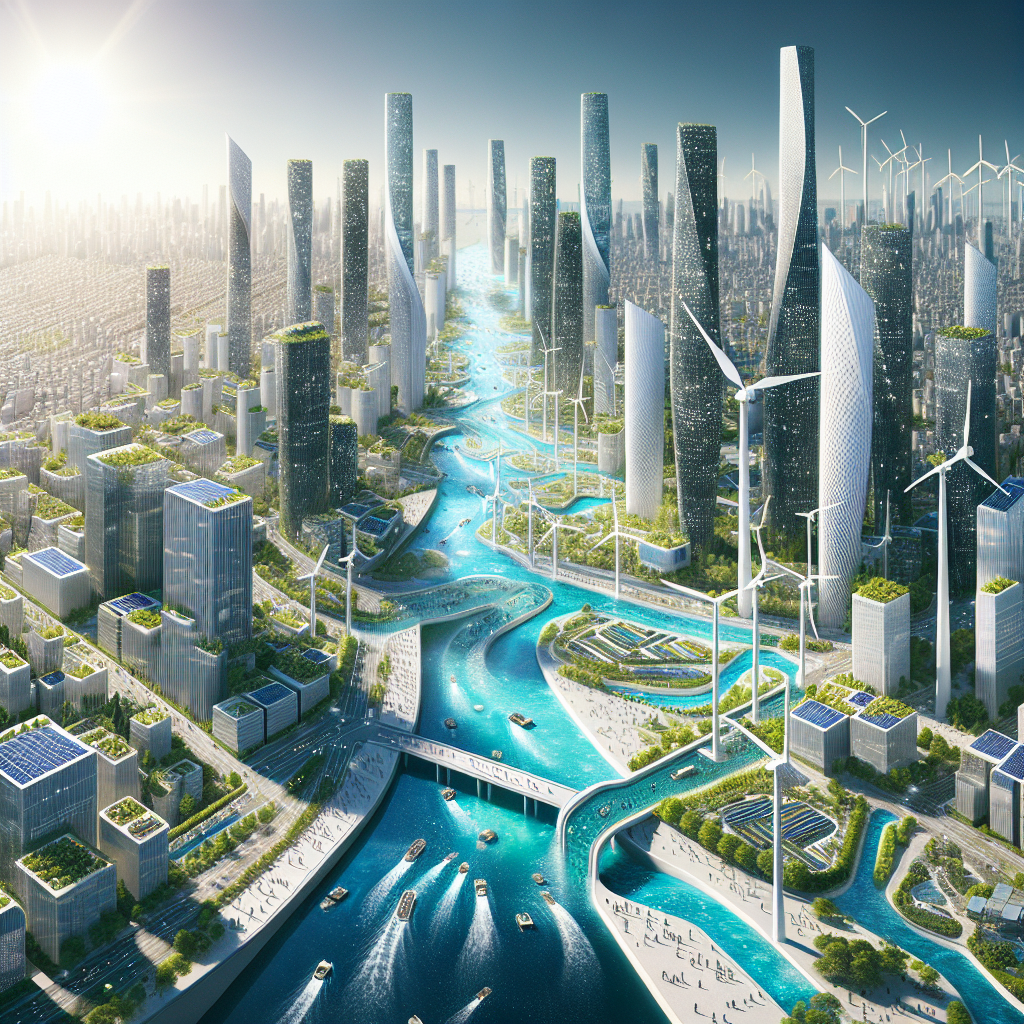
Leveraging the principles of the Blue Economy within urban development can yield substantial benefits for coastal cities. Here’s how cities can integrate these concepts:
- Coastal Planning and Zoning: Designing urban spaces that protect marine environments, such as wetlands and mangroves, which provide natural barriers against storms and flooding.
- Green Infrastructure: Incorporating green roofs, parks, and permeable surfaces to reduce runoff and improve water quality in coastal areas.
- Sustainable Tourism: Developing tourism initiatives that highlight and protect coastal and marine biodiversity, such as eco-tourism and marine reserves.
- Blue Innovation Hubs: Establishing centers for marine research and innovation that promote sustainable practices and technologies in industries like fisheries and aquaculture.
By adopting such measures, urban areas can enhance their resilience to climate change, safeguard marine ecosystems, and support sustainable economic development.
Case Studies: Success Stories in Action
Several cities around the world have successfully integrated the principles of the Blue Economy with urban development, demonstrating the potential benefits of this approach. Here are a few notable examples:
Sydney, Australia
Sydney has implemented numerous initiatives to protect its coastal and marine environments while promoting sustainable urban growth. The city’s Green Square redevelopment project focuses on creating a sustainable, resilient urban precinct with green infrastructure, energy-efficient buildings, and extensive public transportation networks. Additionally, Sydney has established marine protected areas and supports sustainable fisheries management, contributing to a vibrant Blue Economy.
Vancouver, Canada
Vancouver is renowned for its commitment to sustainability and has integrated Blue Economy principles into its urban planning. The city has developed a Greenest City Action Plan, which includes goals such as increasing access to green spaces, promoting sustainable transportation, and reducing carbon emissions. Vancouver also supports marine conservation initiatives and hosts several research institutions focused on sustainable marine resource management.
Challenges and Opportunities
Implementing sustainable urban development and the Blue Economy comes with challenges and opportunities. Challenges include:
- Resource Constraints: Limited financial and human resources can impede the implementation of sustainable practices and projects.
- Regulatory Hurdles: Navigating complex regulatory environments and achieving coordination between various governmental agencies can be daunting.
- Stakeholder Engagement: Ensuring meaningful participation and buy-in from all stakeholders, particularly marginalized communities, is critical but often difficult.
Despite these challenges, there are numerous opportunities:
- Innovative Financing: Exploring new financing mechanisms, such as blue bonds, to fund sustainable urban and marine projects.
- Technology and Innovation: Harnessing new technologies and innovative practices to enhance sustainability and resilience.
- Partnerships and Collaborations: Building partnerships between governments, businesses, and civil society to share knowledge, resources, and best practices.
Conclusion
Sustainable urban development and the Blue Economy offer a transformative pathway for coastal cities aiming to balance economic growth with environmental stewardship and social equity. By integrating these concepts, urban areas can become more resilient, vibrant, and sustainable, benefiting both current and future generations.
As cities around the world continue to grapple with the challenges of urbanization, climate change, and environmental degradation, the importance of sustainable practices and innovative approaches cannot be overstated. The Blue Economy provides a compelling framework for leveraging marine resources responsibly while promoting economic development and protecting the environment.
Ultimately, the successful integration of sustainable urban development and the Blue Economy requires vision, collaboration, and a steadfast commitment to creating equitable, resilient, and thriving urban communities. By embracing these principles and learning from successful case studies, cities can chart a course toward a more sustainable and prosperous future.
Frequently Asked Questions
1. What is Sustainable Urban Development and how does it address modern urban challenges?
Sustainable Urban Development is a comprehensive approach focused on harmonizing the development of urban areas with the principles of environmental protection, social equity, and economic stability. As urban areas expand rapidly, they face numerous challenges such as pollution, resource depletion, and socio-economic disparities. Sustainable Urban Development seeks to tackle these issues by promoting practices that reduce environmental footprints, enhance social integration, and foster economic resilience.
This approach encourages the creation of resilient infrastructures, the use of renewable energy sources, and the incorporation of green spaces into city plans. By doing so, it aims to improve urban living conditions, reduce carbon emissions, and create inclusive communities where resources are equitably distributed. Additionally, it advocates for policies that support affordable housing, public transportation, and access to essential services, ultimately striving to improve the quality of life for urban residents while ensuring that natural ecosystems are preserved for future generations.
2. How is the Blue Economy related to Sustainable Urban Development?
The Blue Economy represents a sustainable use of ocean resources for economic growth, improved livelihoods, and jobs while preserving the health of ocean ecosystems. It is increasingly being integrated into sustainable urban development, particularly in coastal cities, by supporting industries such as sustainable fisheries, aquaculture, marine biotechnology, and renewable offshore energy.
By aligning urban development with the principles of the Blue Economy, cities can enhance their economic resilience while minimizing environmental impact. For instance, urban planners can promote the use of marine resources responsibly, harnessing ocean energy, or committing to sustainable practices that diminish pollution and overfishing. Furthermore, coastal urban areas can develop strategies to mitigate the risks posed by rising sea levels and extreme weather events, often exacerbated by climate change, thereby safeguarding communities and vital infrastructures. This alignment ultimately fosters urban environments that are not only economically viable but also ecologically sound and socially inclusive.
3. What are some examples of cities successfully implementing sustainable urban development and the Blue Economy?
Cities like Copenhagen, Amsterdam, and Singapore provide notable examples of successfully integrating sustainable urban development with the Blue Economy. Copenhagen is well-known for its ambitious target of becoming carbon neutral by 2025, incorporating renewable energy sources, efficient public transportation systems, and green urban spaces. The city also focuses on sustainable economic activities within its harbor, embracing the principles of the Blue Economy by fostering development that both supports economic growth and respects marine ecosystem health.
Similarly, Amsterdam has implemented circular economy practices that emphasize resource efficiency, waste reduction, and sustainable business models. The city’s extensive canal system plays a pivotal role in water management and transportation, exemplifying the integration of urban life with aquatic systems. Singapore, often lauded for its green city planning, has adopted comprehensive strategies for handling urban challenges, including innovative water management and green building initiatives. These cities exemplify how urban areas worldwide can pursue growth that does not compromise environmental or social integrity, serving as aspirational models for integrating urban development with the Blue Economy.
4. What role do governments and communities play in promoting sustainable urban development and the Blue Economy?
Governments and communities play crucial roles in the promotion of sustainable urban development and the Blue Economy. Governments are responsible for setting policies, framing regulations, and providing incentives that encourage sustainable practices in urban planning. They form the backbone of initiatives aimed at reducing carbon footprints, promoting biodiversity, and facilitating sustainable economic development. This includes crafting legislation that supports infrastructure investments, renewable energy adoption, and efficient water and waste management systems.
Communities, on the other hand, act as active participants and beneficiaries of these efforts, driving change through local movements, raising awareness, and adopting practices that contribute to sustainability. They help foster a culture of sustainability by supporting local businesses and consumption patterns that prioritize environmental health and social well-being. Cooperation between government entities and community groups is pivotal to the success of sustainable urban initiatives, as it ensures that strategies are not only top-down but also reflect the needs and aspirations of the citizens. This collaborative approach helps to ensure the dynamic interaction needed for effective sustainable urban development, leveraging the potential of the Blue Economy to drive positive environmental and economic outcomes.
5. What are the challenges facing the integration of the Blue Economy within sustainable urban development?
Despite its potential benefits, integrating the Blue Economy into sustainable urban development comes with significant challenges. One primary obstacle is the balancing act required between economic growth and environmental conservation. Industries central to the Blue Economy, such as shipping, fishing, and tourism, often depend on healthy ecosystems, yet they can also pose threats to marine life and habitats if not managed sustainably.
Another challenge lies in coordinating cross-sectoral and transboundary efforts needed to manage marine resources sustainably. This requires robust governance frameworks and cooperation among multiple stakeholders, including governments, businesses, local communities, and international organizations. Limited financial resources and technical capacities can further compound these challenges, particularly in developing regions where both urbanization pressures and marine resource dependencies are acute.
Additionally, changes brought by climate change, such as rising sea levels and ocean acidification, pose long-term threats that require adaptive measures and innovative solutions. Addressing these challenges necessitates a holistic approach, integrating science-based policies with inclusive participation and long-term planning. Continual education and awareness-raising among all stakeholders are vital to building resilient urban areas that can effectively benefit from the Blue Economy’s promise, ensuring its contributions to sustainable urban development are fully realized.