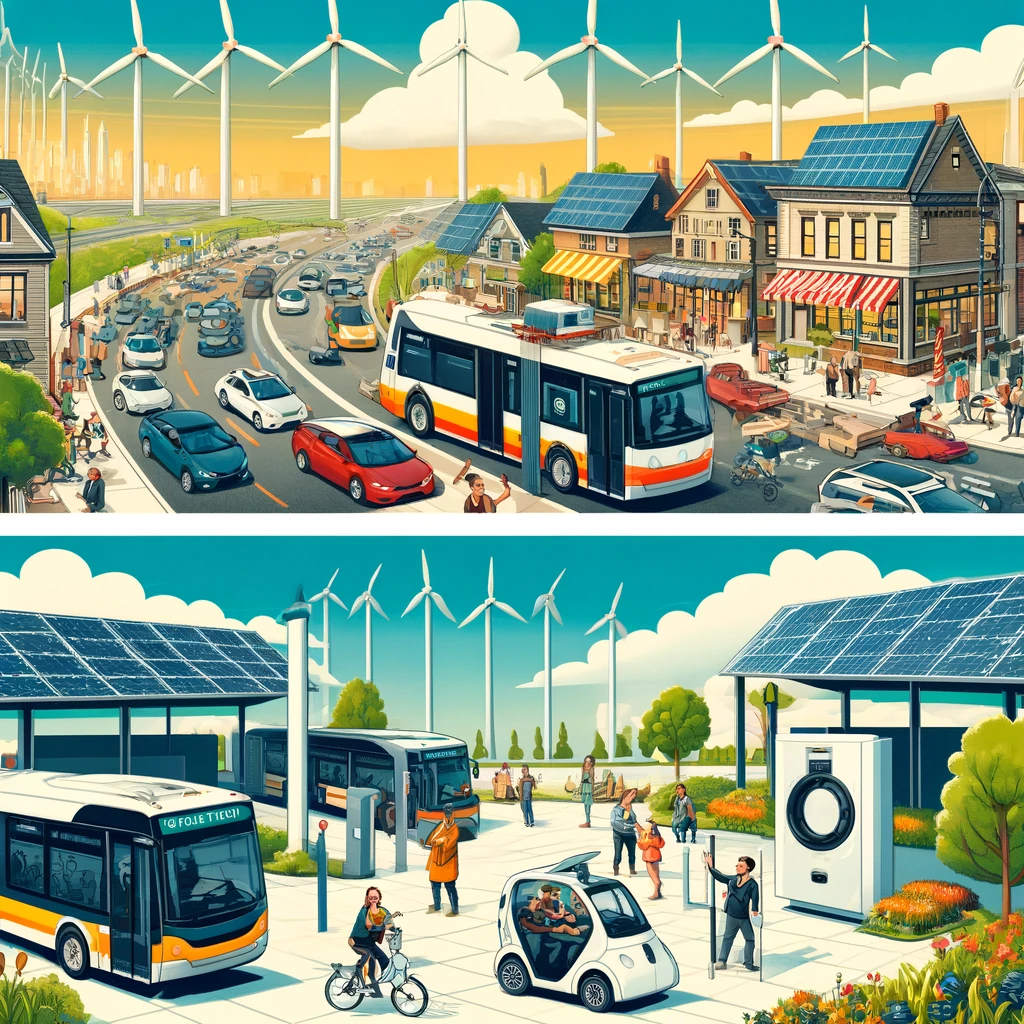
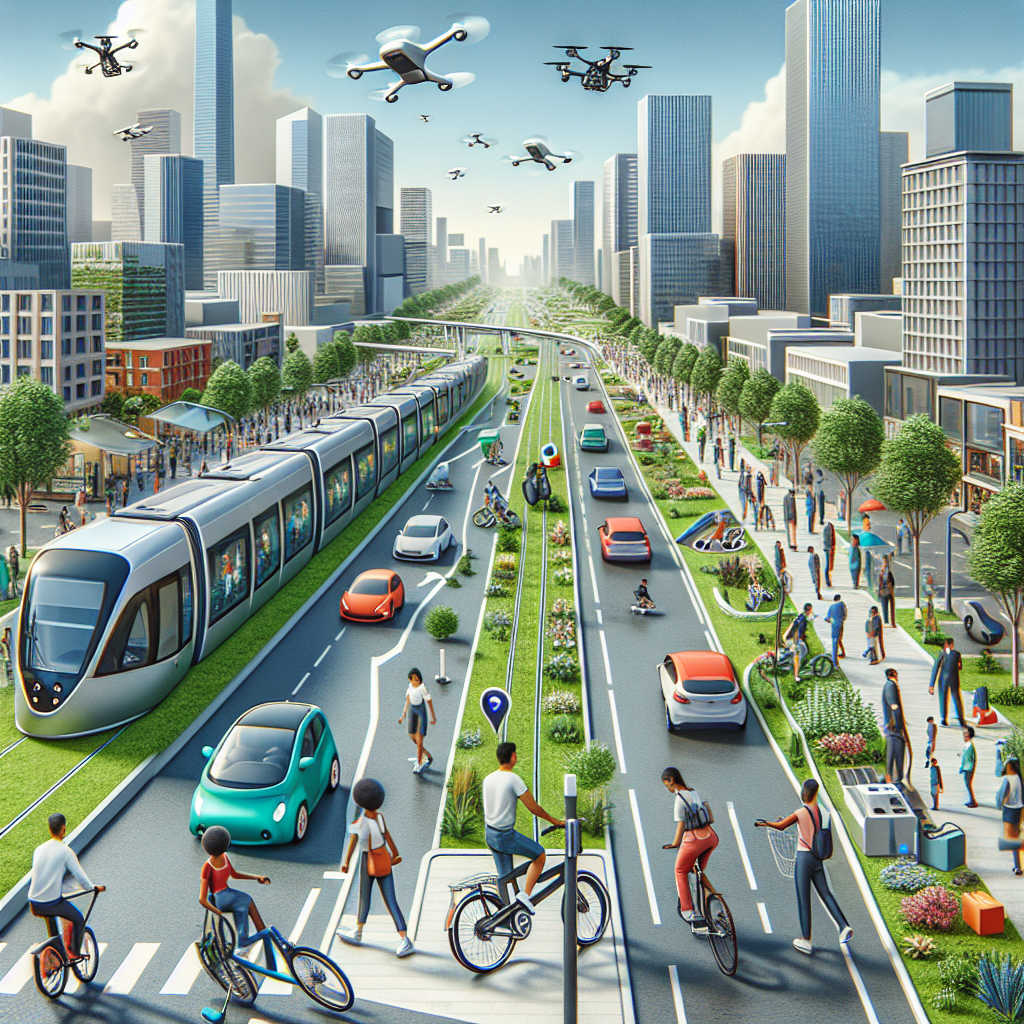
Sustainable urban development has emerged as a driving force in reshaping the landscapes of cities around the world. As urban populations continue to swell, the need for green spaces, energy-efficient buildings, and advanced public transportation systems has never been more pressing. Governments, planners, and developers are increasingly adopting practices that not only enhance environmental quality but also generate significant economic benefits for local communities.
Sustainable urban development is often characterized by efforts to improve energy efficiency, promote the use of renewable energy, reduce waste and pollution, and improve the liveability and social equity of urban areas. These initiatives can range from large-scale infrastructure projects, such as renewable energy power plants and public transportation systems, to smaller-scale efforts like community gardens and energy-efficient housing developments. Although the primary goal is to create a healthier, more environmentally friendly urban space, the economic implications are equally profound.
This article delves into the multifaceted impacts of sustainable urban development on local economies. We will explore how such initiatives can spur economic growth, create job opportunities, and foster more resilient and equitable communities. The journey towards sustainability is not only beneficial for the environment but also presents a myriad of economic advantages that can lead to more prosperous and vibrant urban areas.
Economic Growth through Sustainable Urban Development:
One of the most compelling arguments for sustainable urban development is its potential to drive economic growth. Traditional urban development models often rely heavily on non-renewable resources, leading to long-term economic instability as these resources deplete. In contrast, sustainable development practices focus on renewable resources and energy efficiency, which can lead to more stable and long-term economic growth.
For instance, the construction of green buildings — structures designed to reduce environmental impact — can lead to immediate economic benefits. These buildings reduce operational costs through improved energy efficiency, which translates into lower utility bills for businesses and residents. In addition, the higher demand for green building materials and technologies can stimulate local manufacturing and service industries, creating jobs and boosting the local economy.
Moreover, sustainable urban development can attract investment from both the public and private sectors. Governments are more likely to invest in infrastructure projects that align with sustainability goals, while private investors are drawn to the long-term economic viability and reduced risk associated with sustainable projects. This influx of investment can further stimulate economic growth and development.
Sustainable urban development also opens up new avenues for tourism. Cities that prioritize green spaces, pedestrian-friendly areas, and sustainable transportation options often become more attractive to tourists. This influx of tourists can provide a significant boost to local businesses, from hotels and restaurants to retail shops and entertainment venues, generating additional revenue and jobs.
Job Creation and Workforce Development:
One of the most significant benefits of sustainable urban development is its potential to create jobs across various sectors. The move towards green and energy-efficient technologies requires a skilled workforce, leading to the creation of numerous new job opportunities. From construction and manufacturing to research and development, sustainable urban development can drive employment growth and workforce development.
Green construction projects, in particular, generate a wide range of jobs. Skilled labor is needed to design and construct energy-efficient buildings, install renewable energy systems, and implement green infrastructure projects. These jobs often require specialized training and certification, creating opportunities for workforce development programs that can equip workers with the skills needed for the green economy.
In addition to construction, the renewable energy sector is a significant source of job creation. The installation and maintenance of solar panels, wind turbines, and other renewable energy systems require a specialized workforce. This sector tends to offer jobs that are more stable and higher-paying compared to those in traditional fossil-fuel industries, contributing to overall economic stability and growth.
Furthermore, the emphasis on sustainability stimulates innovation and entrepreneurship. New startups focused on green technologies and sustainable practices are emerging, creating additional job opportunities and contributing to a more dynamic and resilient local economy. These businesses not only drive economic growth but also lead to advancements that support the long-term sustainability of urban areas.

Resilience and Economic Stability:
Sustainable urban development contributes to economic resilience by making cities less vulnerable to environmental risks and economic shocks. Traditional urban planning often does not take into account the long-term consequences of environmental degradation, leading to increased vulnerability to natural disasters, resource scarcity, and economic instability.
In contrast, sustainable urban development emphasizes resilience by promoting practices that reduce environmental impact and enhance the ability of urban areas to withstand and recover from disasters. For instance, green infrastructure projects, such as the development of parks and green roofs, can help mitigate the impacts of flooding and heatwaves, reducing the economic costs associated with these events.
By focusing on renewable energy and resource efficiency, sustainable urban development also reduces dependence on external resources. This can insulate local economies from global market fluctuations in fossil fuel prices, leading to greater economic stability. Moreover, local renewable energy production creates local jobs and keeps energy dollars within the community, further boosting economic resilience.
Additionally, communities that prioritize sustainability tend to have better social cohesion and public health, leading to increased economic productivity. Healthy, engaged communities are better able to adapt to changes and challenges, making them more resilient in the face of economic disruptions. Overall, the resilience fostered by sustainable urban development translates into a more stable and prosperous local economy.
Social Equity and Inclusiveness:
Sustainable urban development also plays a crucial role in promoting social equity and inclusiveness. Traditional urban development often leads to socio-economic disparities, with lower-income communities bearing the brunt of environmental degradation and lacking access to quality housing, transportation, and green spaces.
In contrast, sustainable urban development aims to create more equitable and inclusive urban environments. Policies and practices that prioritize affordable housing, public transportation, and green spaces ensure that all residents, regardless of income, have access to the benefits of urban living. This not only improves the quality of life for residents but also contributes to economic stability and growth by creating a more inclusive economy.
Investment in public transportation, for example, can provide significant economic benefits by improving access to jobs, education, and services for low-income residents. Efficient public transportation systems reduce commuting costs and time, leading to increased productivity and economic opportunity. Similarly, the development of affordable housing in urban areas ensures that workers can afford to live close to their jobs, reducing the socio-economic disparities that can hinder economic growth.
Moreover, sustainable urban development often includes initiatives designed to support local businesses and economic diversification. By fostering a diverse and inclusive economy, cities can create a more robust and adaptable economic base, providing opportunities for all residents to thrive. This, in turn, leads to more resilient and equitable local economies.
Conclusion:
The impact of sustainable urban development on local economies is profound and multifaceted. Through initiatives that promote energy efficiency, renewable energy, job creation, economic resilience, and social equity, sustainable urban development not only enhances environmental quality but also drives economic growth and stability.
As cities around the world continue to grow, the importance of sustainable urban development cannot be overstated. By adopting sustainable practices, cities can create vibrant, livable, and economically prosperous communities that are better equipped to face the challenges of the future. The economic benefits of sustainable urban development — from job creation and investment attraction to increased resilience and social equity — underscore the critical need for continued investment in and commitment to sustainability. In doing so, we can ensure that urban areas remain viable and thriving for generations to come.
In sum, the journey towards sustainability is a win-win for both the environment and local economies. As we move forward, it is crucial for policymakers, planners, and communities to work together to embrace and implement sustainable urban development practices. The positive impact on local economies not only supports immediate economic growth but also lays the foundation for a more sustainable, resilient, and inclusive future.
Frequently Asked Questions
1. What is sustainable urban development, and why is it important for economies?
Sustainable urban development refers to practices and strategies that focus on minimizing environmental impact while fostering economic growth and enhancing quality of life in urban settings. This development approach is crucial as it positions cities to handle rapid population growth and addresses the pressing need for green spaces, energy-efficient buildings, and advanced public transportation systems. When cities adopt sustainable practices, they tap into significant economic benefits, such as job creation in new green industries, reduced operational costs through energy efficiency, and increased property values. Sustainable urban development boosts local economies by attracting businesses and residents who prioritize environmental responsibility, thereby reinforcing the city’s economic viability.
2. How do green spaces contribute to economic growth in urban areas?
Green spaces are more than just aesthetic enhancements to urban areas; they are vital economic drivers. These spaces improve air quality, reduce urban heat, and support biodiversity, making cities healthier and more livable. Economically, green spaces increase property values, as homes and businesses located near parks or gardens are more desirable, leading to higher real estate prices and increased tax revenues for the city. Additionally, they attract tourists and new residents, creating demand for local businesses such as cafés, restaurants, and retail stores. Local governments benefit from enhanced productivity and reduced healthcare costs due to improved mental and physical health of citizens who have easy access to these rejuvenating environments.
3. In what ways do energy-efficient buildings impact local economies?
Energy-efficient buildings are a cornerstone of sustainable urban development and have considerable economic impacts. These buildings lower utility costs for occupants by reducing energy consumption, which translates to significant savings for businesses and residents over time. This cost efficiency can lead to higher discretionary spending within the local economy, stimulating growth in various sectors. Furthermore, the construction and retrofitting of energy-efficient buildings create jobs in construction, engineering, and technology fields, boosting employment rates. Over the longer term, these structures enhance the attractiveness of a city for investment and development by showing a commitment to sustainability and innovation, which is increasingly important in today’s market.
4. How do advanced public transportation systems benefit the economic landscape of a city?
Advanced public transportation systems are a critical component of sustainable urban development that significantly affect city economies. They provide a reliable, efficient, and affordable means of commuting, reducing the need for personal vehicle use, which in turn decreases traffic congestion and pollution. This efficiency leads to increased productivity as workers spend less time in transit and have lower commuting costs, enabling them to allocate more of their income to other goods and services within the local economy. Additionally, robust public transportation systems can spur economic growth by connecting neighborhoods, allowing businesses to draw from a larger labor pool, and easing access for customers. These systems also open up urban space for development that would otherwise be used for parking, further driving economic benefits.
5. What role do governments play in promoting sustainable urban development?
Governments play a pivotal role in promoting sustainable urban development through policy-making, incentives, and regulations. By setting standards and guidelines for green building codes and energy efficiency, governments encourage the adoption of environmentally friendly practices. They can offer financial incentives, such as tax breaks or grants, to developers and businesses who invest in sustainable projects, making green initiatives more economically viable and appealing. Additionally, governments can invest in renewable energy projects, improved public transportation, and green infrastructure, thus leading by example and setting a benchmark for private sectors to follow. Their strategic urban planning also encompasses land-use regulations that promote the integration of residential, commercial, and recreational areas, fostering community cohesion and economic resilience.