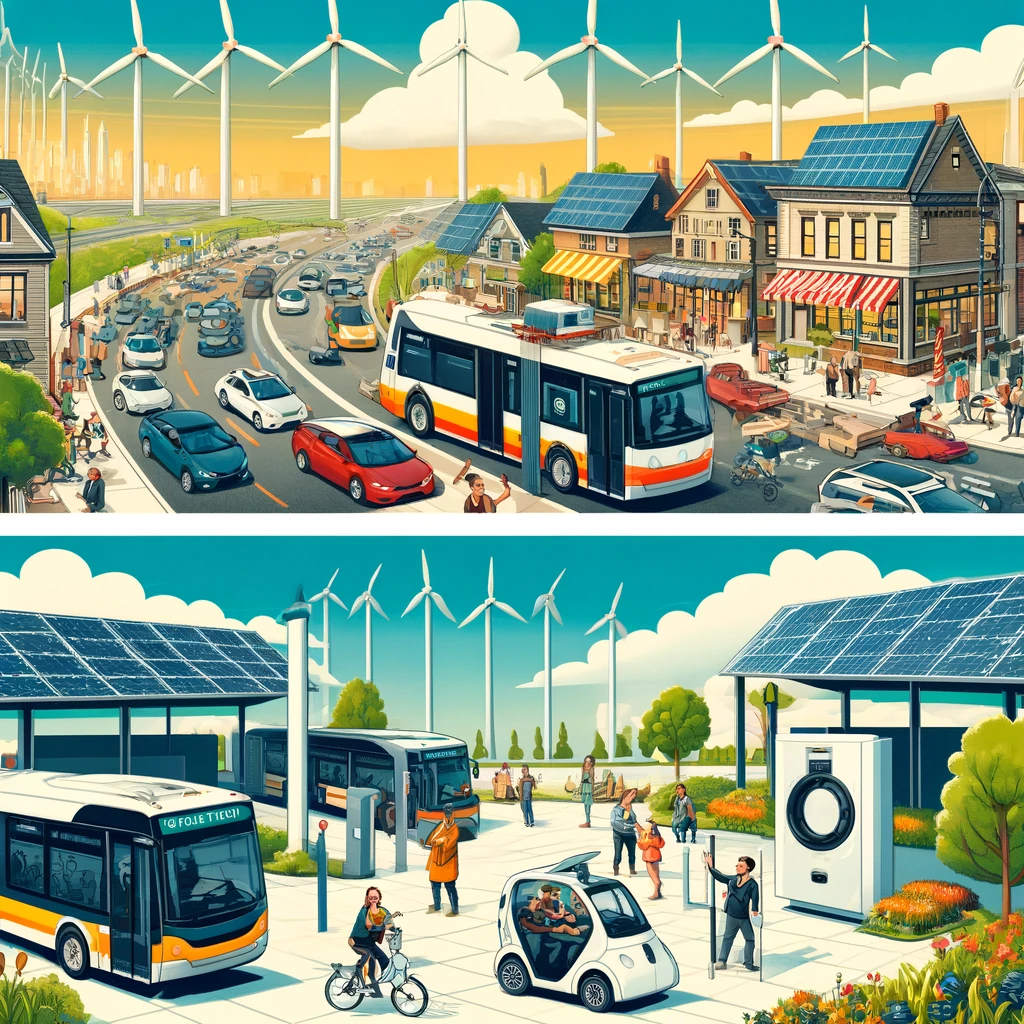
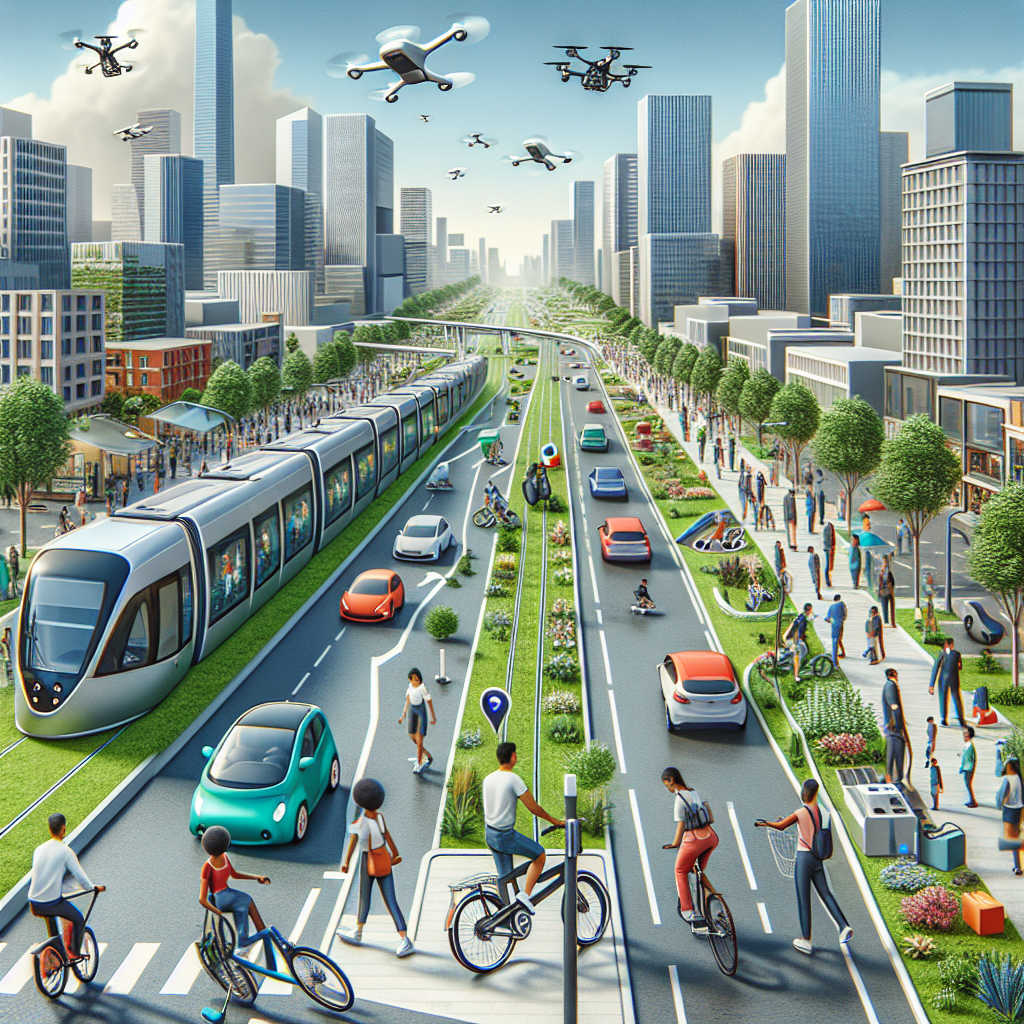
Urban density is increasingly recognized as a crucial factor in sustainable development. With the world’s urban population expected to double by 2050, cities face the challenge of accommodating this growth in a way that is both efficient and sustainable. Urban density refers to the number of people living in a given urban area. High-density areas are typically characterized by compact living spaces, mixed-use developments, and enhanced public transportation systems.
The concept of urban density has evolved over time. Historically, dense urban centers were often seen as overcrowded and undesirable. However, contemporary perspectives highlight the myriad benefits of density – from reducing per capita resource consumption to fostering vibrant community interactions. As cities strive to balance environmental, economic, and social needs, urban density becomes a key focus area.
This article explores the multifaceted role of urban density in sustainable development. We will delve into the environmental advantages, economic benefits, social dynamics, and planning strategies associated with high-density urban areas. By understanding these aspects, we can better appreciate how thoughtful urban planning can contribute to a sustainable future for all.
Environmental Advantages of Urban Density
One of the primary benefits of high urban density is the reduction in per capita resource consumption. Compact living arrangements often lead to more efficient use of resources such as water and energy. When compared to sprawling suburban developments, dense urban areas typically exhibit lower per capita energy use for heating, cooling, and transportation.
Furthermore, urban density promotes the development of public transportation systems. A high population density provides the critical mass needed to make public transport viable and efficient. This, in turn, reduces the reliance on private vehicles, decreasing traffic congestion and lowering greenhouse gas emissions. Cities with robust public transit systems, like New York City or Tokyo, demonstrate the environmental benefits achievable through dense development.
Green spaces in high-density areas, such as parks and community gardens, also tend to be used more efficiently. They provide essential ecosystem services, enhance urban biodiversity, and improve air quality. When incorporated into urban design thoughtfully, green spaces can mitigate urban heat island effects, thus contributing significantly to overall urban sustainability.
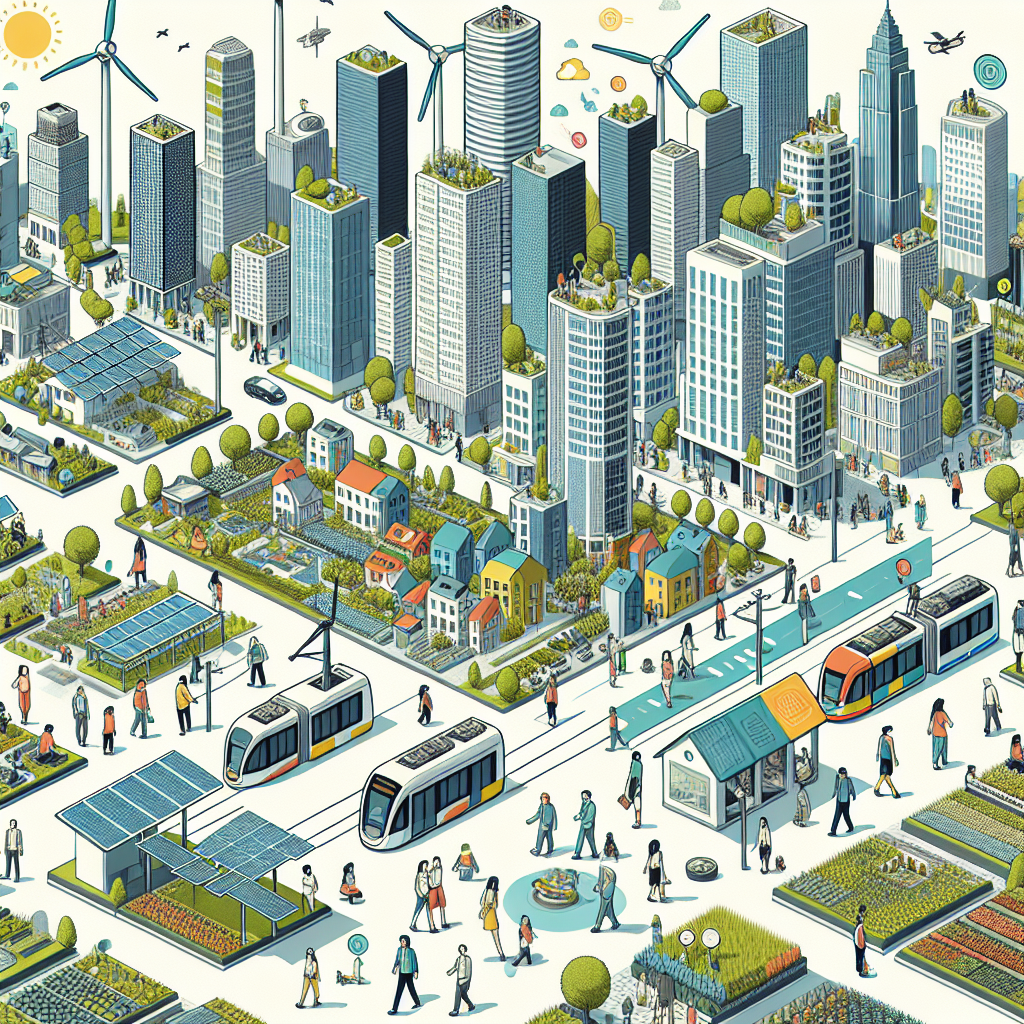
Economic Benefits of Urban Density
Urban density can drive economic development by creating a dynamic environment where businesses thrive. Dense urban areas tend to have a concentration of economic activities, which fosters innovation and entrepreneurship. Proximity to a diverse market and a wealth of resources attracts businesses and skilled labor, creating a robust economic cycle.
Additionally, high-density areas facilitate efficient infrastructure investment. The cost of providing services such as public transportation, sanitation, and healthcare is spread over a larger population, leading to cost savings and higher efficiency. Economies of scale are more easily achieved in dense urban environments, leading to improved service delivery.
Another economic benefit is the rise in property values. While this can lead to challenges such as gentrification, it also encourages investment in urban development projects. This investment often leads to the regeneration of neglected urban areas, contributing further to the economic vibrancy of the city. Moreover, a denser population supports a broader range of businesses, from retail to services, creating diverse economic opportunities.
Social Dynamics in Urban Density
High-density urban living can significantly influence social dynamics. Dense urban environments foster community interactions and social cohesion. Mixed-use developments, where residential, commercial, and recreational areas are integrated, allow for vibrant community life and reduce social isolation.
Access to a diverse range of amenities within walking distance enhances the quality of urban life. People are more likely to engage in social activities and public events when they are easily accessible. This accessibility can lead to more inclusive communities, where various social groups interact and collaborate.
However, it is crucial to address potential challenges associated with high density, such as noise, privacy concerns, and crowding. Thoughtful urban planning can alleviate these issues by incorporating design elements like soundproofing, privacy screens, and carefully planned open spaces. Effective community engagement and governance also play a vital role in ensuring that the social benefits of urban density are realized.
Urban Planning Strategies for Sustainable Density
Achieving sustainable urban density requires strategic planning and thoughtful design. Planners and policymakers must consider various factors, including zoning laws, infrastructure capacity, and the socio-economic dynamics of the population. One essential strategy is the development of mixed-use zones that combine residential, commercial, and recreational spaces. This integration promotes efficient land use and reduces the need for long commutes.
Enhancing public transportation infrastructure is another critical strategy. Well-designed transit systems can manage high population densities by providing efficient, reliable, and affordable transportation options. Investment in public transit not only reduces environmental impacts but also ensures equitable access to city amenities and employment opportunities.
Sustainable building practices, such as green building standards and energy-efficient designs, are also vital. These practices minimize the environmental footprint of high-density developments and improve the quality of urban life. Planners should prioritize green roofs, energy-efficient heating and cooling systems, and sustainable materials to create resilient urban environments.
Case Studies: Success Stories
Numerous cities around the world have successfully implemented high-density strategies that align with sustainable development goals. For instance, Copenhagen, Denmark, is known for its extensive cycling infrastructure and commitment to carbon neutrality. The city’s compact design encourages cycling and walking, reducing reliance on cars and lowering emissions.
In Singapore, innovative urban design has led to the creation of green buildings and vertical gardens, significantly enhancing urban biodiversity. The city’s approach to building “green” has made it a global leader in sustainability. Singapore’s policies prioritize efficient land use, green spaces, and public transportation, demonstrating the benefits of high-density planning.
Another example is Vancouver, Canada, where densification policies have successfully transformed the city’s urban core. By focusing on mixed-use developments, public transit, and sustainable building practices, Vancouver has created a vibrant, livable urban environment. These case studies highlight the potential of urban density to drive sustainability when guided by thoughtful planning and policies.
Conclusion
As urban populations continue to grow, the need for sustainable development becomes ever more pressing. Urban density offers a multifaceted solution to the challenges of urbanization, balancing environmental, economic, and social needs. High-density urban areas can reduce resource consumption, drive economic growth, and foster vibrant, inclusive communities.
However, achieving the benefits of urban density requires careful planning and design. Policymakers and urban planners must prioritize sustainable building practices, efficient public transportation systems, and community engagement. By learning from successful case studies and implementing best practices, cities can harness the potential of urban density to create more sustainable futures.
Ultimately, the role of urban density in sustainable development is both complex and profound. It challenges traditional notions of urban living and offers innovative pathways to sustainability. By embracing the principles of density, cities can lead the way in creating resilient, thriving urban environments that meet the needs of current and future generations.
Frequently Asked Questions
1. What is urban density, and why is it important for sustainable development?
Urban density is all about how many people live in a certain area within a city. It’s not just about packing people into small spaces – it’s about smart, efficient use of land. In the realm of sustainable development, urban density plays a pivotal role. High urban density can mean more efficient public transport systems, reduced environmental footprint, and vibrant, walkable neighborhoods. With urban areas expected to house twice the number of people by 2050, implementing sustainable, high-density living is key. High-density urban environments can minimize reliance on cars by supporting public transit, biking, and walking, thus reducing greenhouse gas emissions and enhancing overall quality of life.
2. How does urban density contribute to environmental sustainability?
When cities embrace urban density, they turn into more environmentally friendly regions. This is because compact cities effectively curb urban sprawl, limiting the need to expand into green spaces and preserving natural habitats. When more people live closer together, the infrastructure required – from water and sewage systems to energy grids and roads – becomes more centralized and less resource-intensive. Additionally, dense urban settings naturally support mass public transportation options, like buses, subways, and trams, which use less energy per capita than private vehicles. By concentrating urban growth in smaller footprints, cities can curb the encroachment on farmlands and wilderness areas, thus maintaining more of the Earth’s ecosystems and biodiversity intact.
3. Can high urban density improve social and economic outcomes for city residents?
Absolutely! High urban density promotes vibrant economic and social interactions among city dwellers. Density tends to lead to an array of accessible amenities, from schools and healthcare facilities to shopping and leisure venues, all within close proximity. This proximity energizes local economies because businesses can tap into a larger customer base within walking distance. The social benefits are significant as well. With greater urban density, there’s an opportunity for more diverse communities where different cultures and social groups intermingle, fostering social cohesion and exchange. Access to diverse job opportunities and educational facilities also becomes more straightforward, empowering residents to improve their economic standing and quality of life, further strengthening communities.
4. What challenges are associated with urban density, and how can they be managed sustainably?
While urban density is beneficial, it does present several challenges. Overcrowding can lead to strained infrastructure, increased pollution, and the potential for higher living costs. Sustainable city planning requires innovative approaches to manage these issues. Solutions include investing in resilient infrastructure that can adapt to higher demands, prioritizing green urban spaces to counteract urban heat and provide respite for residents, and developing affordable housing strategies to prevent displacement. Incorporating smart technology into city infrastructure can optimize energy use and service delivery, making dense living more comfortable and efficient. The challenge lies in balancing density with human need, ensuring that cities remain livable and appealing.
5. How can citizens participate in creating more sustainable urban densities?
Citizens can play a crucial role in fostering sustainable urban densities. Engaging in community planning forums and local government meetings allows residents to voice their needs and preferences, influencing city policies towards more sustainable outcomes. Advocating for policies that promote mixed-use developments and support public transport infrastructure are vital. On a personal level, citizens can contribute by supporting local businesses, using public transportation instead of personal vehicles, and opting for sustainable and smart housing choices. Understanding and advocating for sustainable urban practices like water conservation, waste reduction, and energy-efficient living can significantly impact the effectiveness of urban density in achieving sustainable development.