Sustainable urban development has emerged as a crucial concept in modern city planning and development. With the rapid urbanization of our global population, the need for sustainable solutions has never been more pressing. The idea of sustainable urban development is centered on creating cities and towns that are environmentally responsible, economically viable, and socially inclusive. This ensures that our urban areas can support current and future generations without depleting natural resources or causing ecological instability.
A key component of sustainable urban development is the integration of renewable energy sources. Renewable energy, which includes solar, wind, hydro, and geothermal power, offers a cleaner alternative to fossil fuels, which are not only limited in supply but also contribute significantly to environmental pollution and climate change. By incorporating renewable energy into urban planning, cities can reduce their carbon footprints, improve air quality, and enhance the overall quality of life for their inhabitants.
Moreover, sustainable urban development promotes the efficient use of resources, encourages the adoption of green building practices, and fosters resilience against environmental challenges such as climate change. This approach involves a holistic view, considering various aspects such as transportation, infrastructure, housing, and public spaces. Through strategic planning and innovative policies, cities around the world are beginning to embrace the principles of sustainability and renewable energy integration, leading to greener and smarter urban environments.
The Importance of Sustainable Urban Development
Sustainable urban development is not just a trendy buzzword; it’s a necessity. Urban areas are responsible for a significant portion of the world’s energy consumption and carbon emissions. As cities expand, the pressure on natural resources, public services, and infrastructure increases, often leading to unsustainable practices and environmental degradation. Therefore, it’s essential to develop urban strategies that mitigate these impacts.
One of the primary reasons for focusing on sustainable urban development is to combat climate change. Cities are at the forefront of the battle against climate change, as they are both the major contributors to and the most affected by this global issue. Rising temperatures, extreme weather events, and sea-level rise are just some of the challenges that urban areas must address through sustainable practices.
Additionally, sustainable urban development enhances the quality of life for urban residents. By promoting green spaces, reducing pollution, and creating efficient public transportation systems, cities can improve residents’ health and well-being. Sustainable cities also tend to have stronger economies, as they attract businesses and residents who value their environmental commitments and livability.
Integrating Renewable Energy Into Urban Planning
Integrating renewable energy into urban planning is a multifaceted effort that involves various technologies, policies, and stakeholder participation. One of the foremost steps in this integration is adopting renewable energy policies and incentives that encourage the use of solar, wind, hydro, and geothermal energy.
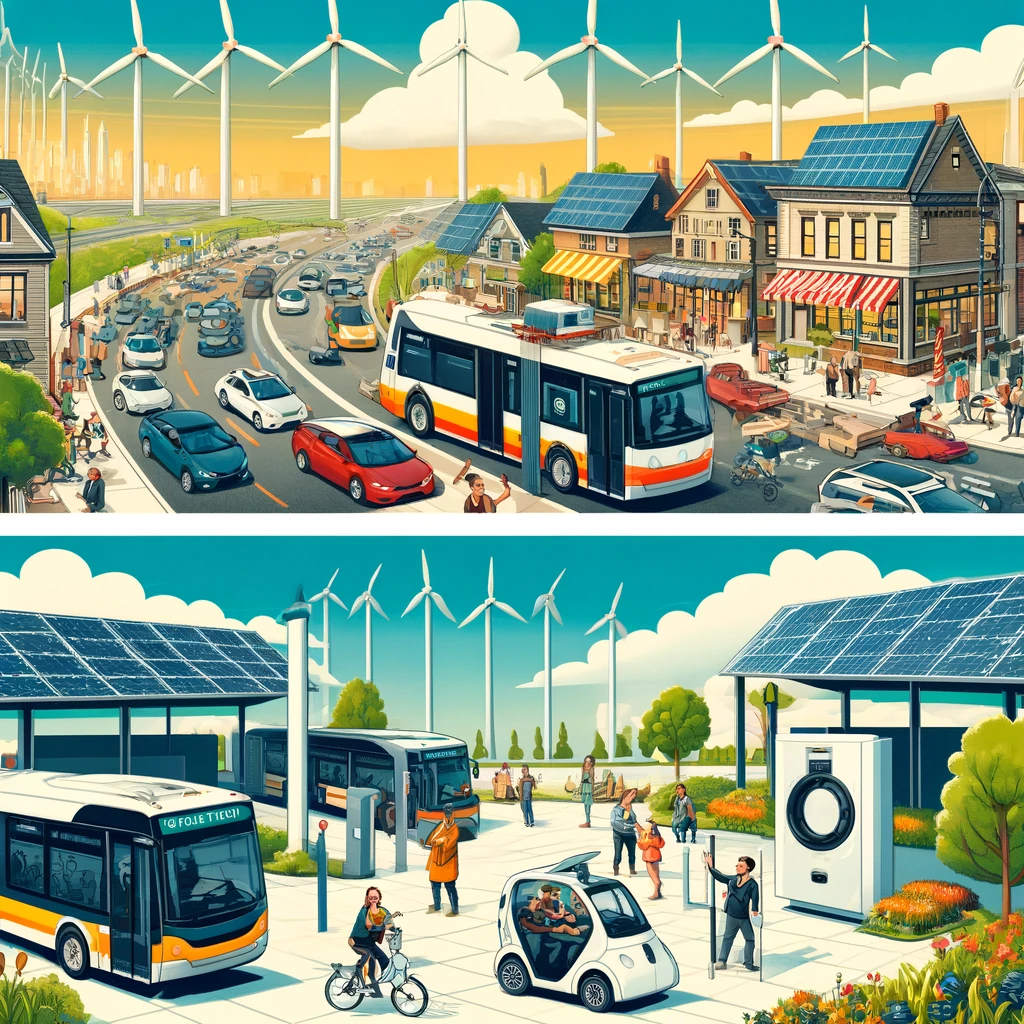
Solar energy remains one of the most accessible and widely adopted forms of renewable energy in urban settings. Rooftop solar panels on residential and commercial buildings can significantly offset electricity costs and reduce reliance on non-renewable energy sources. Additionally, solar panel installations can be integrated into public infrastructure like bus stops, street lamps, and even sidewalks.
Wind energy, although often associated with rural and off-shore locations, is increasingly being utilized in urban environments through innovative designs like vertical axis wind turbines. Urban planners can also harness hydro and geothermal energy where geographical conditions permit, providing diverse renewable energy portfolios for cities.
Local governments play a critical role in this integration by establishing building codes and zoning laws that support renewable energy installations. Public-private partnerships can further drive renewable energy projects by combining resources and expertise from various sectors. Community engagement is also essential to ensure that residents are informed and supportive of renewable energy initiatives.

Green Building Practices and Sustainable Architecture
Green building practices and sustainable architecture are pivotal components of sustainable urban development. These practices involve designing, constructing, and operating buildings with a focus on energy efficiency, resource conservation, and occupant well-being.
One of the most recognized frameworks for green building is the Leadership in Energy and Environmental Design (LEED) certification, which sets standards for sustainable construction practices. Buildings that achieve LEED certification must meet criteria for energy use, water efficiency, indoor environmental quality, and materials selection, among others.
Sustainable architecture goes beyond energy efficiency to include the use of environmentally-friendly materials, sustainable site development, and waste reduction strategies. Architects and urban planners can incorporate features such as green roofs, which improve insulation and reduce stormwater runoff, and passive solar design, which maximizes natural light and minimizes energy use.
Adaptive reuse of existing buildings is another sustainable practice, as it reduces the need for new construction and preserves historical structures. By retrofitting older buildings with modern, energy-efficient systems, cities can maintain their cultural heritage while promoting sustainability.
The Role of Public Transportation in Sustainable Urban Development
Efficient and sustainable public transportation systems are fundamental to sustainable urban development. Public transportation reduces the number of private vehicles on the road, which in turn decreases traffic congestion, lowers greenhouse gas emissions, and improves air quality.
Cities aiming for sustainability invest in diverse and integrated public transit options, including buses, trams, subways, and bike-sharing programs. Electrifying public transit fleets through electric buses and trains further enhances the sustainability of these systems by reducing reliance on fossil fuels.
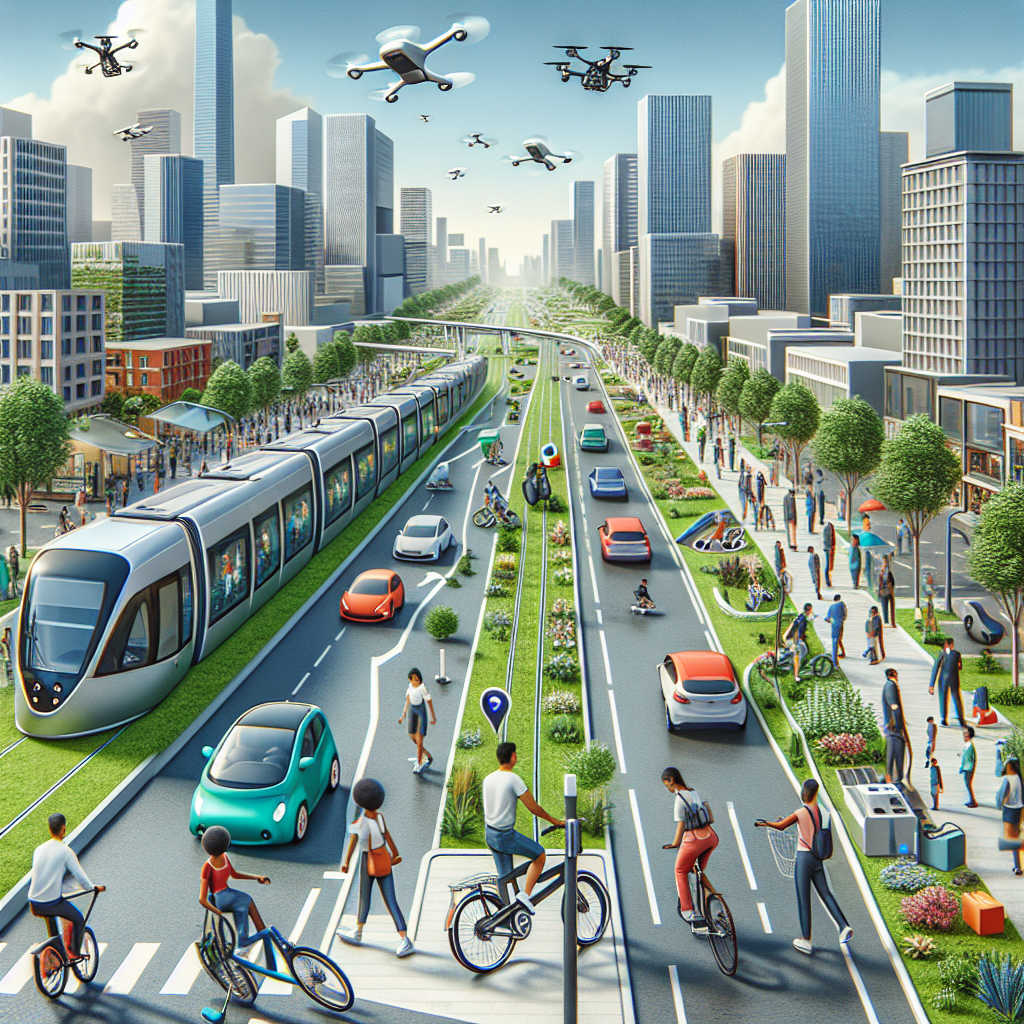
Urban planners can also create pedestrian-friendly environments that encourage walking and cycling, reducing the need for short car trips. Complete streets policies, which ensure that roadways are safe and accessible for all users, including pedestrians, cyclists, and public transit riders, are gaining traction in cities around the world.
Transit-oriented development (TOD) is a planning approach that creates compact, walkable communities centered around high-quality public transportation systems. TOD reduces dependency on private vehicles and promotes sustainable living by focusing on mixed-use development that integrates residential, commercial, and recreational spaces.
Smart Cities and Technological Innovations
Smart cities leverage technology and data to enhance the efficiency and sustainability of urban living. These innovations can range from smart grids and energy management systems to intelligent transportation networks and IoT-enabled infrastructure.
Smart grids are advanced electricity networks that optimize the production, distribution, and consumption of energy, including the integration of renewable energy sources. These grids use real-time data to match energy supply with demand, reducing waste and improving reliability.
Intelligent transportation systems (ITS) use data and technology to improve traffic management, reduce congestion, and promote public transit. For example, ITS can provide real-time information on bus and train schedules, helping commuters plan their journeys more efficiently.
The Internet of Things (IoT) enables the connection of various urban infrastructure elements, such as streetlights, waste management systems, and parking facilities, making cities more responsive and adaptive to residents’ needs. IoT sensors can monitor air quality, water usage, and energy consumption, providing valuable data for sustainable urban planning.
Policies and Incentives for Sustainable Urban Development
Effective policies and incentives are crucial for promoting sustainable urban development. Local, regional, and national governments must work together to create a regulatory framework that supports sustainability initiatives and renewable energy integration.
Incentives such as tax breaks, grants, and subsidies can encourage businesses and residents to invest in renewable energy systems and energy-efficient technologies. For instance, feed-in tariffs guarantee fixed payments to renewable energy producers, making it financially viable for them to invest in solar, wind, or other renewable energy projects.
Building codes and standards can mandate energy-efficient construction practices and the use of green materials. Zoning laws can promote mixed-use development and the preservation of green spaces, contributing to more sustainable urban environments.
Public awareness campaigns and educational programs are also vital. By informing residents about the benefits of sustainability and how they can contribute, cities can foster a culture of environmental responsibility and community engagement.
Conclusion
Sustainable urban development is a dynamic and multifaceted approach that addresses the environmental, economic, and social challenges faced by modern cities. By integrating renewable energy sources, promoting green building practices, investing in public transportation, and leveraging technological innovations, cities can pave the way for a more sustainable future.
The transition to sustainable urban development requires collaboration among governments, businesses, communities, and individuals. Only through concerted efforts can we create urban environments that are resilient, inclusive, and capable of supporting current and future generations.
As urban areas continue to grow, the need for sustainable practices becomes increasingly critical. By embracing renewable energy and other sustainability initiatives, cities can not only mitigate their environmental impact but also enhance the quality of life for their residents, foster economic growth, and build stronger, more resilient communities.
Ultimately, sustainable urban development is about creating cities that balance growth with environmental stewardship, economic viability, and social inclusivity. It’s about ensuring that urbanization supports both people and the planet in the long run.
Frequently Asked Questions
1. What exactly is Sustainable Urban Development?
Sustainable urban development is all about creating cities that work for the people who live there today, as well as the generations to come. It’s a holistic approach to city planning and development that incorporates environmental stewardship, economic resilience, and social inclusivity. Imagine a city where the air is clean, buildings are energy-efficient, public spaces are vibrant and accessible, and every resident has a voice in the decision-making process. Sustainable urban development seeks to create that reality by balancing growth and development with the imperative to reduce our ecological footprint and save resources for future generations.
This means integrating renewable energy sources, promoting efficient public transportation systems, and ensuring green spaces are available for recreation and relaxation. It also entails encouraging a circular economy that minimizes waste and embracing smart technologies to optimize urban systems. Fundamentally, it’s about creating urban spaces that are not only livable and equitable for all but are also adaptable to the inevitable changes in climate and society.
2. How does renewable energy fit into sustainable urban development?
Renewable energy is absolutely integral to sustainable urban development. Cities are massive consumers of energy, and traditionally, this has meant burning fossil fuels, which leads to pollution and a host of environmental problems. By integrating renewable energy sources—such as solar, wind, and geothermal—cities can drastically reduce their carbon footprint and lead the charge in the global effort to combat climate change.
In the context of urban areas, renewable energy can be incorporated in several innovative ways. Solar panels can be installed on rooftops, not just cutting down on utility bills but also feeding energy back into the grid. Wind turbines can be strategically placed in suitable locations, and district heating can be achieved using geothermal solutions. Beyond just power generation, renewables can drive energy efficiency, helping smart buildings monitor and adjust their energy use in real-time. This shift not only supports environmental goals but also promotes economic resilience by reducing reliance on imported fuels and creating new green jobs within the renewable energy sector. Let’s not forget, incorporating these sustainable solutions provides a path towards energy independence for cities, making them more resilient in the face of global energy market fluctuations.
3. What are the economic benefits of integrating renewable energy into urban development?
Embracing renewable energy within urban environments isn’t just an environmental decision—it’s a savvy economic one. Transitioning to renewables can create an influx of new jobs in the burgeoning green technology sector—from the installation of solar panels to maintenance and research and development. Additionally, switching to renewables often means lower energy costs in the long haul. With fossil fuel prices notoriously volatile, cities that harness their local renewable resources can depend on steady, predictable energy prices.
Furthermore, sustainable urban development can lead to increased property values and attract businesses keen to align themselves with green credentials, thus enhancing the overall economic vitality of an area. On the community front, introducing renewables can spur local economic activity when residents and businesses invest in localized energy projects. This local investment cycle can create self-sustaining communities that take pride in their energy production endeavors. By weaving economic incentive and environmental need into a comprehensive development strategy, cities can foster economic growth that is both robust and sustainable. Economically speaking, a focus on renewable energy strengthens resilience against global supply chain disruptions and supports the diversification of energy sources, which can be a buffer against economic instability caused by energy dependence.
4. What role do governments play in promoting sustainable urban development?
Governments are pivotal players in the shift towards sustainable urban development. They have the authority to set policies and regulations that guide cities toward more sustainable practices. For instance, through zoning laws, governments can ensure new developments incorporate green spaces and sustainable design principles. They often provide incentives—such as tax breaks or grants—for businesses and homeowners who invest in renewable energy technologies, further encouraging the shift towards sustainability.
Moreover, governments can invest directly in sustainable infrastructure projects, such as public transit systems that reduce reliance on cars, or initiate programs aimed at retrofitting older buildings to enhance energy efficiency. On a larger scale, governments can be a driving force in combatting climate change by setting ambitious emissions reduction targets and aligning urban development strategies with these objectives.
It’s also important to underscore the influence of government in public education and engagement, creating awareness about sustainable practices, and garnering public support for necessary changes in urban living. This often involves collaborating with other stakeholders such as businesses, community groups, and non-profit organizations to build a shared vision for the future. Ultimately, the role of government is to act as a facilitator, ensuring that sustainable urban development is both feasible and attractive while ensuring the well-being of all citizens is prioritized in the process.
5. How can individuals contribute to sustainable urban development and the adoption of renewable energy?
Individuals have a surprisingly significant role to play in advancing sustainable urban development and renewable energy integration. At the most direct level, individuals can make conscious choices about their lifestyle and consumption habits—such as choosing to bike or use public transport, reducing waste by recycling and composting, or supporting local businesses that prioritize sustainable practices. These choices, aggregated across a city’s population, can drive meaningful change.
Further, individuals can advocate for sustainable policies by engaging with local government representatives, participating in urban planning discussions, and voting for initiatives and leaders who are committed to sustainability. Home and property owners can contribute by installing renewable energy systems such as solar panels or wind turbines, and by incorporating energy-efficient appliances and home improvements.
As consumers, people can embrace renewable energy by choosing energy suppliers that offer green energy options. Engagement in local community efforts to create sustainable gardens or participate in local energy co-ops can also be impactful. Ultimately, every individual’s commitment to education and advocacy can help sustain momentum towards a future in which our urban environments are thriving, equitable, and rooted in a healthy respect for our planet. Encouraging wider adoption through grassroots movements and community-led initiatives, individuals can drive broader cultural shifts that redefine how urban societies define progress and development.