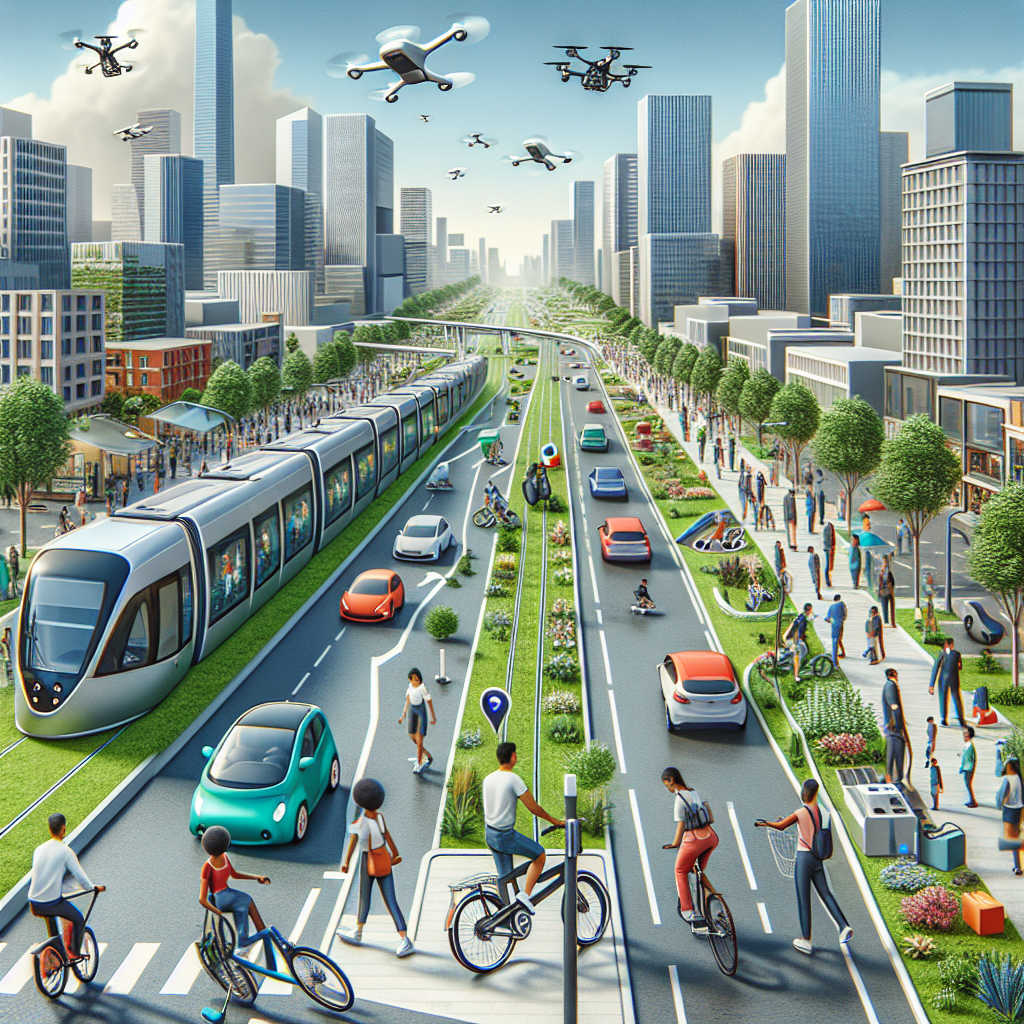
Urban environments have rapidly expanded across the globe, resulting in increasing pressure on natural resources and urban ecosystems. This rise in urbanization has paved the way for the innovative concept of green infrastructure, an ecologically responsible strategy designed to foster sustainability. Green infrastructure encompasses a range of practices and technologies that imitate nature to manage urban stormwater, promote biodiversity, and offer numerous benefits to city dwellers. From green roofs and walls to urban forests and rain gardens, the integration of green elements within urban designs plays a pivotal role in modern urban planning.
The influx of people into city centers has led to a dense landscape of buildings, roads, and other impermeable surfaces, resulting in a host of environmental challenges such as increased stormwater runoff, urban heat islands, and reduced air quality. These challenges necessitate innovative approaches to urban development, focusing on creating livable cities that harmonize with the natural environment. Green infrastructure serves as a multifaceted solution to these urban issues, providing ecological, economic, and social benefits that contribute to a sustainable urban future.
By strategically incorporating green infrastructure into city planning, municipalities can create more resilient cities capable of withstanding climate change’s adverse impacts. These green strategies not only enhance the urban environment but also improve the quality of life for residents. In this article, we will explore the multifaceted benefits of green infrastructure, including stormwater management, enhanced air quality, biodiversity, and social well-being.
Stormwater Management
One of the primary benefits of green infrastructure is its ability to manage urban stormwater effectively. Traditional urban surfaces, such as asphalt and concrete, are impermeable, preventing water absorption, which leads to increased surface runoff during rainstorms. This runoff can overwhelm drainage systems, leading to flooding, and subsequently contaminate waterways with pollutants.
Green infrastructure solutions, such as rain gardens, permeable pavements, green roofs, and bioswales, are designed to capture, store, and infiltrate stormwater where it falls. This approach significantly reduces the volume and velocity of runoff, thus mitigating flood risk. Furthermore, these natural solutions filter out pollutants, improving water quality before it enters water bodies.
For example, rain gardens—a shallow, planted depression that captures stormwater—allow water to soak into the ground, reducing runoff and improving groundwater recharge. Similarly, green roofs absorb rainwater, reduce the heat island effect, and provide insulation for buildings. Cities like Portland and Philadelphia have successfully implemented green infrastructure strategies to address stormwater issues, proving its efficacy in real-world urban environments.
Enhanced Air Quality
Air pollution is a significant concern in densely populated urban areas due to vehicle emissions, industrial activities, and limited green spaces. Green infrastructure plays a crucial role in enhancing air quality by integrating plants and trees that act as natural air purifiers. These green elements absorb pollutants such as nitrogen dioxide, ozone, and particulate matter, thereby improving urban air quality.
Urban forests, green roofs, and vertical gardens are some examples of green infrastructure that are particularly effective at filtering airborne toxins. Trees and plants not only absorb carbon dioxide but also release oxygen, contributing to a healthier atmosphere. The strategic placement of green areas in cities can create cleaner and more breathable urban environments, combating the adverse health effects associated with poor air quality, such as respiratory issues and cardiovascular diseases.
Additionally, the cooling effect provided by vegetation reduces the need for air conditioning in buildings, indirectly decreasing emissions from power plants and lowering the urban heat island effect. This dual benefit of cooling and air purification is critical for cities striving to enhance their livability and environmental sustainability.
Biodiversity and Habitat Creation
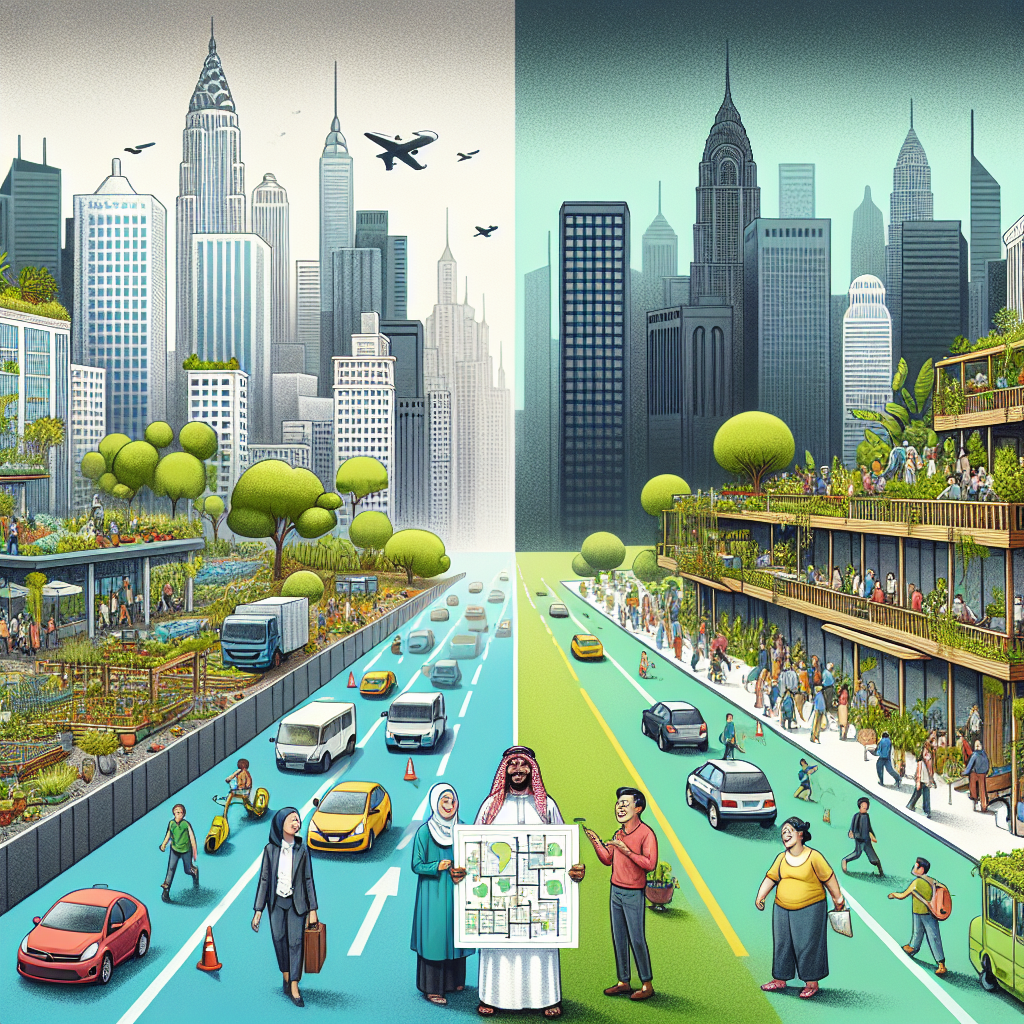
Urbanization typically leads to habitat loss and a decline in local biodiversity. However, green infrastructure can reverse this trend by creating new habitats within urban settings, supporting a wide range of flora and fauna. Parks, green roofs, and community gardens provide sanctuaries for birds, insects, and small mammals, fostering urban biodiversity.
Restoring natural habitats within cities is crucial for maintaining ecological balance. For instance, green corridors and wildlife crossings enable safe passage for animals across urban landscapes, promoting genetic diversity and species survival. Urban planners and developers can design these green spaces to serve not only aesthetic and recreational purposes but also ecological functions, supporting urban wildlife.
City dwellers benefit from increased biodiversity as well. The presence of diverse plant and animal life in urban environments enhances ecosystem services, such as pollination and soil fertility, which are essential for urban agriculture and green space maintenance. Engaging residents in the stewardship of these spaces can further bolster community ties and environmental awareness.
Social and Public Health Benefits
Beyond ecological and environmental advantages, green infrastructure significantly impacts social and public health. Green spaces provide recreational areas for physical activities, promoting a healthier lifestyle among urban residents. Access to parks and nature trails encourages exercise, which is vital for reducing the prevalence of chronic illnesses such as obesity, diabetes, and cardiovascular diseases.
Mental health is another area where green infrastructure shows considerable benefits. Exposure to nature has been linked to reduced stress levels, improved mood, and enhanced cognitive function. Urban green spaces offer residents a tranquil environment to relax and rejuvenate, counteracting the pressures of city living.
Moreover, the presence of green infrastructure fosters social interaction and community cohesion. Public parks and community gardens serve as communal spaces where individuals from different backgrounds can come together, enhancing social ties and fostering a sense of belonging. This social aspect of green infrastructure contributes to a more inclusive and connected urban community.
Economic Benefits
Investing in green infrastructure can also yield significant economic benefits for cities and their residents. The initial costs of implementing green solutions are often offset by long-term savings in areas such as stormwater management, energy consumption, and public health. For instance, green roofs and trees provide natural cooling, reducing the need for air conditioning and lowering energy bills.
Green infrastructure can also enhance property values. Properties located near parks and green spaces are generally more attractive to buyers and renters, leading to increased real estate values and higher tax revenues for municipalities. Business districts with ample greenery can attract customers, improving economic activity and supporting local businesses.
Job creation is another economic advantage of green infrastructure. The design, installation, and maintenance of green elements create employment opportunities in sectors such as landscaping, environmental engineering, and urban planning. These jobs contribute to the local economy while promoting sustainable urban development practices.
Conclusion
Incorporating green infrastructure into urban planning is an essential strategy for creating sustainable, livable cities. The multifaceted benefits of green infrastructure—ranging from effective stormwater management and enhanced air quality to increased biodiversity and social well-being—demonstrate its vital role in contemporary urban development. By prioritizing green solutions, cities can mitigate environmental challenges, promote public health, and foster economic prosperity.
As urban areas continue to grow, the need for innovative, sustainable solutions becomes increasingly critical. Green infrastructure represents a holistic approach to urban planning, addressing environmental, social, and economic issues simultaneously. Policymakers, urban planners, and community stakeholders must advocate for and invest in green infrastructure to ensure resilient and thriving urban environments for future generations.
Embracing green infrastructure is not only a commitment to sustainability but also an investment in the well-being of urban residents. By transforming our cities into greener, healthier places to live, we pave the way for a brighter, more sustainable future. The benefits of green infrastructure are clear and compelling, making it an indispensable component of urban planning and development.
Frequently Asked Questions
1. What exactly is green infrastructure, and how is it different from traditional infrastructure?
Green infrastructure is an innovative approach to urban planning that integrates natural systems into city landscapes to manage stormwater and enhance biodiversity. Unlike traditional infrastructure, which often relies on concrete and pipes for water management, green infrastructure mimics natural processes. This can include anything from green roofs and urban parks to rain gardens and permeable pavements, all designed to absorb rainwater and improve the urban environment. The goal is to create a more sustainable, efficient, and pleasant urban atmosphere by partnering with nature rather than dominating it. It represents a shift towards eco-friendly urban development by using natural processes to address urban challenges while providing recreational, aesthetic, and health benefits.
2. How does green infrastructure impact stormwater management and why is it crucial for cities?
Stormwater management is a critical issue in urban settings due to the prevalence of impervious surfaces like roads and buildings that prevent water from naturally soaking into the ground. Green infrastructure plays a crucial role by using natural-based solutions to absorb and filter rainwater. Techniques such as rain gardens, permeable pavements, and bioswales capture runoff, reduce flooding, and improve water quality by preventing pollutants from entering waterways. This is vital for cities facing increased rainfall due to climate change or less natural ground absorption due to dense urbanization. By enhancing stormwater management, green infrastructure mitigates the risk of floods, decreases pressure on city drainage systems, and minimizes water pollution, ultimately fostering more resilient urban environments.
3. In what ways does green infrastructure promote biodiversity in urban areas?
Biodiversity, the variety of living species within a given habitat, is vital for healthy ecosystems. Green infrastructure contributes significantly to urban biodiversity by creating green spaces that serve as habitats for various plant and animal species. Urban parks, vertical gardens, and green roofs provide homes for birds, bees, butterflies, and other beneficial insects. These green spaces also contribute to the sustenance of urban wildlife by offering food and shelter, thus encouraging more species to thrive. Moreover, green corridors—networks of gardens and parks spread across cities—facilitate the movement of species, allowing them to adapt better to urban environments. By incorporating nature into city planning, biodiversity flourishes, which in turn supports local ecosystems and enriches urban life.
4. Can green infrastructure contribute to improving the quality of life in urban areas?
Absolutely, green infrastructure has a profound impact on the quality of life for city residents. First and foremost, it enhances air quality by facilitating the growth of vegetation that captures pollutants and produces oxygen. Furthermore, these green spaces offer aesthetic beauty and serenity, providing residents with opportunities for recreation and relaxation, which contribute to mental and physical health. Being close to nature is known to reduce stress, enhance mood, and promote overall well-being. Additionally, green infrastructure has economic benefits by increasing property values, reducing energy costs through natural cooling and insulation, and potentially fostering eco-tourism. Socially, it brings communities together in shared spaces and promotes environmental stewardship. Thus, by enriching urban environments, green infrastructure helps create healthier, more liveable cities.
5. How can cities effectively implement green infrastructure, and what challenges might they face?
Implementing green infrastructure requires careful planning and community involvement. Cities can start by integrating green practices into city planning codes and policies, encouraging the construction of green roofs, urban greenways, and rain gardens in new developments. Collaboration with local stakeholders, such as businesses and community groups, is essential to promote shared responsibility and ensure the infrastructure meets community needs. However, challenges such as funding, maintenance, and retrofit costs for existing urban settings can pose hurdles. Educating the public and policymakers on the longer-term economic and environmental benefits of green infrastructure can help overcome resistance and facilitate necessary investment. Additionally, ongoing scientific research and monitoring are required to adapt strategies to specific urban challenges effectively. Projects should be multi-disciplinary, combining the expertise of ecologists, urban planners, engineers, and sociologists to address potential obstacles and maximize success.