The concept of sustainable urban development has become a buzzword in planning and construction circles. Yet, its importance cannot be overstated. As urban areas are expected to house two-thirds of the global population by 2050, they must evolve to be both environmentally friendly and resilient to climate change impacts. Inclusive planning that integrates green infrastructure, reduces carbon footprints, and builds climate resilience is no longer optional but necessary for thriving urban futures.
Why is this so critical? Urban centers, while being engines of economic growth and innovation, are also significant contributors to greenhouse gas emissions and are highly vulnerable to climate hazards. The balance between fostering growth and protecting the environment requires a nuanced approach and multifaceted strategies. This article aims to delve into the core principles of sustainable urban development and showcase how cities can achieve climate resilience through innovative planning and policy measures.
We will explore the interconnection between sustainable development and climate resilience, discuss practical steps cities can take, and ponder future possibilities. From energy-efficient buildings to resilient infrastructure and smart city technology, multiple pathways exist to create urban areas that harmonize with our planet while safeguarding their inhabitants’ wellbeing.
The Interconnection Between Sustainability and Climate Resilience
Sustainability and climate resilience are two sides of the same coin. While sustainability focuses on reducing environmental impact and fostering long-term ecological balance, climate resilience emphasizes the ability of urban areas to adapt to and recover from climate-related hazards. Both are essential for the survival and prosperity of cities.
Consider the impact of climate change: rising sea levels, increasing temperatures, and more frequent extreme weather events like hurricanes, floods, and droughts. Cities that invest in sustainable practices such as renewable energy, waste reduction, and green spaces inherently build resilience. For instance, urban greenery not only improves air quality but also mitigates the heat island effect and provides natural flood defenses.
An integrated approach that combines sustainability and resilience ensures that urban development is not only environmentally friendly but also robust against climatic disruptions. Policies promoting energy-efficient construction, sustainable transportation, and water conservation play a vital role in creating cities that can navigate the uncertainties of a changing climate.
Energy-Efficient Buildings: A Cornerstone of Sustainable Cities
Energy-efficient buildings are a fundamental component of sustainable urban development. Buildings are responsible for a significant portion of energy consumption and greenhouse gas emissions in cities. Adopting energy-efficient design and construction practices can dramatically reduce this footprint.
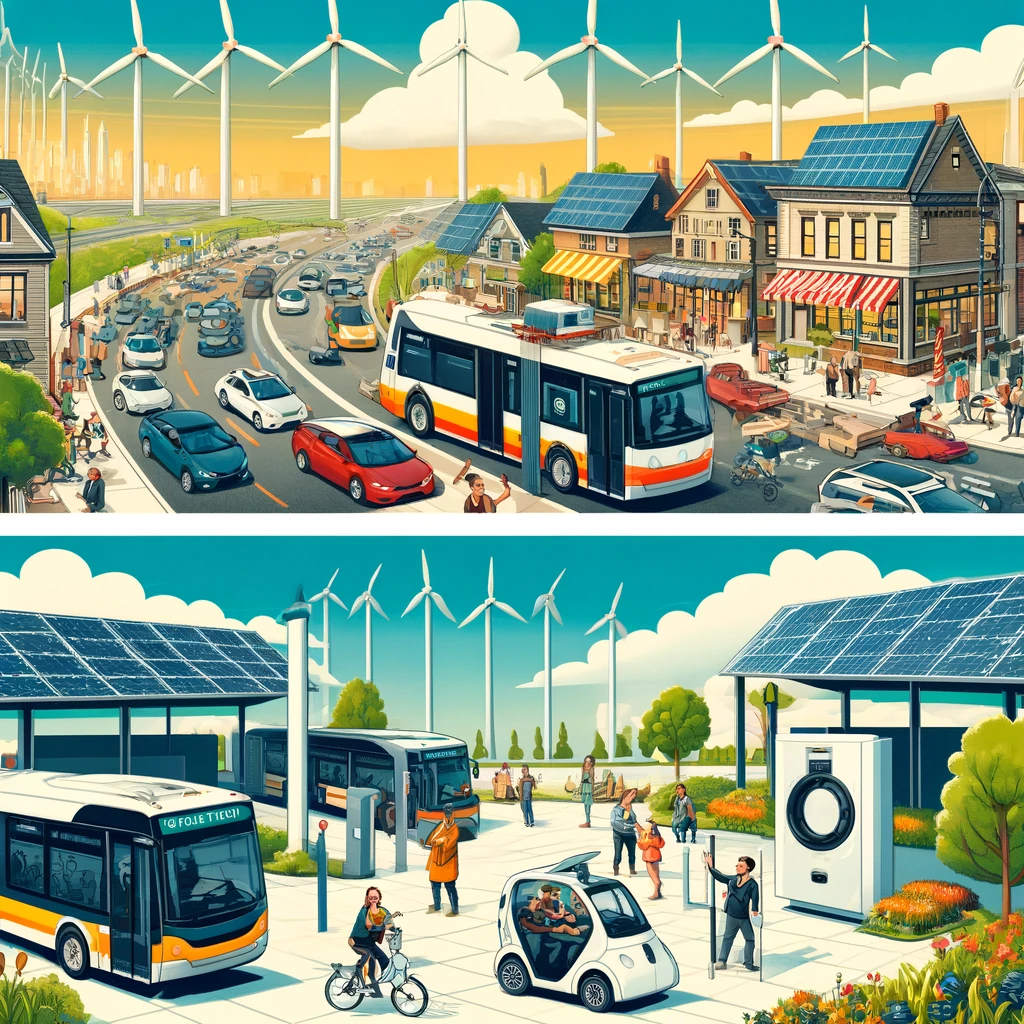
Key strategies include using high-performance building materials, enhancing insulation, and implementing advanced heating, ventilation, and air conditioning (HVAC) systems. Additionally, incorporating renewable energy sources such as solar panels and wind turbines further reduces reliance on fossil fuels.
Beyond technical solutions, energy-efficient buildings also focus on smart design principles. Orienting buildings to maximize natural light can reduce the need for artificial lighting, while green roofs and walls contribute to thermal regulation and promote biodiversity. Smart building technologies—like automated lighting systems and energy management software—are crucial for optimizing energy use and lowering operational costs.
Investing in energy-efficient infrastructure not only aligns with sustainability goals but also enhances a city’s economic resilience by lowering energy costs for residents and businesses, making them less vulnerable to energy price volatility.

Transportation: Sustainable and Resilient Mobility Solutions
Transportation systems are indispensable to urban living but are also major sources of pollution and greenhouse gas emissions. Developing sustainable and resilient transportation options is crucial for modern cities.
Public transit solutions such as buses, trams, and subways offer energy-efficient alternatives to private vehicles, significantly reducing the overall carbon footprint. Cities are investing in electric and hybrid buses, which emit fewer pollutants and operate more quietly compared to traditional diesel-powered buses.
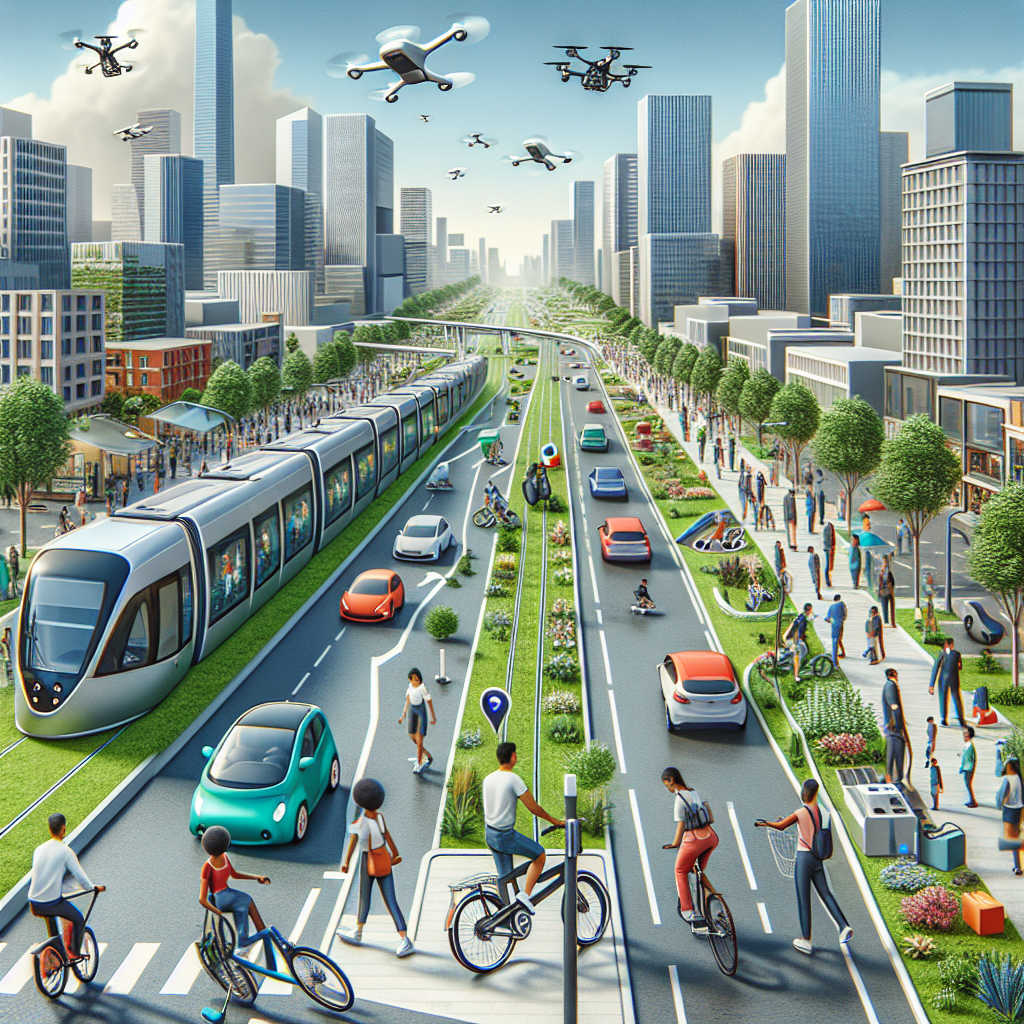
Cycling and walking are other sustainable transportation modes that promote physical health and reduce traffic congestion. Creating bike lanes, pedestrian pathways, and transit-oriented development ensures that these eco-friendly travel methods are safe and accessible.
Incorporating infrastructure that supports electric vehicles (EVs), such as widespread charging stations, facilitates the transition away from conventional petroleum-based transport. Encouraging car-sharing programs reduces the number of vehicles on the road, while emerging technologies such as autonomous vehicles offer potential for more efficient traffic management and reduced emissions in the future.
Smart Cities: Harnessing Technology for Sustainability and Resilience
The advent of smart cities represents a significant leap towards sustainable and resilient urban development. By integrating digital innovation and data analytics, smart cities can enhance their sustainability and adaptability to climate change.
Smart city technologies include Internet of Things (IoT) devices that monitor air quality, traffic flow, and energy usage in real-time. This data collection enables more efficient management of resources and quicker responses to emerging issues. For example, smart grids can dynamically adjust energy distribution based on demand, thus avoiding wastage and ensuring stable supply.
Advanced water management systems powered by smart tech can monitor usage patterns, detect leaks, and prevent wastage, ensuring efficient use of this crucial resource. Additionally, predictive analytics can forecast weather-related events, enabling cities to prepare and mitigate risks more effectively.
Smart technologies in waste management, such as sensor-equipped waste bins, streamline the collection process and optimize recycling efforts. The integration of such innovations not only improves urban living standards but also builds a robust framework for addressing future climate challenges.
Community Engagement: Paving the Way for Sustainable Urban Futures
Community engagement is a vital yet often overlooked component of sustainable urban development. Engaging citizens in the planning process fosters a sense of ownership and ensures that development strategies align with local needs and preferences.
One effective approach is participatory planning, where community members collaborate with urban planners and policymakers to shape the future of their neighborhoods. This collaboration can uncover valuable insights and innovative solutions that might otherwise be missed.
Education and awareness campaigns play a crucial role in promoting sustainable practices at the individual level. Informing residents about the benefits of energy conservation, waste reduction, and sustainable transportation enhances community buy-in and encourages greener lifestyles.
Moreover, fostering strong social networks within communities strengthens collective resilience. By promoting social cohesion and mutual support, urban areas become better equipped to withstand and recover from climate-related disruptions. Community gardens, local energy cooperatives, and neighborhood watch programs are examples of grassroots initiatives that contribute to sustainability and resilience.
Conclusion
As the world continues to urbanize, embracing sustainable urban development and climate resilience becomes imperative. Cities that prioritize these principles are better equipped to handle the challenges of a rapidly changing world while ensuring the wellbeing of their residents and preserving the environment.
The interconnectedness of sustainability and resilience is evident—practices that reduce environmental impact also enhance a city’s ability to adapt to climate disruptions. From energy-efficient buildings to smart cities and community engagement, a multi-faceted approach is essential for achieving these goals.
Policymakers, urban planners, and community members must work together to create urban environments that are not only sustainable but also resilient. By embracing innovative technologies, promoting inclusive planning, and fostering community spirit, cities can transform into thriving, green, and adaptable spaces.
Ultimately, the journey towards sustainable urban development and climate resilience is an ongoing process. As we navigate this path, continuous learning, adaptation, and collaboration will be crucial in building urban futures that harmonize with our planet and enhance the quality of life for all inhabitants.
Frequently Asked Questions
1. What is sustainable urban development?
Sustainable urban development is a holistic approach to city planning that emphasizes environmental sustainability, economic viability, and social equity. It’s about designing urban areas in ways that accommodate growing populations without exhausting resources or causing ecological damage. This means implementing green infrastructure, like parks and rain gardens, reducing energy consumption, and integrating renewable energy sources. For instance, cities might focus on efficient public transport systems, pedestrian-friendly layouts, and support for local produce markets to minimize food transportation emissions. It’s about creating urban spaces that not only cater to today’s needs but are also equipped to handle future challenges, particularly those posed by climate change.
2. Why is climate resilience important in urban development?
Climate resilience refers to a city’s ability to absorb and adapt to the impacts of climate change, including extreme weather events, sea-level rise, and temperature changes. This is crucial because urban areas are often densely populated and rely heavily on infrastructure that can be vulnerable to weather extremes. Without resilience planning, cities may face increased flooding, energy disruptions, and severe damage to properties and public transport systems. Building resilience might involve upgrading drainage systems to handle heavy rainfall, constructing buildings that can withstand stronger storms, and developing comprehensive emergency response strategies. Ultimately, climate resilience is about safeguarding the well-being of urban populations and ensuring long-term economic and social stability in the face of climate uncertainty.
3. How does green infrastructure contribute to sustainable urban development?
Green infrastructure encompasses a range of sustainable solutions like green roofs, urban forests, and permeable pavements, which work to manage stormwater, promote biodiversity, and reduce urban heat islands. Unlike conventional infrastructure, which often exacerbates issues like flooding or pollution, green infrastructure provides a multi-functional approach to urban challenges. For example, vegetation in a city can absorb rainwater, provide shade, improve air quality, and offer recreational spaces, all while enhancing aesthetic value. It’s about harnessing nature-based solutions to make urban life healthier, more sustainable, and adaptable to changing environmental dynamics. By using natural processes to address urban issues, green infrastructure not only supports ecological balance but also contributes to a city’s resilience and long-term sustainability.
4. What role does policy play in driving sustainable urban development?
Policy plays a pivotal role in steering cities towards sustainability by setting the framework within which urban development occurs. Regulatory guidelines can mandate green building standards, encourage public transportation over private cars, and allocate resources for urban greening projects. Policies can incentivize or require the use of renewable energies, such as solar panels on new buildings, and they can impose taxes or fees on activities that contribute heavily to pollution. Furthermore, inclusive policies can ensure that urban development benefits all community members, not just those with economic power. By facilitating collaboration between government, businesses, and citizens, effective policies can drive widespread commitment to sustainability goals and foster innovation in urban planning.
5. How can individuals contribute to sustainable urban development and climate resilience?
Individuals can have a great impact on promoting sustainable urban development and climate resilience through everyday choices and civic engagement. On a personal level, people can reduce their carbon footprint by using public transportation, biking, or walking instead of driving. Participating in community gardens or supporting local farmers markets can lessen the environmental impact of food transportation. Moreover, individuals can advocate for sustainability in local governance by voting for leaders with green agendas, attending town hall meetings, and participating in community planning initiatives. Educating oneself and others about sustainable practices and climate risks also builds grassroots movements that push for broader systemic change. Every small action, when aggregated across a community, can contribute significantly towards making cities more sustainable and resilient.