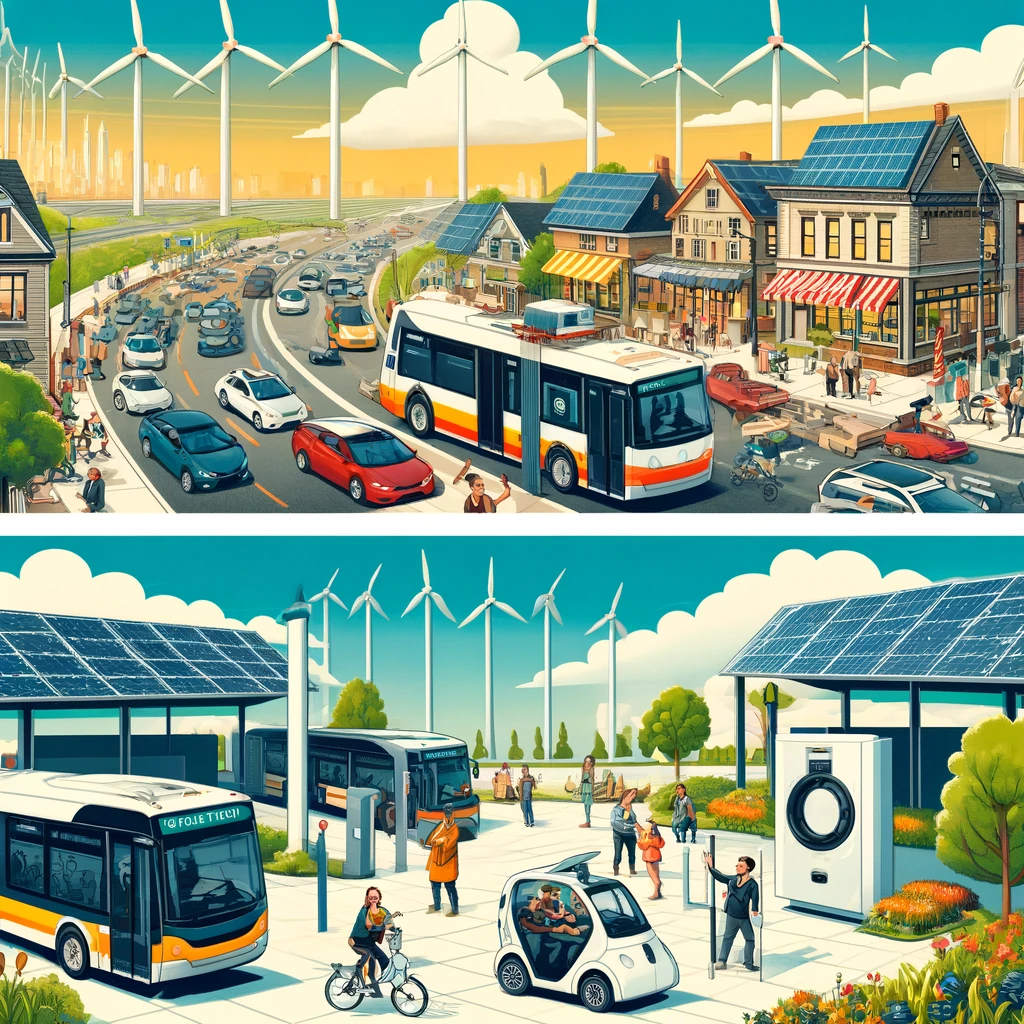
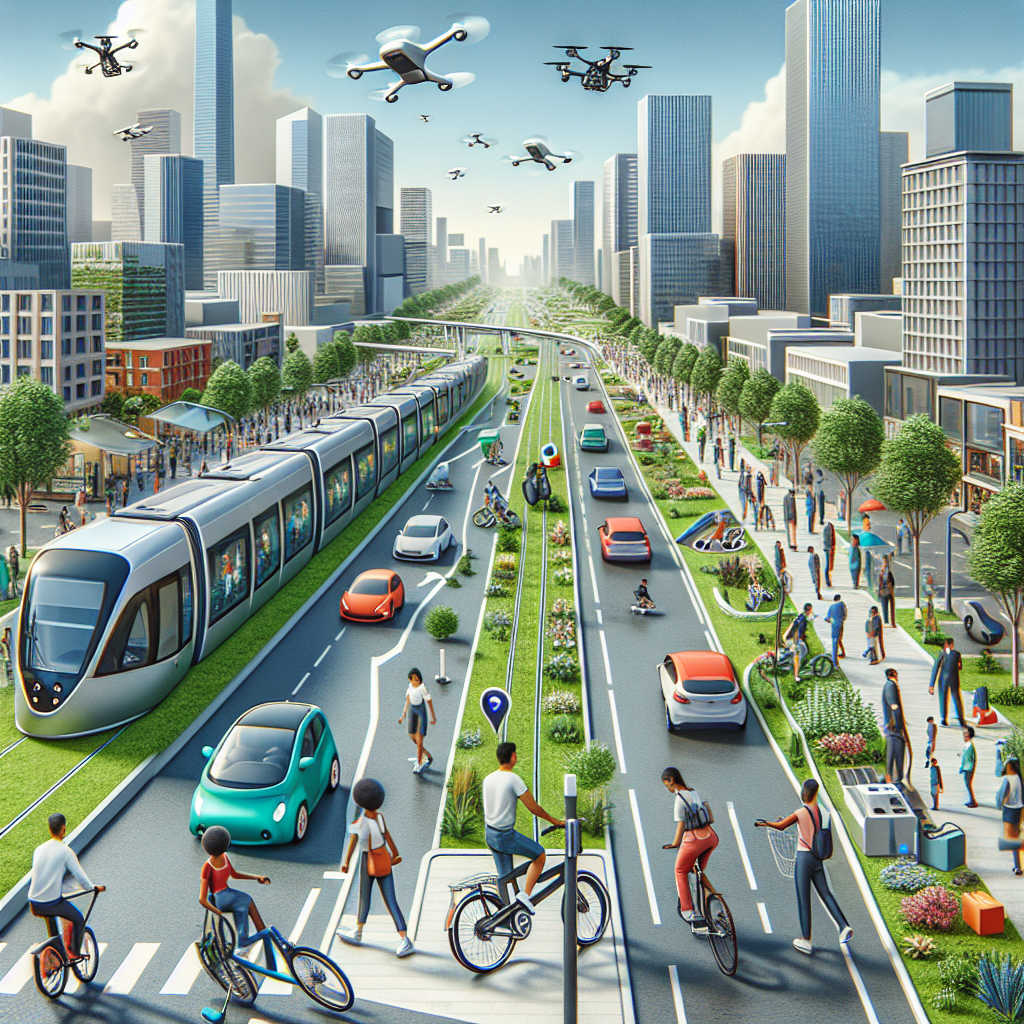
As urban populations around the world continue to grow, cities are facing increased pressure to manage emissions and improve air quality. Sustainable urban development has become a focal point for city planners, environmentalists, and policymakers alike. One critical component of this sustainability puzzle is public transportation. Efficient, reliable, and accessible public transport systems play a significant role in reducing the number of private vehicles on the road, thereby curbing greenhouse gas emissions.
Public transportation encompasses a range of services including buses, subways, trains, and trams. Each of these modes has the potential to carry hundreds, if not thousands, of passengers, significantly cutting down on the per-capita emission of greenhouse gases. This is not just about reducing air pollution; it’s about creating more livable, healthier urban environments for future generations. Urban areas typically have higher levels of car ownership and traffic congestion, which contribute to air pollution, noise pollution, and the human stress associated with long commutes. Public transportation offers a viable, sustainable alternative to individual car use.
In this article, we will explore the myriad ways in which public transportation contributes to sustainable urban development. From lowering emissions and improving air quality to reducing traffic congestion and fostering inclusive communities, the benefits of an efficient public transport system are far-reaching. We’ll also look into case studies and statistics that demonstrate the real-world impact of public transportation systems globally.
Reducing Greenhouse Gas Emissions
One of the most compelling arguments for investing in public transportation is its ability to reduce greenhouse gas emissions. Private vehicles, especially those running on fossil fuels, are among the largest contributors to CO2 emissions in urban settings. According to the International Energy Agency, road transport is responsible for nearly 75% of CO2 emissions from the transportation sector. The widespread adoption of public transportation systems can significantly reduce this figure.
For instance, a full bus carries the equivalent number of passengers as 40-50 private cars but produces far fewer emissions per passenger. Similarly, electric trains and subways, which can be powered by renewable energy sources, offer an even greener alternative. The shift from individual car use to public transportation can drastically reduce the total amount of fossil fuels burned, thereby reducing the overall carbon footprint of a city.
Furthermore, many cities are now exploring electric buses and other forms of green transport. For instance, London has committed to making all of its buses zero-emission by 2037. Such measures not only help in reducing CO2 emissions but also cut down on other pollutants like NOx and particulate matter, which have severe impacts on human health.
Improving Air Quality
Air quality is a significant concern in urban areas, where pollutants from vehicles can lead to smog and a host of health problems including asthma, bronchitis, and other respiratory illnesses. By reducing the number of private vehicles on the road, public transportation can greatly improve the air quality in urban environments.
For instance, cities like Paris and Copenhagen have seen remarkable improvements in air quality following investments in public transport infrastructure and car-free zones. Monitoring stations in these cities have recorded lower levels of NO2 and particulate matter after the implementation of such measures. It’s not just about investing in buses and trains; it’s also about creating pedestrian-friendly and bike-friendly spaces.
Improved air quality can have immediate benefits for public health. Research has shown that even a small reduction in air pollution can lead to significant drops in respiratory and cardiovascular disease rates. Consequently, this leads to reduced healthcare costs and a higher overall quality of life for urban residents.

Reducing Traffic Congestion
Traffic congestion is another critical issue faced by urban planners. Not only does it contribute to increased emissions, but it also results in economic losses due to time wasted in traffic and increased fuel consumption. Public transportation systems, especially those that integrate various modes of transport, can significantly reduce congestion.
Cities like Tokyo and New York are examples of how efficient public transportation systems can alleviate traffic congestion. In Tokyo, the extensive subway network ensures that millions of people can commute daily without needing to rely on private cars. Similarly, New York’s mix of subways, buses, and commuter trains serves millions of people each day, reducing the number of vehicles on the road.
Reduced traffic congestion has multiple benefits. It leads to lower emissions because vehicles that are moving freely burn less fuel compared to those stuck in traffic. It also improves the overall commuting experience, making the city more livable. Moreover, the reduced need for extensive road infrastructure can free up urban space for parks, bike lanes, and pedestrian zones, contributing to a more sustainable urban environment.
Economic Benefits of Public Transportation
The economic benefits of investing in public transportation are substantial. Besides reducing the economic losses associated with traffic congestion, public transport systems can stimulate local economies. Job creation is one of the direct benefits. Building and maintaining transit infrastructure requires a workforce, and operations provide long-term employment opportunities.
For instance, cities that have invested in public transportation often see an increase in local business activities. Elevated property values around transit hubs can lead to urban regeneration and increased investment in local amenities. Studies have shown that for every dollar invested in public transportation, there is a return of approximately four dollars in economic activity.
Moreover, public transportation can be a more cost-effective option for commuters compared to owning and maintaining a private vehicle. This can lead to increased disposable income, which in turn can be spent within the local economy, further stimulating economic growth. Reduced commuting costs can also make a city more attractive to skilled workers, thus drawing talent and driving economic development.
Fostering Inclusive Communities
Public transportation is not just about reducing emissions and improving air quality; it’s also about social equity and fostering inclusive communities. A well-designed public transport system ensures that all residents, regardless of income or physical ability, have access to reliable mobility options. This inclusivity is crucial for creating equitable and resilient urban communities.
Affordable and accessible public transport allows low-income residents to commute to jobs, educational institutions, and healthcare facilities, thus improving their quality of life and economic opportunities. For example, cities like Bogota and Curitiba have implemented bus rapid transit (BRT) systems that offer affordable, reliable transport options to residents, significantly improving social mobility.
Furthermore, public transportation can play a role in community building. Shared spaces, like buses and trains, encourage interaction among diverse groups of people, fostering a sense of community. In contrast, reliance on private cars can lead to social fragmentation, where people become isolated within their private bubbles. An inclusive public transport system thus contributes to social cohesion and a more integrated urban community.
Technological Innovations in Public Transportation
Innovation in technology is playing a significant role in enhancing the efficiency and sustainability of public transportation systems. From electric buses to smart ticketing systems, technological advancements are reshaping how public transport is perceived and utilized.
Electric and hybrid buses are now becoming a common sight in many cities around the world. These buses run either partially or entirely on electricity, thereby reducing reliance on fossil fuels and lowering emissions. Cities like Shenzhen in China have already transitioned their entire bus fleet to electric models, setting a precedent for others to follow.
Moreover, the integration of smart technologies such as real-time tracking, mobile ticketing, and predictive analytics can significantly improve the user experience. Passengers can plan their journeys more efficiently, reducing waiting times and making public transport a more attractive option compared to private vehicles. These innovations also offer operational efficiencies for transit agencies, allowing better resource allocation and service optimization.
Conclusion
Public transportation is a linchpin in the broader strategy for sustainable urban development. It offers a multitude of benefits that go beyond merely reducing greenhouse gas emissions. From improving air quality and reducing traffic congestion to fostering inclusive communities and stimulating economic growth, the advantages are wide-ranging and profound.
However, the successful implementation of public transportation requires comprehensive planning, investment, and public support. It involves not just the construction of infrastructure but also the integration of policies that encourage public transport use over private vehicle ownership. Cities around the world are already demonstrating the transformative potential of public transportation through innovative projects and policies.
As we move forward, it is essential to continue investing in public transport systems that are efficient, reliable, and environmentally friendly. By doing so, we can create urban environments that are not only sustainable but also livable and equitable for all residents. Public transportation thus holds the key to a future where urban development and environmental stewardship go hand in hand.
Frequently Asked Questions
1. How does public transportation help reduce emissions in urban areas?
Public transportation is a major player in the battle against urban emissions. By offering a shared mode of travel, public transit systems reduce the number of private vehicles on the streets. Fewer cars on the roads mean fewer tailpipe emissions, which are a significant contributor to urban air pollution. For instance, a typical bus can carry as many people as about 40 private cars. By consolidating passengers into one vehicle, public transportation significantly lowers the collective fuel consumption and emissions. Furthermore, many cities are transitioning to electric or hybrid buses and trains, which drastically cut down on the amount of direct emissions produced. Public transit also supports the use of alternative energy sources, helping cities pivot away from fossil fuels. Beyond the evident reduction in emissions, these systems also promote a less congested urban environment, lessen the need for parking spaces, and encourage a more walkable, bike-friendly infrastructure, both of which contribute to an overall cooler, healthier living climate in cities.
2. What types of public transportation are most effective in reducing emissions?
The effectiveness of public transportation systems in reducing emissions largely depends on the type of transit and how they’re operated. Among the most effective are electric-powered systems like subways, trams, and light rail. These systems generally run on electricity and can be powered by renewable energy sources such as wind or solar, resulting in zero emissions directly from the vehicle. Electric buses are quickly becoming a staple as technology improves, bypassing the emissions associated with diesel engines. Additionally, Bus Rapid Transit (BRT) systems that use dedicated lanes and efficient scheduling are more effective in reducing emissions compared to regular buses, mainly because they decrease traffic congestion and have quicker turnaround times. Bicycles, while not traditionally considered public transportation, are increasingly integrated into citywide transit systems with shared bike programs that significantly reduce emissions when replacing car trips for short distances.
3. How does improving public transportation accessibility impact urban emissions?
Improving the accessibility of public transportation has a profound impact on reducing urban emissions. When public transit is readily available, affordable, and easy to use, more people are inclined to choose it over private vehicle travel. Accessibility can be enhanced in several ways: increasing the number of routes and frequency of service, ensuring transit stops are within walking distance of major urban areas, and making platforms and vehicles more accommodating for people with disabilities. Implementing user-friendly payment methods and real-time tracking services also promotes public transportation usage. By making transit more accessible, cities not only reduce emissions but also offer equitable mobility options for all demographics, which can lead to a wider societal shift towards sustainable living. The success of any urban strategy to curb emissions hinges significantly on making public transit an attractive and viable option for the majority of city residents.
4. What are some challenges cities face in implementing effective public transportation systems to cut emissions?
Implementing effective public transportation systems to reduce emissions presents numerous challenges for cities. First and foremost is the financial burden; developing and maintaining a robust public transit system requires significant investment. Securing funding can be a challenge, especially for cash-strapped municipalities. Beyond financing, there is the complexity of urban planning. Cities must balance the need for expanded transit networks with existing infrastructure and urban landscapes, often requiring expensive and time-consuming construction and development projects. Political willpower is another factor; overcoming opposition from invested interests such as car manufacturers or fuel companies can be a formidable hurdle. Moreover, there’s the challenge of ensuring public buy-in, as promoting a shift in habitual transportation preferences requires strong advocacy and public education campaigns. Finally, cities also grapple with integrating new and advanced technologies, which requires both technical expertise and significant capital. Overcoming these challenges necessitates a coordinated effort among policymakers, urban planners, and community stakeholders.
5. Can public transportation development intersect with other environmental efforts in urban areas?
Yes, public transportation development can and should intersect with various other environmental efforts to create a holistic approach to sustainability. For example, cities can integrate green infrastructure, like urban gardens and rainwater collection systems, at stations and stops which can help manage stormwater, reduce urban heat, and enhance air quality. Public transit systems can also be aligned with energy-efficient architectural designs and renewable energy efforts. For instance, installing solar panels on transit facilities or utilizing energy-efficient lighting and construction materials. Moreover, encouraging policies that promote transit-oriented development leads to the creation of dense, walkable urban environments that naturally reduce dependency on private vehicles. Initiatives such as pedestrian-friendly zones and bike-friendly policies can dovetail with public transit efforts, providing seamless transitions between different modes of low-emission travel. Ultimately, integrating public transportation with wider environmental goals can make cities more livable, sustainable, and resilient in the face of escalating climate challenges.