Sustainable urban development is not just a buzzword in modern city planning; it’s a necessity. As our urban populations grow, the need to provide efficient, eco-friendly living spaces becomes crucial. However, many people often overlook the importance of cultural preservation in the rush to build sustainable cities. A city is more than its buildings and infrastructure; it’s the cultural heritage, the community ethos, and the shared history that truly make it unique. Preserving these elements amidst urban evolution ensures that we don’t lose our identity while aiming for a greener future.
This article seeks to delve into the intersection of sustainable urban development and cultural preservation. By examining how cities around the world are successfully marrying the two concepts, we can glean insights into best practices and innovative strategies. This knowledge not only enriches our understanding of sustainable development but also emphasizes that cultural preservation can go hand-in-hand with modern urban planning techniques.
The Importance of Community Involvement
One of the most critical elements in the sustainable urban development and cultural preservation equation is community involvement. When residents are engaged in the planning process, they become active stakeholders in both preserving their cultural heritage and promoting sustainability. Public meetings, focus groups, and community workshops enable planners to gather input and incorporate local knowledge into their projects.
For instance, in cities like Barcelona and Vancouver, local government bodies prioritize community involvement to ensure that redevelopment projects align with the communal sentiment. Through this engagement, the balance between modern sustainable practices and cultural preserving activities is maintained. Grassroots organizations also play a significant role in this realm, often spearheading initiatives that blend traditional practices with contemporary needs.
Community involvement can also foster a sense of ownership and pride among residents, making them more likely to support and uphold sustainable practices. When people feel their culture is being respected and preserved, they’re more inclined to engage in behaviors that contribute to the city’s long-term sustainability goals, such as recycling, reducing energy usage, and supporting local green businesses.
Adaptive Reuse of Heritage Buildings
Heritage buildings serve as tangible links to the past, embodying the architectural, economic, and social history of a place. One effective way of integrating cultural preservation with sustainable urban development is through the adaptive reuse of these buildings. Adaptive reuse refers to the process of repurposing old structures for new uses, thereby conserving cultural heritage while meeting modern needs.
Urban planners in cities like Sydney and Los Angeles have implemented adaptive reuse strategies with remarkable success. By renovating rather than demolishing older buildings, these cities save on the resources and energy that would otherwise be used for new constructions. Moreover, these renovated buildings often become cultural landmarks, blending sustainable architecture with historical aesthetics.
Adaptive reuse also drives economic benefits by attracting tourism and offering unique spaces for businesses and residential use. This economic uplift can be reinvested into further sustainable and cultural initiatives, creating a positive feedback loop that benefits the entire community.
Green Public Spaces and Cultural Events
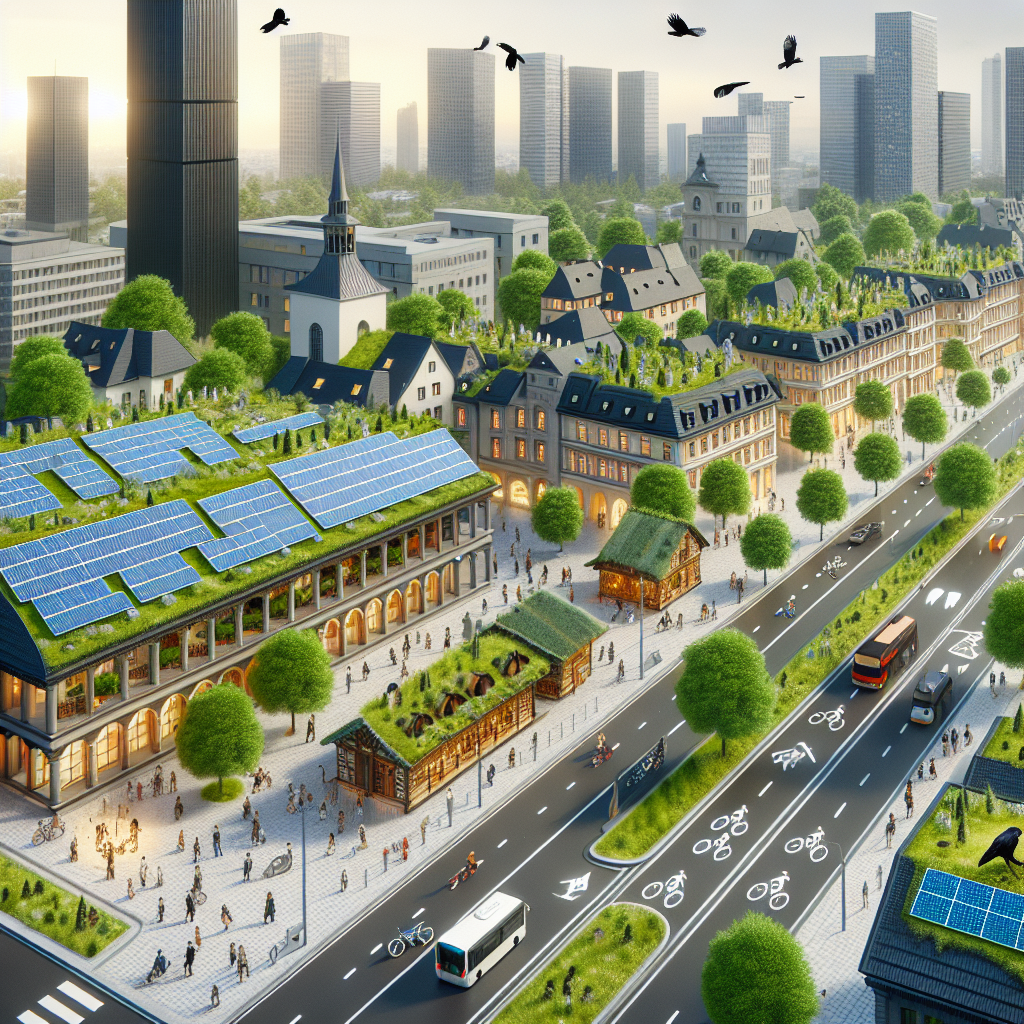
Green public spaces like parks, gardens, and waterfronts are essential for sustainable urban living. However, these spaces can also serve as vital platforms for cultural activities and community gatherings. By integrating green public spaces with cultural events, cities can promote environmental sustainability while preserving and celebrating their cultural heritage.
Take, for example, New York City’s Central Park, an urban oasis that hosts countless cultural events, from Shakespeare in the Park to music festivals and community fairs. These events not only engage residents in cultural practices but also encourage them to appreciate and protect their green spaces. Similarly, cities like Tokyo and Copenhagen have created multifunctional public spaces that serve both ecological and cultural purposes.
Incorporating cultural elements into green spaces can also involve the use of traditional landscaping techniques, local plant species, and indigenous materials. These elements act as living museums, providing educational opportunities about the local culture and its historical relationship with the environment.
Urban Design with Cultural Sensitivity
Urban design plays a crucial role in the sustainable development of cities. When architects and planners take cultural sensitivity into account, they create spaces that respect and reflect the local culture. This approach can involve the use of traditional architectural styles, materials, and design principles that honor the community’s heritage while incorporating modern sustainable technologies.
For example, in places like Kyoto, Japan, urban design projects often merge traditional wooden architecture with advanced solar energy systems. Similarly, in rural India, some initiatives are integrating traditional mud and bamboo structures with contemporary climate-control technologies. These designs offer a harmonious blend of old and new, demonstrating that cultural preservation and sustainability are not mutually exclusive.
Designing with cultural sensitivity doesn’t just apply to physical structures; it also involves urban layouts that recognize historical pathways, local religious sites, and traditional marketplaces. By doing so, cities can maintain the cultural essence of their communities while advancing toward sustainable development goals.
Policy and Regulation: A Balanced Approach
Governmental policies and regulations are instrumental in steering sustainable urban development and cultural preservation. A balanced approach involves creating laws and guidelines that promote green building practices while also protecting cultural heritage sites. Many cities are now adopting policies that require new developments to meet specific sustainability criteria without compromising existing cultural landmarks.
For instance, Paris has implemented regulations that mandate energy-efficient building standards while also protecting its iconic historical structures. By adopting a mixed regulatory framework, the city ensures that its rich cultural history is preserved even as it moves toward a more sustainable future. Similarly, Singapore’s Urban Redevelopment Authority has multiple schemes that incentivize the conservation of heritage buildings alongside new green developments.
However, effective policies require robust enforcement mechanisms and the flexibility to adapt to changing circumstances. It’s also essential for policymakers to engage with local communities and stakeholders regularly to ensure that the regulations meet diverse needs without overlooking cultural significance.
The Future of Sustainable Urban Development and Cultural Preservation
Looking ahead, the future of sustainable urban development will inevitably continue to intersect with cultural preservation. Advances in technology, shifts in societal values, and the increasing urgency of climate change will all shape this evolution. Innovations like smart cities and green technologies offer immense potential for developing urban areas sustainably while respecting cultural heritage.
For instance, smart city technologies can optimize resource usage and reduce carbon footprints. Simultaneously, augmented and virtual reality can offer new ways to engage with cultural heritage without compromising its physical integrity. Cities like Amsterdam and Dubai are already exploring such technologies to create interactive experiences that educate residents about their cultural heritage while promoting sustainable living.
Moreover, as younger generations become more environmentally and socially conscious, the demand for sustainable urban solutions that also respect cultural values will likely grow. This increased awareness and advocacy can drive more significant innovation and public support for balanced sustainable development policies.
By continuously learning from past experiences and embracing new technologies and methodologies, we can create cities that honor their cultural roots while also thriving in a sustainable, eco-friendly future.
Conclusion
In conclusion, sustainable urban development and cultural preservation are not mutually exclusive goals. Instead, they can complement each other to create thriving, resilient, and culturally rich urban environments. By involving communities, adapting heritage structures, designing green public spaces, incorporating cultural sensitivity into urban design, and implementing balanced policies, we can achieve a harmonious balance between these two crucial aspects of modern city development.
The best practices from cities around the world illustrate that this balance is not only achievable but also beneficial for both the environment and the communities. Sustainable urban initiatives that honor cultural heritage can strengthen the social fabric, foster economic growth, and create more liveable cities.
As we move toward an increasingly urbanized world, it’s essential to prioritize both sustainability and cultural preservation. Doing so requires a thoughtful, inclusive, and forward-thinking approach. By embracing this dual focus in urban planning, we can build cities that are not only sustainable and efficient but also rich in history and cultural significance.
Frequently Asked Questions
1. What is sustainable urban development, and why is it essential?
Sustainable urban development is the strategic growth of urban areas in a way that ensures environmental integrity, economic viability, and social equity for both the present and future generations. This approach is essential because urban populations are expanding rapidly. By 2050, it’s estimated that nearly 70% of the world’s population will live in cities. Without sustainable practices, this growth could lead to increased pollution, resource depletion, and decreased quality of life. It’s crucial to design urban spaces that reduce carbon footprints, enhance green spaces, and promote efficient public transportation, clean energy, and water conservation. It’s not just about building more; it’s about building smarter for the health of the planet and its inhabitants.
2. Why is cultural preservation important in sustainable urban development?
Cultural preservation is an integral part of sustainable urban development because it maintains a city’s identity, history, and soul. While it can be tempting to focus solely on new technologies and infrastructure, a truly sustainable city respects and incorporates its cultural heritage. This includes protecting historical buildings, supporting local arts, and valuing traditional practices that tell the city’s story. Cultural heritage contributes to the community’s sense of belonging and pride, stimulates tourism, and can drive economic growth through the creative economy. Plus, it ensures that future generations can experience and learn from past achievements and failures, fostering a deeper appreciation for diversity and common heritage.
3. How can cities effectively balance modern development with cultural preservation?
Balancing modern development with cultural preservation requires careful planning and community involvement. One effective strategy is integrating modern technologies with traditional architectural designs, ensuring that new developments complement rather than replace historical sites. Adaptive reuse of old buildings can also be a sustainable alternative, repurposing them for new uses while maintaining their historical significance. Cities should develop guidelines and regulations for urban planning that emphasize cultural preservation, incentivizing developers to incorporate heritage elements into their projects. Community participation is crucial; engaging local populations in planning processes ensures that development aligns with both the cultural values and practical needs of the communities they serve.
4. What are some examples of sustainable urban development projects that include cultural preservation?
There are numerous examples worldwide where sustainable urban development includes cultural preservation. The High Line in New York City transformed an old elevated railway into a public park, preserving historical infrastructure while providing a green oasis in the urban environment. In Barcelona, the city has integrated sustainable practices with heritage conservation by promoting pedestrian-friendly streets and preserving its Gothic Quarter. The city of Recife in Brazil has restored historical buildings in its old port area to create cultural and business hubs. These projects reflect a commitment to enhancing urban life by preserving cultural heritage while pursuing modern efficiencies and sustainable practices.
5. What role do communities play in sustainable urban development and cultural preservation?
Communities play a crucial role in both sustainable urban development and cultural preservation. They are the stewards of local traditions and cultural heritage, often leading efforts to preserve historical sites and practices. Community input ensures that development projects reflect the local culture and address residents’ needs, contributing to more livable, inclusive cities. Moreover, communities can drive initiatives that foster sustainable practices, such as community gardens, local markets, and cooperative housing projects. Actively involving community members in planning and decision-making processes builds social cohesion and leads to more successful and sustainable urban development outcomes. Local participation encourages innovation and ensures that projects are more than just aesthetically pleasing—they are functional, sustainable, and culturally rich.