Sustainable urban development is a critical aspect of creating livable cities that address environmental challenges, enhance quality of life, and promote resilience. One key component of sustainable urban development is eco-friendly urban landscaping. The importance of green spaces in urban areas cannot be overstated; they provide aesthetic benefits, recreational areas, environmental protection, and mental health benefits for city dwellers. However, traditional landscaping practices often involve extensive use of water, synthetic fertilizers, pesticides, and energy-intensive maintenance. These practices can have detrimental environmental effects, including water scarcity, pollution, and greenhouse gas emissions.
Eco-friendly urban landscaping aims to minimize these adverse impacts by utilizing sustainable practices that promote the health of urban ecosystems. This involves using native plants, water-efficient landscaping, organic fertilizers, and integrating green infrastructure such as rain gardens and green roofs. These sustainable practices not only help in conserving resources and reducing pollution but also enhance the biodiversity and resilience of urban environments.
In this article, we will delve into various eco-friendly urban landscaping practices that can be incorporated into urban planning and development projects. We will explore the benefits of using native plants, the importance of water-efficient techniques, the advantages of organic fertilizers, and the role of green infrastructure. By adopting these sustainable practices, cities can create greener, healthier, and more resilient urban environments for future generations.
Using Native Plants
One of the fundamental principles of eco-friendly urban landscaping is the use of native plants. Native plants are those that occur naturally in a particular region and have adapted to the local climate, soil, and ecosystem. They are the foundation of a region’s biodiversity and play a crucial role in supporting local wildlife.
Using native plants in urban landscaping offers numerous benefits. Firstly, native plants require less water compared to non-native species because they are adapted to the local climate and rainfall patterns. This helps in conserving water, which is particularly important in regions facing water scarcity. Secondly, native plants generally require fewer fertilizers and pesticides, as they have evolved to resist local pests and diseases. This reduces the chemical load on the environment and protects soil and water quality.
In addition to environmental benefits, native plants also enhance the aesthetic appeal of urban landscapes. They add a regional character to the area and create a sense of place. Furthermore, native plants provide essential habitats for local wildlife, including birds, insects, and pollinators, contributing to urban biodiversity.
Urban planners and landscapers can promote the use of native plants by incorporating them into public parks, gardens, and green spaces. Educational campaigns can also help in raising awareness among residents about the benefits of native plants and encouraging them to use these species in their private gardens.
Water-Efficient Landscaping
Water-efficient landscaping, also known as xeriscaping, is a crucial aspect of eco-friendly urban landscaping. This practice focuses on minimizing water use while maintaining a healthy and attractive landscape. Given the increasing frequency of droughts and water shortages, especially in arid and semi-arid regions, water-efficient landscaping has become essential.
There are several strategies for achieving water-efficient landscaping. The first step is the selection of drought-tolerant plants, including native species and other plants that require minimal water. These plants are well-suited to thrive in dry conditions without extensive irrigation.
Another important aspect of water-efficient landscaping is the use of efficient irrigation systems. Drip irrigation and soaker hoses deliver water directly to the plant roots, reducing water wastage through evaporation and runoff. Additionally, smart irrigation controllers that adjust watering schedules based on weather conditions can further enhance water efficiency.
Mulching is another effective technique for conserving soil moisture. By applying a layer of organic mulch around plants, soil temperature is regulated, water evaporation is reduced, and weed growth is suppressed. This helps in maintaining soil moisture and reducing the need for frequent watering.
Moreover, landscape designs that incorporate rainwater harvesting systems can capture and store rainwater for irrigation purposes. This reduces the dependency on potable water and allows for more sustainable water management in urban landscapes.
Organic Fertilizers and Soil Health
Maintaining healthy soil is essential for sustainable urban landscaping. Healthy soil not only supports plant growth but also plays a vital role in water filtration, carbon sequestration, and nutrient cycling. One of the key practices for enhancing soil health is the use of organic fertilizers.
Organic fertilizers are derived from natural sources, such as compost, manure, bone meal, and seaweed. Unlike synthetic fertilizers, organic fertilizers release nutrients slowly, providing a steady supply of nutrients to plants and reducing the risk of nutrient runoff and pollution. Moreover, organic fertilizers improve soil structure, enhance microbial activity, and increase soil organic matter, all of which contribute to improved soil health and fertility.
In addition to using organic fertilizers, employing practices that reduce soil erosion and compaction is also crucial. Techniques such as no-till gardening, cover cropping, and using ground covers help in minimizing soil disturbance, protecting soil structure, and preventing erosion. These practices create a healthier and more resilient soil ecosystem.
Composting is another valuable practice for improving soil health. By recycling organic waste into compost, valuable nutrients are returned to the soil, reducing the need for chemical fertilizers and enhancing soil fertility. Urban planners can promote composting by providing community composting facilities and encouraging residents to compost their kitchen and garden waste.
Green Infrastructure
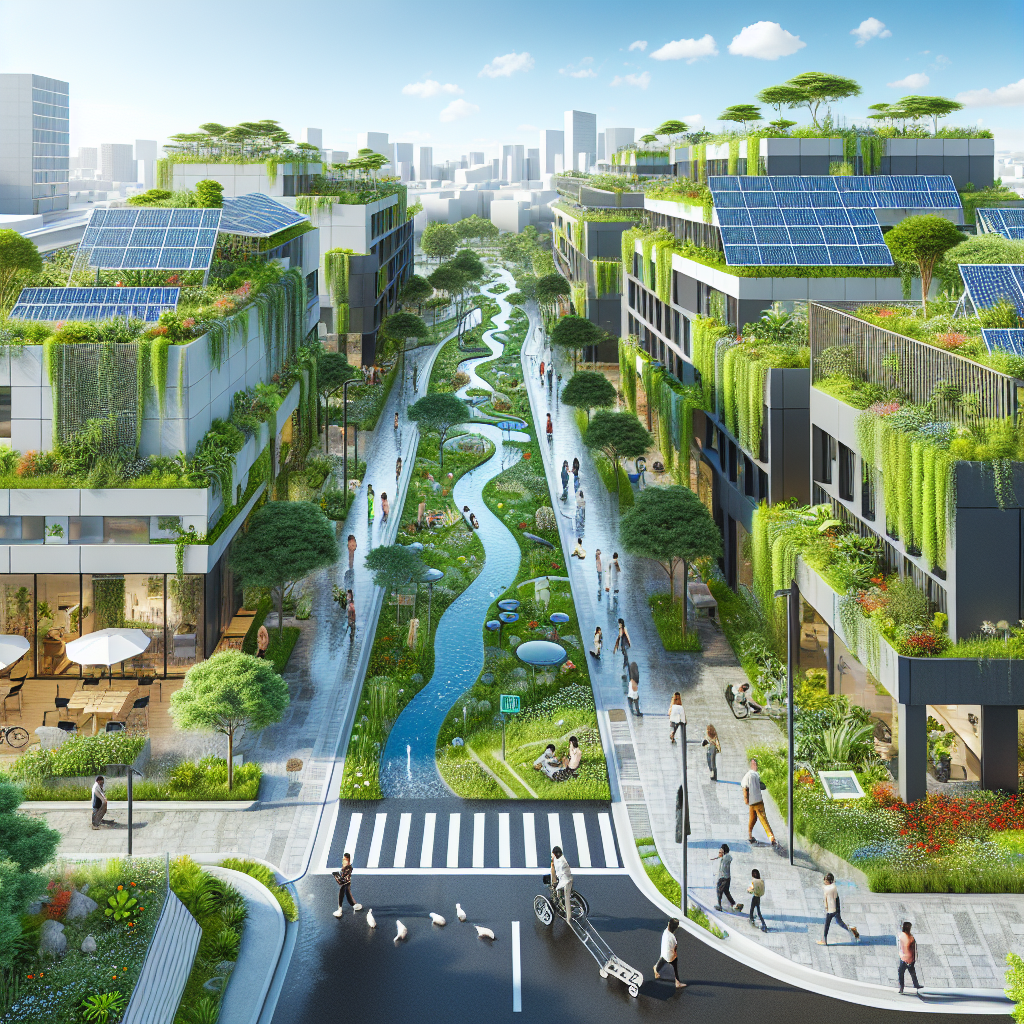
Green infrastructure refers to the integration of natural systems and processes into urban environments to provide ecological, economic, and social benefits. This approach emphasizes the use of vegetation, soils, and natural hydrological processes to manage water, reduce pollution, and enhance urban resilience.
One of the key components of green infrastructure is the creation of rain gardens. Rain gardens are shallow, planted depressions that capture and infiltrate stormwater runoff. By allowing rainwater to soak into the ground, rain gardens reduce surface runoff, prevent flooding, and recharge groundwater. Rain gardens also provide habitats for pollinators and other wildlife, enhancing urban biodiversity.
Green roofs are another effective green infrastructure element. These vegetated rooftops reduce the urban heat island effect, improve air quality, and provide insulation, reducing energy consumption for heating and cooling. Green roofs can also capture and retain rainwater, reducing stormwater runoff and alleviating pressure on urban drainage systems.
Permeable pavements are another green infrastructure practice that facilitates the infiltration of rainwater into the ground. Unlike traditional impervious surfaces, permeable pavements allow water to percolate through the surface, reducing runoff and promoting groundwater recharge. This helps in managing stormwater, reducing flooding, and improving water quality.
Community Involvement and Education
Community involvement and education are essential components of successful eco-friendly urban landscaping initiatives. Engaging residents, businesses, and local organizations fosters a sense of ownership and responsibility towards the environment and ensures the sustainable maintenance of green spaces.
Educational programs and workshops can raise awareness about the importance of eco-friendly landscaping practices and provide practical knowledge on implementing these practices. Topics can include the benefits of native plants, water-efficient landscaping techniques, composting, and the role of green infrastructure. By empowering residents with knowledge, they can make informed decisions and contribute to the sustainability of their urban environment.
Community gardens and urban farming initiatives are also valuable in promoting sustainable urban landscaping. These spaces provide opportunities for residents to grow their own food, learn about sustainable gardening practices, and build a sense of community. Additionally, community gardens can serve as demonstration sites for eco-friendly landscaping practices, showcasing the benefits of native plants, organic fertilizers, and water-efficient techniques.
Collaborations between urban planners, local governments, non-profit organizations, and community groups can enhance the implementation of eco-friendly landscaping projects. These partnerships can leverage resources, share expertise, and coordinate efforts to create greener and more sustainable urban environments.
Conclusion
Sustainable urban development is crucial for creating cities that are environmentally responsible, economically viable, and socially inclusive. Eco-friendly urban landscaping practices play a vital role in achieving these goals by promoting the health and resilience of urban ecosystems.
Using native plants, employing water-efficient landscaping techniques, utilizing organic fertilizers, and integrating green infrastructure are all effective strategies for creating sustainable urban landscapes. These practices not only conserve resources and reduce pollution but also enhance urban biodiversity, improve soil health, and foster a sense of community.
Community involvement and education are key to the success of eco-friendly urban landscaping initiatives. By engaging residents and providing them with the knowledge and tools to implement sustainable practices, cities can ensure the long-term maintenance and sustainability of green spaces.
As urbanization continues to grow, it is essential to adopt and promote eco-friendly urban landscaping practices. By doing so, we can create greener, healthier, and more resilient cities that provide environmental, economic, and social benefits for current and future generations.
Frequently Asked Questions
1. What is eco-friendly urban landscaping, and why is it essential for sustainable cities?
Eco-friendly urban landscaping refers to the practice of designing, installing, and maintaining green spaces in urban environments with the goal of reducing environmental impact and increasing sustainability. This involves choosing native plants, using efficient irrigation systems, employing sustainable materials, and integrating landscaping with the natural ecosystem. It is essential for sustainable cities because it helps combat urban heat islands, reduces pollution, manages stormwater, enhances biodiversity, and improves air quality. As cities grow, it is becoming increasingly critical to manage green spaces effectively to ensure they contribute positively to the urban ecosystem while also addressing the challenges of climate change and urbanization.
2. How does eco-friendly urban landscaping benefit the environment and city residents?
Eco-friendly urban landscaping offers numerous environmental and social benefits. Environmentally, these practices can lead to healthier ecosystems by maintaining local flora and fauna, reducing greenhouse gas emissions through carbon sequestration, and controlling erosion. The use of permeable surfaces and strategic plant placement aids in managing stormwater runoff and reducing flooding. For city residents, green spaces enhance mental wellbeing by providing relief from urban stress and increasing opportunities for outdoor recreation. Additionally, they improve physical health by promoting active lifestyles and cleaner air through the natural filtration processes plants contribute. The aesthetic improvements also lead to higher property values and more cohesive community environments.
3. What are some practical examples of eco-friendly urban landscaping techniques?
Several practical techniques are used in eco-friendly urban landscaping to promote sustainability. These include:
- Rain Gardens: These are shallow, planted depressions in the landscape that capture and absorb rainwater from roofs, driveways, and streets, filtering pollutants while reducing runoff.
- Green Roofs: Installing vegetation on rooftops to provide insulation, contribute to air quality improvement, and create habitats for wildlife.
- Permeable Pavements: These allow water to infiltrate the ground, reducing runoff and recharging groundwater supplies.
- Native Plantings: Utilizing plants that are indigenous to the local area, which require less water, fertilizers, and pesticides, and provide habitat for local wildlife.
- Efficient Irrigation Systems: Such as drip irrigation or smart controllers that minimize water use and reduce waste.
These methods help create more resilient urban landscapes that can adapt to changing climates and mitigate urban environmental issues.
4. How does urban landscaping address the challenges of climate change?
Urban landscaping plays a pivotal role in addressing climate change by mitigating its effects and enhancing urban resilience. Trees and plants absorb carbon dioxide, a major greenhouse gas, which helps reduce the overall atmospheric concentration. Green spaces in urban areas also mitigate the urban heat island effect, where built environments absorb and retain heat, causing cities to be warmer than their rural surroundings. Green infrastructure like green roofs and walls cool the environment, reduce energy consumption, and improve insulation. Furthermore, urban landscapes designed with biodiversity in mind ensure ecological stability and improve resilience against climate-related disruptions by providing conducive environments for various species to thrive.
5. What are some challenges in implementing eco-friendly landscaping in urban areas, and how can they be addressed?
Implementing eco-friendly landscaping in urban areas can be challenging due to several factors, including limited space, budget constraints, and public awareness or willingness to change traditional practices. However, these challenges can be addressed as follows:
- Space constraints can be mitigated by integrating vertical gardens, green roofs, and small pocket parks. Utilizing underutilized spaces creatively is key.
- Budget issues often require careful planning and prioritization. Cities can leverage public-private partnerships and community investments to fund green projects.
- Awareness and education are crucial. Continuous community engagement and education programs are necessary to inform the public and stakeholders about the benefits of eco-friendly practices and how these can be implemented in everyday scenarios.
- Learning from successful case studies and implementing pilot projects can build confidence and demonstrate economic and environmental paybacks.
By addressing these challenges head-on, cities can enhance their green landscapes in ways that are sustainable and socially inclusive, leading to healthier, more environmentally friendly urban living spaces.