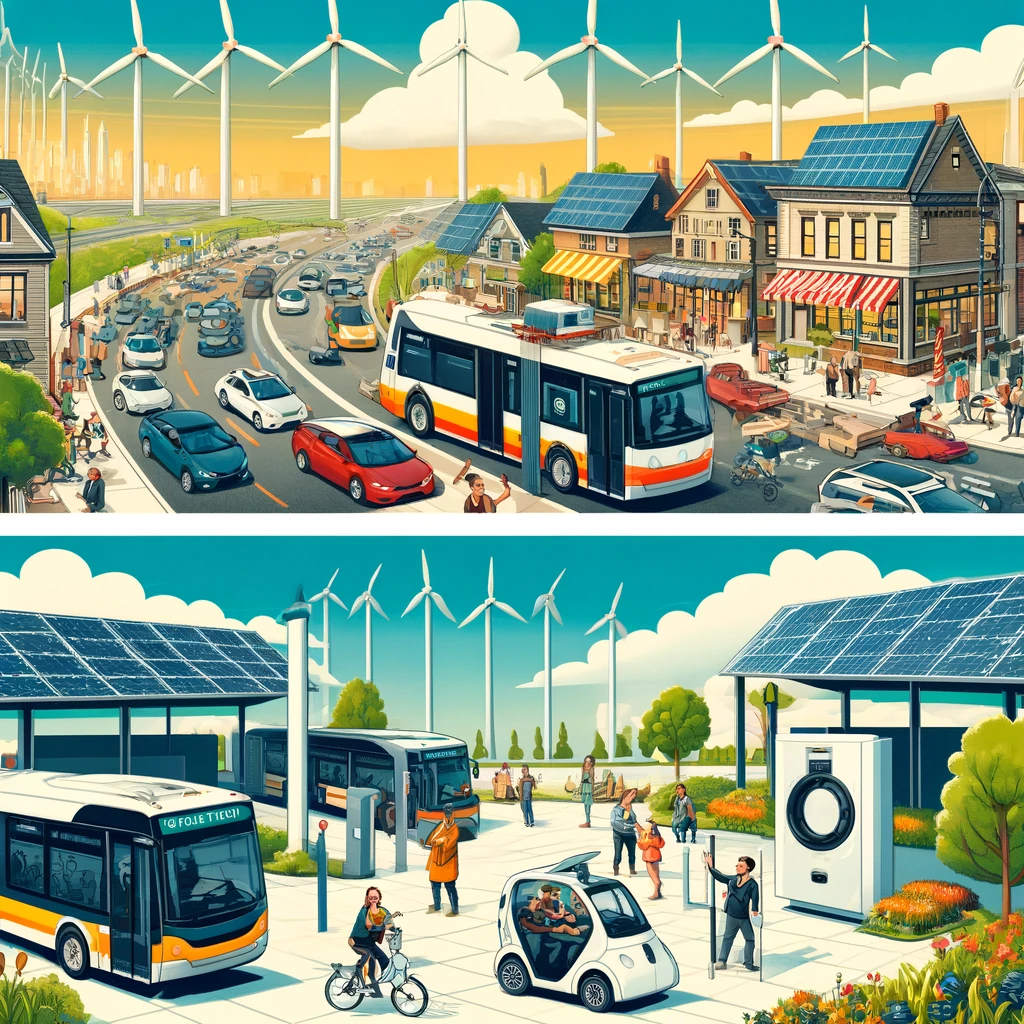
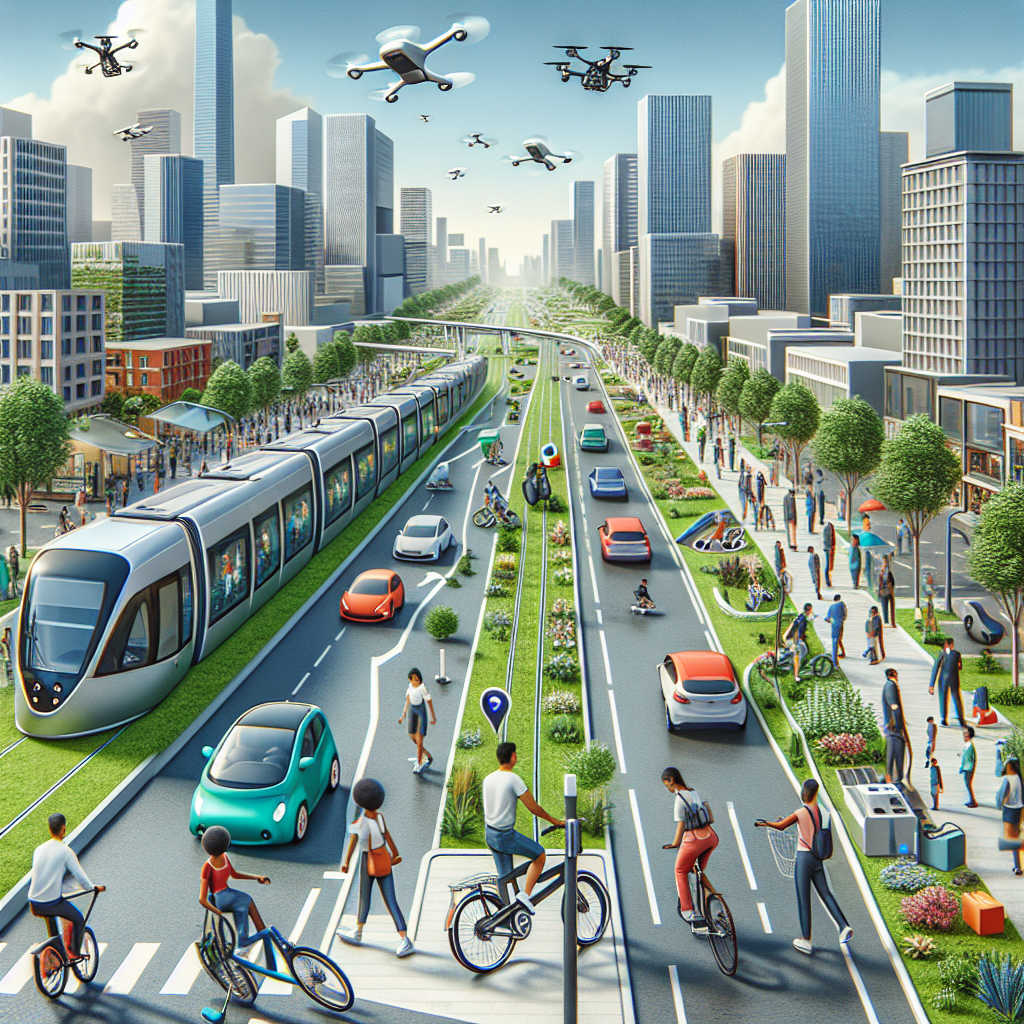
Urbanization is accelerating at an unprecedented rate. With more than half of the world’s population now residing in urban areas, cities have become the epicenters of human activity. This rapid urbanization presents both challenges and opportunities for sustainable development. To meet the demands of growing urban populations, planners and policymakers are turning to technology as a means to create sustainable, resilient, and efficient urban environments. This intersection of technology and sustainability is driving innovative solutions aimed at reducing environmental impact while enhancing the quality of life for city dwellers.
To comprehend the full potential of sustainable urban development, it is essential to explore how technology is being leveraged to address environmental concerns. From the implementation of smart grids to the proliferation of electric vehicles, advancements across various domains are contributing to the sustainable transformation of cities. Additionally, the integration of information and communication technology (ICT) is enabling cities to optimize resource management and reduce waste. The fusion of technology and sustainability is not just a trend but a necessity for modern urban planning.
In this article, we will delve into the multi-faceted approaches taken by cities worldwide to achieve sustainability through technology. We will examine specific technologies and strategies that are making a significant impact, the role of data and analytics, the importance of public participation, and the benefits of adopting a holistic approach to sustainable urban development. By understanding these dynamics, it becomes evident that technology and sustainability are inextricably linked in the quest for livable and prosperous urban futures.
Smart Grids and Energy Management
One of the cornerstones of sustainable urban development is the efficient management of energy resources. Smart grids, which utilize digital technology to monitor and manage electricity distribution, are revolutionizing how cities control energy consumption. Unlike traditional power grids, smart grids enable two-way communication between energy suppliers and consumers, allowing for real-time adjustments to balance supply and demand.
Smart grids facilitate the integration of renewable energy sources, such as solar and wind power, into the urban energy mix. By optimizing energy distribution and storage, these grids reduce reliance on fossil fuels and minimize greenhouse gas emissions. For instance, smart grids can manage the intermittent nature of renewable energy by storing excess power generated during peak production times and distributing it when demand is high.
Moreover, smart grids empower consumers with greater control over their energy usage through advanced metering infrastructure (AMI). AMI provides real-time data on energy consumption, enabling households and businesses to make informed decisions about their energy use. This heightened awareness can lead to more efficient energy practices, furthering the sustainability objectives of urban centers.
The implementation of smart grids is not without its challenges. High initial costs, cybersecurity concerns, and the need for regulatory frameworks are some of the obstacles that need to be addressed. However, the long-term benefits, including reduced energy costs, improved reliability, and environmental sustainability, make smart grids a critical component of sustainable urban development.
Electric Vehicles and Sustainable Transport
Transportation is another sector where technology is driving significant sustainability advancements. The shift from internal combustion engines to electric vehicles (EVs) is perhaps the most prominent example of this trend. EVs produce zero tailpipe emissions, making them a cleaner alternative to traditional gasoline and diesel-powered vehicles.
To support the growing number of EVs, cities are investing in charging infrastructure and offering incentives to encourage adoption. Public charging stations, fast chargers, and innovative solutions like wireless charging pads are making it easier for residents to transition to electric mobility. Additionally, cities are integrating EVs into public transportation systems, including buses, taxis, and ride-sharing services, further reducing the carbon footprint of urban transport.
The benefits of EVs extend beyond emissions reductions. Electric vehicles are often quieter than their combustion engine counterparts, contributing to noise pollution reduction in urban areas. Furthermore, advances in battery technology are enhancing the range and performance of EVs, making them more viable for long-distance travel and diverse climatic conditions.
However, the transition to electric mobility presents challenges that must be addressed. The production and disposal of batteries raise environmental and ethical concerns, and the increased demand for electricity could strain existing power grids. Therefore, sustainable urban development requires a holistic approach that includes the development of sustainable battery technologies, efficient recycling processes, and investments in renewable energy sources to power EVs.
Urban Data and Analytics
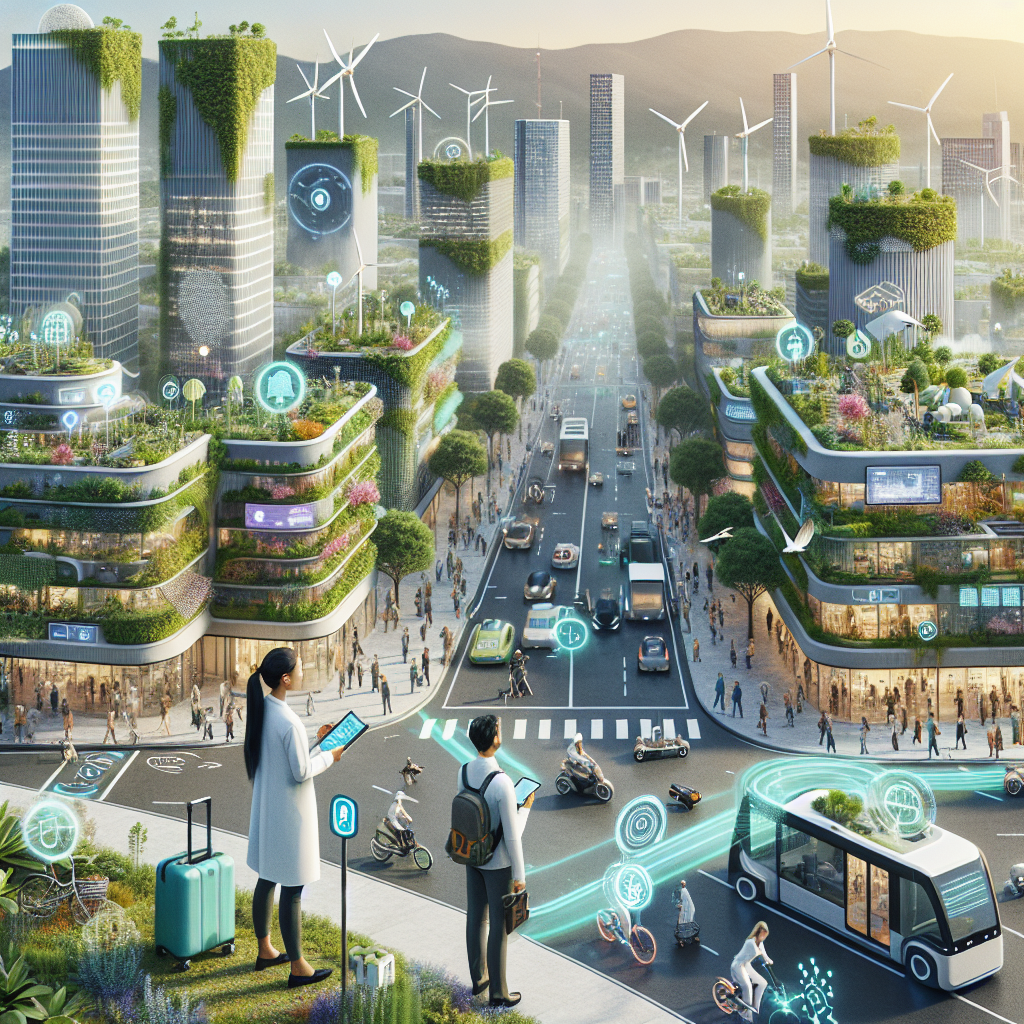
The role of data and analytics in sustainable urban development cannot be overstated. As cities become smarter and more connected, the volume of data generated from various sources—such as sensors, cameras, and social media platforms—continues to grow. Harnessing this data through advanced analytics enables urban planners and policymakers to make data-driven decisions that enhance sustainability.
One of the primary uses of urban data is in the optimization of resource management. By analyzing data on water usage, waste generation, and energy consumption, cities can identify patterns and inefficiencies. This information can inform targeted interventions to reduce waste, conserve water, and improve energy efficiency. For example, smart waste management systems use data to optimize collection routes and predict waste generation trends, leading to more efficient and cost-effective operations.
Urban data is also crucial for monitoring and mitigating environmental impacts. Air quality sensors, for instance, provide real-time data on pollutant levels, enabling cities to implement measures to improve air quality. Similarly, data on traffic patterns can be used to reduce congestion and promote alternative modes of transportation, such as cycling and walking.
The integration of data analytics into urban planning fosters transparency and public participation. Open data platforms allow residents to access and analyze city data, encouraging civic engagement and collaboration. This participatory approach ensures that sustainability initiatives are aligned with the needs and preferences of the community, ultimately leading to more effective and inclusive urban development.
Public Participation and Sustainability
The success of sustainable urban development initiatives hinges on the active participation of the public. Engaging residents in the planning and implementation process fosters a sense of ownership and accountability, which is essential for the long-term sustainability of urban projects. Technological advancements are making it easier for cities to involve the public in meaningful ways.
Digital platforms, such as mobile apps and online portals, provide channels for residents to voice their opinions, report issues, and contribute to decision-making processes. Participatory budgeting platforms, for instance, allow citizens to allocate a portion of the city’s budget to projects they believe will enhance sustainability. This democratic approach ensures that urban development initiatives reflect the priorities of the community.
In addition to digital tools, technology can facilitate real-world engagement through initiatives like smart kiosks and interactive public displays. These installations provide information on sustainability efforts, collect feedback from residents, and promote environmental awareness. By making sustainability a visible and accessible part of daily life, cities can cultivate a culture of environmental stewardship among their populations.
Education and outreach are also critical components of public participation. Cities are leveraging technology to deliver educational campaigns that raise awareness about sustainability issues and encourage eco-friendly behaviors. Social media, online courses, and virtual workshops are some of the tools being used to inform and engage the public. By equipping residents with knowledge and resources, cities can empower them to contribute to sustainable urban development.
The Holistic Approach to Sustainability
Achieving sustainability in urban environments requires a holistic approach that considers the interconnectedness of various systems and components. This approach recognizes that issues such as energy consumption, transportation, waste management, and public health are interrelated and must be addressed collectively to create a truly sustainable city.
Integrated urban planning is a key aspect of the holistic approach. By coordinating policies and initiatives across different sectors, cities can ensure that sustainability efforts are mutually reinforcing. For example, promoting public transit and non-motorized transportation can reduce traffic congestion, lower emissions, and improve air quality, which in turn benefits public health and enhances the overall quality of life.
Green infrastructure is another integral component of holistic sustainable urban development. Incorporating green spaces, such as parks, green roofs, and urban gardens, into city planning not only enhances aesthetic appeal but also provides environmental benefits. Green spaces help to mitigate urban heat islands, reduce stormwater runoff, and provide habitats for wildlife. Additionally, they offer recreational opportunities and improve mental well-being for residents.
The holistic approach also emphasizes resilience and adaptability. Cities must be prepared to respond to environmental challenges, such as climate change, natural disasters, and resource scarcity. By building resilience into urban systems, cities can ensure that they remain sustainable and livable in the face of unforeseen events. This includes designing infrastructure that can withstand extreme weather, implementing early warning systems, and fostering community resilience through social cohesion and support networks.
Conclusion
The intersection of technology and sustainability presents a transformative opportunity for cities worldwide. By harnessing the power of cutting-edge technologies, urban areas can address pressing environmental challenges and create more sustainable, resilient, and livable communities. The integration of smart grids, electric vehicles, urban data, and public participation into urban planning demonstrates the multifaceted nature of this endeavor.
While the path to sustainable urban development is complex and fraught with challenges, the potential benefits are immense. Reduced carbon emissions, improved resource efficiency, enhanced quality of life, and increased resilience are just a few of the positive outcomes that can be achieved. However, realizing these benefits requires a concerted effort from all stakeholders, including government agencies, private sector entities, and the public.
As cities continue to grow and evolve, the need for innovative, technology-driven solutions will only become more pressing. By embracing the principles of sustainability and leveraging the power of technology, urban centers can pave the way for a brighter, more sustainable future. This journey is not just about adapting to the challenges of today but also about building a legacy of sustainability for future generations.
Ultimately, the successful implementation of sustainable urban development strategies depends on a shared vision and collective action. By working together, we can create cities that are not only economically vibrant and socially inclusive but also environmentally sustainable and resilient. The future of urban living hinges on our ability to integrate technology and sustainability in meaningful and impactful ways.
Frequently Asked Questions
1. What role does technology play in making cities more sustainable?
Technology is at the forefront of transforming urban centers into sustainable hubs. With urbanization intensifying, cities are under pressure to ensure that their growth does not come at the expense of the environment. Technology offers a plethora of tools and solutions that can drive this sustainable transition. For instance, smart grids harness technology to efficiently distribute energy, minimizing waste and reducing greenhouse gas emissions. Sensors embedded in infrastructure can monitor air and water quality, alerting authorities to potential environmental hazards before they become crises. Additionally, technology enables the development of intelligent transportation systems, which can optimize traffic flow, reduce congestion, and lower pollution levels. This includes electric vehicle infrastructure and public transportation applications that make commuting more efficient and eco-friendly. In essence, technology serves as the backbone of sustainable urban planning, providing the data and capabilities needed to balance human activity with environmental conservation.
2. How are smart cities contributing to sustainability?
Smart cities are leveraging advanced technologies like IoT (Internet of Things), big data, and artificial intelligence to create more sustainable and livable urban spaces. These technologies allow cities to collect and analyze vast amounts of data, providing insights that help streamline resources and make informed decisions. At the core of smart city initiatives is the goal to use this data for enhanced urban management. For instance, waste management systems in smart cities can use sensor data to optimize collection routes, reducing fuel consumption and lowering vehicle emissions. Smart lighting systems adjust based on daylight availability and pedestrian presence, conserving energy and boosting efficiency. Furthermore, smart buildings incorporate technologies like automated temperature controls and energy-efficient materials to minimize their environmental impact. By implementing these smart solutions, cities can significantly reduce their carbon footprint, improve urban mobility, and enhance the quality of life for residents while conserving resources.
3. What challenges do cities face when integrating technology and sustainability?
Integrating technology with sustainability in urban environments presents a myriad of challenges. First and foremost is the financial constraint. Implementing cutting-edge technological solutions requires substantial investment, which may not always be available in city budgets. Additionally, there’s the technical challenge of legacy infrastructure that may not be compatible with new technologies. Transitioning to more sustainable systems might necessitate overhauls that are costly and complex. Moreover, there is a need for skilled personnel capable of managing and maintaining these advanced systems. Data privacy is another concern; as cities deploy more sensors and gather data, they must navigate the challenges of safeguarding this information while ensuring its effective use. There is also the matter of public acceptance; residents may be wary of changes or how city-wide tech initiatives may affect privacy and lifestyle. Lastly, there’s the challenge of equitable access – ensuring that all citizens, regardless of socioeconomic status, benefit from technological advancements in sustainability.
4. How are cities using data to enhance sustainability efforts?
Data is the fuel powering the sustainability engine in cities. By collecting, analyzing, and leveraging data, cities can make more informed decisions and optimize resource use. For example, cities employ traffic cameras and GPS data to understand congestion patterns, which helps in designing better urban layouts and public transportation routes, ultimately reducing traffic and associated emissions. Data on energy consumption allows cities to pinpoint inefficiencies, guide energy-saving initiatives, and promote the use of renewable sources. In terms of water management, sensor data can detect leaks promptly or signal areas for conservation efforts, preventing waste. Data-driven insights also enable cities to track air quality and identify sources of pollution, allowing for targeted interventions. Through data maps, urban planners can visualize growth trends and the impact of various policies on sustainability, facilitating strategies that accommodate future urban growth sustainably. Ultimately, data serves as the compass guiding cities toward the sustainable goals they aspire to achieve.
5. Are there any examples of cities successfully integrating technology and sustainability?
Indeed, there are several cities around the globe that stand out as frontrunners in integrating technology and sustainability effectively. Copenhagen, for instance, aims to become carbon neutral by 2025 and has invested heavily in bike infrastructure, smart grids, and efficient public transport. Their data-driven approach optimizes the city’s electricity usage and reduces emissions. Similarly, Singapore has employed sensors and smart technology extensively in its goal to become the world’s leading smart and sustainable country. Urban farms, advanced water recycling systems, and innovative city planning are integral to Singapore’s sustainable urban development strategies. Amsterdam is another city at the forefront, using IoT to monitor air quality and manage traffic through smart mobility solutions. The city also promotes circular economies, reducing waste by prioritizing reuse and recycling. These cities provide a blueprint for others by showcasing how technology can drive sustainable urban transformation, delivering economic, environmental, and social benefits in tandem.