As cities around the world continue to grow at unprecedented rates, the need for sustainable urban development has never been more pressing. Urbanization has brought about numerous challenges, including increased pollution, resource depletion, and significant environmental impacts. In response, there has been a burgeoning interest in the role of green technologies in creating a more sustainable urban future. This article explores the myriad ways in which green technologies are being integrated into urban planning and development, offering innovative solutions to enhance environmental sustainability, economic viability, and social equity in urban centers.
Green technologies refer to a wide array of practices, applications, and innovations that employ renewable energy sources, improve energy efficiency, and minimize environmental impact. At the heart of this movement is the goal to create urban environments that not only meet the needs of the present but also ensure that future generations can enjoy a quality life. As we delve into various green technologies, such as solar power, green buildings, smart grids, and sustainable transportation, it becomes evident that these advancements are reshaping the blueprint of modern cities.
The integration of green technologies into urban development is more than just a trend; it’s a necessity that addresses the urgent environmental crises facing our planet. Cities are responsible for a significant portion of global energy consumption and greenhouse gas emissions. Therefore, incorporating sustainable practices in urban planning is crucial for reducing our carbon footprint and achieving long-term sustainability goals. Let’s embark on this enlightening journey to understand how green technologies are revolutionizing urban development and contributing to the creation of resilient, eco-friendly cities.
Harnessing Solar Power in Urban Spaces
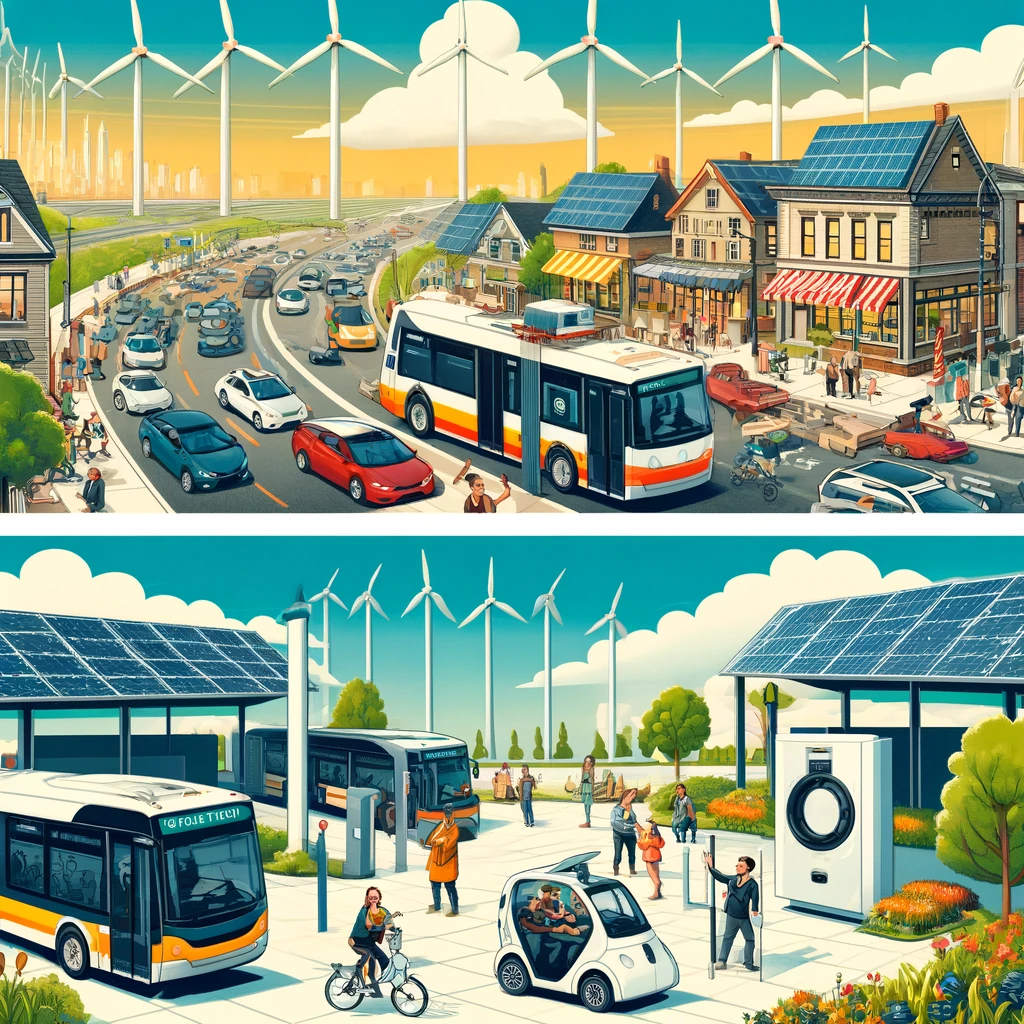
One of the most prominent green technologies being adopted in urban development is solar power. With an ever-increasing demand for renewable energy, solar panels have become a common sight on rooftops, parking structures, and even integrated into building materials. The utilization of solar energy offers numerous benefits, including reducing reliance on fossil fuels, lowering greenhouse gas emissions, and providing a renewable, inexhaustible source of power.
Cities across the globe are investing in large-scale solar projects to augment their energy mix. For instance, urban solar farms and community solar gardens allow residents to participate in renewable energy generation even if they cannot install panels on their property. Additionally, innovative technologies such as solar windows and solar roadways are gaining popularity, further embedding solar solutions into the urban fabric.
Government incentives and policies play a pivotal role in encouraging the adoption of solar power in urban development. Tax credits, rebates, and grants can significantly offset the initial costs of solar installations, making it more accessible to a broader range of urban dwellers. As technology advances and economies of scale drive down costs, solar power is set to become an integral part of sustainable urban development, propelling cities towards a greener future.
The Rise of Green Buildings
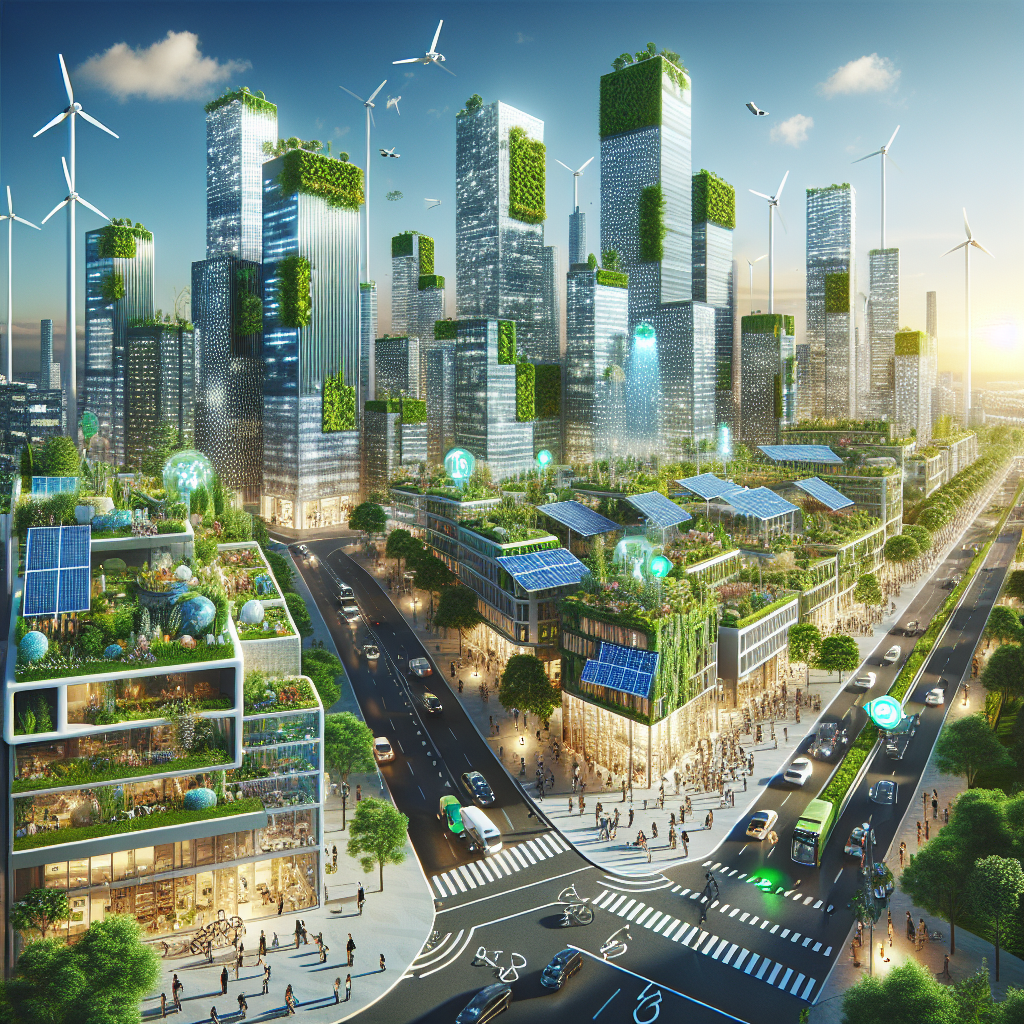
Green building practices are transforming the construction landscape, promoting sustainability from the ground up. These buildings are designed, constructed, and operated to reduce their environmental impact, enhance occupant health, and use resources more efficiently. Key principles of green buildings include energy efficiency, water conservation, indoor environmental quality, and the use of sustainable materials.
One well-known standard for green buildings is the Leadership in Energy and Environmental Design (LEED) certification, which evaluates buildings based on their sustainability performance. Achieving LEED certification demonstrates a commitment to environmental stewardship and can enhance a building’s marketability. Other certifications, such as BREEAM and WELL, also provide frameworks for advancing sustainable building practices.
Green buildings often incorporate innovative technologies such as energy-efficient lighting, heating, and cooling systems, low-flow plumbing fixtures, and rainwater harvesting systems. Additionally, the use of sustainable building materials—such as recycled content, low-VOC paints, and locally sourced products—helps reduce the environmental footprint of construction projects. By integrating these principles and technologies, green buildings foster a more sustainable, healthy urban environment.
Smart Grids and Energy Efficiency
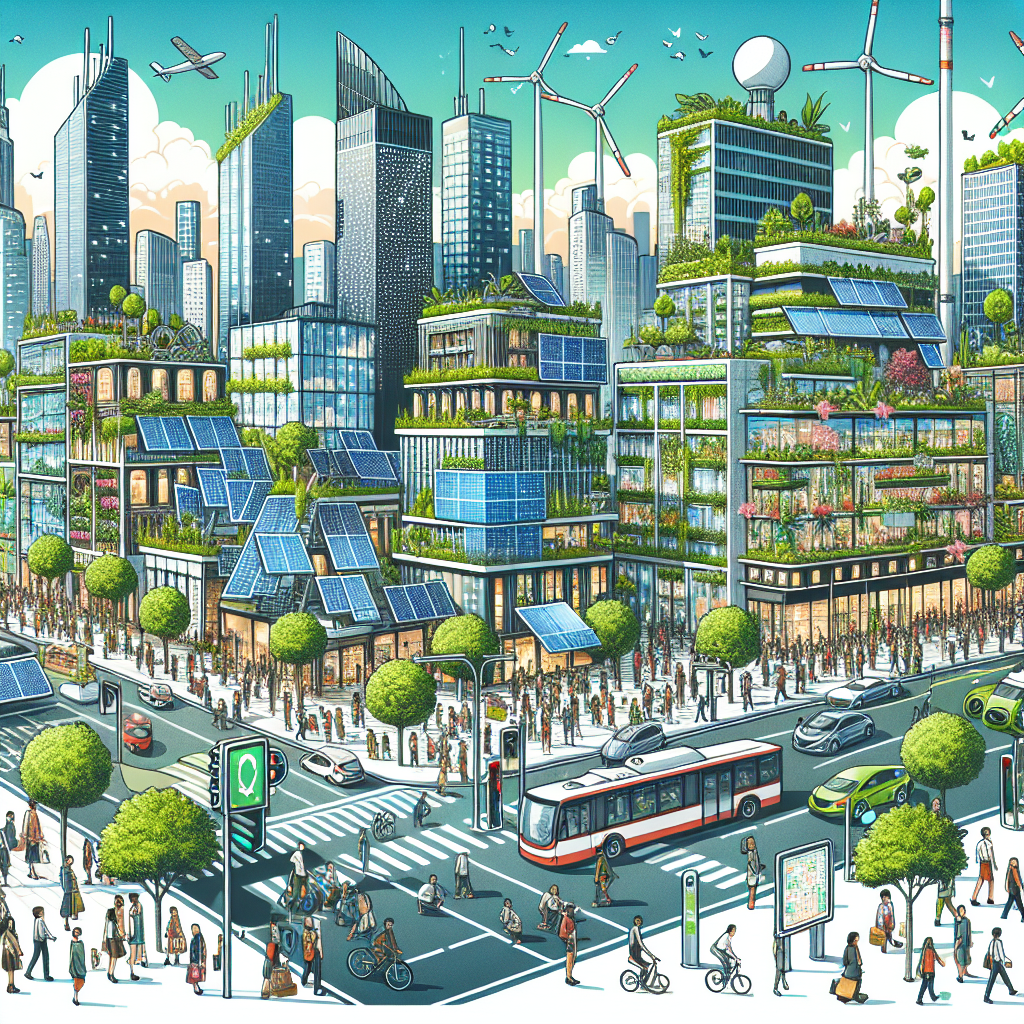
As cities become more connected and technologically advanced, the concept of smart grids is revolutionizing how energy is distributed and consumed. Smart grids use digital communication technologies to improve the reliability, efficiency, and sustainability of electricity services. They enable better integration of renewable energy sources, enhance grid resilience, and provide real-time data to optimize energy consumption.
One of the primary benefits of smart grids is their ability to accommodate distributed energy resources, such as rooftop solar panels and wind turbines. By leveraging smart grid technologies, cities can manage the intermittent nature of renewable energy and ensure a stable power supply. Furthermore, smart grids empower consumers by providing them with detailed information about their energy usage, allowing them to make informed decisions to reduce consumption and lower utility bills.
Energy efficiency is another crucial aspect of sustainable urban development. Retrofitting existing buildings with energy-efficient technologies—such as LED lighting, advanced HVAC systems, and smart thermostats—can significantly reduce energy consumption and operational costs. Additionally, implementing energy management systems enables more precise control over energy use, further enhancing efficiency. Together, smart grids and energy efficiency measures contribute to a more sustainable and resilient urban energy landscape.
Sustainable Transportation Solutions
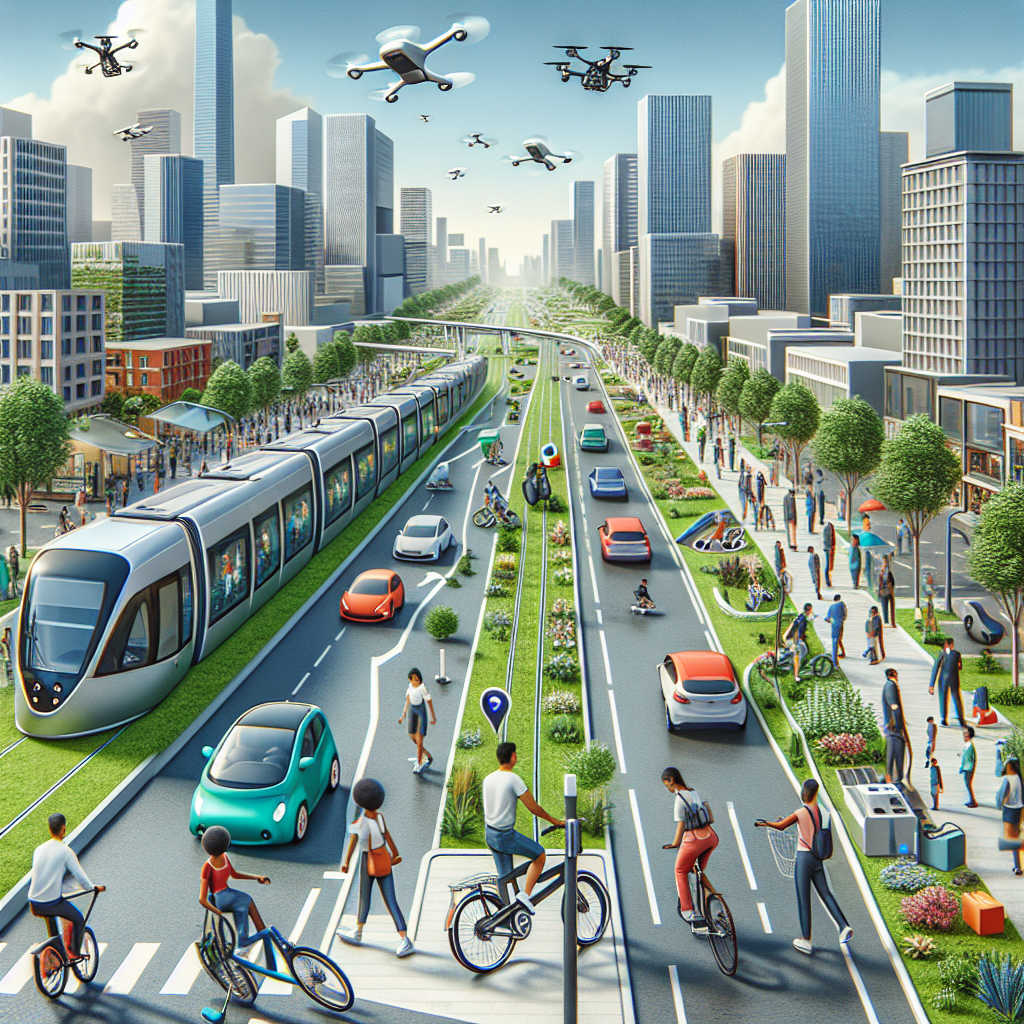
Transportation is a major contributor to urban pollution and greenhouse gas emissions. As cities strive to become more sustainable, innovative transportation solutions are being developed to reduce environmental impact and improve urban mobility. Embracing electric vehicles (EVs), expanding public transit networks, and promoting active transportation are key strategies in this endeavor.
Electric vehicles, including cars, buses, and bikes, are gaining traction as cleaner alternatives to traditional internal combustion engines. Many cities are investing in EV charging infrastructure to support the growing number of electric vehicles on the road. Additionally, government incentives and subsidies are encouraging the adoption of EVs among residents and businesses.
Public transit systems, such as buses, trains, and light rails, are being modernized to enhance efficiency and appeal. Investments in transit-oriented development (TOD)—which focuses on creating mixed-use, pedestrian-friendly communities around transit hubs—are helping reduce reliance on personal vehicles and promote sustainable urban growth. Moreover, cities are increasingly implementing bike-sharing programs and expanding cycling infrastructure to encourage active transportation, further contributing to carbon emission reduction and healthier urban lifestyles.
Urban Green Spaces and Ecology
Integrating green spaces and promoting urban ecology are essential components of sustainable urban development. Green spaces, such as parks, gardens, and green roofs, provide numerous environmental, social, and economic benefits. They help mitigate the urban heat island effect, improve air quality, and enhance stormwater management by absorbing and filtering rainwater.
Urban green spaces also offer critical habitats for wildlife, promoting biodiversity within cities. By incorporating native plant species and creating ecological networks, cities can support a diverse range of flora and fauna. These green spaces equally contribute to residents’ well-being by providing recreational areas, enhancing mental health, and fostering community interactions.
Green roofs and living walls are innovative solutions that integrate greenery into urban infrastructure. They not only improve energy efficiency by providing natural insulation but also enhance the aesthetic appeal of buildings. Urban agriculture, such as community gardens and rooftop farms, is another growing trend that promotes local food production, reduces food miles, and fosters community engagement. Collectively, these efforts enhance urban resilience and contribute to a more sustainable urban ecosystem.
Conclusion
As we navigate the complexities of urbanization and its environmental impact, the role of green technologies in urban development emerges as a pivotal solution. By harnessing renewable energy sources, promoting energy efficiency, and advancing sustainable building practices, cities can significantly reduce their carbon footprint and enhance overall sustainability. Additionally, innovative transportation solutions and the integration of green spaces contribute to healthier, more livable urban environments.
Collaboration between governments, businesses, and communities is crucial in driving the adoption of green technologies and creating sustainable urban futures. Policymakers must implement supportive regulations and incentives, while businesses innovate and invest in sustainable solutions. Community engagement and education are equally important in fostering a culture of sustainability and ensuring that residents are active participants in the transformation of their urban environments.
The future of urban development lies in our ability to integrate green technologies seamlessly into the urban fabric. By prioritizing sustainability, we can build cities that are not only resilient and adaptive but also inclusive and equitable. As we continue to innovate and evolve, the principles of sustainable urban development will guide us towards a greener, more sustainable world for generations to come.
Frequently Asked Questions
1. What are green technologies, and how are they used in urban development?
Green technologies, commonly referred to as sustainable technologies, are a broad category of environmentally friendly resources and practices aimed at mitigating the negative effects of development on nature. In the context of urban development, these technologies are leveraged to build cities that are not only efficient but also minimize ecological footprints. Examples include solar panels that power buildings using the sun’s energy, green roofs that reduce heat and filter pollutants, and rainwater harvesting systems to reuse water in landscapes or flush toilets.
Another significant example is the use of eco-efficient building materials, like recycled steel and certified timber, which dramatically reduce a structure’s carbon footprint. Equally, smart grids play a pivotal role; they’re automated, intelligent systems that optimize energy distribution, thus significantly reducing energy waste. Lastly, urban architecture itself is evolving with the inclusion of sustainable designs like passive solar heating, natural ventilation, and thermal mass storage, which use building orientation and materials to manage energy needs efficiently without resorting to artificial means.
2. How do green technologies help in reducing pollution in cities?
Green technologies play an indispensable role in curbing the various types of pollution pervasive in modern cities. For air pollution, electric vehicles (EVs) and public transportation systems powered by renewable energy sources cut emissions dramatically as they produce zero exhaust pollutants. In addition, various innovations in building technology, such as energy-efficient HVAC systems, reduce emissions by decreasing the demand for non-renewable energy sources.
Pollution reduction isn’t limited to air; water pollution is combated with technologies like bioswales and constructed wetland systems, which naturally filter stormwater runoff before it enters waterways. Composting toilets and advanced wastewater treatment facilities clean sewage more effectively, improving water quality. Moreover, strategies such as smart waste management systems, that identify, collect, and sort waste more efficiently, minimize the environmental impacts associated with waste disposal and landfill usage.
3. What is the role of smart cities in promoting green urban development?
Smart cities epitomize the marriage of technology and sustainability. They integrate multiple layers of digital infrastructure to improve the livability, workability, and sustainability of urban spaces. At their core, smart cities use Internet of Things (IoT) technologies to boost efficiencies. For instance, they use sensors in traffic systems to optimize vehicle flows, reducing congestion and thereby decreasing emissions.
Furthermore, smart cities deploy renewable energy solutions, like solar power and microgrids, to reduce dependencies on fossil fuels. These cities are also at the forefront of adopting building automation systems that use data to decrease energy consumption. Efficient lighting and heating systems, alongside strategic urban planning, make waste such as excess light and heat a thing of the past. All these measures collectively contribute to enhanced sustainability in urban centers.
4. Can you explain the concept of urban green spaces and their impact on urban ecosystems?
Urban green spaces include parks, gardens, and natural reserves within city environments, and they are crucial for maintaining an ecological balance in urban areas. They act as the lungs of a city by improving air quality; plants and trees absorb carbon dioxide and release oxygen, making the air healthier to breathe. This process is often referred to as carbon sequestration.
Besides purification, green spaces help in mitigating urban heat island effects by reducing temperatures. Trees and green surfaces offer shade and evaporative cooling, which leads to more comfortable living conditions and less reliance on energy-intensive cooling methods. Additionally, these spaces provide habitats for urban biodiversity, fostering various species that thrive in metropolitan settings. They also manage stormwater runoff effectively, thus preventing flooding and enabling groundwater recharge. On a social level, green spaces foster community activities, offer recreational opportunities, and enhance the mental well-being of urban residents by offering an escape into nature within city confines.
5. What challenges do cities face in the implementation of green technologies?
Despite the numerous benefits, implementing green technologies in urban development is not without challenges. One significant hurdle is the financial aspect. Many green technologies require substantial upfront investments, which can be financially daunting for city councils and governments. Returns on investments, while assuredly beneficial in the long-term, may not be immediate, making it less appealing for traditional investors.
Another challenge lies in infrastructure. Meeting the demand for widespread changes means adapting or overhauling existing structures, which can be logistically challenging and resource-intensive. Moreover, there’s the human element—resistance to change can be prevalent among those accustomed to traditional methods. Educating the public and stakeholders about the benefits and efficiencies of green technologies is essential to overcome skepticism.
The regulatory environment can also present challenges. Outdated building codes and zoning laws may not accommodate new technologies or sustainable practices, necessitating government reforms to facilitate innovation. Lastly, sustainability initiatives must often navigate the complex web of political and economic interests that can delay or alter plans for greener infrastructure. Despite these issues, continuous efforts in R&D, combined with policy shifts and public education, slowly pave the way for more sustainable urban development.