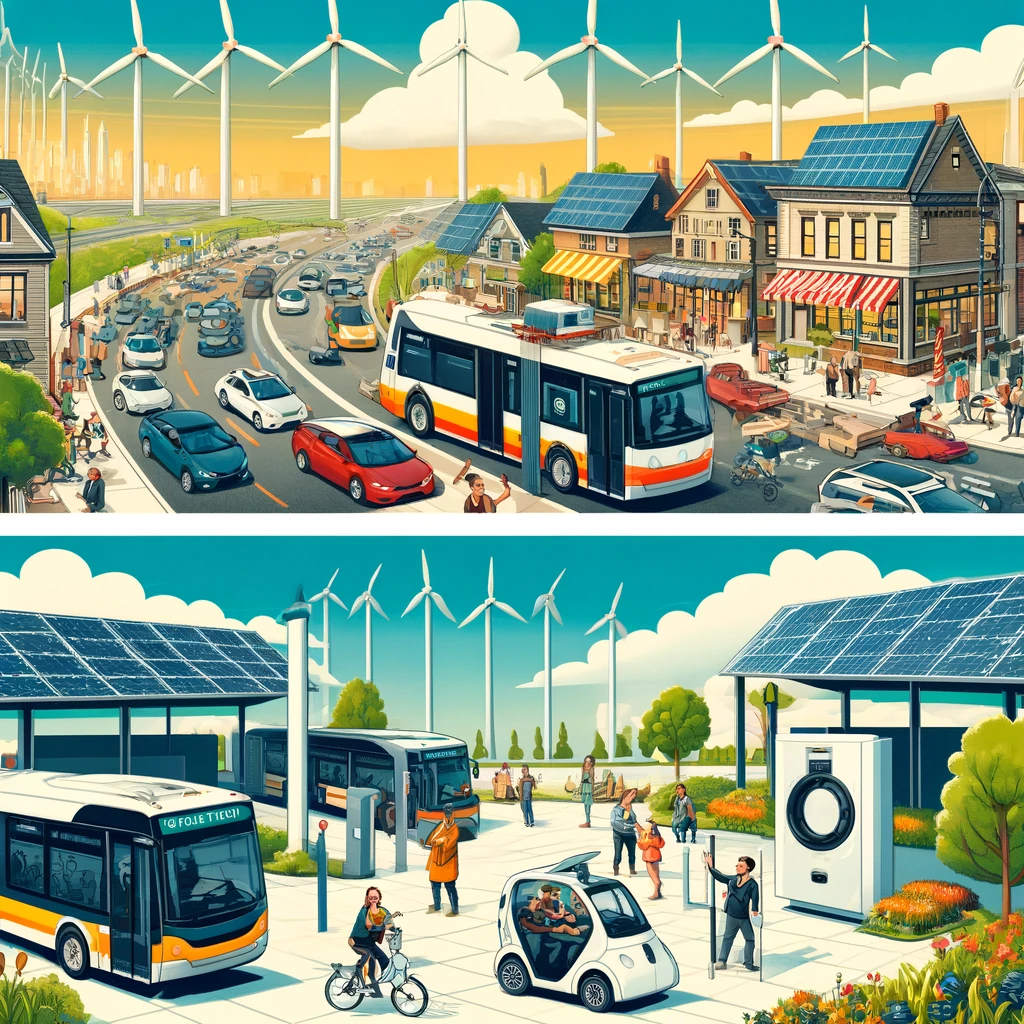
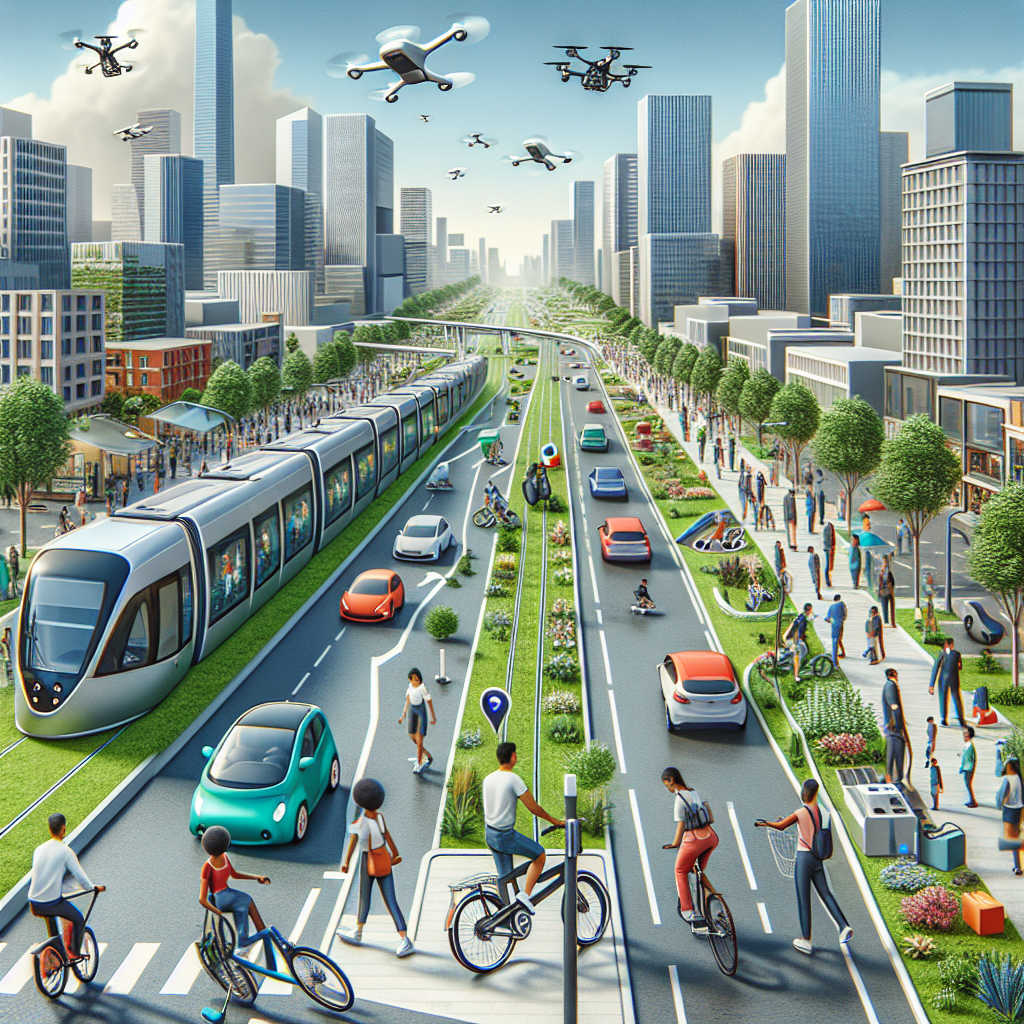
In today’s rapidly changing world, sustainable urban development is no longer a luxury but a necessity. Urban areas are growing at an unprecedented rate, leading to increased demand for housing, transportation, and other resources. At the same time, our planet is facing significant environmental challenges, such as climate change, pollution, and resource depletion. To address these issues, cities must adopt sustainable development practices that balance economic growth, social equity, and environmental protection. One key strategy for achieving sustainable urban development is the integration of the sharing economy.
The sharing economy, also known as collaborative consumption or peer-to-peer economy, is based on the idea of sharing resources, goods, and services among individuals. This model has gained popularity in recent years due to the rise of digital platforms that facilitate sharing and collaboration. By leveraging these platforms, cities can reduce waste, lower costs, and promote a more inclusive and sustainable urban environment.
Introduction
Sustainable urban development is a pressing concern for policymakers, urban planners, and residents alike. As cities continue to expand and urbanize at a rapid pace, the need for innovative solutions to manage resources efficiently and sustainably becomes paramount. The gap between increasing urban populations and the availability of resources necessitates a transformative approach to urban planning and development.
Urbanization has traditionally been associated with significant environmental degradation, increased carbon footprints, and social inequality. Conventional urban development models have primarily focused on growth and economic output, often at the expense of the environment and social well-being. However, the tides are changing. There is a growing recognition that sustainable urban development is not only desirable but essential for the long-term health, prosperity, and resilience of cities.
One promising avenue for achieving sustainable urban development is the sharing economy. This systemic approach emphasizes the sharing and optimal utilization of resources, reducing unnecessary consumption and waste. By integrating the principles of the sharing economy into urban development, cities can advance towards sustainability goals while addressing urban challenges pragmatically.
The Sharing Economy: An Overview
The sharing economy encompasses a wide range of activities and business models where assets or services are shared among users, typically facilitated by a digital platform. Popular sharing economy platforms include ride-sharing services like Uber and Lyft, accommodation-sharing platforms such as Airbnb, and even bike and car-sharing programs. These platforms allow individuals to access services and goods as needed, rather than owning them outright.
The core principle of the sharing economy is maximizing the utility of resources by promoting shared access rather than individual ownership. This leads to several significant benefits, including:
- Resource Efficiency: By sharing resources, such as vehicles, housing, and equipment, the overall demand for new production decreases, leading to lower resource consumption and waste.
- Cost Savings: Users can save money by paying only for the time they use a service or product, rather than bearing the full cost of ownership.
- Environmental Impact: Reduced production and consumption mean lower greenhouse gas emissions, less pollution, and a smaller carbon footprint.
- Community Building: Sharing economy platforms often foster a sense of community and collaboration, encouraging social interactions and stronger local networks.
Despite its advantages, the sharing economy is not without challenges. Issues such as regulatory compliance, data privacy, and the potential for economic displacement must be carefully managed to ensure that the benefits are realized equitably across society.
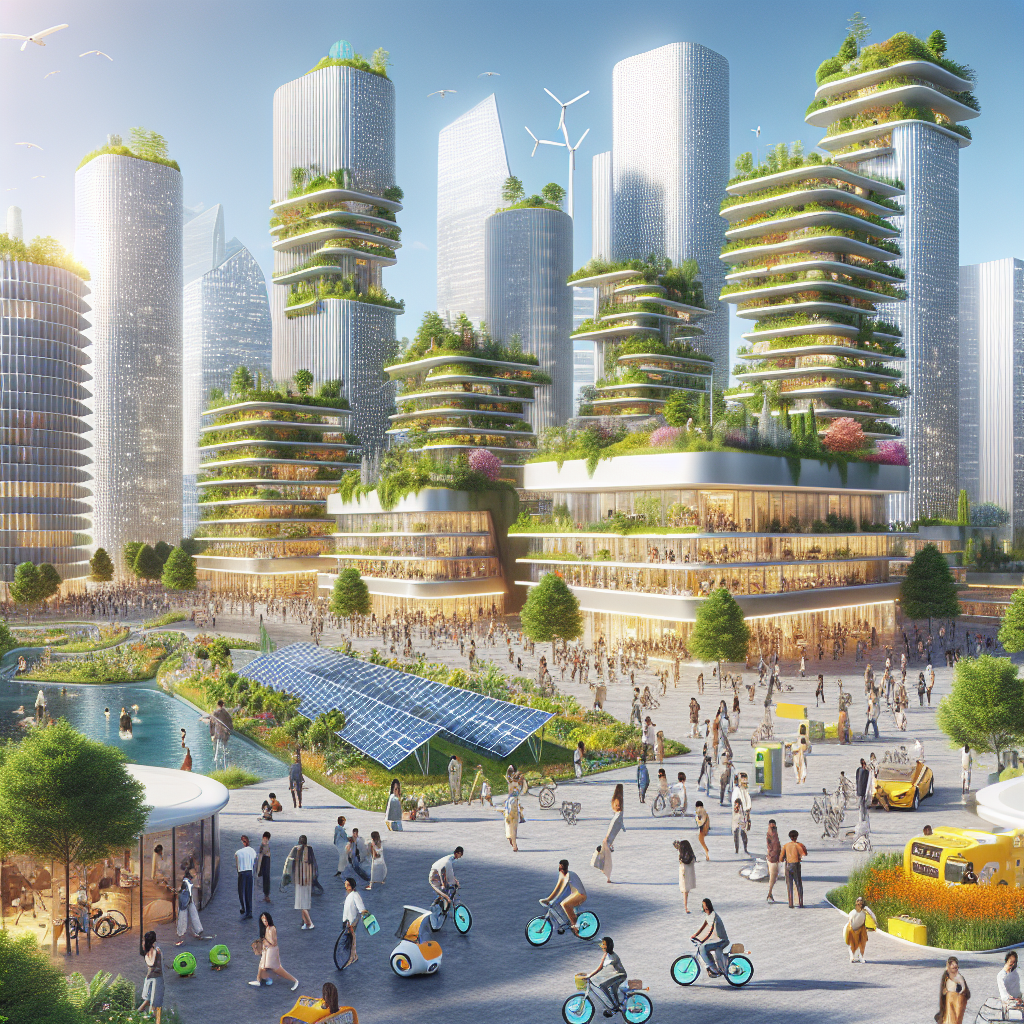
Bridging Sustainable Development and the Sharing Economy
Integrating the sharing economy into existing urban development frameworks can significantly augment sustainable development efforts. Here’s how the synergy between these concepts can be harnessed:
- Smart Transportation: Ride-sharing services and bike-sharing programs can significantly reduce the number of private vehicles on the road, leading to lower congestion, reduced emissions, and improved air quality. Cities can support these initiatives through policies that prioritize shared mobility options and develop infrastructure to support them.
- Shared Housing: Platforms like Airbnb provide an alternative to traditional hotels, utilizing existing housing resources more efficiently. By encouraging home-sharing, cities can alleviate housing shortages and promote tourism without the environmental impact of new constructions.
- Community Spaces: Urban areas can benefit from shared community spaces that foster social interaction, cultural activities, and local entrepreneurship. Co-working spaces, community gardens, and public parks are examples of shared spaces that contribute to vibrant, sustainable city life.
- Utility Sharing: Shared utilities, such as community solar projects or shared Wi-Fi networks, can enhance resource efficiency and accessibility, making essential services more sustainable and cost-effective for all residents.
Policymakers and urban planners must create an enabling environment that supports the sharing economy, including regulations that accommodate new business models, investment in necessary infrastructure, and public awareness campaigns to promote sharing practices.
Case Studies and Best Practices
Numerous cities worldwide have embraced the sharing economy as part of their sustainable urban development strategies. The following case studies illustrate the tangible benefits and successful implementation of these concepts:
Berlin, Germany
Berlin is known for its progressive approach to urban planning and has been a pioneer in integrating the sharing economy. The city has robust bike-sharing programs, car-sharing services, and numerous co-working spaces that support the start-up ecosystem. Berlin’s emphasis on shared mobility has contributed to reduced traffic congestion and lower carbon emissions, making it a model for sustainable urban transportation.
San Francisco, USA
San Francisco is another city that has successfully leveraged the sharing economy. With the rise of companies like Airbnb and Uber, the city has seen increased resource utilization and efficiency. San Francisco’s flexible regulatory environment has allowed innovative sharing platforms to flourish, contributing to economic growth while promoting sustainability.
Seoul, South Korea
Seoul has implemented several initiatives to promote the sharing economy as part of its “Sharing City Seoul” project. The city encourages the use of shared resources in various sectors, including housing, transportation, and even public libraries. By fostering a culture of sharing, Seoul has managed to improve resource efficiency, reduce environmental impact, and enhance social cohesion.
Challenges and Considerations
While the integration of the sharing economy into urban development holds great promise, it is essential to address several challenges and considerations to ensure its success:
- Regulatory Framework: Developing a regulatory framework that accommodates sharing economy models without stifling innovation can be challenging. Policymakers must balance the need for regulation with the flexibility required for new business models to thrive.
- Equity and Inclusion: Ensuring that the benefits of the sharing economy are accessible to all citizens, including marginalized and low-income groups, is crucial. Inclusive policies and targeted programs can help bridge the gap.
- Data Privacy and Security: As sharing economy platforms rely heavily on digital technologies and data sharing, safeguarding user data and ensuring privacy is paramount.
- Economic Displacement: Traditional industries may face disruptions due to the rise of sharing economy platforms. Policymakers must consider the potential for economic displacement and support affected workers and businesses through transition programs.
Addressing these challenges requires a collaborative approach, involving stakeholders from government, industry, civil society, and academia. By engaging in open dialogue and sharing best practices, cities can navigate the complexities of sustainable urban development and the sharing economy effectively.
Future Prospects and Innovations
Looking ahead, the continued evolution of the sharing economy and technological advancements will open new possibilities for sustainable urban development. Here are some trends and innovations to watch for:
- Blockchain Technology: Blockchain can enhance transparency and trust in sharing economy transactions, providing secure and decentralized platforms for sharing resources.
- Artificial Intelligence (AI): AI can optimize resource allocation and utilization, making sharing economy platforms more efficient and responsive to user needs.
- Urban Farming and Food Sharing: Urban farming initiatives and food-sharing platforms can contribute to local food security and reduce the environmental impact of food production and distribution.
- Smart Cities: Integrating sharing economy principles into smart city initiatives can create more sustainable and resilient urban environments. Smart transportation systems, energy grids, and waste management solutions can all benefit from shared approaches.
Embracing these innovations requires forward-thinking policies, investments in research and development, and collaboration between public and private sectors. As cities continue to grow and evolve, the sharing economy will play an increasingly vital role in shaping sustainable urban landscapes.
Conclusion
Sustainable urban development and the sharing economy offer a powerful combination for addressing the challenges of rapidly urbanizing cities. By promoting resource efficiency, environmental sustainability, and social inclusivity, the sharing economy can significantly contribute to achieving urban sustainability goals.
The integration of the sharing economy into urban development frameworks requires thoughtful planning, supportive policies, and collaborative efforts from all stakeholders. Policymakers must create an enabling environment that fosters innovation while addressing potential challenges such as regulatory compliance, equity, and data privacy.
As cities continue to grow and face increasingly complex challenges, the sharing economy provides a promising pathway towards a more sustainable and resilient urban future. By leveraging the power of shared resources and collaborative consumption, cities can build a brighter, more sustainable, and inclusive world for future generations.
Frequently Asked Questions
1. What is sustainable urban development, and why is it important?
Sustainable urban development refers to a holistic approach to city planning and management that seeks to address the multifaceted challenges of urbanization while minimizing environmental impact. The goal is to create urban environments that are not only efficient and economically viable but also equitable and environmentally sound. With increasing urban populations spurring unprecedented demand for housing, transportation, and resources, sustainable urban development is crucial for ensuring that cities can thrive without depleting the planet’s resources.
This type of development integrates various disciplines, including architecture, urban planning, and policy-making, to create cities that support human well-being, reduce ecological footprints, and promote social inclusivity. The importance of this approach lies in its potential to curb emissions, reduce waste, conserve natural resources, and create resilient communities capable of surviving and adapting to the pressures of modern life, including those posed by climate change. Consequently, sustainable urban development helps municipalities respond more effectively to social and economic needs while safeguarding the environment for future generations.
2. How does the sharing economy contribute to sustainable urban development?
The sharing economy plays a pivotal role in sustainable urban development by promoting the efficient use of resources, encouraging community building, and reducing overall environmental impact. It is based on the principles of collaboration and the shared use of goods and services, leading to minimized waste and enhanced accessibility. In urban settings, the sharing economy manifests in various ways, such as car-sharing services, co-working spaces, shared housing, and even community gardens.
For instance, car-sharing services reduce the need for individual car ownership, thereby decreasing traffic congestion, lowering carbon emissions, and reducing the city’s overall demand for parking spaces. Shared housing, like AirbnB, optimizes the use of available space, while co-working spaces make better use of office areas, limiting the need for commercial real estate expansion.
Ultimately, the sharing economy can increase economic resilience by providing alternative income sources and supporting innovation-driven startups. It fosters a culture of community and collaboration, making urban environments more livable and sustainable. By facilitating a circular economy model, the sharing economy helps cities move closer to their sustainability goals and creates a win-win scenario for residents and the environment alike.
3. What challenges does sustainable urban development face?
Sustainable urban development, while critical, faces numerous challenges, many of which require innovative solutions and collaborative efforts to overcome. One major obstacle is existing infrastructure, which may not be adaptable for green or sustainable initiatives. Retrofitting entire districts to meet modern sustainable standards can be prohibitively costly and logistically complex.
Additionally, achieving balance between economic growth, social welfare, and environmental sustainability necessitates wide-ranging regulatory reforms and often faces opposition from stakeholders with vested interests in maintaining the status quo. Resistance can also stem from the high initial costs of sustainable projects, which, despite leading to long-term savings and efficiencies, require significant upfront investment.
Furthermore, urban jurisdictions may lack the political will, technical expertise, or financial resources needed to develop and implement comprehensive sustainability plans. As cities vary widely in geographical and socio-economic contexts, there is no one-size-fits-all approach to sustainable urban development. Therefore, solutions must be adapted to local circumstances and require a vibrant ecosystem of stakeholders working in unison.
4. How can individuals contribute to sustainable urban development in their cities?
Individuals play a crucial role in driving sustainable urban development through actions that collectively make a significant impact. One of the fundamental ways they can contribute is by adopting a sustainable lifestyle, which includes minimizing waste, reducing energy consumption, and using public transportation or participating in car-sharing schemes to decrease reliance on personal vehicles.
Participating in local initiatives such as urban gardening, tree planting, and neighborhood clean-ups also supports environmental enhancement while fostering community spirit. Individuals can advocate for and support policies and leaders who prioritize sustainability and push for structural changes that lead to better urban environments, such as improved pedestrian and cycling infrastructure and sustainable housing solutions.
Moreover, individuals can effectively leverage digital platforms in the sharing economy to optimize resources, like using apps for sharing goods or services and participating in cooperative housing initiatives. By choosing sustainable products, reducing consumption, and promoting recycling, individuals contribute to a collective movement that challenges industries and cities to align with sustainable principles.
5. What role does technology play in sustainable urban development?
Technology is a critical enabler of sustainable urban development, driving innovations that make cities smarter, more efficient, and more sustainable. Technologies such as the Internet of Things (IoT), big data analytics, and artificial intelligence are transforming urban landscapes by optimizing everything from traffic management and energy use to waste collection and water distribution.
Smart city technologies allow for the real-time monitoring and management of city operations, greatly improving efficiency and reducing environmental stressors. For instance, sensor networks enable adaptive street lighting systems that reduce electricity usage and smart grids that optimize energy distribution, incorporating renewable sources like solar or wind.
Additionally, technology facilitates improved citizen engagement and participation, with platforms that enable residents to offer feedback on city services or participate in decision-making processes. This democratization of urban management encourages inclusivity and equity, ensuring that diverse voices are part of crafting solutions for a sustainable urban future. Thus, technology not only supports the operational aspects of sustainable urban development but also catalyzes societal shifts toward sustainability.