Urban sustainability is a pressing need in today’s rapidly growing cities. The balance between development and conservation is crucial for maintaining the quality of life for both humans and wildlife. But what does sustainable urban development mean for local fauna? This article explores the intricate relationship between urban sustainability practices and wildlife, focusing on how such measures can either benefit or hinder local animal populations.
Introduction
Urban sustainability refers to designing and managing urban areas in ways that reduce environmental impact, promote social equity, and boost economic viability. The rapid urbanization of cities has led to sprawling developments that encroach on natural habitats, presenting significant challenges for wildlife. However, sustainable urban planning can play a pivotal role in mitigating these impacts.
Unlike conventional urban development, which often overlooks the needs of local ecosystems, sustainable practices strive to create urban environments that are harmonious with nature. The implementation of green roofs, urban forestry, and conservation areas within city limits are just a few examples of how sustainability efforts can positively affect wildlife.
As cities continue to grow, it becomes increasingly important to consider how our urban planning decisions impact the local wildlife. Whether through habitat destruction or the creation of urban green spaces, these choices will shape the future of biodiversity in urban settings. This article delves into various aspects of urban sustainability and examines their effects on wildlife.
The Role of Green Infrastructure
Green infrastructure, such as parks, green roofs, and urban forests, plays a crucial role in sustainable urban development. These elements are not mere aesthetic additions; they are vital components that contribute to the ecological balance of urban environments.
Green roofs and walls can serve as mini-habitats for birds and insects, offering shelter and food sources where there would otherwise be none. Urban parks provide larger, more diverse ecosystems that can support a wide range of species. These green spaces also act as stepping stones or corridors, allowing animals to safely move from one part of the city to another.
Moreover, green infrastructure can help mitigate the effects of urban heat islands. Cities are typically warmer than their rural surroundings due to human activities and infrastructure that absorbs and retains heat. This can be harmful to wildlife, disrupting their natural behaviors and physiological processes. Green spaces, however, help cool the urban environment by providing shade and promoting evapotranspiration, thus creating more hospitable conditions for wildlife.
Improving Water Quality and Availability
Water management is another critical aspect of sustainable urban development with significant implications for wildlife. Traditional urban areas often struggle with water pollution and scarcity, issues that can have detrimental effects on local fauna.
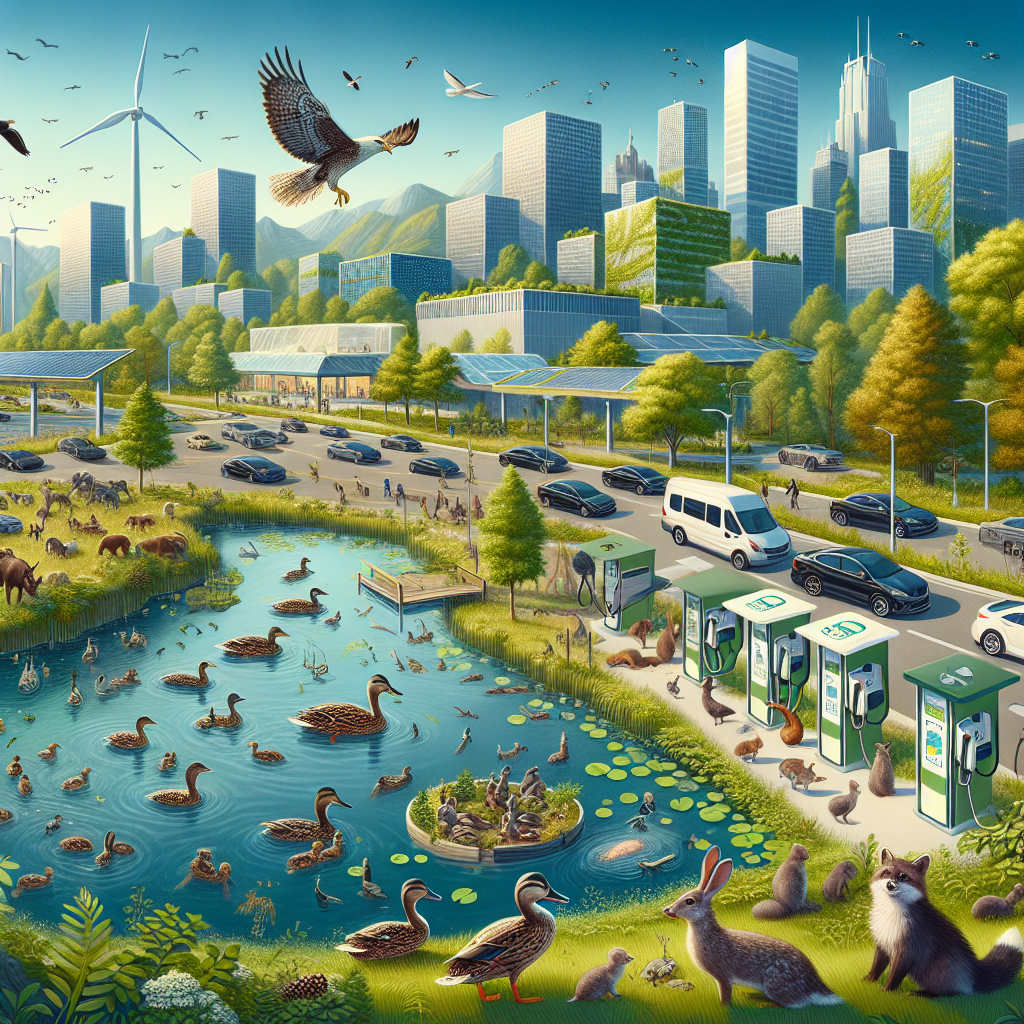
Sustainable practices, such as the creation of wetlands and the use of permeable surfaces, help improve water quality and availability. Constructed wetlands can filter pollutants from stormwater runoff, providing cleaner water for both humans and wildlife. Such areas also create habitats for amphibians, birds, and aquatic species, enhancing urban biodiversity.
Additionally, rain gardens and green retention basins can collect and manage stormwater, reducing the likelihood of flooding and erosion. These areas not only offer water sources for wildlife but also contribute to groundwater recharge, ensuring a more reliable supply of water during dry seasons.
Mitigating Light and Noise Pollution
Urban environments are often sensory overloads for wildlife, with excessive light and noise disrupting natural cycles and behaviors. Wildlife is affected by these pollutants in various ways, from altered feeding patterns to disturbed mating rituals.
To tackle these issues, sustainable urban planning advocates for “dark sky” practices and noise reduction strategies. By minimizing artificial lighting and promoting the use of shielded lights that direct illumination downward, cities can limit light pollution. This allows nocturnal species to thrive, migratory birds to navigate more effectively, and ecosystems to maintain their natural rhythms.
Similarly, implementing noise reduction measures such as sound barriers along busy roads or using quieter construction techniques can create a more tranquil environment for wildlife. This helps reduce stress and behavioral changes associated with chronic noise exposure, allowing animals to carry out their natural activities more effectively.
Urban Wildlife Corridors
The fragmentation of habitats is one of the main challenges posed by urban development. Wildlife corridors are a sustainable solution, facilitating safe passage for animals between isolated habitats.
These corridors can take various forms, from green belts that encircle urban areas to overpasses and underpasses specifically designed for wildlife at road crossings. By connecting fragmented habitats, these corridors enable animals to access resources, find mates, and maintain genetic diversity.
In addition to benefiting wildlife, corridors can enhance human experiences in urban settings by integrating nature into everyday life. They provide recreational spaces, improve air quality, and contribute to the overall well-being of city dwellers.
Promoting Biodiversity in Urban Areas
Biodiversity is essential for the health and stability of ecosystems, and urban areas are no exception. Promoting urban biodiversity means creating environments where a variety of species can coexist and flourish.
This can be achieved through several sustainable practices, such as planting native vegetation, establishing community gardens, and preserving old-growth trees. Native plants are particularly important because they provide appropriate food and shelter for local wildlife. They are also well-adapted to the local climate and soil conditions, requiring less maintenance and water than non-native species.
Community gardens not only offer fresh produce for residents but also serve as habitats for pollinators and small animals. Preserving old-growth trees is crucial as they are home to many species, some of which rely exclusively on mature forests for their survival.
By fostering biodiversity, cities can create more resilient ecosystems capable of withstanding environmental changes and threats. This, in turn, supports both human and animal populations, making urban areas more sustainable and livable.
Conclusion
Sustainable urban development holds the key to harmonizing human activities with the natural world. As cities continue to expand, it is imperative to adopt practices that prioritize the well-being of both humans and wildlife.
Green infrastructure, effective water management, mitigation of light and noise pollution, wildlife corridors, and the promotion of biodiversity are all critical components of sustainable urban planning. By integrating these elements into urban designs, we can create spaces that support diverse ecosystems and offer a high quality of life for all inhabitants.
The path to sustainable urban development may be complex, but the benefits are manifold. Cities that embrace sustainability can foster vibrant communities, preserve local wildlife, and ensure a healthier environment for future generations. It is a collaborative effort that requires the commitment of planners, architects, policymakers, and residents alike.
In the end, the successful implementation of sustainable practices will lead to urban landscapes where humanity and nature coexist in harmony, enriching the lives of all living beings.
Frequently Asked Questions
1. What is balanced urban sustainability and why is it important for wildlife survival?
Balanced urban sustainability refers to the development strategies that cities adopt to ensure that progress doesn’t come at the expense of the environment. This balance is vital because it helps maintain the ecological systems that are essential for all life forms, including wildlife. When urbanization takes place without regard for the environment, wildlife habitats can be destroyed or fragmented, leading to a decrease in biodiversity. However, through sustainable practices such as creating green spaces, preserving existing wildlife corridors, and implementing eco-friendly construction methods, cities can enhance the survival rates of local fauna. This, in turn, helps maintain ecological balance, which ensures that ecosystems can function properly and contribute to the overall quality of life in urban environments.
2. How can urban planning enhance wildlife survival within city limits?
Urban planning can play a crucial role in ensuring the coexistence of wildlife and human development. By incorporating wildlife corridors, green roofs, and green spaces into city designs, planners can create environments that support both human and wildlife needs. Wildlife corridors facilitate the movement and migration of species, which is essential for genetic diversity and species survival. Additionally, maintaining native vegetation and reducing impervious surfaces like concrete can help manage stormwater more naturally and provide essential habitats for urban wildlife. Cities that prioritize environmental initiatives in their urban planning process are likely to support more resilient wildlife populations, making these areas more vibrant and ecologically balanced.
3. What are some examples of successful urban sustainability practices that benefit wildlife?
Several cities worldwide have implemented successful urban sustainability practices that prioritize wildlife conservation. For instance, Singapore is known for its ‘Skyrise Greenery’ initiative, where vertical gardens and green roofs are built into urban structures to provide habitat and food sources for local fauna. Portland, Oregon, practices sustainable stormwater management with features like bioswales and rain gardens, which help in creating habitats for amphibians and insects. Another example is the city of Curitiba in Brazil, which has a network of green spaces designed to maintain local biodiversity. These practices not only enhance the urban aesthetic but also play a pivotal role in preserving and nurturing the local ecosystem.
4. Are there any challenges in implementing urban sustainability measures for wildlife?
Yes, there are several challenges in implementing urban sustainability measures that benefit wildlife. One of the main hurdles is balancing economic growth with environmental preservation. Economic pressures often prioritize development over conservation, which can lead to a lack of investment in sustainable practices. Additionally, there is often limited awareness or understanding among the public and policymakers about the long-term benefits of urban sustainability. Practical challenges also exist, such as limited space for expanding green infrastructure and ensuring that constructed habitats are suitable for local species. Despite these challenges, with awareness and a commitment to sustainable development, cities can overcome these barriers to create environments where both humans and wildlife thrive.
5. What role can citizens play in promoting balanced urban sustainability for wildlife?
Citizens can have a tremendous impact on promoting balanced urban sustainability for the benefit of wildlife. At the most basic level, residents can support local conservation efforts by participating in community clean-up events, tree-planting initiatives, and wildlife monitoring programs. Homeowners can create wildlife-friendly spaces in their gardens by planting native species and avoiding pesticides. Public advocacy is also powerful; residents can influence local governments by voting for leaders and policies that prioritize sustainable development. Lastly, raising awareness by educating others about the importance of urban sustainability and its benefits to wildlife can further foster a community culture that values and protects local ecosystems.