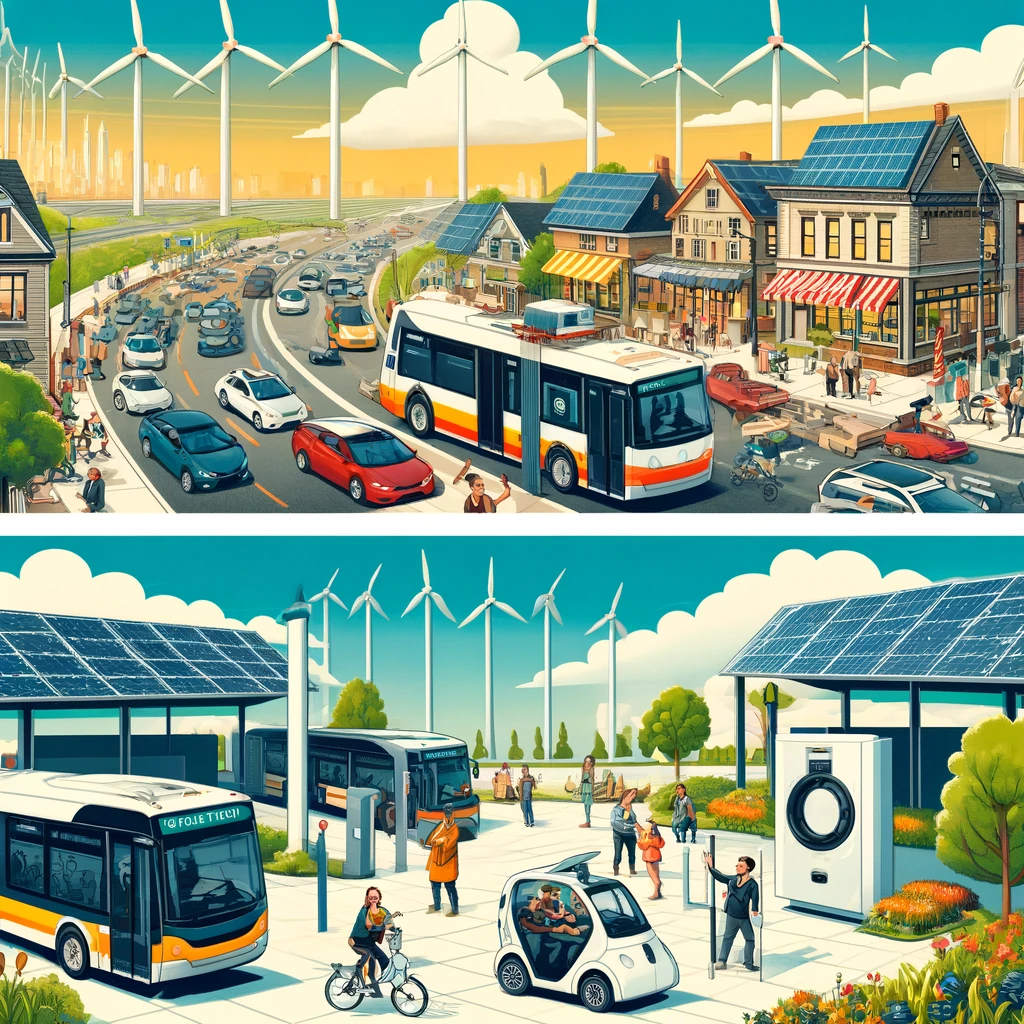
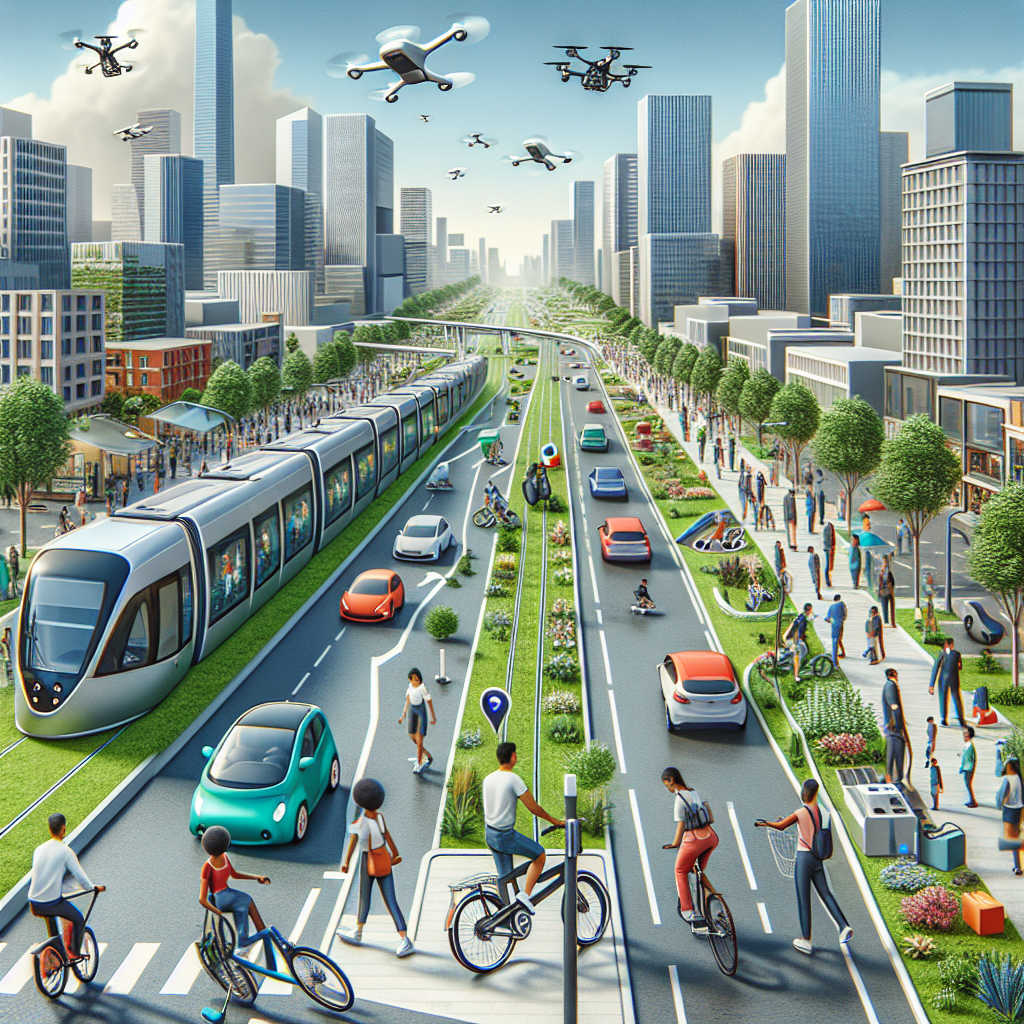
Sustainable urban development is a crucial topic in today’s world, blending economic growth with sustainable living practices. Urban areas are rapidly expanding; by 2050, it is estimated that over two-thirds of the world’s population will reside in cities. As populations grow, cities evolve into the epicenters of economic activity, innovation, and cultural exchange. However, this urban sprawl brings along challenges such as increased carbon emissions, waste production, and resource mismanagement. The pressing question is how to continue economic development while ensuring our urban environments remain sustainable for future generations.
In the past, urban planning often lacked a focus on sustainability, leading to over-reliance on non-renewable resources, inefficient public transport systems, and inadequate housing stock. Nowadays, the imperative is clear: cities need to adopt sustainable practices that not only drive economic growth but also improve quality of life for their residents. Implementing green infrastructure, optimizing resource use, and integrating comprehensive public transport systems are steps towards a sustainable urban future. This article will delve into the various facets of sustainable urban development and how they can fuel economic prosperity.
Green Infrastructure: The Backbone of Sustainable Cities
Green infrastructure is an approach to water management that displays the way plants, trees, and vegetation can be used to help solve urban and climatic challenges. Urban planners now prioritize the integration of green spaces such as parks, green roofs, and bioswales to manage stormwater, reduce urban heat islands, and improve air quality. Cities like Copenhagen and Singapore serve as exemplary models, employing extensive green spaces to enhance biodiversity and create resilient urban environments. Moreover, these green spaces provide recreational areas that boost the physical and mental well-being of the urban population.
The economic benefits of green infrastructure are multifaceted. For one, it reduces the burden on public health systems by improving residents’ physical and mental health, thus lowering healthcare costs. Furthermore, such initiatives attract businesses and residents seeking a higher quality of life, stimulating local economies. The construction and maintenance of green infrastructure also create jobs, adding another layer of economic benefit. Hence, green infrastructure is not just an environmental or social imperative, but a robust economic strategy too.
Resource Optimization: Efficiency as a Growth Strategy
Efficient resource use is paramount for sustainable urban development. This involves optimizing the consumption of water, energy, and raw materials to minimize waste and reduce ecological footprints. Technologies such as smart grids, energy-efficient buildings, and water recycling systems are becoming increasingly pivotal. For instance, cities like Tokyo have greatly benefited from employing energy-efficient practices, resulting in reduced carbon footprints and lower operational costs for businesses and households alike.
From an economic perspective, resource optimization lowers operational costs for businesses, thus improving profitability. Homes and businesses with lower utility bills can redirect that capital towards other investments or savings, stimulating further economic activity. Furthermore, the demand for energy-efficient products and services spurs innovation and new industries, creating additional employment opportunities. In essence, resource optimization not only conserves the environment but also enhances economic resilience and growth.

Comprehensive Public Transport: Mobility as a Catalyst for Growth
An efficient and comprehensive public transport system is essential for sustainable urban development. Public transportation reduces the reliance on private vehicles, thus lowering greenhouse gas emissions and alleviating traffic congestion. Cities like Amsterdam and Hong Kong offer robust examples of how comprehensive public transport systems can support sustainable urban living. Both cities have integrated various modes of transportation – buses, trains, bicycles – to offer residents convenient, affordable, and environmentally friendly options.
The economic impacts of an efficient public transport system are significant. For one, it can boost labor mobility, making it easier for residents to travel to work, education, and leisure activities, thus increasing productivity. Additionally, it attracts businesses and tourists looking for cities with reliable infrastructure. The creation, maintenance, and expansion of public transport systems also provide numerous job opportunities. In sum, a comprehensive public transport system is a cornerstone for both sustainable urban living and economic vitality.
Affordable Housing: Equitable Growth for All
In the context of sustainable urban development, affordable housing is fundamental. It ensures that all city residents, regardless of income level, have access to safe, decent, and affordable living conditions. New York City and Vienna are prime examples of cities that have made significant strides in delivering affordable housing solutions. These cities have employed policies such as rent controls, public housing projects, and inclusive zoning laws to ensure equitable access to housing.
Affordable housing has profound economic implications. It reduces the financial stress on low- and middle-income households, enabling them to spend more on other essentials and discretionary items, thereby stimulating economic activities. It also attracts a diversified workforce essential for various sectors of the economy. Moreover, the construction and management of affordable housing units create jobs and stimulate the local economy. Therefore, ensuring affordable housing is not just a social obligation but an economic imperative as well.
Community Involvement: Empowering Citizens for Sustainable Urban Growth
Community involvement is a critical element in sustainable urban development. Active participation from local residents ensures that development projects meet their needs and preferences, leading to more socially acceptable and sustainable outcomes. Furthermore, involving the community in decision-making processes fosters a sense of ownership and responsibility towards urban sustainability. Cities like Portland, Oregon, and Freiburg, Germany, have demonstrated the effectiveness of community-driven urban development initiatives, resulting in vibrant, sustainable communities.
Economically, community involvement can drive growth by fostering social cohesion and economic cooperation. It encourages residents to support local businesses, volunteer for community projects, and participate in local governance, all of which contribute to economic vibrancy and resilience. Engaged communities are more likely to innovate, find local solutions to challenges, and attract investments that recognize the value of strong social capital. In this way, community involvement channels resident energy towards sustainable practices that also drive economic growth.
Conclusion
The pursuit of sustainable urban development and economic growth are not mutually exclusive objectives, but rather two sides of the same coin. Sustainable practices, from green infrastructure and resource optimization to comprehensive public transport and affordable housing, serve as robust foundations for urban economic vitality. By integrating these practices, cities can create environments that support economic prosperity, environmental health, and social equity.
Cities across the globe, such as Copenhagen, Tokyo, Amsterdam, New York City, and Portland, show us that it is possible to develop urban areas sustainably while driving economic growth. These cities employ varied strategies, yet all share a commitment to balancing economic development with sustainable practices. The future belongs to cities that can merge these goals effectively, creating urban landscapes where present and future generations can thrive.
In conclusion, the path to sustainable urban development and economic growth requires a multifaceted approach. Green infrastructure, resource optimization, public transport systems, affordable housing, and community involvement each play pivotal roles. Collectively, these strategies offer a holistic route to a future where cities can flourish both economically and sustainably. Let us commit to this vision, ensuring our urban areas become beacons of innovation, resilience, and economic strength.
Frequently Asked Questions
1. What is sustainable urban development and how does it integrate with economic growth?
Sustainable urban development is a forward-looking approach that ensures cities can grow economically while maintaining healthy environmental and social standards. It combines elements of city planning, resource management, and innovative technologies to create urban environments that are livable, resilient, and resource-efficient. Economically, it helps cities become hubs of opportunity, enhancing economic growth by fostering innovation, creating jobs, and attracting people and investments. The integration happens through strategic policies and infrastructure investments that focus on sustainability, such as green public transportation, energy-efficient buildings, and policies promoting clean energy. By actively encouraging practices that support both the environment and the economy, cities can sustain their growth and provide a high quality of life to their residents.
2. Why is sustainable urban development important with the rapid growth of urban populations?
With the projection that over two-thirds of the world’s population will reside in urban areas by 2050, sustainable urban development becomes critical. As cities swell with people, the stress on local ecosystems and resources intensifies, making it necessary for urban planners to adopt sustainable practices. The importance lies in mitigating urban sprawl’s negative impacts, such as pollution, waste, and resource depletion. Without sustainable practices, cities could face challenges in providing clean water, air, and energy and adequately managing waste and transportation needs. Sustainable urban development aims to balance these demands with long-term ecological health and economic stability, ensuring that rapid growth does not compromise the environment or quality of life.
3. How do sustainable urban development strategies help reduce carbon emissions?
Sustainable urban development strategies incorporate a variety of initiatives designed to minimize carbon footprints. Key among them is promoting the use of public transportation and non-motorized travel options like cycling and walking, which reduces dependence on cars and decreases traffic congestion, thus lowering emissions. Implementing green building standards is another strategy, as it involves using materials and designing structures that consume less energy and produce less waste. Moreover, integrating renewable energy sources such as solar and wind power into the urban energy grid significantly cuts down on carbon emissions from fossil fuels. Additionally, urban planning can include increasing green spaces, such as parks and urban gardens, which act as carbon sinks, absorbing CO2 from the atmosphere and improving air quality.
4. What role do technologies play in advancing sustainable urban development?
Technologies are pivotal in advancing sustainable urban development by offering innovative solutions that make urban living more efficient and environmentally friendly. Smart city technologies, for example, optimize traffic management systems and reduce energy consumption through smart grids and meters that provide real-time data, allowing cities to manage resources more effectively. Sensor technologies help monitor air quality and pollution levels, enabling authorities to take timely actions to safeguard public health. Furthermore, technology offers platforms for waste management solutions like apps that facilitate recycling processes or ridesharing programs that reduce the number of cars on the road. Through technology, cities gain tools that enhance their sustainability efforts, making processes more efficient, reducing costs, and ultimately achieving a cleaner urban environment.
5. What challenges do cities face in implementing sustainable urban development, and how can they be overcome?
Implementing sustainable urban development poses several challenges, such as financial constraints, limited political will, inadequate policy frameworks, and resistance from stakeholders not familiar with sustainability concepts. Financial constraints arise because sustainable initiatives often require substantial upfront investment; however, these can be mitigated by adopting public-private partnerships and securing funds from international organizations dedicated to sustainability. Political and policy challenges can be addressed by having clear, enforceable policies and legislation that prioritize sustainability. Educational campaigns and workshops can help increase stakeholder buy-in, ensuring that communities understand the long-term benefits of sustainable practices. By building collaborative networks between government, business, and citizen sectors, cities can create inclusive strategies that address challenges and develop effective, tailored solutions for their sustainable urban growth.