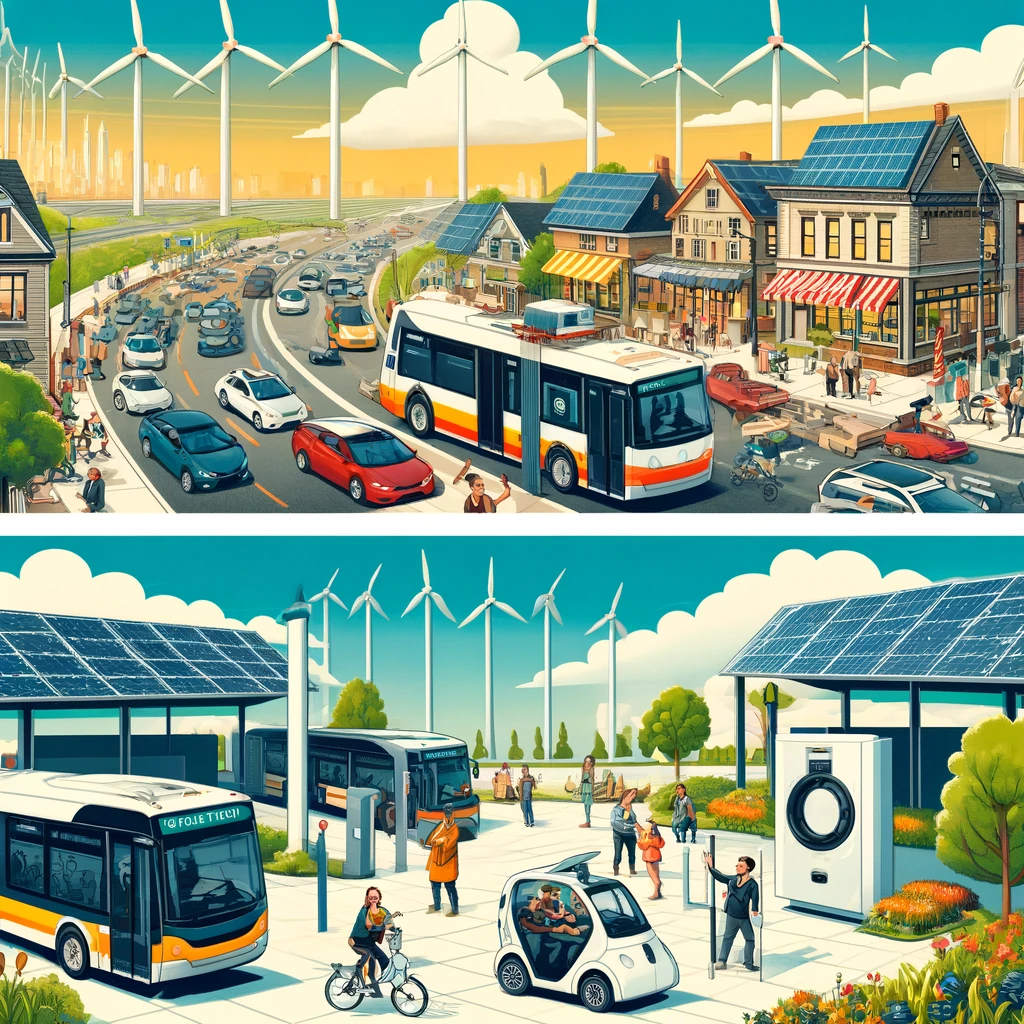
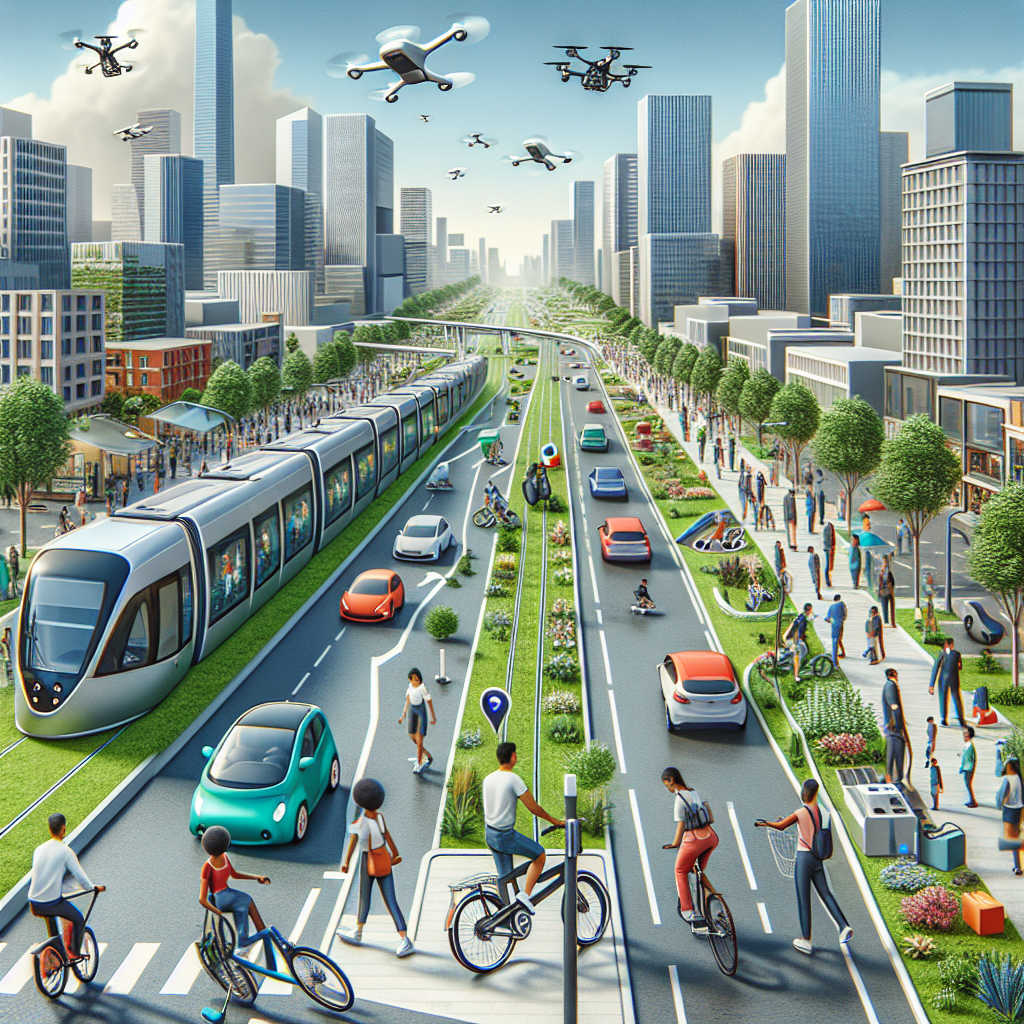
The burgeoning global population and expanding cities pose significant challenges and opportunities for urban planners and policymakers. Sustainable urban development has emerged as a crucial approach to create livable, resilient, and environmentally friendly urban environments that cater to the present and future needs of their residents. At the same time, urban sprawl continues to be a pertinent issue, with cities expanding beyond their urban cores into peripheral areas, often leading to increased resource consumption, environmental degradation, and social inequities. This article delves into sustainable urban development, exploring its principles and benefits, and juxtaposes this with the phenomenon of urban sprawl, highlighting the critical need for balanced and well-planned urban growth.
Sustainable urban development encompasses an array of strategies and practices aimed at fostering economic growth, social inclusion, and environmental conservation within urban areas. Central to this approach is the emphasis on efficient resource use, reducing carbon footprints, and enhancing the quality of life for all city dwellers. Key elements include well-designed public spaces, green infrastructure, efficient public transportation systems, and mixed-use developments that encourage community engagement and reduce dependence on private vehicles. By integrating these elements, sustainable urban development aims to create harmonious urban centers that are capable of adapting to and mitigating the impacts of climate change.
Conversely, urban sprawl represents the uncontrolled and unplanned expansion of cities into rural or less developed areas. This phenomenon is often characterized by low-density residential development, increased reliance on automobiles, and the fragmentation of natural habitats and agricultural lands. The consequences of urban sprawl extend beyond environmental impacts, affecting economic viability and social cohesion as well. Infrastructure costs burgeon, commute times lengthen, and communities become more segregated. Addressing urban sprawl requires a concerted effort to promote smart growth principles, which prioritize sustainable land-use patterns and support the efficient use of resources.
Key Principles of Sustainable Urban Development
Sustainable urban development is guided by a set of overarching principles that aim to integrate environmental, social, and economic considerations into urban planning and design. These principles serve as a blueprint for creating cities that are not only functional and vibrant but also resilient and equitable.
- Compact and Connected: Encouraging higher-density developments and minimizing urban sprawl helps to reduce the environmental footprint of cities. Compact urban forms, paired with efficient public transportation networks, support reduced energy consumption and lower greenhouse gas emissions.
- Mixed-Use Development: Designing neighborhoods that integrate residential, commercial, and recreational spaces promotes walkability and reduces the need for long commutes. This approach fosters vibrant communities with diverse amenities and opportunities within close proximity.
- Green Infrastructure: Incorporating natural elements such as parks, green roofs, and urban forests helps to mitigate the urban heat island effect, manage stormwater, and enhance biodiversity. Green infrastructure also provides recreational spaces and improves the overall quality of life for city residents.
- Inclusive and Socially Equitable: Ensuring that urban development policies and projects cater to the needs of all residents, including marginalized and vulnerable groups, fosters social inclusion and cohesion. Equitable access to housing, jobs, education, and services is paramount.
- Resilience and Adaptability: Planning for the long-term resilience of urban areas involves anticipating and adapting to future challenges such as climate change, natural disasters, and economic shifts. This requires flexible infrastructure and policies that can evolve over time.
Challenges and Barriers to Sustainable Urban Development
Despite the clear benefits and guiding principles of sustainable urban development, numerous challenges and barriers can hinder its implementation. Understanding these obstacles is essential for developing effective strategies to overcome them.
- Financial Constraints: The initial investment required for sustainable infrastructure, such as energy-efficient buildings, advanced public transportation systems, and green spaces, can be substantial. Securing adequate funding can be a significant barrier for many municipalities.
- Political and Institutional Resistance: Urban development often involves multiple stakeholders with varying priorities and interests. Resistance from political leaders, private developers, or local communities can impede sustainable initiatives.
- Lack of Awareness and Education: Public understanding and support for sustainable practices are crucial for their successful implementation. Often, there is a lack of awareness and education about the long-term benefits of sustainable urban development.
- Regulatory and Policy Frameworks: Inconsistent or outdated regulations and policies can create obstacles for sustainable urban planning. Ensuring that local, regional, and national frameworks align with sustainability goals is essential.
- Technological and Infrastructure Limitations: The adoption of new technologies and the upgrading of existing infrastructure can be challenging due to technical constraints or lack of expertise. Ensuring a smooth transition to more sustainable systems requires comprehensive planning and investment.

Strategies for Promoting Sustainable Urban Development
To effectively promote sustainable urban development, a combination of policy measures, planning strategies, and community engagement initiatives is essential. Below are some key strategies:
- Integrate Land Use and Transportation Planning: Coordinating land use with transportation planning helps to create compact, transit-oriented developments that reduce reliance on private vehicles and lower carbon emissions.
- Incentivize Green Building Practices: Providing incentives such as tax breaks, grants, and fast-track permitting for sustainable construction projects encourages the adoption of green building practices and technologies.
- Promote Public and Active Transportation: Investing in high-quality public transportation systems and infrastructure for walking and cycling can significantly reduce vehicle emissions and promote healthier lifestyles.
- Encourage Community Participation: Engaging residents in the planning process fosters a sense of ownership and ensures that development projects reflect the needs and preferences of local communities.
- Implement Smart Growth Policies: Adopting smart growth principles, such as mixed-use zoning, higher-density development, and the preservation of open spaces, helps to manage urban expansion sustainably.
Case Studies in Sustainable Urban Development
Examining real-world examples of cities that have successfully implemented sustainable urban development practices can provide valuable insights and inspiration.
1. Curitiba, Brazil
Curitiba is renowned for its innovative urban planning and sustainability initiatives. The city has an extensive and efficient public transportation system, including the pioneering Bus Rapid Transit (BRT) network, which has significantly reduced traffic congestion and pollution. Additionally, Curitiba has an impressive network of parks and green spaces that enhance the quality of life for residents while promoting biodiversity and environmental conservation.
2. Copenhagen, Denmark
Copenhagen has set ambitious goals to become carbon-neutral by 2025. The city has invested heavily in cycling infrastructure, making it one of the most bike-friendly cities in the world. Copenhagen also prioritizes renewable energy, green building standards, and sustainable waste management practices. These efforts have resulted in a highly livable, resilient, and environmentally conscious urban environment.
3. Singapore
Singapore’s approach to sustainable urban development is characterized by its integration of nature within the urban fabric. The city-state has implemented extensive green infrastructure, including vertical gardens, green roofs, and urban parks. Singapore’s comprehensive public transportation system and strict land-use policies have minimized urban sprawl and promoted efficient resource use. Moreover, the city has embraced smart technologies to enhance urban living and sustainability.
Addressing Urban Sprawl: Strategies and Solutions
To mitigate the negative impacts of urban sprawl, it is essential to adopt strategies that promote sustainable growth and efficient land use.
1. Implementing Urban Growth Boundaries
Establishing urban growth boundaries helps to contain urban expansion and protect natural and agricultural lands. By delineating areas for development and preserving open spaces, cities can manage growth more effectively and prevent the unchecked spread of urban areas.
2. Promoting Infill Development
Encouraging infill development in already urbanized areas maximizes the use of existing infrastructure and reduces the need for new, sprawling developments. This strategy revitalizes underutilized spaces, enhances urban density, and supports vibrant communities.
3. Enhancing Public Transportation Accessibility
Expanding and improving public transportation networks can reduce reliance on personal vehicles and encourage more sustainable commuting patterns. Accessible and efficient public transit options make higher-density living and mixed-use developments more attractive and viable.
4. Supporting Mixed-Use Zoning
Mixed-use zoning promotes the development of neighborhoods that blend residential, commercial, and recreational spaces. This approach reduces the need for long commutes, fosters walkability, and creates diverse and dynamic urban environments.
5. Encouraging Sustainable Community Design
Designing communities with sustainability in mind involves incorporating green infrastructure, energy-efficient buildings, and amenities that support healthy lifestyles. Thoughtfully planned communities can accommodate growth while minimizing environmental impacts and enhancing the quality of life for residents.
Conclusion
Sustainable urban development and the mitigation of urban sprawl are critical to creating resilient, livable, and environmentally conscious cities. By embracing the principles of sustainable development, cities can enhance the quality of life for their residents, reduce their ecological footprint, and prepare for the challenges of the future.
Addressing urban sprawl requires a multifaceted approach that integrates land use and transportation planning, incentivizes green building practices, promotes public participation, and implements smart growth policies. Learning from successful case studies and adopting proven strategies can guide cities in their efforts to achieve sustainable urban development.
The path toward sustainable urban development is complex and requires collaboration among various stakeholders, including governments, private developers, communities, and individuals. By working together and prioritizing sustainability, cities can create vibrant, inclusive, and environmentally responsible urban environments that thrive for generations to come.
As we move forward, it is crucial to continue exploring innovative solutions, investing in sustainable infrastructure, and fostering a culture of sustainability that permeates all aspects of urban life. The journey toward sustainable urban development is ongoing, and it is incumbent upon all of us to contribute to building the sustainable cities of tomorrow.
Frequently Asked Questions
1. What is sustainable urban development, and why is it important?
Sustainable urban development refers to the process of designing and constructing cities that are environmentally sustainable, economically viable, and socially equitable, ensuring they meet the present and future needs of the residents. It’s crucial because as populations grow and urbanize, the demand for resources increases, and cities are large consumers of energy and produce significant waste. Implementing sustainable practices helps to reduce environmental impacts, improve quality of life, enhance resilience against climate change, and promote economic growth without degrading the natural environment. Sustainable cities also prioritize accessible green spaces, inclusive public transportation, and mixed-use development to help decrease reliance on fossil fuels and promote healthier urban living.
2. What is urban sprawl, and what are the challenges it poses?
Urban sprawl refers to the uncontrolled expansion of urban areas into the surrounding rural areas, typically characterized by low-density and car-dependent developments. It presents several challenges, including increased traffic congestion as people commute longer distances, greater environmental degradation due to habitat disruption and increased pollution, and higher public service costs to extend infrastructure and services, such as water, sewage, and transportation, over larger areas. Urban sprawl often contributes to social inequities as it can limit access to jobs and amenities for those without vehicles and can lead to the deterioration of urban cores as resources and investments move to suburbs.
3. What are some solutions to combat urban sprawl and promote sustainable urban development?
Combating urban sprawl and fostering sustainable urban development requires a multi-faceted approach that includes policy changes, innovative planning, and community engagement. Key solutions include: – Promoting compact and mixed-use development that integrates residential, commercial, and recreational spaces, reducing the need for long commutes. – Enhancing public transportation networks to provide efficient, affordable, and accessible options for all residents, decreasing dependency on private vehicles. – Implementing green belts and urban growth boundaries to regulate and contain urban expansion. – Encouraging the development of walkable neighborhoods and the use of environmentally-friendly building technologies and practices. – Increasing public awareness and involving communities in the planning process to ensure developments meet the actual needs and desires of residents.
4. How does sustainable urban development contribute to tackling climate change?
Sustainable urban development plays a critical role in addressing climate change by reducing greenhouse gas emissions and adapting to already occurring climatic changes. Cities designed with sustainable principles in mind focus on energy efficiency, favor public and non-motorized transportation, promote renewable energy use, and implement waste reduction measures. Green infrastructure, such as urban forests and rooftop gardens, helps in carbon sequestration, minimizes pollution, and regulates local climates by mitigating urban heat island effects. Furthermore, resilient urban planning incorporates strategies to manage increased flooding, extreme weather events, and other climate-related challenges, protecting infrastructure and residents, particularly vulnerable populations. Overall, sustainable cities mitigate their carbon footprints and adapt to climate change impacts while fostering healthier, more resilient communities.
5. How do policymakers and urban planners balance the need for development with conservation in urban settings?
Balancing development with conservation in urban settings requires a strategic approach that integrates environmental, social, and economic considerations. Policymakers and urban planners can achieve this by: – Conducting comprehensive environmental impact assessments prior to development projects to identify potential risks and formulate mitigation strategies. – Prioritizing the preservation and enhancement of natural landscapes and ecosystems within urban areas, ensuring green spaces are incorporated into urban planning. – Advocating for smart growth principles that focus on sustainable and eco-friendly urban expansion while protecting valuable land resources. – Fostering community participation in decision-making processes to ensure development decisions align with public interests and local conservation priorities. – Encouraging private sector participation in sustainable practices through incentives for green building designs and sustainable business operations. By valuing both development and conservation, urban planners and policymakers can create cities that are thriving, equitable, and sustainable environments for their inhabitants.