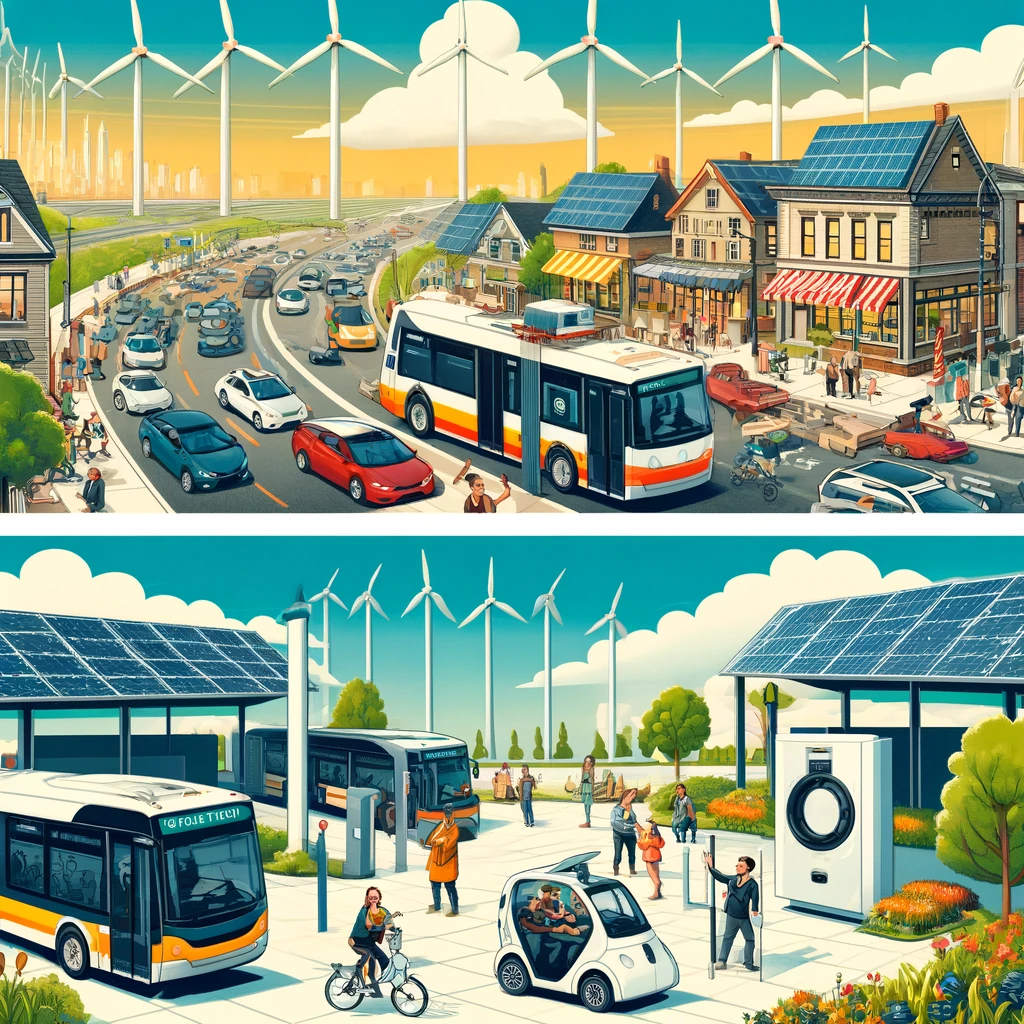
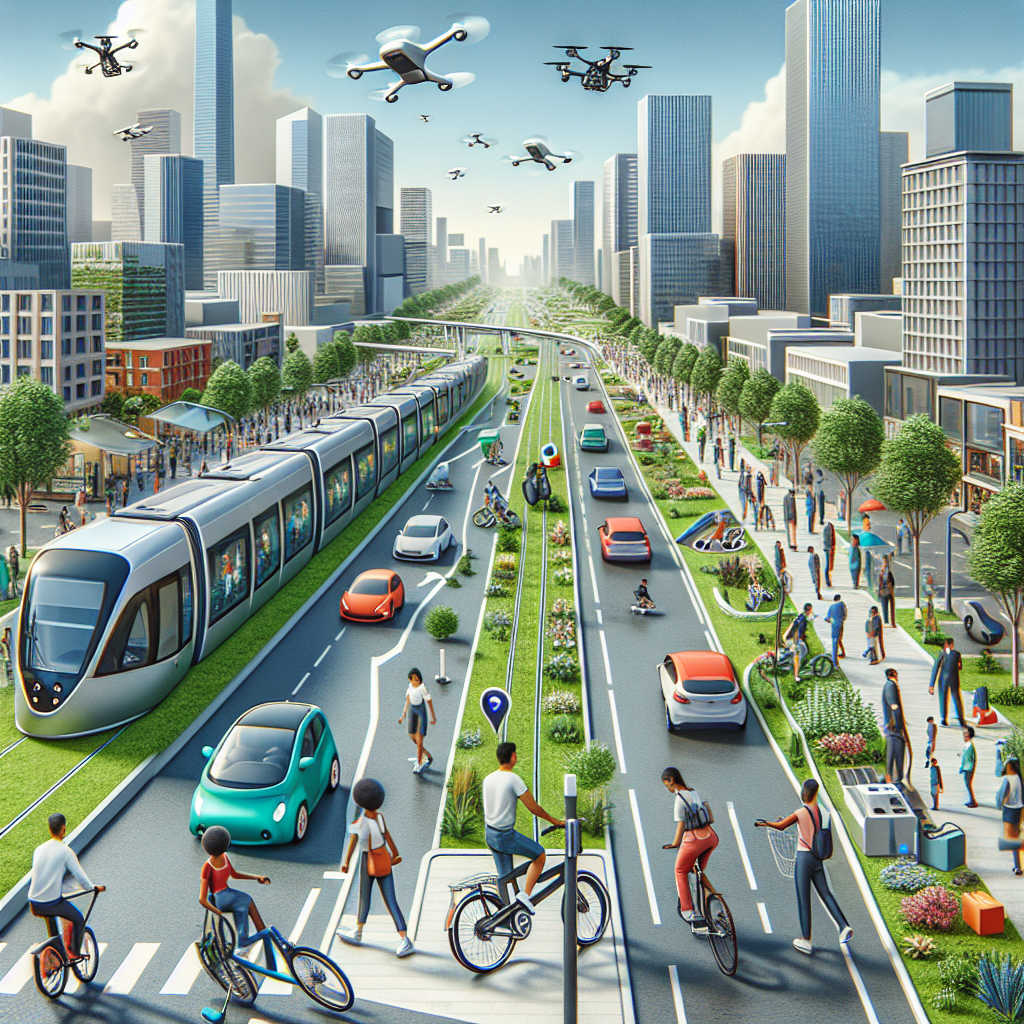
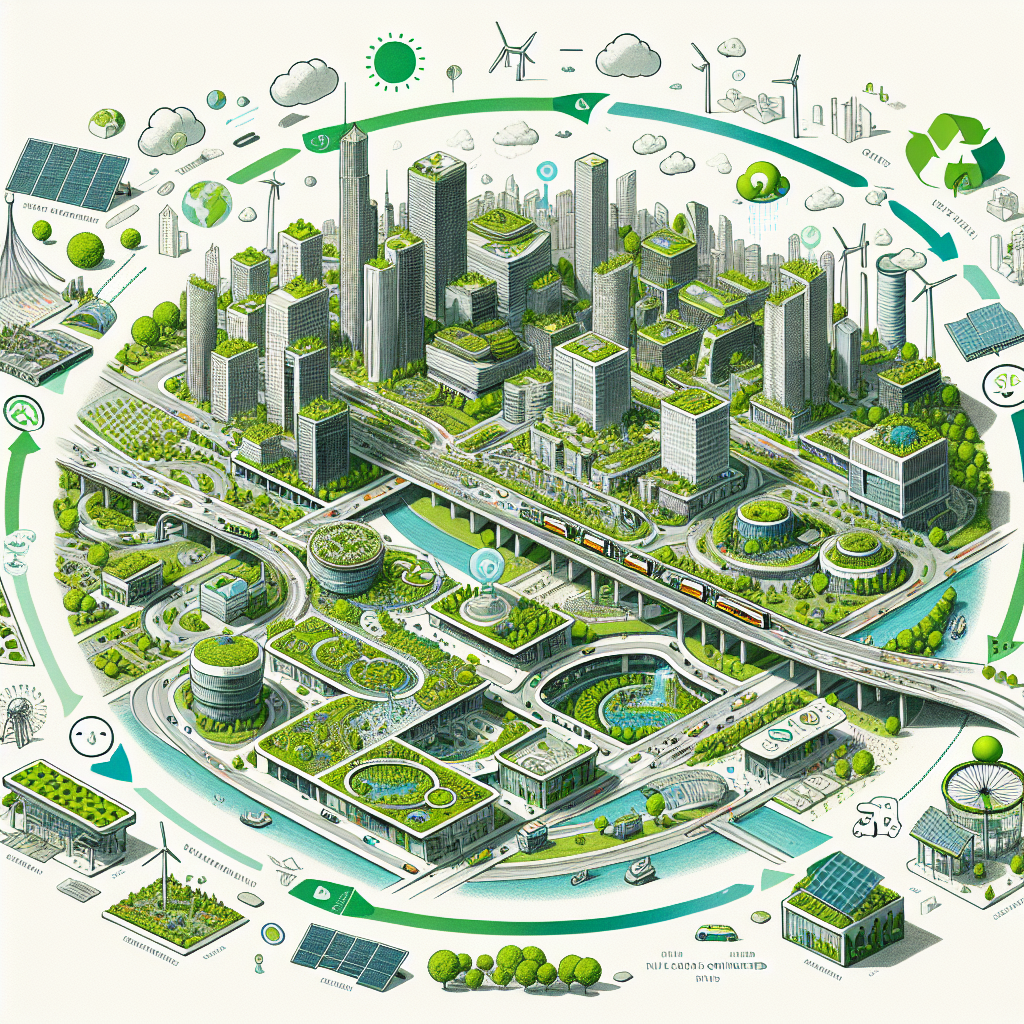
Sustainable urban development is a concept that has been gaining significant traction in recent years as cities across the globe grapple with the challenges of rapid urbanization, climate change, and resource depletion. Central to this discourse is the idea of the Circular City Model, a framework that emphasizes waste reduction, resource efficiency, and sustainability.
Introduction
Urban development has traditionally followed a linear model: resources are extracted, products are manufactured, consumed, and then disposed of, often leading to significant environmental degradation. However, as urban populations continue to soar, this linear model is proving to be unsustainable. The need for a paradigm shift toward a more sustainable form of urban development has never been more pressing. One promising approach is the Circular City Model, which seeks to mimic natural ecosystems where waste is minimized, and resources are continuously reused and regenerated.
In a linear economy, the lifecycle of products and materials is relatively short and ends with disposal. Conversely, the Circular City Model aims to extend the lifecycle of products through practices like recycling, reusing, refurbishing, and remanufacturing. This shift requires a systemic change in how cities are designed, built, and operated, incorporating sustainability into every aspect of urban living.
This article explores the critical components of sustainable urban development and the Circular City Model. We will delve into the role of urban planning, innovative technologies, community involvement, policy frameworks, and economic incentives in creating cities that are not only environmentally sustainable but also socio-economically resilient.
The Role of Urban Planning
Urban planning is a cornerstone of sustainable urban development. Effective urban planning ensures that cities grow in an orderly and sustainable manner, optimizing land use, transportation, infrastructure, and public spaces. In the context of the Circular City Model, urban planning must prioritize designs that reduce resource consumption and waste generation.
Smart zoning practices can facilitate mixed-use developments that reduce the need for long commutes, thereby decreasing fossil fuel consumption and greenhouse gas emissions. Green spaces and urban forests can be integrated into city plans to enhance biodiversity, improve air quality, and provide recreational opportunities for residents.
Transit-oriented development (TOD) is another critical aspect of sustainable urban planning. By focusing on high-density development around public transit hubs, TOD aims to reduce reliance on private vehicles and encourage the use of sustainable transportation options such as buses, trams, and bicycles. This approach not only reduces emissions but also fosters a more connected and cohesive urban community.
Moreover, urban planners should incorporate the principles of the Circular City Model by designing buildings and infrastructures that are adaptable and resilient. Modular construction, for example, allows structures to be easily modified, dismantled, and repurposed, thereby extending their lifecycle and reducing the demand for new materials.
Innovative Technologies
Technology is a critical enabler of sustainable urban development. Innovations in areas such as renewable energy, waste management, and digital infrastructure are essential for creating circular cities. For instance, smart grids and energy-efficient buildings can significantly reduce a city’s carbon footprint.
Renewable energy technologies such as solar and wind power are vital for reducing dependence on fossil fuels. Cities can harness these resources through decentralized energy systems, where communities generate and share energy locally. Advances in battery storage technology also play a critical role by ensuring a stable supply of renewable energy.
Waste-to-energy (WtE) technologies offer a viable solution for managing urban waste while generating clean energy. By converting organic waste into biogas or utilizing incineration plants to produce electricity, cities can transform waste into valuable resources that contribute to energy needs.
Another important technological advancement is the Internet of Things (IoT). IoT devices can monitor and optimize various urban systems, from traffic management to waste collection. By leveraging data analytics, cities can improve their efficiency, reduce waste, and enhance the quality of life for residents.
Community Involvement
Community involvement is crucial for the success of sustainable urban development initiatives. Engaging residents in the planning and implementation process ensures that urban solutions are tailored to the specific needs and preferences of the community.
Participatory planning processes allow residents to voice their concerns, share ideas, and contribute to decision-making. This collaborative approach fosters a sense of ownership and responsibility among community members, increasing the likelihood of successful outcomes.
Education and awareness campaigns are essential for promoting sustainable practices at the individual level. By informing residents about the benefits of recycling, energy conservation, and sustainable transportation, cities can encourage behavior changes that contribute to broader sustainability goals.
Community-led initiatives, such as urban gardening and local recycling programs, can also play a significant role in advancing the principles of the Circular City Model. These initiatives not only reduce the environmental impact of urban living but also strengthen social ties and promote a sense of community.
Policy Frameworks
Effective policy frameworks are key to driving sustainable urban development. Governments need to establish regulations and incentives that promote resource efficiency, waste reduction, and sustainable practices.
Green building standards, such as LEED or BREEAM, set benchmarks for sustainable construction and encourage developers to adopt eco-friendly practices. By mandating energy-efficient designs and the use of sustainable materials, these standards can significantly reduce the environmental impact of new developments.
Policies that support the transition to renewable energy are also critical. Feed-in tariffs, tax incentives, and subsidies can make renewable energy installations more financially viable for businesses and residents.
Governments can also implement waste management policies that promote recycling and composting. By providing infrastructure and incentives for waste separation, cities can divert significant amounts of waste from landfills and reduce their environmental footprint.
In addition, policies that promote sustainable transportation options, such as investments in public transit and cycling infrastructure, can reduce reliance on private vehicles and lower emissions. Urban planning regulations that encourage high-density, mixed-use development can further contribute to sustainable mobility.
Economic Incentives
Economic incentives play a crucial role in advancing sustainable urban development. By aligning financial interests with environmental goals, cities can encourage businesses and residents to adopt more sustainable practices.
Carbon pricing mechanisms, such as carbon taxes or cap-and-trade systems, can create financial incentives for reducing greenhouse gas emissions. By assigning a cost to carbon emissions, these mechanisms encourage businesses to invest in cleaner technologies and more efficient practices.
Subsidies and grants for renewable energy installations can make it more affordable for businesses and residents to transition to clean energy. These financial incentives can accelerate the adoption of solar panels, wind turbines, and other renewable energy technologies.
Green bonds are another powerful tool for financing sustainable urban development. By issuing bonds specifically for environmental projects, cities can raise funds for initiatives such as renewable energy installations, energy-efficient buildings, and sustainable transportation infrastructure.
Moreover, tax incentives for sustainable practices, such as energy-efficient home improvements or electric vehicle purchases, can encourage residents to make environmentally friendly choices. These incentives not only reduce the environmental impact of urban living but also contribute to long-term cost savings for individuals and families.
Conclusion
Sustainable urban development and the Circular City Model represent a transformative shift in how we design, build, and operate our cities. By embracing principles of resource efficiency, waste reduction, and community involvement, we can create urban environments that are not only environmentally sustainable but also socially and economically resilient.
The role of urban planning, innovative technologies, community involvement, policy frameworks, and economic incentives cannot be overstated. Each of these elements is essential for advancing the principles of the Circular City Model and achieving sustainable urban development.
As cities continue to grow and face unprecedented challenges, the need for sustainable solutions becomes increasingly urgent. By adopting the Circular City Model, we can create urban environments that promote the well-being of both people and the planet, ensuring a sustainable future for generations to come.
Frequently Asked Questions
1. What is sustainable urban development, and why is it important?
Sustainable urban development is a holistic approach to designing and managing cities in ways that balance social, economic, and environmental needs. It aims to create urban environments that are livable, inclusive, and able to accommodate the current needs of residents without compromising the ability of future generations to meet their own needs. Sustainability in urban development is crucial because cities are at the forefront of global challenges such as rapid urbanization, climate change, and resource depletion. By adopting this approach, cities can reduce their carbon footprints, promote economic growth, improve public health, and enhance the quality of life for all residents. It’s about making cities more resilient and adaptable to the ever-changing challenges they face.
2. Can you explain the concept of the Circular City Model and how it differs from traditional urban models?
The Circular City Model is an innovative approach to urban development that prioritizes sustainability through the integration of circular economy principles into city planning and management. Unlike the traditional linear urban model, which follows a ‘take, make, dispose’ pattern where resources are extracted, used, and then discarded, the circular city model aims to create a closed-loop system. This means resources are kept in use for as long as possible, extracting maximum value from them before recovering and regenerating products and materials at the end of their lifecycle. The model emphasizes waste reduction, resource efficiency, and the minimization of environmental impacts. By implementing the Circular City Model, cities can become more sustainable, reduce their ecological footprint, and enhance their resilience against resource scarcity and environmental degradation.
3. What are some practical examples of sustainable urban development initiatives?
Across the globe, numerous cities have adopted sustainable urban development initiatives that exemplify the principles of the Circular City Model. For instance, in Amsterdam, the government has taken ambitious steps towards becoming a circular city by redesigning waste management systems, promoting the use of reusable resources, and encouraging sustainable construction practices. Meanwhile, Copenhagen has set an impressive goal to become carbon neutral by 2025, employing wind energy, enhancing public transportation, and increasing green spaces. Barcelona has invested in the ‘superblocks’ initiative, which reorganizes city streets to prioritize pedestrians and bicycles over cars. These examples demonstrate how cities can creatively tackle urban challenges by embracing sustainable practices and policies.
4. How does sustainable urban development benefit local communities?
Sustainable urban development brings a multitude of benefits to local communities. For starters, it creates healthier living environments by reducing pollution and promoting clean air and water. Sustainable practices in urban planning often lead to the development of green spaces, such as parks and community gardens, which improve mental and physical well-being and provide recreational opportunities. Economically, it stimulates job creation in green industries and technologies, supporting local businesses and fostering innovation. Socially, sustainable development encourages community engagement and inclusiveness by designing spaces that are accessible and equitable for all residents, including marginalized groups. Additionally, by focusing on resilience and efficiency, these practices help communities better withstand environmental and economic shocks, enhancing their overall quality of life.
5. What challenges do cities face when implementing the Circular City Model?
While the Circular City Model offers numerous advantages, cities face several challenges in implementation. A major hurdle is existing infrastructure — many cities are still built around linear systems, making the transition to circular systems complex and resource-intensive. Financial constraints and limited public funding can also impede initiatives that require substantial investments. Additionally, there is often resistance to change from stakeholders who are accustomed to traditional practices, including both policymakers and residents. Education and awareness play a crucial role in facilitating this transition, but a lack of public understanding about the benefits and practices of a circular economy can slow down adoption. Furthermore, creating collaborative networks among governments, businesses, and communities can be difficult to coordinate and require strong leadership and governance. Despite these challenges, cities dedicated to innovation and collaboration can overcome these barriers by developing creative solutions and leveraging public support.