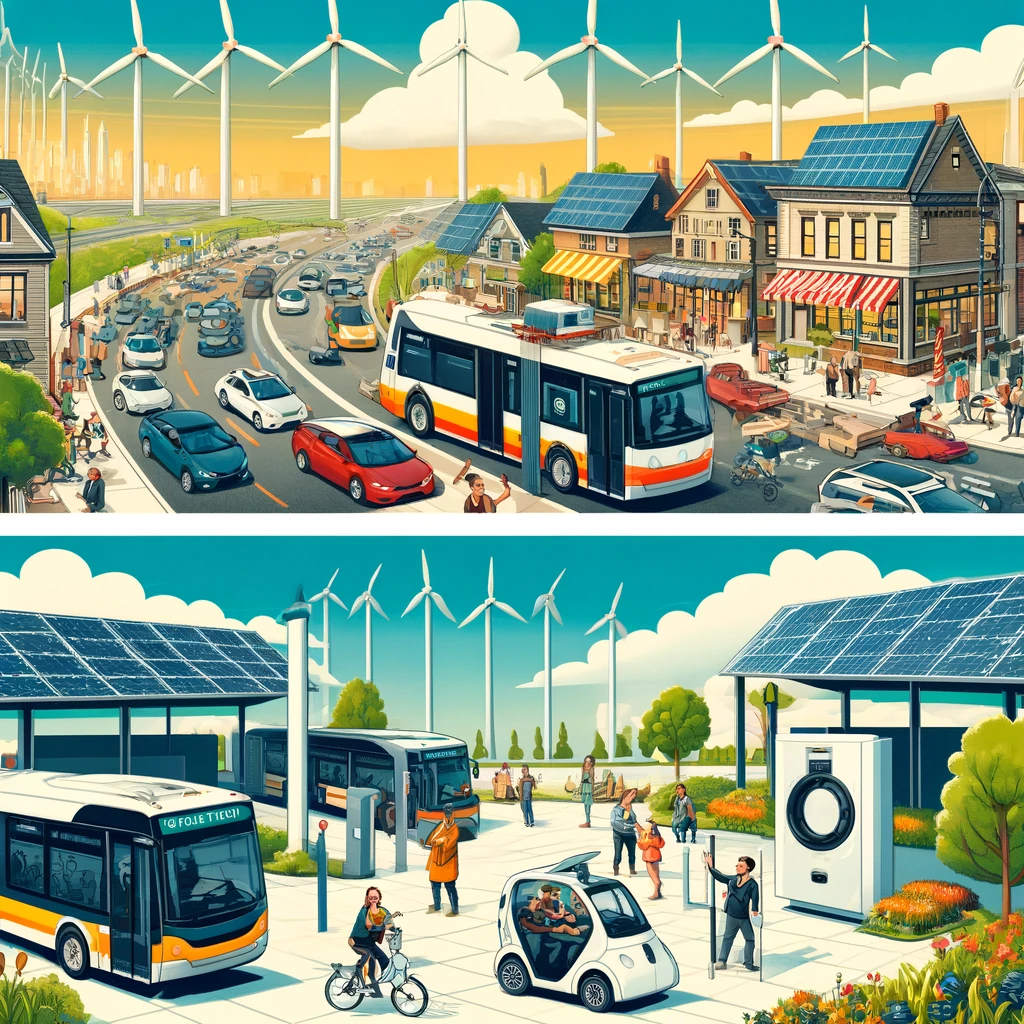
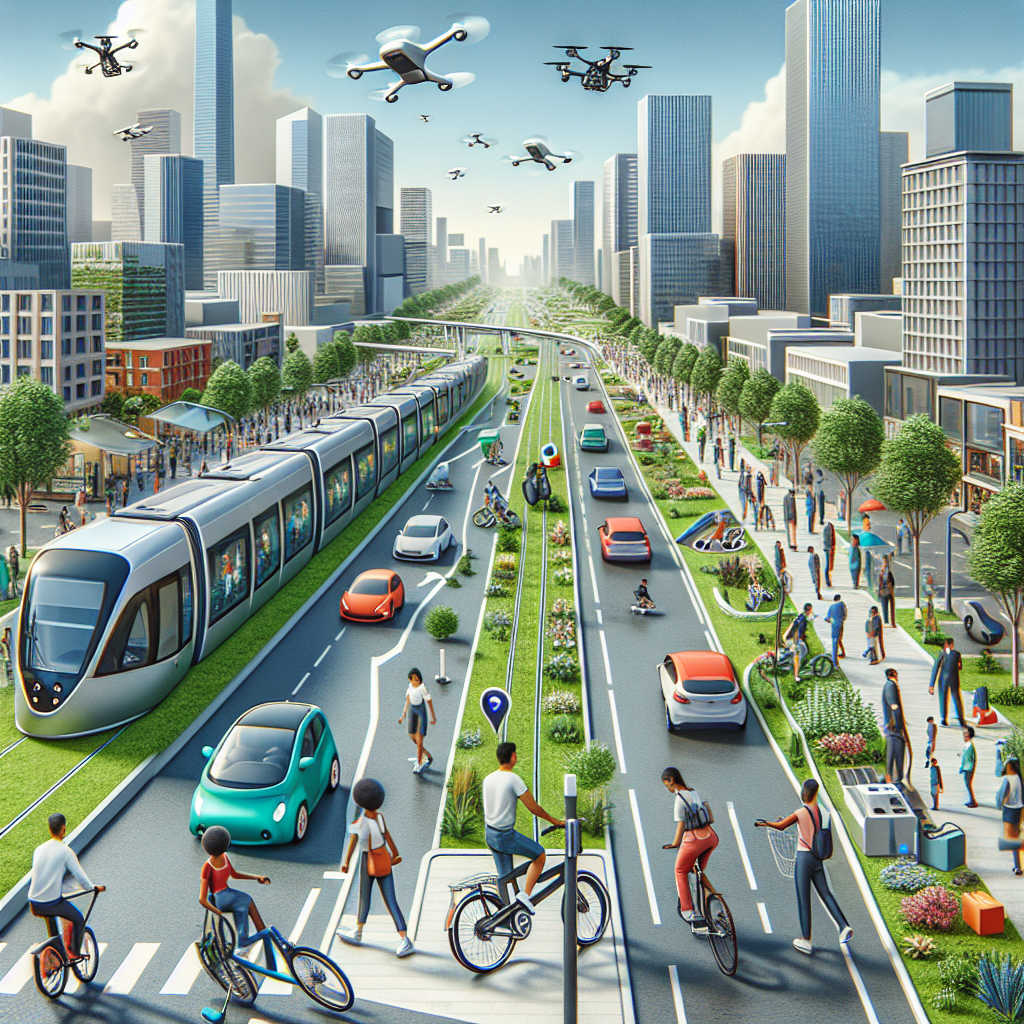
As the world continues to urbanize at an unprecedented rate, the pressure on our environment and resources increases exponentially. Urban planners and policymakers are now faced with the daunting challenge of accommodating growing populations in a manner that is both sustainable and equitable. Sustainable urban design offers a solution by integrating environmental, economic, and social considerations into urban development projects. The objective is to create cities and communities that not only thrive economically but also conserve resources, reduce pollution, and offer a high quality of life for inhabitants.
Sustainable urban design is not just a trendy buzzword; it’s a critical approach that will determine the well-being of future generations. Traditional urban development models are heavily reliant on fossil fuels, generate substantial waste, and often lead to social inequities. Conversely, sustainable urban designs emphasize renewable energy, efficient waste management, green spaces, and inclusive communities. This shift is not merely an option but a necessity as we approach the tipping point for global climate change.
The implementation of sustainable urban design requires the cooperation of multiple stakeholders, including government agencies, private firms, and the community at large. Policies need to incentivize sustainable practices, and grassroots movements must push for greener initiatives. Additionally, key technologies and methodologies, such as green buildings, smart cities, and sustainable transportation systems, play a pivotal role in actualizing these designs. The stakes are high, but with concerted effort and innovative solutions, the goal of sustainable urban development is achievable.
The Role of Green Buildings in Sustainable Urban Design
Green buildings are an essential component of sustainable urban design. These buildings utilize eco-friendly materials and technologies to reduce their environmental impact. They are designed to be energy-efficient, water-saving, and low-waste, making them a cornerstone of sustainable development. By incorporating renewable energy sources like solar and wind power, green buildings significantly cut down on greenhouse gas emissions.
Moreover, green buildings often feature enhanced insulation, energy-efficient windows, and advanced heating and cooling systems, which help reduce the overall energy consumption. They also utilize water conservation techniques such as rainwater harvesting and greywater recycling, contributing to more sustainable water use. Furthermore, indoor environmental quality is optimized through the use of non-toxic materials and improved air ventilation systems, which enhance the well-being of occupants.
Beyond the environmental benefits, green buildings offer significant economic advantages. Lower utility bills and reduced maintenance costs translate into financial savings for both developers and occupants. Furthermore, as consumers become more environmental-conscious, green buildings often have higher property values and rental rates. Investing in green infrastructure not only contributes to a healthier planet but also yields substantial economic returns.
Smart Cities: Leveraging Technology for Sustainability
The concept of “smart cities” is revolutionizing sustainable urban development. Smart cities utilize a network of interconnected devices and sensors to monitor and manage urban environments efficiently. From intelligent traffic management systems that reduce congestion to smart grids that optimize energy use, technology plays a pivotal role in making cities more sustainable.
One of the primary objectives of a smart city is to improve the quality of life for its citizens while minimizing the environmental footprint. For example, smart lighting systems can adjust illumination based on real-time data, significantly reducing energy consumption. Similarly, waste management systems equipped with sensors can optimize collection routes, thereby reducing fuel consumption and emissions.
Transportation is another critical area where smart technology can have a substantial impact. Electric and autonomous vehicles can be integrated into public transportation networks, reducing reliance on fossil fuels and minimizing traffic congestion. Additionally, real-time data can be used to improve public transportation schedules and routes, making it a more reliable and convenient option for commuters.
While the initial investment in smart city infrastructure can be high, the long-term benefits include significant cost savings, reduced environmental impact, and improved quality of life. Municipalities that prioritize smart technologies are better positioned to meet the challenges of urbanization and climate change.
Sustainable Transportation Systems
Transportation is one of the most significant contributors to urban pollution. Sustainable transportation systems aim to reduce the environmental impact of mobility while meeting the needs of the population. This can be achieved through a combination of public transportation, cycling, walking, and the use of electric vehicles.
Public transportation systems, such as buses, trains, and subways, can significantly reduce the number of private vehicles on the road, thereby lowering emissions. Investment in reliable and efficient public transport is crucial for sustainable urban development.
Additionally, promoting cycling and walking as viable alternatives to motorized transport can further reduce the environmental impact. Urban planners can design cities with dedicated bike lanes, pedestrian-friendly streets, and ample green spaces to encourage these modes of transportation.
Electric vehicles (EVs) present another promising solution for sustainable transportation. By transitioning from gasoline-powered to electric-powered vehicles, cities can substantially reduce their greenhouse gas emissions. Investments in EV infrastructure, such as charging stations, are essential to support this transition.
Ultimately, a multi-modal approach that integrates various forms of sustainable transportation will be most effective in creating greener cities. Such systems not only reduce environmental impact but also promote a healthier lifestyle and more livable urban spaces.
Community Engagement and Social Equity
Sustainable urban design is not solely about technological advancements and eco-friendly buildings; it is also about fostering inclusive communities. Ensuring social equity means that sustainable benefits are distributed fairly among all members of society, regardless of socio-economic status.
Community engagement is crucial to the successful implementation of sustainable urban projects. Public participation in the planning process helps ensure that the needs and preferences of residents are addressed. This includes everything from the design of public spaces to the implementation of community gardens and local food systems.
Affordable housing is another critical aspect of social equity. Sustainable urban development should ensure that low-income families have access to safe, energy-efficient, and affordable housing. This can be achieved through policies that support mixed-income housing developments and provide subsidies for green building projects.
Education and awareness initiatives are also essential. Residents must understand the benefits of sustainable practices and how they can contribute. Community workshops, educational programs, and local campaigns can help foster a culture of sustainability and active citizenship.
Ultimately, sustainable urban design must be inclusive and equitable to be genuinely effective. Ensuring that all community members benefit from green initiatives is a critical component of a sustainable future.
Challenges and Roadblocks
Despite the clear benefits of sustainable urban design, there are several challenges and roadblocks to its implementation. One of the significant barriers is the initial financial investment required. Eco-friendly materials, advanced technologies, and sustainable infrastructure can be more expensive upfront than traditional methods.
Additionally, there may be resistance from stakeholders accustomed to conventional practices. Convincing developers, policymakers, and residents to embrace new methods can be challenging. Misinformation and lack of awareness about the benefits of sustainable design often contribute to this resistance.
Urban redevelopment projects can also face logistical issues, such as zoning laws and land use regulations that may not align with sustainable practices. Navigating these legal frameworks requires persistence and collaboration among various stakeholders.
Technological advancements are pivotal, but they come with their set of challenges as well. Keeping up with rapidly evolving technology and ensuring effective integration into existing urban systems requires continuous effort and investment.
Nonetheless, these challenges are not insurmountable. Through innovative financing mechanisms, public-private partnerships, and ongoing education and advocacy, many of these barriers can be overcome. Governments, businesses, and communities must work together to create a unified approach to sustainable urban development.
Conclusion
The importance of sustainable urban design for future generations cannot be overstated. As urban populations grow, the pressure on resources and the environment intensifies. Shifting towards sustainable urban development is critical to ensuring the well-being of future generations and the health of our planet.
Green buildings, smart city technologies, sustainable transportation systems, and community engagement are all vital components of this shift. By integrating these elements into urban planning, we can create cities that are not only environmentally sustainable but also economically vibrant and socially equitable.
While there are challenges and roadblocks, they can be addressed through innovation, collaboration, and persistent effort. Policymakers, urban planners, developers, and residents must all play their parts to realize the vision of sustainable urban development.
Ultimately, sustainable urban design is not just about protecting the environment; it’s about building resilient, inclusive, and thriving communities for generations to come. By prioritizing sustainability today, we can create a better, healthier, and more prosperous future for all.
Frequently Asked Questions
1. What is sustainable urban design and why is it important for future generations?
Sustainable urban design is an approach to urban planning and development that seeks to create cities and communities that are environmentally friendly, economically viable, and socially inclusive. The primary goal is to ensure that urban environments can meet the needs of current residents without compromising the ability of future generations to meet their own needs. As urban areas continue to grow, they place increasing pressure on our natural resources and ecosystems. Sustainable urban design helps mitigate these pressures by integrating green infrastructure, energy-efficient buildings, and public transportation systems that reduce carbon footprints and pollution. This approach not only improves the quality of life for current residents but also ensures that future generations inherit cities that are livable, equitable, and resilient against climate change and other environmental challenges.
2. How does sustainable urban design contribute to economic growth?
Sustainable urban design promotes economic growth by creating vibrant and efficient communities that attract businesses and residents alike. By prioritizing walkability, access to public transportation, and mixed-use development, cities can reduce transportation costs and increase the accessibility of jobs and services. This maximizes productivity and supports local economies. Moreover, sustainable practices like energy-efficient buildings and green infrastructure can lead to significant cost savings on utilities and maintenance. These savings can be reinvested into further development initiatives. Additionally, sustainable urban design often involves the creation of green jobs in fields such as renewable energy, urban farming, and waste management, which further stimulates the economy by generating employment opportunities and fostering innovation.
3. What role does public transportation play in sustainable urban design?
Public transportation is a critical component of sustainable urban design, as it offers a viable alternative to private car use, thereby reducing traffic congestion and lowering greenhouse gas emissions. By providing efficient and reliable options for commuting, public transportation systems encourage people to opt for eco-friendly ways to travel, which can drastically cut down the overall carbon footprint of a city. Furthermore, investing in public transportation can increase accessibility to employment, education, and other essential services, particularly for those who do not possess private vehicles. This level of accessibility supports social equity by ensuring all residents have opportunities for economic mobility and quality of life improvements. As cities grow, expanding and enhancing public transportation infrastructure becomes an essential strategy for sustainable urban development.
4. What challenges do urban planners face in implementing sustainable urban design?
Urban planners encounter several challenges when implementing sustainable urban design. One primary hurdle is balancing the interests of various stakeholders, including residents, businesses, and local governments. Often, there are competing priorities that may prioritize immediate economic gains over long-term sustainability. Planners must navigate these interests and work towards solutions that benefit the community as a whole. Financial constraints also pose significant challenges, as sustainable urban design can require substantial upfront investment in infrastructure, technology, and planning. Additionally, there can be resistance from the community due to a lack of awareness or understanding of the benefits of sustainable practices. Overcoming these obstacles requires comprehensive planning, community engagement, and education to foster a collective vision for a sustainable future.
5. How can individuals contribute to sustainable urban design in their communities?
Individuals play a crucial role in supporting sustainable urban design within their communities. One of the simplest ways to contribute is by advocating for green initiatives and policies that promote sustainability at the local level. This could involve participating in community meetings, supporting public transportation development, or voicing support for local renewable energy projects. People can further contribute by making environmentally-friendly choices in their personal lives, such as utilizing public transport, biking or walking instead of driving, reducing energy consumption, and supporting businesses that prioritize sustainability. Community involvement in clean-up drives, local gardening projects, and awareness campaigns can also make a significant impact. By fostering an informed and active citizenry, individuals can drive demand for more sustainable urban planning and development.