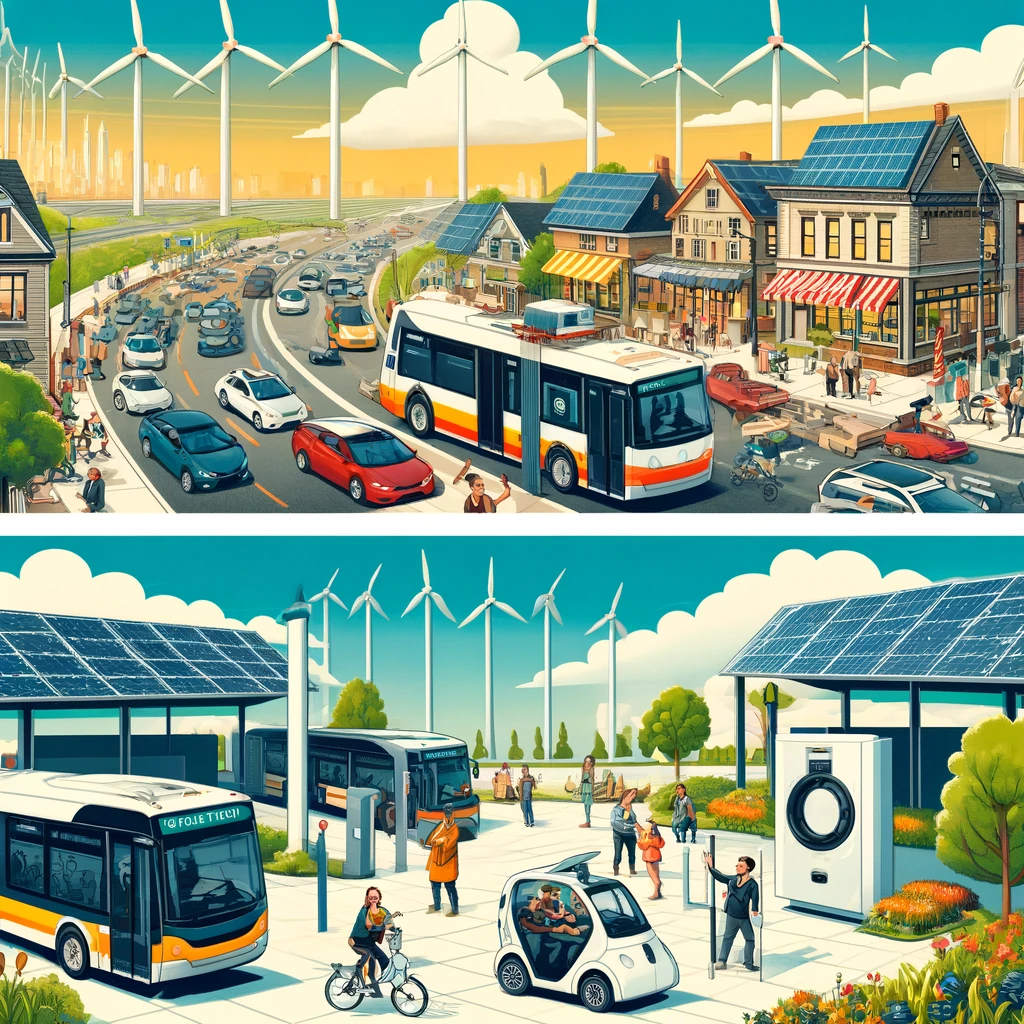
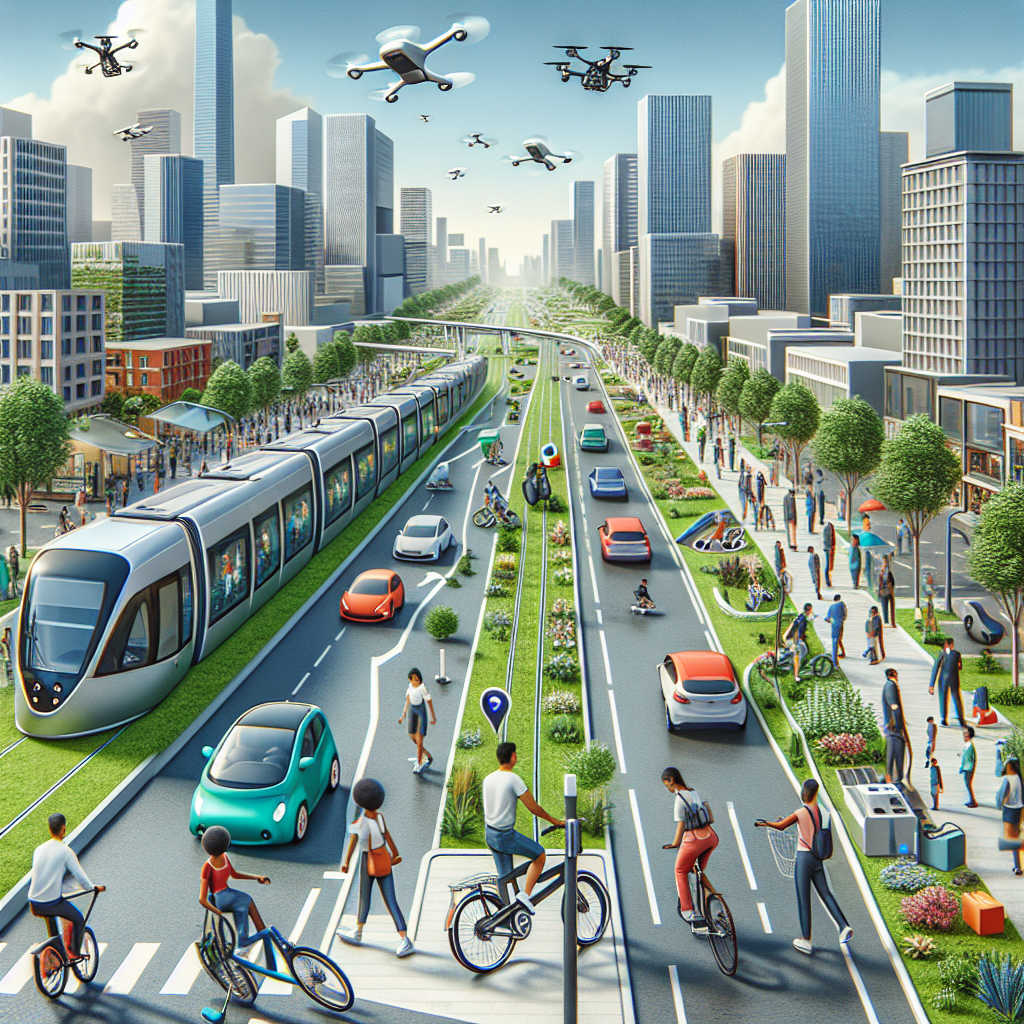
Welcome to our comprehensive guide where we explore the pivotal role education plays in the arena of sustainable urban development. Dive into the multifaceted world of urban sustainability, and discover how informed minds can shape greener, more resilient cities for the future.
Introduction: Understanding Urban Sustainability
In recent years, urban sustainability has become a focal point for city planners, governments, and residents striving for a harmonious blend of environmental, economic, and social well-being. With over 55% of the world’s population residing in urban areas, the balance between development and sustainability is precarious but crucial. Cities are not just expanding in size but also in complexity, leading to significant strain on resources, infrastructure, and the environment. Sustainable urban development aims to address these issues by promoting efficient resource use, reducing pollution, and enhancing quality of life for urban dwellers.
At the heart of this transition towards sustainable cities lies education. Indeed, education is not merely about imparting knowledge but fostering a mindset that values sustainability. When individuals, communities, and leaders are educated about sustainable practices, they are better equipped to implement and support policies that promote long-term sustainability. As a cornerstone of transformation, education can shift perspectives, inspire innovation, and create skilled professionals dedicated to making cities greener and more livable.
This article delves into the various facets of how education influences urban sustainability, its integration into the curriculum, and the ways educational institutions can lead by example. From enhancing individual awareness to shaping policy and urban planning strategies, education’s role is integral and far-reaching.
The Importance of Early Education in Sustainability
The journey towards urban sustainability begins with educating young minds. Introducing sustainability concepts at an early age is crucial for embedding these values into future generations. Children are naturally curious and open to new ideas, making early childhood education an optimal stage to instill principles of environmental stewardship, resource conservation, and community involvement.
Schools can integrate sustainability into their curricula through interactive and engaging methods. Activities such as school gardens, recycling programs, and energy-saving initiatives allow students to see firsthand the impact of sustainable practices. Moreover, incorporating sustainability into subjects like science, geography, and social studies helps students understand the real-world applications of their lessons.
Beyond the classroom, involving students in community projects and local environmental initiatives can deepen their understanding and commitment to sustainability. For instance, partnerships with local NGOs or participation in city-led sustainability projects provide practical experience and foster a sense of responsibility. This early exposure is likely to influence students’ future attitudes and behaviors towards sustainability, nurturing informed citizens who advocate for and practice sustainable living.
Higher Education and Sustainability
Higher education institutions play a critical role in advancing urban sustainability. Universities and colleges not only educate the next generation of leaders, planners, and professionals but also serve as hubs for research, innovation, and policy development. They are in a unique position to lead by example, demonstrating sustainable practices through their operations and campus management.
Many universities have begun integrating sustainability into their curriculum, offering specialized courses, degrees, and certifications focused on environmental science, sustainable development, and urban planning. These programs equip students with the knowledge and skills needed to address complex sustainability challenges. Additionally, interdisciplinary approaches that combine aspects of engineering, economics, sociology, and environmental studies provide a holistic understanding of sustainability issues.
Research conducted within these institutions is invaluable for the advancement of urban sustainability. By exploring new technologies, materials, and methods, academic research can drive significant progress in areas such as renewable energy, sustainable architecture, and waste management. Universities can also influence policy by providing evidence-based recommendations to government bodies and urban planners.
Moreover, colleges and universities often act as microcosms of larger urban systems, where sustainable initiatives can be tested and refined. From energy-efficient buildings and sustainable transportation options to waste reduction programs, the sustainable practices implemented on campuses can serve as models for broader urban applications.
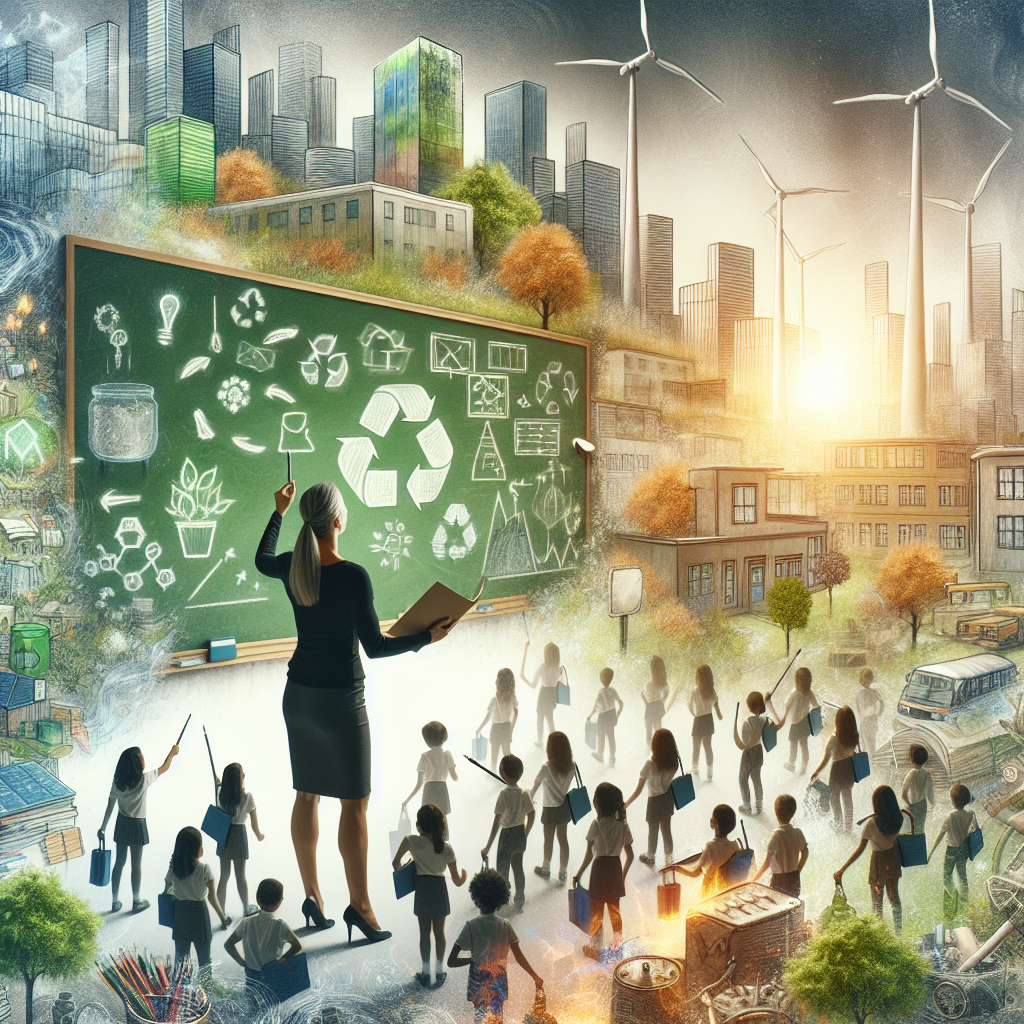
Community Education and Advocacy
Education extends beyond formal institutions, permeating the broader community to effect meaningful change. Community education programs are vital for promoting urban sustainability, as they engage residents in learning about sustainable practices and encourage collective action. These programs can take various forms, such as workshops, public lectures, and community projects, tailored to address the specific needs and challenges of the local urban environment.
One effective approach is to involve community members in participatory planning processes, where they can voice their concerns and contribute ideas for sustainable development initiatives. This not only enhances local knowledge but also fosters a sense of ownership and accountability towards the implemented projects. Engaged and well-informed communities are more likely to support and maintain sustainable practices.
Public awareness campaigns and educational outreach can also play a significant role. Utilizing various media platforms to disseminate information about sustainability can reach a broader audience, making information accessible and actionable. For instance, social media campaigns, informative websites, and local news segments can raise awareness about simple yet impactful actions, such as reducing water and energy consumption, supporting local food systems, and advocating for green spaces.
Moreover, collaborations between local governments, educational institutions, and non-profit organizations can amplify the impact of community education efforts. By pooling resources and expertise, these partnerships can create comprehensive programs that address multiple facets of urban sustainability, from environmental conservation to social equity.
The Role of Technology in Sustainable Education
In the digital age, technology has become an indispensable tool for education, including in the realm of sustainability. Online platforms, software, and applications offer new opportunities for learning and engagement, breaking down traditional barriers of time and geography.
E-learning platforms provide accessible and flexible learning options for students and professionals alike. Courses on sustainability and urban planning can be taken remotely, allowing individuals from different parts of the world to gain valuable knowledge and skills. These platforms often offer interactive features, such as forums and webinars, enabling learners to connect, share ideas, and collaborate on projects.
Furthermore, educational apps and games focused on sustainability can make learning fun and engaging, especially for younger audiences. These tools use gamification techniques to teach essential concepts and encourage the adoption of sustainable habits in everyday life.
Virtual reality (VR) and augmented reality (AR) are emerging technologies with potential educational applications in urban sustainability. These technologies can create immersive experiences, allowing learners to explore sustainable urban environments, witness the impact of different planning decisions, and understand complex systems through a hands-on approach.
Additionally, data analytics and smart technologies can enhance the learning experience by providing real-time feedback and personalized learning paths. For instance, smart classroom technologies can monitor energy usage, resource consumption, and environmental conditions, offering students practical insights into sustainable practices and their outcomes.
Educational Policy and Sustainable Development Goals (SDGs)
Educational policies have a significant impact on the promotion of urban sustainability, particularly when aligned with the United Nations’ Sustainable Development Goals (SDGs). SDG 4 focuses on ensuring inclusive and equitable quality education for all and promoting lifelong learning opportunities. Integrating sustainability into this goal is crucial for achieving other SDGs related to cities, such as SDG 11, which aims to make cities inclusive, safe, resilient, and sustainable.
Governments and educational bodies can influence the adoption of sustainability curricula and practices through their policy frameworks. Mandating the inclusion of sustainability education in national curricula, providing funding for sustainability-focused programs, and supporting teacher training in this area are essential steps.
Additionally, collaborations with international organizations can help align local educational efforts with global standards and best practices. Policies that encourage partnerships between schools, universities, businesses, and communities can foster innovation and ensure that education prepares students to tackle real-world sustainability challenges.
Assessing educational outcomes in terms of sustainability competencies can also drive improvements. Standardized assessments and accreditation systems that value sustainability literacy can motivate institutions to prioritize this aspect of education. Furthermore, recognizing and rewarding schools and educators who excel in promoting sustainability can inspire others to follow suit.
Conclusion: Building a Sustainable Future through Education
The role of education in promoting urban sustainability is multifaceted and far-reaching. From early childhood education to higher learning, from community engagement to leveraging technology and policies, education is the cornerstone of a sustainable urban future. By fostering an informed and proactive populace, education can catalyze the transition toward greener, more resilient cities capable of meeting the challenges of a rapidly urbanizing world.
Investing in sustainability education is an investment in our collective future. It empowers individuals to make informed choices, inspires innovation in sustainable practices, and strengthens communities to work together towards common goals. As we strive to create sustainable cities, the knowledge and values imparted through education will be our guiding light, ensuring that urban development progresses in harmony with environmental stewardship and social well-being.
In conclusion, urban sustainability is not just a target to be achieved but a continuous journey. Education is the compass that will guide us on this journey, equipping us with the skills, knowledge, and mindset needed to navigate the complexities of urban living and build a more sustainable world.
Frequently Asked Questions
1. What is urban sustainability and why is it important?
Urban sustainability refers to the development and management of urban areas in a way that they can sustainably support their populations while minimizing their ecological footprint. It’s about creating cities that are ecologically sound, economically viable, and socially inclusive. The importance lies in the fact that more than half of the world’s population now lives in cities, and this number is continually growing. Ensuring these urban centers can thrive without depleting natural resources or harming the environment is crucial for the well-being of the planet and future generations. Sustainable cities can reduce environmental impacts, improve quality of life, and provide economic opportunities.
2. How does education contribute to sustainable urban development?
Education is pivotal in promoting sustainable urban development. It raises awareness and understanding of sustainability issues, equipping individuals with the knowledge and skills needed to take action towards sustainable solutions. From teaching future city planners and engineers about green building practices to encouraging citizens to adopt more sustainable lifestyles, education fosters informed decision-making. Educating people about urban sustainability can lead to innovative solutions that address the complex challenges cities face, such as waste management, energy efficiency, and public transportation. Schools, universities, and community programs play a vital role in cultivating a culture of sustainability by integrating it into curricula and community initiatives.
3. What are some examples of educational programs that promote urban sustainability?
Numerous educational programs aim to promote urban sustainability, ranging from formal education to community-based initiatives. For instance, universities offer degree programs in urban planning, environmental science, and sustainable development which equip students with practical and theoretical insights into creating sustainable urban environments. Many cities host workshops and seminars focusing on areas like renewable energy, zero-waste living, and sustainable transportation. Community gardens and urban farming projects serve as hands-on educational tools, teaching participants about sustainable agriculture and its role in urban settings. Additionally, online courses and webinars have become popular, providing accessible platforms for individuals to learn about urban sustainability from anywhere in the world.
4. What challenges do educational institutions face in promoting sustainability?
Educational institutions face several challenges in promoting sustainability, including budget constraints, resistance to change, and the integration of sustainability into existing curricula. Many institutions lack financial resources to implement comprehensive sustainability programs or infrastructure, like solar panels or green building renovations. There’s also often resistance from stakeholders who are accustomed to traditional practices and may not see the immediate benefits of sustainable changes. Moreover, effectively integrating sustainability education requires a holistic approach, ensuring it’s woven into different disciplines rather than taught as an isolated subject. Overcoming these challenges requires strong leadership, collaboration across departments, and a commitment to long-term goals.
5. Can education influence policy-making for sustainable urban development?
Absolutely, education can significantly influence policy-making for sustainable urban development. Educated individuals—whether they are citizens, industry professionals, or policymakers—are more likely to advocate for policies that support sustainability. Education fosters critical thinking and problem-solving skills, empowering individuals to assess current policies and propose evidence-based alternatives that address environmental and social challenges. When citizens are informed about the impacts of unsustainable practices, they can campaign for change and hold leaders accountable. Additionally, educational research can provide data and insights that inform policy decisions, ensuring they are grounded in the latest scientific understanding of sustainability issues. Engaging educational institutions in policy discussions can lead to innovative and effective strategies for creating sustainable urban landscapes.