As we navigate the growing demands of urbanization, sustainable urban development has become a key challenge for planners, policymakers, and communities around the world. Balancing the needs of growth with the imperative to nurture and protect our environment is no small feat. Yet, an aspect often overlooked in this conversation is cultural heritage. Cultural heritage encompasses the tangible and intangible legacies of human society—our architecture, traditions, languages, and the shared memory of communities. These legacies play a crucial role in shaping the identity of cities and towns, offering a sense of continuity and place to their inhabitants. Integrating cultural heritage into sustainable urban development can yield benefits that go far beyond mere aesthetics; it nurtures the collective spirit and bolsters socioeconomic resilience.
Urban development that overlooks cultural heritage risks erasing unique identities in favor of homogenized landscapes. Considering that 55% of the global population now lives in urban areas—a figure projected to rise to 68% by 2050—the stakes are high. Recognizing the intrinsic value of cultural heritage can transform the urban development paradigm from one that merely sustains to one that enriches. This transformation requires a deliberate and holistic approach, leveraging cultural assets to promote not only environmental sustainability but also social equity and economic viability. By incorporating cultural heritage into urban planning, cities can foster cohesive, vibrant communities, resilient economies, and environments that honor the past while innovating for the future.
Cultural Heritage and Urban Identity:
Cultural heritage shapes the identity of cities and communities, grounding present inhabitants in a shared history and sense of belonging. Urban identity isn’t just about the physical structures that form the cityscape; it includes the stories, traditions, and experiences that give the city its unique character. For instance, the historical architecture of places like Rome and Kyoto not only attracts tourists but also evokes a sense of pride and continuity among residents. When people feel connected to their history through physical and cultural landmarks, they are more likely to invest in and advocate for their communities.
Maintaining and restoring these cultural assets can serve as a tool for revitalizing neighborhoods, encouraging community involvement, and fostering local pride. By valorizing historical sites and practices, cities can ensure that urban renewal projects have a contemporary relevance that respects historical significance. Adaptive reuse—converting old buildings for new purposes without destroying their inherent cultural value—is a strategy gaining traction worldwide. For example, many industrial areas have been transformed into bustling cultural hubs, workspaces, or residential zones, combining modern functionality with historical charm. This preservation-based development nurtures a diverse urban fabric that is both dynamic and firmly rooted in cultural heritage.
Sustainable Development and Resilience:
Cultural heritage can contribute significantly to the resilience of cities, making them more adaptable and resilient to socio-economic and environmental disruptions. Sustainable urban development goes beyond green spaces and energy-efficient buildings; it includes the ability of a city to withstand and adapt to shocks and stresses. Cultural heritage offers lessons from the past, providing valuable insights into how communities can respond to modern-day challenges, including climate change and urban sprawl. Traditional knowledge and practices, many of which are inherently sustainable, can be integrated into modern urban planning to create more resilient communities.
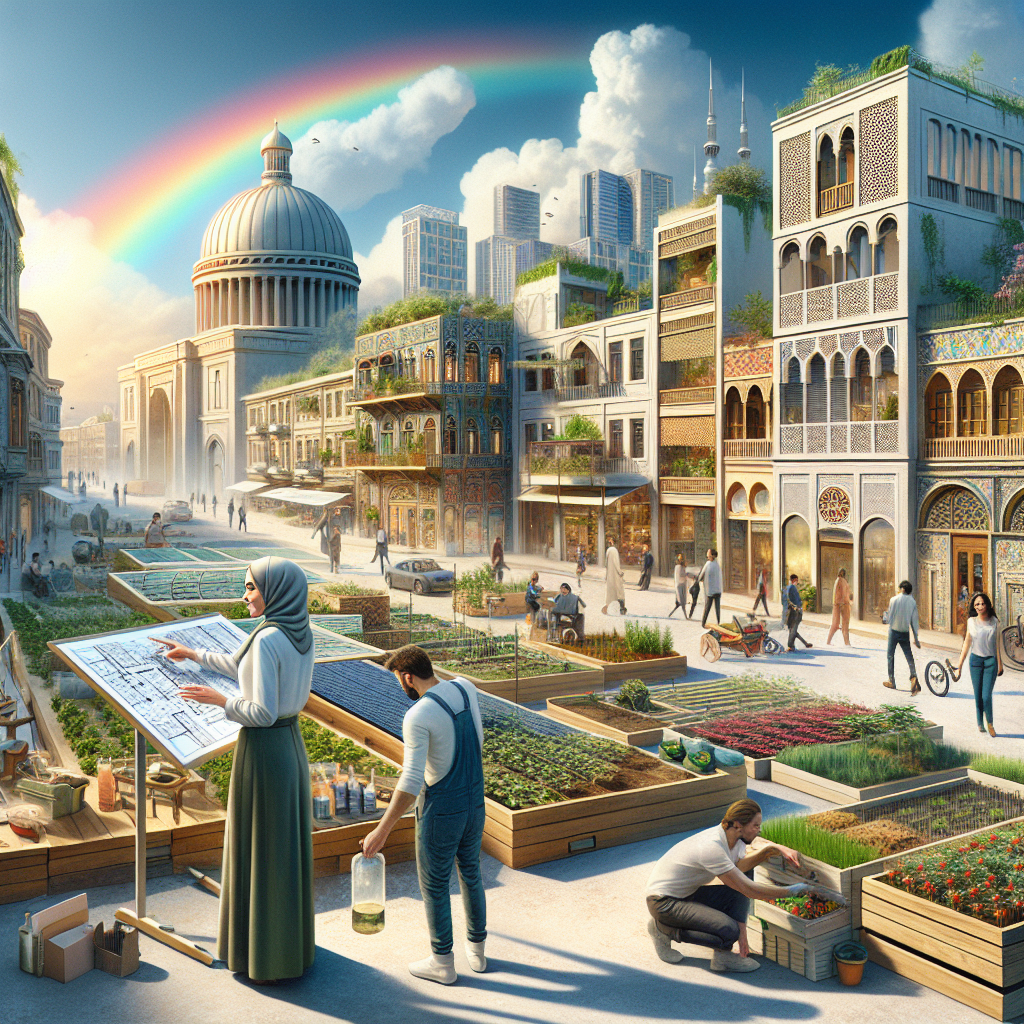
For instance, traditional water management systems in some historical cities have inspired contemporary solutions for sustainable water use. In Venice, ancient techniques for building on water have informed new methods to combat rising sea levels. Similarly, incorporating vernacular architecture—buildings designed using local materials and techniques—can significantly reduce a city’s carbon footprint. By learning from historical precedents, urban planners can develop resilient infrastructures that stand the test of time, reducing the environmental impact and enhancing the livability of urban areas.
Economic Benefits of Heritage Conservation:
Heritage conservation drives economic growth by leveraging cultural assets to attract investment, tourism, and skilled labor. When cities embrace their unique heritage, they can differentiate themselves, drawing tourists who seek authentic experiences and cultural enrichment. This influx of visitors translates into economic benefits for local businesses and can create jobs in various sectors, including hospitality, retail, and cultural management.
Moreover, heritage sites often become focal points for community activities and events, fostering local economies and drawing investment. The adaptive reuse of buildings can spur economic revitalization by transforming underutilized spaces into vibrant centers of commerce and community. Many cities have seen significant economic development through the conservation and celebration of their cultural heritage. For instance, the preservation of historic districts such as the French Quarter in New Orleans or the Alfama district in Lisbon has led to increased property values, tourism income, and a renewed sense of local identity.
Social Equity and Inclusion:
The integration of cultural heritage in urban development promotes social equity and inclusivity by giving voice to diverse communities and preserving their unique histories. In many cities, minority and indigenous groups often face marginalization, with their cultural contributions overlooked or undervalued. Inclusive heritage conservation ensures that all cultural groups have the opportunity to celebrate and preserve their traditions and histories.
Recognizing and integrating cultural heritage fosters a sense of belonging and social cohesion among diverse urban populations. It helps create inclusive public spaces that reflect the multicultural nature of modern cities. For instance, culturally inclusive festivals, art installations, and community projects can bridge gaps between different social groups, promoting mutual respect and understanding. Engaging community members in heritage projects also strengthens their commitment to urban conservation efforts, ensuring that development is both equitable and reflective of the collective history.
Policy and Planning Frameworks:
Effective integration of cultural heritage into sustainable urban development requires supportive policy and planning frameworks. Governments and urban planners must recognize the value of cultural heritage and implement regulations that protect and promote it. This includes legal protections for heritage sites, incentives for conservation, and guidelines for incorporating heritage into new developments.
Public participation is crucial in this process. Engaging local communities in decision-making ensures that urban development respects and reflects their cultural values and needs. For example, participatory planning workshops and public consultations can help gather input from diverse stakeholders, fostering a sense of ownership and accountability. Successful policy frameworks also encourage partnerships between public and private sectors, mobilizing resources and expertise for heritage conservation. By embedding cultural heritage into the very fabric of urban planning, cities can create inclusive, resilient, and sustainable environments.
Conclusion:
The integration of cultural heritage into sustainable urban development is not just a beneficial practice; it is an essential one. Cities that overlook their cultural heritage risk losing a part of what makes them unique and vibrant. By recognizing the value of cultural heritage, urban planners and policymakers can create environments that are not only sustainable but also rich in history, identity, and community spirit.
Cultural heritage offers a wealth of benefits, from economic growth to social cohesion and environmental resilience. Its conservation and integration into urban development require thoughtful planning, robust policy frameworks, and community participation. By doing so, cities can ensure that their development is truly sustainable, honoring the past while innovating for the future.
Ultimately, the role of cultural heritage in sustainable urban development extends beyond preserving the past; it is about building a sustainable future rooted in a shared identity and collective memory. As we strive to create sustainable cities, let us remember that our cultural heritage is not a relic of the past to be relegated to history books, but a living, dynamic force that shapes our present and guides our future.
Frequently Asked Questions
1. What is the role of cultural heritage in sustainable urban development?
Cultural heritage plays a pivotal role in sustainable urban development as it acts as a crucial link between the past, present, and future of a community. It includes buildings, monuments, landscapes, traditions, and more, which help shape a city’s identity. Incorporating cultural heritage into urban development plans can encourage a sense of pride and belonging among residents, promoting social cohesion. Furthermore, heritage conservation supports sustainable economic growth by attracting tourism and providing jobs connected to cultural preservation efforts. By integrating culturally significant elements into new developments, cities can create a more inclusive environment that respects the history and values of its inhabitants while paving the way for a vibrant future.
2. How can cultural heritage enhance the quality of life in urban areas?
Cultural heritage significantly enhances the quality of life by fostering a sense of identity and continuity in urban environments. It brings beauty and uniqueness to cityscapes, offering residents and visitors a rich tapestry of architectural styles, public spaces, and artistic expressions. Heritage sites and practices provide opportunities for cultural engagement and education, which contribute to an enriched community life. Moreover, preserving cultural heritage can improve urban aesthetics and create spaces that promote well-being, belonging, and social interaction. By maintaining our cultural roots, cities can cultivate diverse and thriving public spaces that stand the test of time.
3. Why is integrating cultural heritage into urban planning important?
Integrating cultural heritage into urban planning is essential for fostering development that respects and enriches historical contexts. By considering cultural heritage, planners can ensure that new developments complement and enhance existing cultural assets rather than erode them. This approach helps maintain the character and appeal of cities, making them more attractive to residents, tourists, and investors alike. Cultural heritage integration also encourages innovative urban designs that blend modern needs with historical significance, creating sustainable solutions that honor the past while accommodating future growth. Moreover, engaging local communities in the planning process enhances public support and ownership, ensuring that urban development aligns with communal values and aspirations.
4. What challenges do urban areas face when preserving cultural heritage?
Urban areas encounter several challenges when attempting to preserve cultural heritage. Rapid urbanization and population growth often place pressure on historical sites, leading to potential neglect or destruction if not managed correctly. Balancing development needs with preservation efforts requires careful planning and resources, which can be difficult to secure amid competing priorities. Additionally, the need for modernization and infrastructure improvements can threaten cultural assets if not approached sensitively. Budget constraints, lack of awareness, and inadequate legal frameworks can further complicate preservation efforts. Addressing these challenges requires collaborative efforts between governments, stakeholders, and communities to develop policies that prioritize and protect cultural heritage within sustainable urban development plans.
5. How can communities play a role in preserving their cultural heritage within urban settings?
Communities are vital in preserving cultural heritage, as they are the custodians of their unique historical and cultural identities. Active community participation can drive heritage preservation by fostering local support, raising awareness, and advocating for protective measures. Communities can engage in documentation and promotion of cultural practices, organizing events, and education programs that highlight the importance of heritage. Additionally, they can collaborate with local governments and organizations to develop strategies that incorporate heritage conservation into urban planning. Volunteer initiatives, partnerships, and grassroots movements can also mobilize resources and influence policy, ensuring that cultural heritage remains a priority in sustainable urban development efforts. By championing their heritage, communities ensure the continuity of their cultural legacies for future generations.