The landscape of urban development is undergoing rapid transformation. With increasing urbanization, the need for sustainable urban development has never been more critical. Cities are not just centers of economic growth and innovation; they are also at the frontlines of environmental impact. Sustainable urban development aims to create urban environments that are economically viable, socially inclusive, and environmentally sustainable.
At the core of this transformation is the future of work. As technology advances and societal values shift, the nature of work is evolving. Remote work, co-working spaces, and the gig economy are changing the dynamics of how and where people work. These changes are influencing how cities are designed, built, and managed. Sustainable urban development is no longer a choice but a necessity, and understanding its implications on the future of work is crucial for planners, policymakers, and businesses alike.
This article delves into the essence of sustainable urban development, the changing nature of work, and how these two aspects are interlinked. By exploring successful models and future trends, we aim to provide a comprehensive understanding that can help stakeholders design strategies for a sustainable and economically viable urban future.
Defining Sustainable Urban Development
Sustainable urban development focuses on creating urban spaces that meet the needs of the present without compromising the ability of future generations to meet their own needs. It involves a holistic approach to planning and building cities that balance economic growth, social equity, and environmental protection.
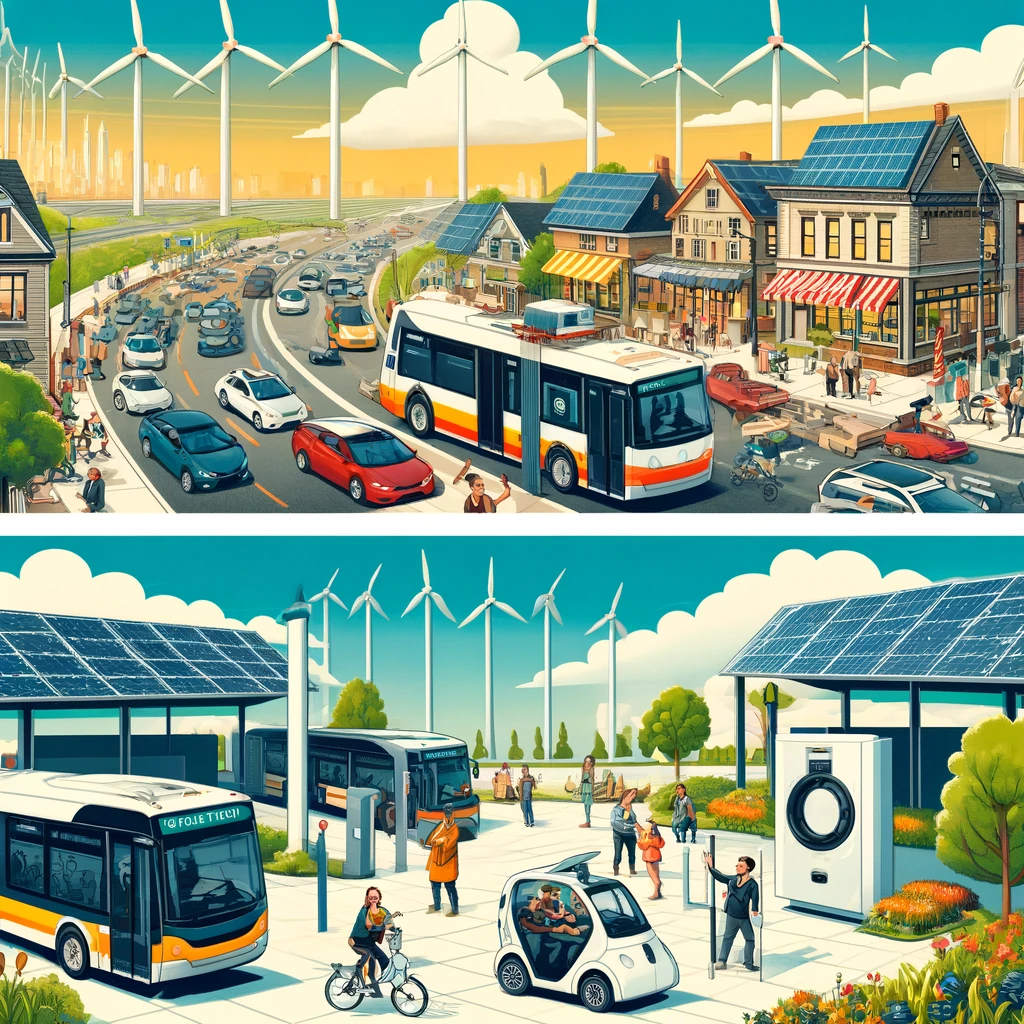
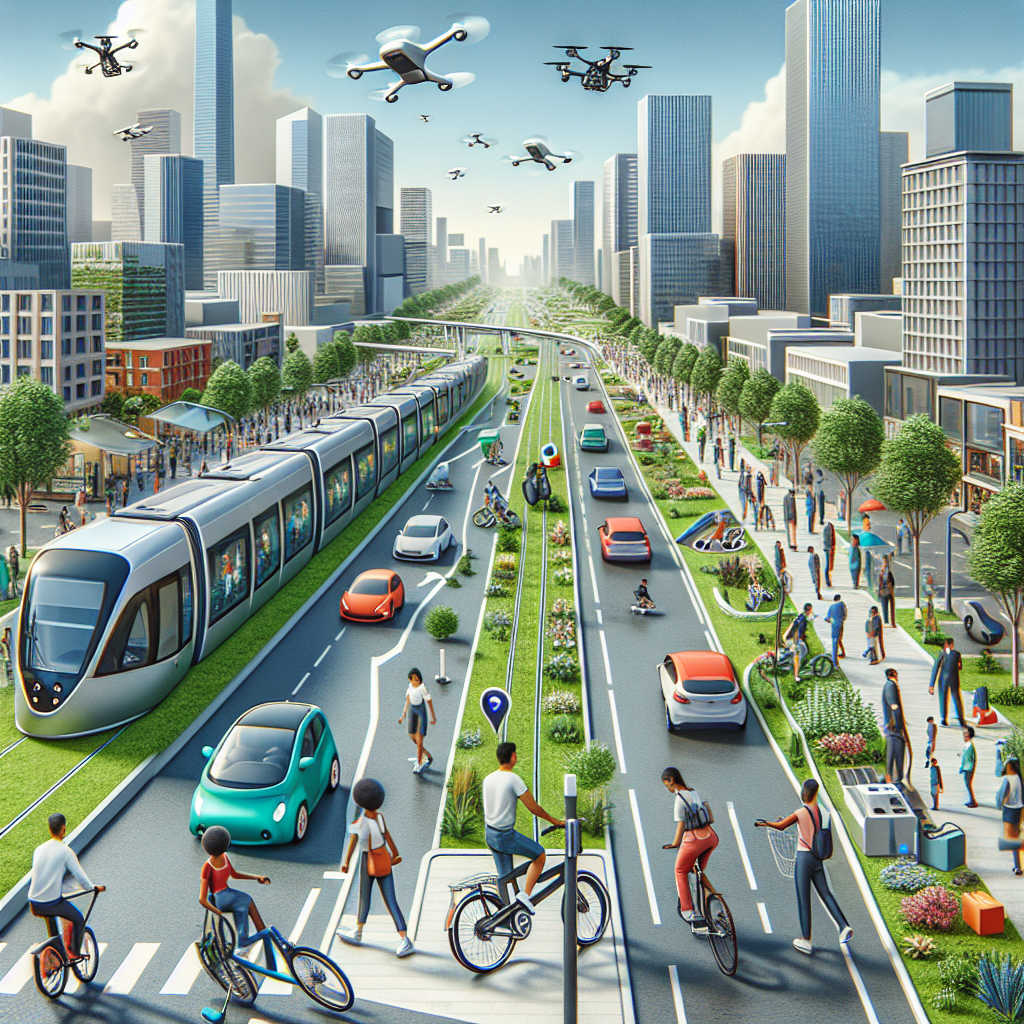
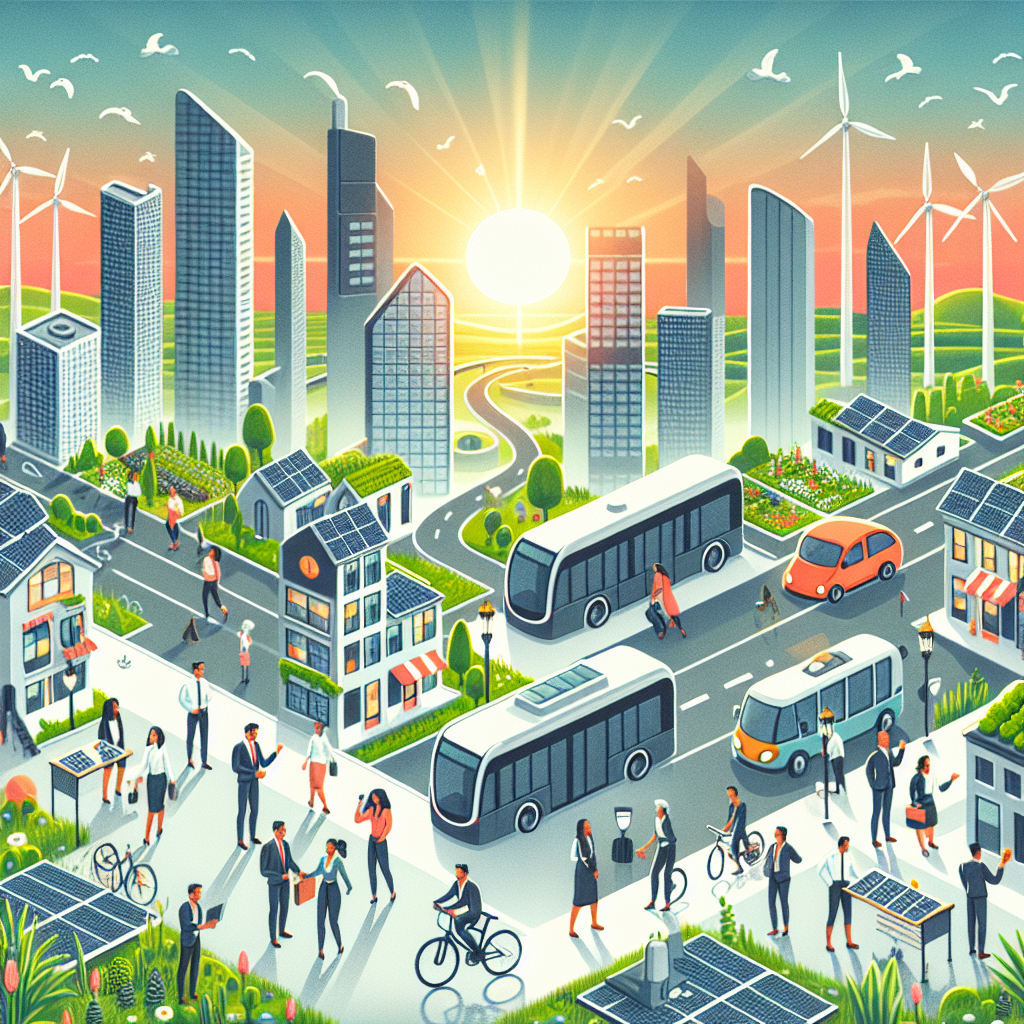
The key components of sustainable urban development include energy efficiency, waste management, transportation, green spaces, and affordable housing. For example, incorporating renewable energy sources such as solar panels and wind turbines into urban design can significantly reduce a city’s carbon footprint. Similarly, developing efficient public transport systems can alleviate traffic congestion and reduce air pollution.
Another critical aspect is social inclusion, which ensures that urban development benefits all members of society. This can be achieved through policies that promote affordable housing, accessible public spaces, and community engagement in the planning process. Successful sustainable urban development requires collaboration between governments, private sector entities, and civil society to create a shared vision for a sustainable future.
The Evolving Nature of Work
The nature of work is rapidly evolving, influenced by technological advancements, globalization, and shifting social values. Remote work, freelancing, and the gig economy are becoming increasingly prevalent, challenging traditional notions of employment and workplace environments.
Remote work, accelerated by the COVID-19 pandemic, has proven to be a viable option for many industries. It allows employees to work from anywhere, reducing the need for large office spaces and daily commutes. This shift has significant implications for urban development, as it reduces traffic congestion, lowers carbon emissions, and changes the demand for commercial real estate.
Co-working spaces are another trend reshaping the future of work. These spaces provide flexible work environments that cater to freelancers, startups, and remote workers. Co-working spaces foster collaboration, innovation, and community, aligning well with the principles of sustainable urban development. By repurposing existing buildings into co-working spaces, cities can reduce the environmental impact of new construction while supporting a diverse workforce.

Interlinking Sustainable Urban Development and the Future of Work
The future of work and sustainable urban development are deeply interconnected. As the nature of work changes, so does the way cities are designed and managed. Planners and developers must consider these shifts to create urban environments that support new work models while promoting sustainability.
For instance, the rise of remote work reduces the need for extensive office spaces, paving the way for mixed-use developments. These developments combine residential, commercial, and recreational spaces, creating vibrant communities where people can live, work, and play. Mixed-use developments minimize the need for long commutes, reducing traffic congestion and lowering carbon emissions.
Moreover, the increasing popularity of co-working spaces supports the creation of adaptable buildings. These spaces can be easily reconfigured to meet the changing needs of the workforce, promoting resource efficiency and reducing waste. By integrating green building practices and sustainable technologies, co-working spaces can further enhance their environmental performance.
Case Studies: Successful Models of Sustainable Urban Development and Work
Several cities worldwide have pioneered successful models of sustainable urban development that align with the evolving nature of work. These examples provide valuable insights and inspiration for other cities aiming to achieve similar goals.
One notable example is Copenhagen, Denmark. The city has implemented extensive bike lanes, efficient public transportation, and renewable energy initiatives, making it one of the world’s most sustainable cities. Copenhagen’s focus on bike-friendly infrastructure reduces traffic congestion and promotes a healthier lifestyle. Additionally, the city’s emphasis on renewable energy, such as wind power, significantly reduces its carbon footprint.
Another example is Singapore, known for its innovative urban planning and green building practices. The city-state has incorporated vertical gardens, green roofs, and smart technologies into its urban design. The Marina Bay Sands complex, with its iconic green spaces and sustainable architecture, exemplifies Singapore’s commitment to sustainability. The city also promotes a diverse economy with a strong focus on technology and innovation, aligning with the future of work.
Challenges and Opportunities
While the shift towards sustainable urban development and the evolving nature of work presents numerous opportunities, it also comes with challenges. One major challenge is ensuring that the benefits of sustainable development are accessible to all members of society. Affordable housing, equitable access to public spaces, and inclusive policies are essential to avoid exacerbating existing social inequalities.
Another challenge is the financing of sustainable urban development projects. These projects often require significant investments, and securing funding can be difficult, especially for cities with limited resources. Public-private partnerships and innovative financing models, such as green bonds, can help bridge this gap and facilitate the implementation of sustainable initiatives.
Moreover, the rapid pace of technological advancements necessitates continuous adaptation. Urban planners and policymakers must stay abreast of emerging trends and technological innovations to effectively integrate them into sustainable urban development strategies. This requires a proactive approach and close collaboration with stakeholders from various sectors.
Conclusion
The convergence of sustainable urban development and the future of work is reshaping the fabric of our cities. As the nature of work continues to evolve, cities must adapt to these changes by adopting sustainable and innovative urban development practices. By embracing principles such as energy efficiency, social inclusion, and green building, urban environments can become more resilient, equitable, and environmentally friendly.
Successful examples from cities like Copenhagen and Singapore demonstrate that sustainable development is achievable and can lead to vibrant, thriving communities. However, addressing the challenges of equitable access, financing, and technological adaptation is crucial for widespread implementation. Collaborative efforts between governments, private sector entities, and civil society will be key to realizing the vision of sustainable and adaptable urban futures.
The future of work and sustainable urban development are intrinsically linked. By understanding and addressing their interconnections, we can create cities that not only accommodate the changing work landscape but also promote a higher quality of life for all residents. As we move forward, the commitment to sustainability will be essential in fostering innovative, inclusive, and resilient urban environments.
Frequently Asked Questions
What is sustainable urban development?
Sustainable urban development is an approach to city planning and growth that seeks to balance economic viability with social inclusivity and environmental sustainability. As cities grow, it’s critical to manage this expansion in ways that reduce ecological footprints, promote resources efficiency, and enhance the quality of life for all residents. This means integrating aspects like public transportation, green spaces, and energy-efficient buildings to create self-supporting ecosystems within urban settings. By focusing on these aspects, urban planners and policymakers aim to develop cities that not only thrive economically but also provide a better living environment for future generations.
Why is sustainable urban development more important now than before?
The urgency for sustainable urban development has increased as we are experiencing unprecedented urbanization. More people now live in cities than at any other time in history, leading to challenges related to overcrowding, pollution, and resource depletion. Urban areas are the largest contributors to greenhouse gas emissions, and their rapid expansion often results in habitat destruction and biodiversity loss. Sustainable urban development is essential because it addresses these issues by promoting efficient infrastructure, green technology, and renewable resources to support burgeoning populations. Furthermore, it encourages smarter land use, reducing urban sprawl and enabling cities to grow upward rather than outward, conserving natural areas and farmland.
How does sustainable urban development influence the future of work?
The relationship between sustainable urban development and the future of work is multifaceted. As cities transform to become more sustainable, the types of jobs available and work environments will also change. This includes an increased demand for green innovation roles, such as those in renewable energy sectors, smart city technology, urban agriculture, and sustainability consultancy. Workplaces will likely become more flexible, with a higher emphasis on remote work and co-working spaces, reducing the need for commuting and decreasing transportation emissions. As cities grow, the focus will also be on creating jobs that support diversity and inclusivity, enhancing employment opportunities for all demographics and ensuring that the workforce reflects the vibrancy and variety of the communities they serve.
What are some examples of sustainable practices cities can implement?
Cities can adopt numerous sustainable practices to reduce their environmental impact while supporting their residents efficiently. These include increasing the development and use of public transportation systems, which reduce traffic congestion and pollution. The integration of bike lanes and pedestrian-friendly pathways also encourages healthier, eco-friendly travel options. Implementing green building codes that require sustainable materials and energy-efficient designs is another critical strategy. Additionally, urban centers can invest in wastewater management systems, promote urban agriculture to enhance food security, and incentivize the transition to renewable energy sources such as solar and wind. Beyond infrastructures, fostering community awareness about sustainability and offering education on environmentally friendly practices is equally vital to achieving long-term success.
What challenges must cities overcome to achieve sustainable urban development?
Transitioning to sustainable urban development poses several challenges that cities must navigate. One of the primary obstacles is financial constraints; implementing sustainable infrastructures often requires substantial initial investments that not all cities can afford. Urban areas also face resistance from industries and businesses accustomed to traditional growth models and may struggle with regulatory hurdles that slow down the adoption of new technologies and practices. Moreover, ensuring inclusivity in sustainable urban development can be challenging, as disadvantaged communities may not equally reap the benefits due to socioeconomic barriers. Additionally, cities must address the issues of data privacy and cybersecurity associated with smart city technologies—balancing the need for connectivity with citizen privacy. To overcome these challenges, collaborative governance models that include multiple stakeholders, robust public-private partnerships, and community engagement are crucial.