Sustainable urban development is a multi-faceted and urgent imperative for cities worldwide as they grow and cope with various environmental stresses. As urban areas expand, they face numerous challenges, including climate change, resource depletion, rapid population growth, and environmental degradation. In the contemporary world, these challenges are compounded by the rising frequency and intensity of natural disasters. Effective urban planning, therefore, must incorporate principles of sustainability and resilience. The integration of disaster risk reduction (DRR) strategies into sustainable urban development is not just beneficial but crucial for creating cities that are safe, livable, and thriving. This article aims to explore the intersections between sustainable urban development and disaster risk reduction, elucidating how urban planners, policymakers, and communities can work collaboratively to build resilient urban environments. The necessity of addressing climate change and disaster risk reduction within urban planning cannot be overstated. The increased occurrence of extreme weather events such as hurricanes, floods, and wildfires directly impacts cities, their economies, and their inhabitants. Urban planners and governments face the dual challenge of accommodating growth while transforming cities into havens of sustainability and safety. Efforts towards sustainable development will be rendered futile if they fail to account for the risks posed by natural disasters. This in-depth discourse will traverse the importance of integrating sustainability and resilience into urban planning. It will also detail actionable strategies that urban areas can adopt to mitigate disaster risks while promoting sustainable development. From green infrastructure and sustainable building practices to community-based DRR initiatives and robust policy frameworks, the synergy between sustainable development and disaster risk reduction will serve as the cornerstone of future urban resilience.
Understanding Sustainable Urban Development
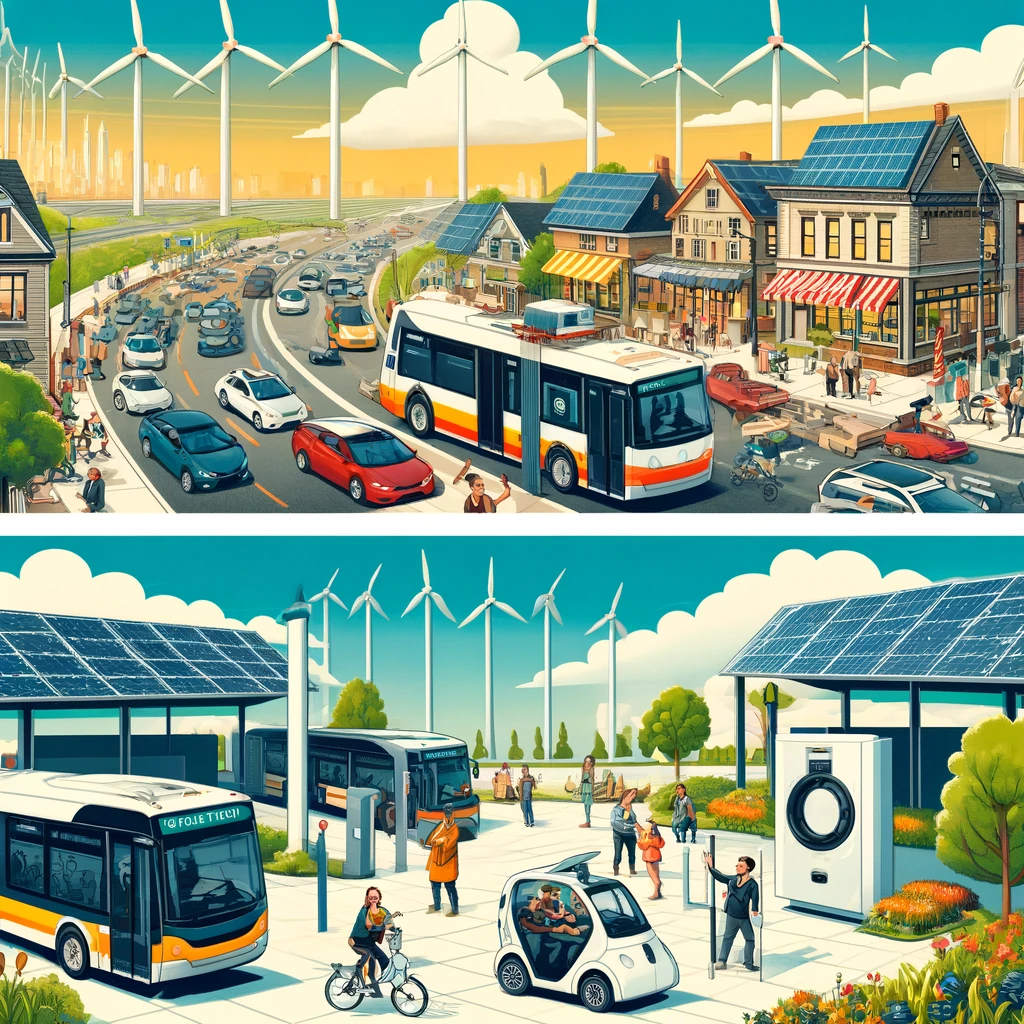
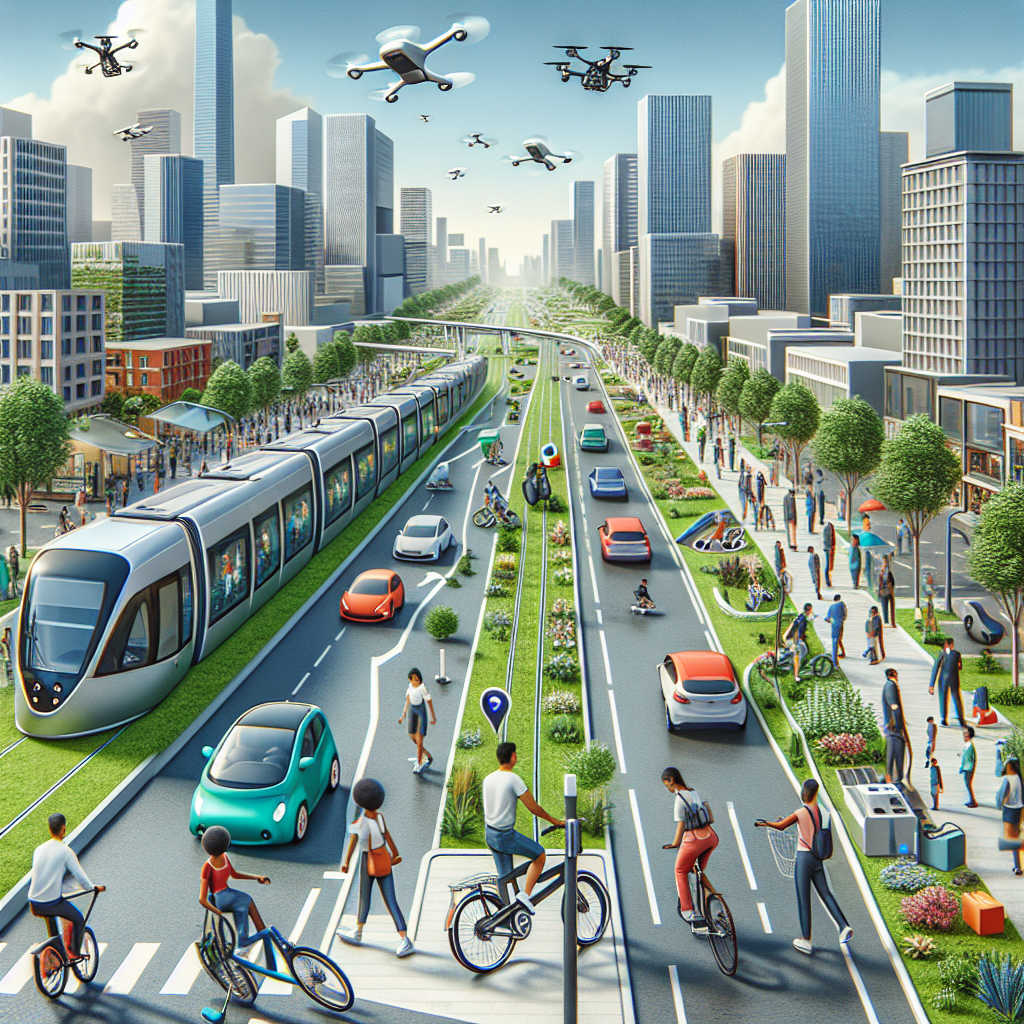
Sustainable urban development refers to the process of designing, building, and managing cities in ways that prioritize environmental integrity, social equity, and economic viability. The goal is to create urban environments that can support the needs of their current inhabitants without compromising the ability of future generations to meet their own needs. Sustainable urban development encompasses various dimensions, including sustainable transportation, energy-efficient buildings, green spaces, waste management, and the promotion of inclusive communities. These elements are critical in reducing the environmental footprint of urban areas. Cities need to adopt eco-friendly transportation solutions like electric buses and bike-sharing programs. Energy-efficient buildings not only reduce energy consumption but also lower greenhouse gas emissions. Green spaces are the lungs of cities, providing essential ecosystem services, enhancing biodiversity, and improving the quality of life for residents. Effective waste management practices minimize pollution, recycle materials, and promote a circular economy. Inclusive communities ensure that all residents, regardless of socioeconomic status, have access to the benefits of urban life. Incorporating these sustainability principles into urban development can help mitigate some of the impacts of climate change and resource depletion. However, such efforts must be complemented by robust disaster risk reduction strategies to build truly resilient cities.
The Need for Disaster Risk Reduction (DRR)
Disaster Risk Reduction (DRR) involves strategies and practices designed to minimize vulnerabilities and disaster risks throughout society. It encompasses a wide range of activities aimed at preventing new risks, reducing existing risks, and strengthening community resilience against disasters. Integrating DRR into sustainable urban development is essential for several reasons. First, urban areas are often hotspots for disasters due to their population density, economic activities, and infrastructure. The impact of natural disasters in urban settings can be devastating, leading to loss of lives, property damage, economic disruption, and long-term social consequences. These disasters do not affect all residents equally. Vulnerable populations, including low-income communities, elderly individuals, and marginalized groups, often bear the brunt of disaster impacts. Ensuring that sustainability efforts are intertwined with DRR can help protect these groups and build more equitable urban environments. DRR strategies include risk assessments, early warning systems, resilient infrastructure design, and community engagement. By identifying and addressing potential risks, cities can plan more effectively and implement measures to mitigate disaster impacts. For instance, flood-prone areas can benefit from improved drainage systems, while regions susceptible to earthquakes can enforce stringent building codes to enhance structural resilience. Ultimately, disaster risk reduction should be an integral component of sustainable urban development. It ensures that cities are not only environmentally sustainable and socially inclusive but also capable of withstanding and recovering from natural hazards.
Green Infrastructure and Resilient Cities
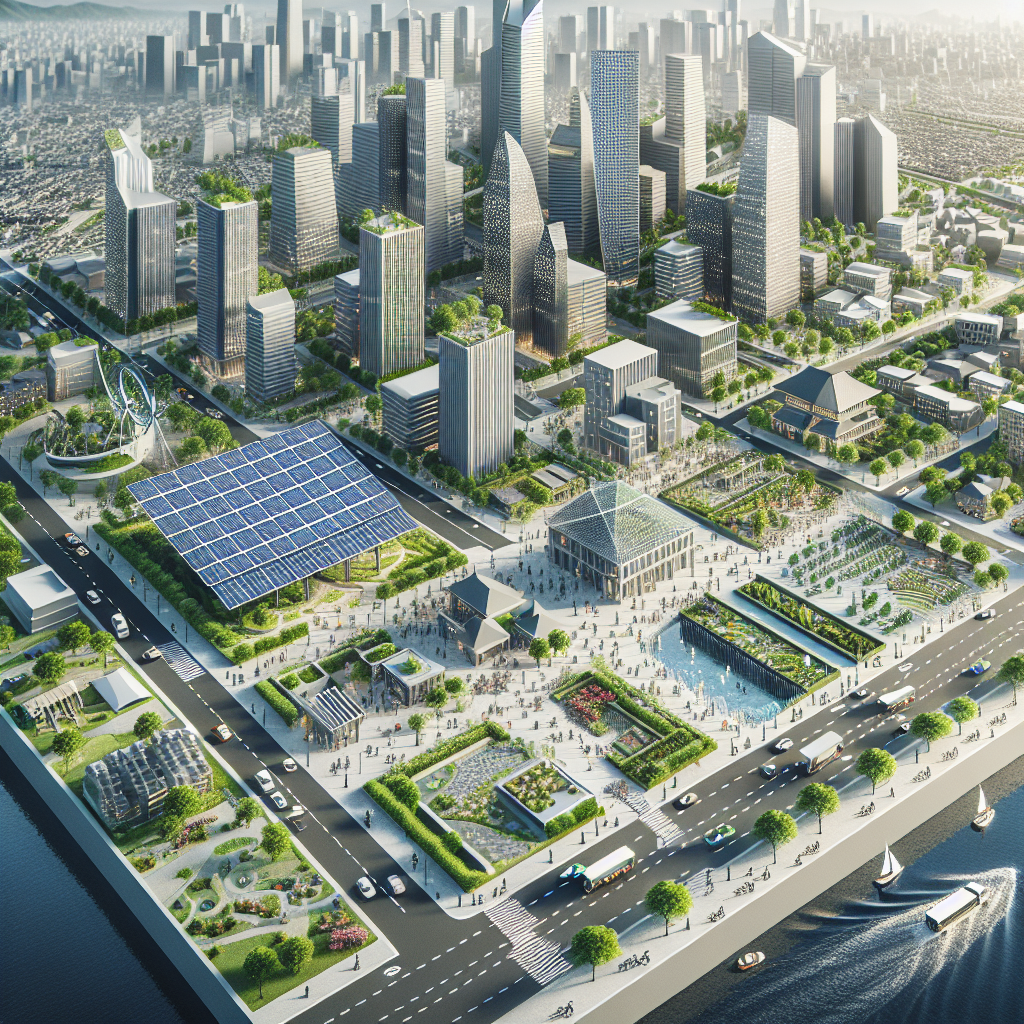
Green infrastructure refers to a network of natural and semi-natural systems that provide environmental, social, and economic benefits. In the context of urban development, green infrastructure includes parks, green roofs, wetlands, urban forests, and permeable pavements. These features contribute to sustainable urban development by enhancing biodiversity, improving air and water quality, and providing recreational spaces. Green infrastructure also plays a critical role in disaster risk reduction. For instance, urban forests and green roofs can help mitigate the urban heat island effect, reducing the impact of heatwaves. Wetlands and permeable pavements can absorb excess rainwater, reducing the risk of flooding. By incorporating green infrastructure into urban planning, cities can enhance their resilience to various climate-related hazards. The benefits of green infrastructure extend beyond environmental resilience. Green spaces can promote physical and mental well-being, foster social cohesion, and increase property values. They also provide habitats for wildlife, contributing to urban biodiversity. To maximize the benefits of green infrastructure, cities should prioritize the incorporation of green spaces into all aspects of urban planning. This includes retrofitting existing urban areas with green features and ensuring that new developments include green infrastructure from the outset. By doing so, cities can build more resilient, sustainable, and livable urban environments.
Sustainable Building Practices
Sustainable building practices are essential for reducing the environmental impact of urban development and enhancing disaster resilience. These practices include the use of energy-efficient materials, renewable energy sources, and sustainable construction techniques. Energy-efficient buildings can reduce greenhouse gas emissions and lower energy costs for residents. Features such as improved insulation, energy-efficient windows, and smart building systems can significantly reduce energy consumption. Renewable energy sources, such as solar panels and wind turbines, can further reduce the reliance on fossil fuels. Sustainable construction techniques focus on minimizing waste, using recycled materials, and reducing water consumption. These practices can help reduce the environmental footprint of new developments and promote more sustainable use of resources. In the context of disaster risk reduction, sustainable building practices also include designing structures that can withstand natural hazards. This may involve incorporating earthquake-resistant materials, designing flood-resistant foundations, and implementing fire-resistant building techniques. By adopting these practices, cities can ensure that their buildings are not only environmentally sustainable but also resilient to disasters. Promoting sustainable building practices requires collaboration between government agencies, developers, architects, and the community. It involves setting and enforcing building codes and standards, providing incentives for sustainable construction, and raising awareness about the benefits of sustainable building practices.
Community-Based DRR Initiatives
Community-based disaster risk reduction (DRR) initiatives involve engaging communities in the planning and implementation of strategies to reduce disaster risks. These initiatives recognize that local communities are often the first responders in emergencies and have valuable knowledge and resources that can enhance disaster resilience. Community-based DRR initiatives include participatory risk assessments, community education and training, and the establishment of community emergency response teams. These initiatives empower communities to identify and address local risks, develop emergency plans, and build local capacity for disaster response and recovery. Participatory risk assessments involve engaging community members in identifying hazards, vulnerabilities, and capacities. This process helps to ensure that DRR strategies are tailored to the specific needs and priorities of the community. Community education and training programs can raise awareness about disaster risks and provide residents with the skills and knowledge needed to respond effectively in emergencies. Community emergency response teams (CERTs) are groups of volunteers trained to assist in disaster response and recovery efforts. These teams can provide critical support in the immediate aftermath of a disaster, including search and rescue, first aid, and distribution of relief supplies. By involving communities in DRR initiatives, cities can build more resilient and cohesive communities. These initiatives also promote a sense of ownership and responsibility for disaster resilience, enhancing the overall effectiveness of DRR strategies.
Policy Frameworks and Governance
The successful integration of sustainable urban development and disaster risk reduction requires robust policy frameworks and effective governance. Governments at all levels play a crucial role in setting the direction for urban development and DRR through policies, regulations, and incentives. National and local governments must develop and implement comprehensive policies that promote sustainable urban development and incorporate disaster risk reduction. These policies should be based on thorough risk assessments and include clear guidelines and standards for sustainable construction, land use planning, and environmental protection. Effective governance also involves collaboration between different levels of government, as well as with the private sector, non-governmental organizations, and the community. This multi-stakeholder approach ensures that diverse perspectives and expertise are included in the planning and implementation of sustainable and resilient urban development strategies. Incentives can play a significant role in encouraging sustainable practices and enhancing disaster resilience. Governments can offer financial incentives, such as tax credits and grants, to encourage the adoption of green building practices and the development of green infrastructure. They can also provide support for community-based DRR initiatives and capacity-building programs. Transparency and accountability are essential for effective governance. Governments should ensure that policies and decisions are made in a transparent manner, with opportunities for public participation and input. This helps to build trust and ensures that DRR and sustainability efforts are responsive to the needs and priorities of the community. By establishing robust policy frameworks and fostering effective governance, cities can create a supportive environment for sustainable urban development and disaster risk reduction. This, in turn, contributes to the creation of resilient, sustainable, and inclusive urban environments.
Conclusion
Sustainable urban development and disaster risk reduction are inherently interconnected and mutually reinforcing. As cities continue to grow and face the increasing challenges of climate change and natural disasters, it is imperative that urban planners, policymakers, and communities work together to integrate sustainability and resilience into all aspects of urban development. Green infrastructure, sustainable building practices, community-based DRR initiatives, and robust policy frameworks are all critical components of this integrated approach. By prioritizing these elements, cities can reduce their environmental impact, enhance their resilience to disasters, and create more livable and equitable urban environments. The integration of sustainable urban development and disaster risk reduction is not only a practical necessity but also a moral imperative. It ensures that cities can continue to thrive while protecting the well-being of current and future generations. By committing to this integrated approach, cities can lead the way in creating a sustainable and resilient future for all.
Frequently Asked Questions
1. What is Sustainable Urban Development and why is it important for cities today?
Sustainable urban development is a strategic approach to designing and managing urban areas in a way that addresses the environmental, social, and economic challenges they face. It’s an integrated method to ensure that cities can accommodate growing populations without depleting natural resources, increasing pollution, or exacerbating social inequality. Today, as urban areas are expanding at unprecedented rates, they face heightened challenges due to climate change, resource scarcity, and rapid population influx. Urban development that is sustainable ensures that future generations can enjoy a high quality of life, with access to clean water, air, energy, and public transportation. Moreover, it helps in balancing the ecological footprint of cities with the need for socio-economic growth. In regions prone to natural calamities, sustainable urban development incorporates disaster risk reduction, which is vital in mitigating damages and fosters resilience against potential hazards.
2. How does sustainable urban development integrate disaster risk reduction strategies?
Disaster Risk Reduction (DRR) is an essential element of sustainable urban development, focusing on minimizing vulnerabilities and disaster risks in urban planning and management. Cities that integrate DRR strategies design infrastructure and policies aimed at reducing the impact of disasters such as floods, earthquakes, and storms. These measures include enhancing building codes to ensure that structures can withstand natural disasters, developing green infrastructure like parks and wetlands that help in water absorption during floods, and planning communities in geographically safe areas to limit exposure to hazards. Additionally, sustainable urban development emphasizes the importance of data-driven risk assessment and community participation, ensuring that local populations are educated and prepared for potential disasters. Enabling technology and innovation also play a significant role, with IoT devices and data analytics helping to predict and manage disasters more effectively, ultimately protecting lives and assets.
3. What are the key components of a sustainable urban development plan?
A comprehensive sustainable urban development plan comprises several key components, all of which interact to create robust, resilient urban environments. The focal elements include sustainable land use planning, which dictates optimal land distribution to balance urban expansion and ecological conservation. Transportation planning that prioritizes public transit, cycling, and walking over car dependency reduces emissions and enhances city livability. Incorporating green building practices and renewable energy solutions aims to lessen the carbon footprint of urban development. Water and waste management systems designed to recycle and minimize resource use are also central to the plan. Moreover, integrating smart city technologies helps in resource management and urban services optimization. Lastly, a sustainable urban development plan must engage communities, ensuring that local stakeholders are part of decision-making processes, which fosters greater social coherence and adaptability to policies aimed at reducing disaster risks and promoting sustainability.
4. How can cities balance rapid urbanization with the need for sustainable development?
Balancing rapid urbanization with sustainable development requires a strategic approach that involves forward-thinking policies and practices. Cities need to embrace smart growth principles that promote compact, efficient, and inclusive urban expansion to manage space and resources effectively. Implementing mixed-use developments allows for residential, commercial, and recreational spaces to coexist, reducing the need for extensive travel and preserving natural landscapes. Cities should invest in innovative technologies, such as smart grids and renewable energy systems, to reduce their ecological footprint. Moreover, enhancing public transportation systems and non-motorized transit options lessen congestion and pollution. Funding green infrastructure projects, such as urban forests and green spaces, not only mitigates urban heat and flooding risks but also improves the quality of life for citizens. It’s crucial that cities involve local communities in planning processes to ensure that urban growth aligns with the social, economic, and environmental aspirations of residents, thus achieving sustainable development objectives even amidst rapid urban expansion.
5. What role do governments and policy-makers play in promoting sustainable urban development and disaster risk reduction?
Governments and policymakers play a pivotal role in steering sustainable urban development and incorporating disaster risk reduction within urban planning frameworks. By establishing regulations and standards around sustainable construction practices and resource use, they set critical benchmarks for urban developers and communities. Governments can incentivize sustainable practices through subsidies, tax benefits, and grants, encouraging the use of renewable energy and eco-friendly technologies. They are responsible for implementing robust land-use plans to ensure the efficient allocation of space for housing, industry, and green areas. Furthermore, policymakers must devise comprehensive disaster management plans, including early warning systems and emergency response strategies, to minimize the impact of natural disasters. Ensuring community participation and transparency in decision-making processes helps build resilient urban areas equipped to tackle the challenges of the future. Additionally, governments must engage in public-private partnerships, leveraging resources and expertise from various sectors to bolster sustainability and resilience in urban development efforts.