In a world grappling with rapid urbanization, sustainable urban housing design has emerged as a pivotal conversation. As city populations swell, the need for efficient, eco-friendly, and socially inclusive housing solutions has never been more critical. But what exactly does sustainable urban housing design entail?
Sustainable urban housing transcends mere architectural aesthetics; it is a multifaceted approach encompassing environmental conservation, economic viability, and social equality. It’s about creating living spaces that meet present needs without compromising the ability of future generations to meet their own.
The urgency for adopting sustainable urban housing designs is underscored by the glaring realities of climate change, resource depletion, and urban sprawl. Traditional housing models often fall short, contributing to environmental degradation through excessive energy consumption, waste generation, and inefficient land use. By contrast, sustainable urban housing aims to mitigate these issues through innovative design practices that prioritize renewable resources, energy efficiency, and green spaces.
Moreover, sustainable housing is intrinsically linked with improved quality of life. It’s not just about reducing carbon footprints but also about enhancing living conditions through better air quality, natural lighting, and accessibility to amenities. This holistic approach helps in building resilient communities that are better prepared for the challenges of the future.
So, how do we transition from conventional to sustainable urban housing? What are the key principles and practices involved? This article delves into the essential aspects of sustainable urban housing design, exploring its benefits, challenges, and future prospects.
Environmental Benefits of Sustainable Urban Housing Design
The environmental benefits of sustainable urban housing are immense and far-reaching.
Reduced Carbon Emissions
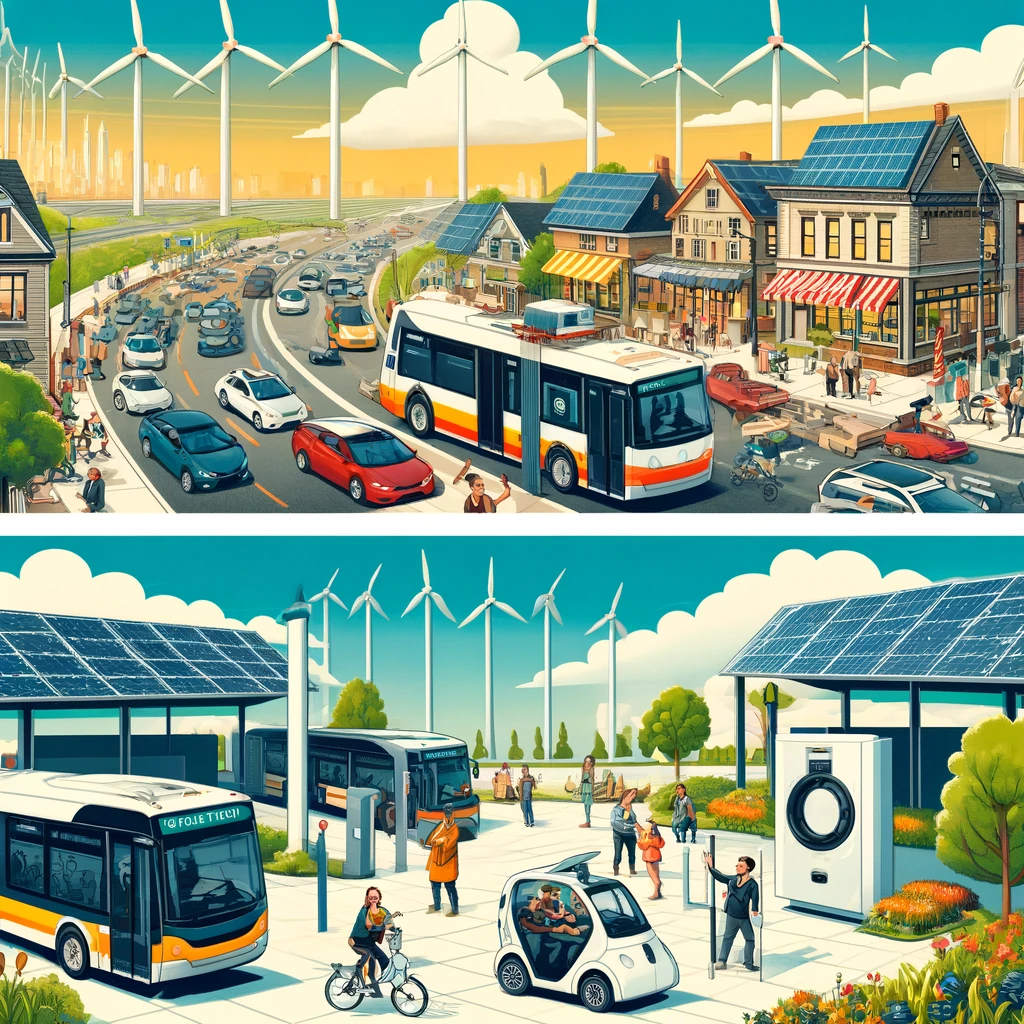
One of the primary advantages is the significant reduction in carbon emissions. Traditional housing structures are often energy-intensive, relying heavily on non-renewable energy sources for heating, cooling, and lighting. In contrast, sustainable housing designs incorporate energy-efficient systems, harnessing renewable sources such as solar or wind energy. This shift not only reduces greenhouse gas emissions but also lowers utility bills for residents.
Eco-Friendly Materials
Sustainable housing emphasizes the use of eco-friendly materials. Traditional construction often involves materials with a high environmental impact, such as concrete and steel, which contribute to resource depletion and pollution. Sustainable housing advocates for materials that are renewable, recyclable, and sourced responsibly. For instance, bamboo, reclaimed wood, and recycled metal are increasingly popular choices, combining durability with minimal environmental footprint.
Water Conservation
Water conservation is another critical aspect. Sustainable urban housing designs incorporate systems for rainwater harvesting, greywater recycling, and low-flow fixtures. These practices significantly reduce water consumption, preserving this precious resource for future generations.
Urban Green Spaces
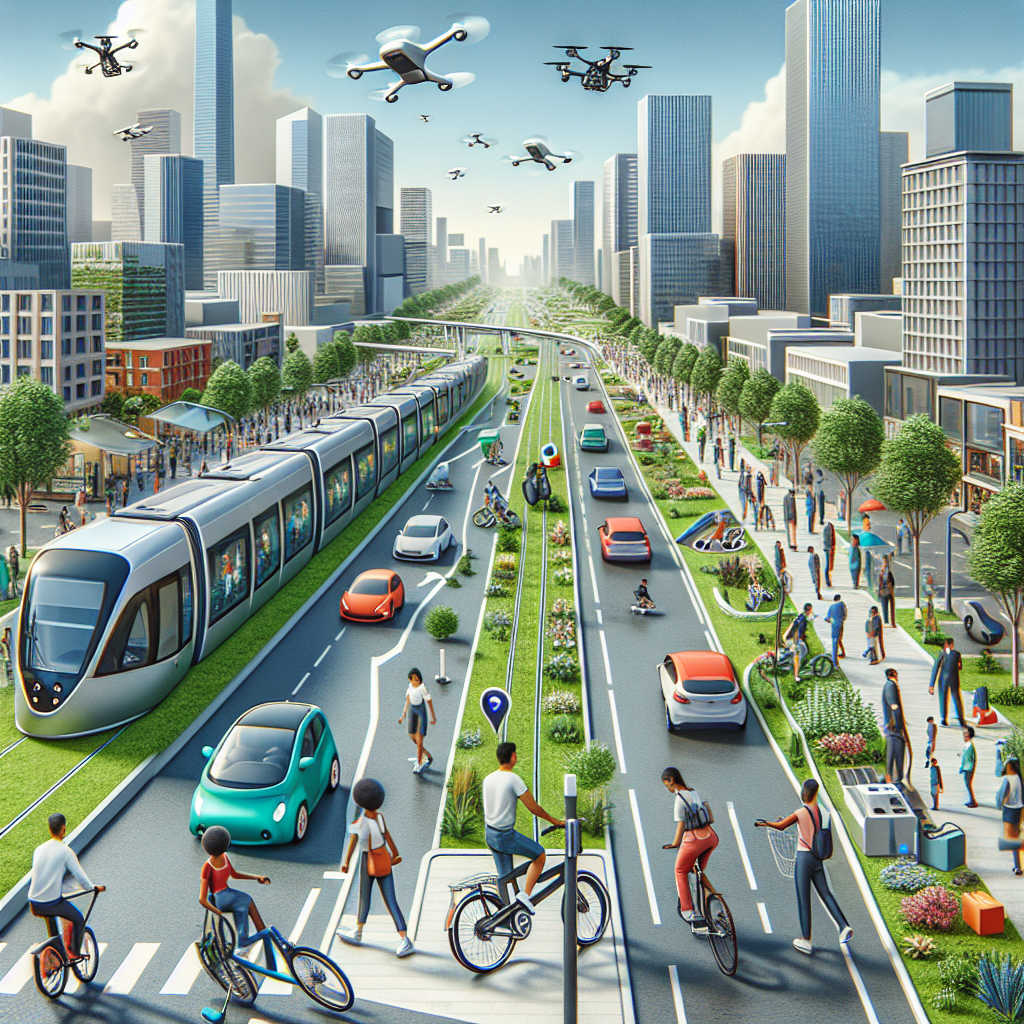
Urban green spaces are integral to sustainable housing designs. Incorporating parks, gardens, and green roofs not only enhances aesthetics but also improves urban air quality, promotes biodiversity, and helps manage stormwater runoff. These green spaces serve as carbon sinks, absorbing carbon dioxide and releasing oxygen, thus mitigating urban heat island effects.
Waste Minimization
Sustainable urban housing also emphasizes minimizing waste. Construction and demolition typically generate significant waste. However, by focusing on modular construction, prefabrication, and employing a circular economy mindset, sustainable designs aim to reduce waste generation and promote recycling and reuse.

Social and Economic Advantages
While the environmental benefits of sustainable urban housing design are profound, the social and economic advantages are equally compelling.
Social Equity and Affordability
Sustainable housing contributes to social equity by providing affordable and inclusive living options. Mixed-use developments, for instance, integrate residential, commercial, and recreational areas, fostering diverse and vibrant communities. By incorporating energy-efficient systems and eco-friendly materials, the overall cost of living is reduced. Lower utility bills and maintenance costs translate to financial savings for residents, making housing more accessible to low-income families.
Health and Well-Being
Improved indoor air quality, natural lighting, and access to green spaces contribute to better physical and mental health. Studies have shown that natural light can enhance mood and productivity, while green spaces offer recreational opportunities and stress relief. By prioritizing these elements, sustainable housing fosters healthier and happier communities.
Job Creation
Sustainable housing projects stimulate local economies by creating jobs in construction, renewable energy, and green technology sectors. The demand for skilled labor, such as architects, engineers, and artisans skilled in sustainable practices, drives workforce development and economic prosperity.
Enhanced Property Values
Properties with green certifications and sustainable features are increasingly attractive to consumers. This demand for eco-friendly housing can lead to higher property values and rental incomes, benefiting homeowners and investors alike.
The Role of Technology in Sustainable Housing
Technology plays a crucial role in advancing sustainable urban housing designs.
Smart Home Systems
Smart home systems are revolutionizing how we manage energy consumption. These systems enable real-time monitoring and control of energy use, optimizing efficiency and reducing waste. Smart thermostats, lighting systems, and appliances can be programmed to operate only when needed, significantly lowering energy consumption.
Building Information Modeling (BIM)
BIM allows architects and engineers to create detailed digital models of buildings, enabling precise planning and resource management. This technology minimizes material waste, optimizes energy performance, and ensures efficient project execution.
Renewable Energy Technologies
Solar panels, wind turbines, and geothermal systems provide clean and renewable energy sources, reducing reliance on fossil fuels. Innovations in energy storage, such as advanced batteries, ensure a steady supply of power even when renewable sources are intermittent.
Water Management Technologies
Smart irrigation systems, rainwater harvesting, and greywater recycling are becoming standard in sustainable housing designs. These technologies ensure efficient water use and reduce strain on municipal water supplies.
Challenges in Implementing Sustainable Urban Housing
Despite the numerous benefits, challenges persist in implementing sustainable urban housing.
Higher Initial Costs
While sustainable housing leads to long-term savings, the upfront investment for eco-friendly materials and technologies is often higher, deterring developers and homeowners.
Awareness and Education Gaps
Many stakeholders may not fully understand the benefits and practices of sustainable housing. Educational initiatives and awareness campaigns are essential to bridge this gap.
Regulatory and Policy Barriers
Building codes and regulations may not fully support sustainable designs. Policymakers must develop frameworks that encourage sustainable practices through incentives and streamlined approval processes.
Skilled Labor Shortages
The availability of trained professionals in sustainable architecture, engineering, and construction significantly impacts successful implementation.
Future Prospects of Sustainable Urban Housing
The future of sustainable urban housing looks promising, driven by advancements in technology, changing consumer preferences, and supportive policies.
Smart cities are an emerging trend, leveraging IoT, AI, and big data to optimize resources. Consumer demand for energy-efficient homes is expected to grow, pushing the real estate market toward greener practices. Supportive policies, such as incentives and green building certifications, will further encourage sustainable development.
Conclusion
Sustainable urban housing design is a necessity for the future of our cities and planet. The environmental, social, and economic benefits it offers are immense, fostering healthier, more equitable, and resilient communities.
By embracing sustainability in urban housing, we can create thriving communities prepared for tomorrow’s challenges. The time to act is now—let’s prioritize sustainable housing to ensure a better quality of life for current and future generations.
Frequently Asked Questions
1. What is sustainable urban housing and why is it important?
Sustainable urban housing refers to a holistic approach to designing and building homes that prioritize environmental conservation, economic sustainability, and social inclusivity. As cities grow at an unprecedented rate, traditional housing models often fail to address the long-term needs of the urban population and the planet. Sustainable urban housing is designed to reduce environmental impact through energy efficiency, smart material use, and waste reduction. Economically, it emphasizes affordability and longevity, ensuring housing is accessible to a diverse range of people. Socially, it fosters inclusive communities that cater to varying demographics and promote equity. This approach is crucial in managing urban sprawl, reducing the carbon footprint of city dwellings, and creating lively, equitable cities that thrive for generations.
2. How does sustainable urban housing impact the environment?
Sustainable urban housing has a profound impact on the environment by mitigating harmful environmental effects commonly associated with traditional housing development. These homes are designed to be energy-efficient, minimizing the use of non-renewable resources by incorporating renewable energy sources like solar panels and wind turbines. The use of sustainable building materials such as recycled or locally sourced components reduces the carbon emissions related to production and transportation. Additionally, these homes often integrate efficient water management systems that decrease water usage and promote greywater recycling. By incorporating green spaces and maintaining biodiversity, sustainable urban housing also enhances urban ecosystems, contributing to cleaner air and reducing urban heat islands. Overall, these practices significantly diminish the ecological footprint of housing developments.
3. Can sustainable urban housing be economically viable for all income levels?
Yes, sustainable urban housing can indeed be economically viable for all income levels when carefully planned and implemented. While initial construction costs for sustainable homes may sometimes be higher due to investing in energy-efficient technologies and eco-friendly materials, these homes often lead to considerable savings in the long run. Lower utility bills from reduced energy and water consumption, longer-lasting building materials, and fewer maintenance needs contribute to overall cost-effectiveness. Furthermore, innovative financing models, government subsidies, and incentives can make these homes more accessible. Inclusion of affordable housing units and mixed-income communities within sustainable developments ensures that people across different wealth brackets can benefit from healthier living environments. The focus is on long-term affordability and resilience rather than immediate expenditures.
4. How does sustainable urban housing promote social inclusivity?
Sustainable urban housing promotes social inclusivity by ensuring that housing developments are designed to cater to a diverse range of people, fostering a sense of community and equity. This can involve the inclusion of affordable housing options within larger developments to prevent segregation by income level. Sustainable housing projects often aim to create mixed-use neighborhoods, combining residential spaces with commercial, educational, and recreational facilities, making amenities accessible to all residents. These neighborhoods are typically designed with accessibility in mind, allowing easy navigation for individuals with disabilities. Community spaces and shared resources encourage interaction among different cultural and socio-economic groups, enriching the social fabric and fostering understanding and cooperation. The goal is to create vibrant communities where everyone feels valued and included, reducing social disparities.
5. What challenges do cities face in implementing sustainable urban housing projects?
Implementing sustainable urban housing projects comes with a set of challenges that cities must navigate to successfully create eco-friendly and inclusive communities. A major hurdle is the higher initial costs and financial risks associated with sustainable building practices, which can deter developers and investors. Regulatory and zoning laws may not always support or incentivize sustainable practices, requiring significant reforms to align with sustainability goals. There can also be resistance from existing residents to new developments due to misconceptions or concerns over changes to neighborhood dynamics. Additionally, rapid urbanization itself poses logistical challenges, as cities must adapt quickly and efficiently to an ever-growing demand for housing while preserving existing infrastructure. Finally, there is a need for a multidisciplinary approach where policymakers, architects, urban planners, and the community collaborate closely to realize such projects, requiring time and concerted effort. Despite these challenges, the long-term benefits for the city, the planet, and its inhabitants make sustainable urban housing an essential pursuit.