Sustainable urban development plays a critical role in shaping the future of our cities and communities. It addresses the multifaceted challenges of urbanization, which includes environmental sustainability, economic growth, and social equity. One of the most pressing issues that sustainable urban development aims to tackle is poverty. By systematically addressing the root causes of urban poverty, sustainable development can transform urban areas into hubs of opportunity and inclusivity.
Introduction: Understanding Sustainable Urban Development
Sustainable urban development refers to a development framework that seeks to achieve a balance between social, economic, and environmental demands within urban settings. Its main goal is to create urban spaces that are livable, resilient, and inclusive for all residents. As urban populations continue to grow rapidly, the need for sustainable solutions that minimize environmental impact while enhancing quality of life has never been more pressing.
Historically, urban growth has often led to increasing levels of poverty, due in large part to insufficient infrastructure, inadequate housing, and limited access to essential services. Traditional development models prioritized economic growth at the expense of social and environmental wellbeing, exacerbating inequality and leaving many urban dwellers behind.
Sustainable urban development, on the other hand, promotes a holistic approach that targets poverty reduction by fostering economic opportunities, ensuring access to basic services, protecting the environment, and strengthening communities. Sustainable cities are designed to be inclusive, providing all residents with the means to improve their living conditions and participate fully in urban life.
Creating Economic Opportunities
One of the key components of sustainable urban development is the promotion of economic opportunities for all city residents. By developing local economies and creating diverse employment opportunities, cities can lift people out of poverty and stimulate economic growth. Policies that encourage entrepreneurship, support small businesses, and attract sustainable industries are essential for building resilient urban economies.
In addition, sustainable urban development often includes investments in education and skills training programs. By equipping residents with the knowledge and skills needed for the modern economy, cities can ensure a steady supply of qualified workers and reduce unemployment. These programs are especially important for marginalized populations, who may face barriers to employment due to lack of education or discrimination.
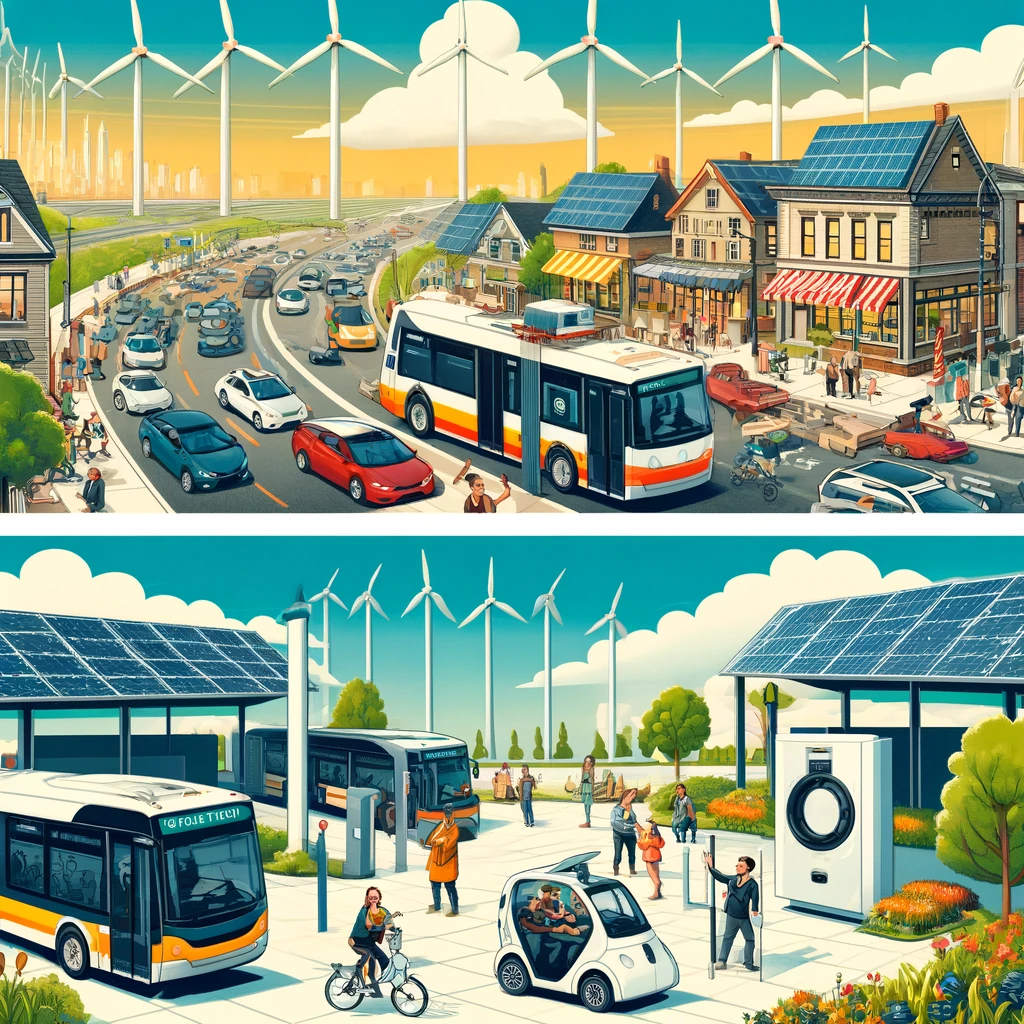
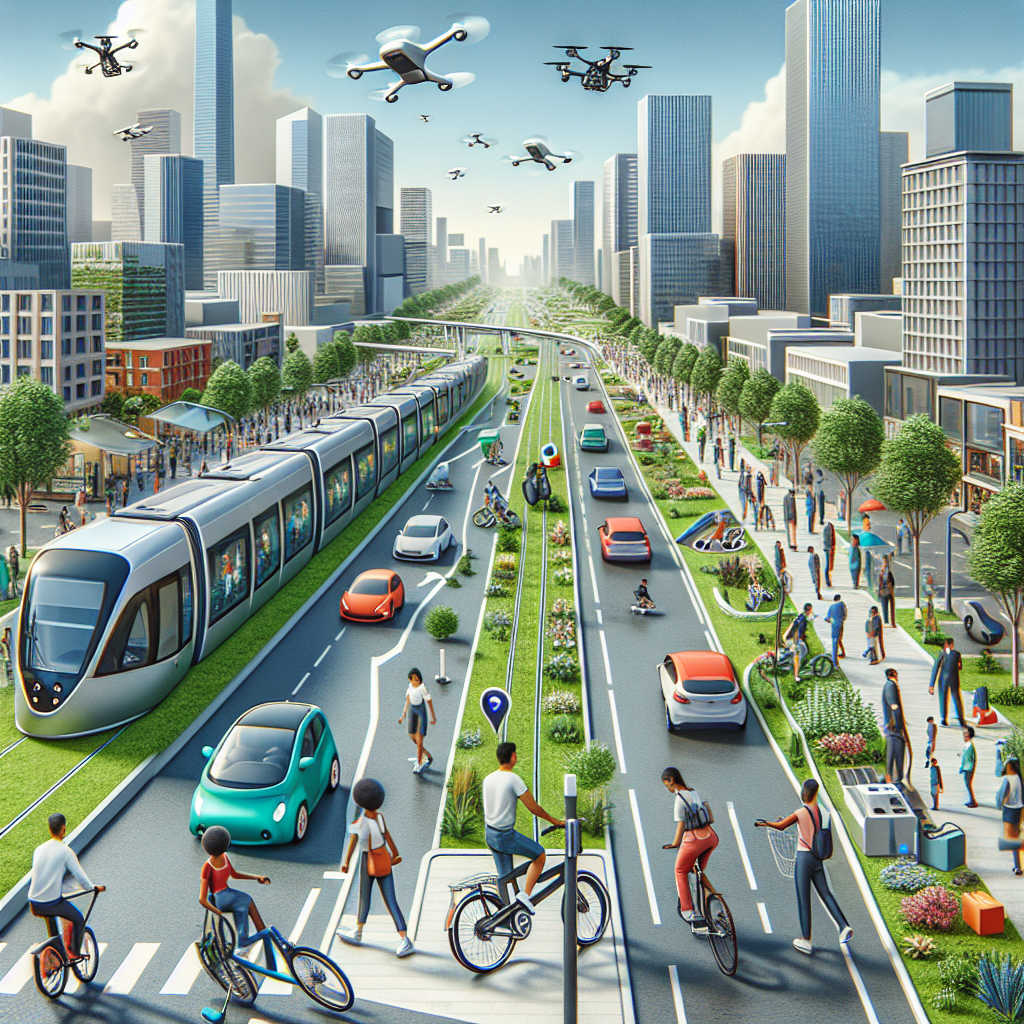
Infrastructure investments, such as developing reliable public transportation systems and expanding broadband access, also play a crucial role in creating economic opportunities. Efficient transportation networks enable residents to access jobs, education, and other essential services, while internet connectivity opens up a world of online education and remote work opportunities.
Ensuring Access to Basic Services
Access to basic services, such as healthcare, education, clean water, and sanitation, is fundamental to reducing poverty and promoting sustainable development. Cities that prioritize equitable access to these services can significantly improve the quality of life for their residents, particularly those in low-income communities.
Sustainable urban development emphasizes the provision of high-quality healthcare services that are accessible to all. This includes the construction of health centers in underserved areas, mobile health clinics, and the use of technology to deliver remote healthcare services. Ensuring that all residents have access to preventative care, vaccinations, and treatment for chronic conditions helps to reduce health disparities and improve overall public health.
Education is another critical service that needs to be made accessible to all urban residents. Sustainable development strategies prioritize the construction of schools in low-income neighborhoods, as well as programs that provide scholarships and financial assistance to disadvantaged students. Quality education for all children is a powerful tool for breaking the cycle of poverty and fostering a more equitable society.
Access to clean water and sanitation is also essential for reducing poverty and improving health outcomes. Cities that invest in sustainable water management systems and sanitation infrastructure can prevent waterborne diseases and ensure that all residents have access to safe drinking water. These investments are particularly important in informal settlements and slums, where access to clean water and proper sanitation facilities is often limited.
Protecting the Environment
Sustainable urban development aims to create cities that are environmentally sustainable and resilient to climate change. Environmental protection is closely linked to poverty reduction, as poor communities are often the most vulnerable to environmental degradation and natural disasters. By adopting sustainable practices and protecting natural resources, cities can create healthier living environments and reduce the risk of environmental hazards.
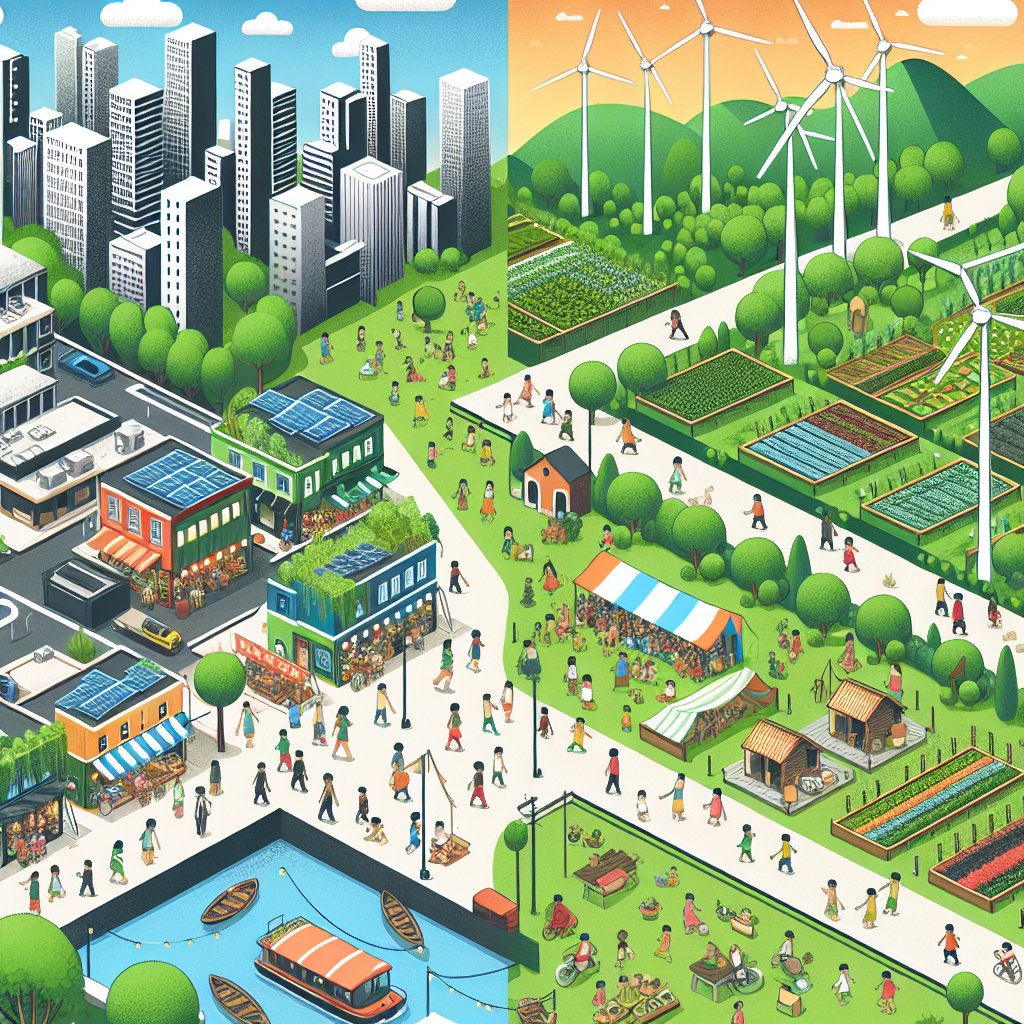
Green infrastructure, such as parks, green roofs, and urban forests, is a key component of sustainable urban development. These green spaces not only enhance the aesthetic appeal of cities but also provide numerous environmental benefits, including improved air quality, reduced urban heat island effects, and increased biodiversity. Access to green spaces also supports mental and physical well-being, particularly for residents of densely populated urban areas.
Renewable energy and energy efficiency are also important elements of sustainable urban development. By investing in renewable energy sources, such as solar and wind power, cities can reduce their carbon footprint and promote energy security. Energy efficiency measures, such as retrofitting buildings and improving public transportation systems, can lower energy consumption and reduce greenhouse gas emissions.
Waste management is another critical aspect of environmental protection. Sustainable urban development promotes the reduction, reuse, and recycling of waste to minimize the amount of waste that ends up in landfills. By implementing effective waste management systems, cities can reduce pollution, conserve natural resources, and create economic opportunities in waste collection and recycling industries.
Strengthening Communities
Sustainable urban development is not just about physical infrastructure and environmental sustainability; it also involves building strong, cohesive communities. Social cohesion and community empowerment are essential for creating inclusive cities where all residents can thrive. By fostering a sense of community and encouraging civic engagement, cities can create supportive environments that help residents overcome poverty.
Community participation is a cornerstone of sustainable urban development. Inclusive planning processes that involve residents in decision-making help ensure that development projects meet the needs of all community members. This participatory approach also fosters a sense of ownership and responsibility among residents, encouraging them to take an active role in maintaining and improving their neighborhoods.
Affordable housing is another critical aspect of strengthening communities. Sustainable urban development prioritizes the construction of affordable housing units to ensure that all residents have access to safe and secure shelter. Mixed-income housing developments, which include units for low-income residents alongside market-rate units, help to create diverse and inclusive communities.
Public spaces, such as parks, community centers, and recreational facilities, also play a vital role in building strong communities. These spaces provide opportunities for social interaction, cultural activities, and physical exercise, helping to foster a sense of community and improve overall well-being. Cities that invest in well-designed public spaces create vibrant, inclusive environments where residents can connect and engage with one another.
Conclusion: The Path Forward
As the world continues to urbanize, the importance of sustainable urban development in reducing poverty cannot be overstated. By addressing the economic, social, and environmental dimensions of urbanization, sustainable development strategies can create cities that are inclusive, resilient, and prosperous. Through the promotion of economic opportunities, ensuring access to basic services, protecting the environment, and strengthening communities, sustainable urban development can transform urban areas into engines of growth and equity.
Policymakers, urban planners, and community leaders must work together to implement sustainable development practices that prioritize the needs of all residents, particularly those who are most vulnerable. Collaboration and innovation are key to overcoming the challenges of urbanization and creating cities that provide opportunities for all. By embracing sustainable urban development, cities can unlock their full potential and contribute to a more equitable and sustainable future.
The journey toward sustainable urban development is an ongoing process that requires commitment, investment, and a shared vision for the future. As cities continue to grow and evolve, it is essential to keep sustainability at the forefront of urban planning and development efforts. By doing so, we can create urban environments that not only reduce poverty but also enhance the quality of life for all residents, ensuring that no one is left behind.
Frequently Asked Questions
1. What exactly is sustainable urban development, and how does it contribute to poverty reduction?
Sustainable urban development is an approach to designing, constructing, and managing cities in ways that promote long-term ecological health, economic stability, and social equity. It’s about making our urban areas livable and resilient for both current and future generations. This type of development emphasizes the efficient use of natural resources, reducing waste, and minimizing pollution. But it doesn’t stop at environmental considerations—it equally prioritizes creating economic opportunities and improving social access. By integrating these elements, sustainable urban development can significantly reduce poverty.
For instance, affordable housing projects can reduce homelessness and provide stability for low-income families. Green job initiatives can create employment opportunities in emerging sectors, providing not just jobs, but careers that offer upward mobility. Furthermore, enhancing accessibility to public transportation can drastically lower living costs by reducing the need for private vehicle ownership—and in turn, providing better access to jobs and services.
2. How does improving infrastructure within cities link to alleviating poverty?
Infrastructure improvements in cities are foundational to reducing poverty because they can lead to enhanced quality of life and increased economic activities. When cities prioritize better roads, efficient transportation systems, and reliable utilities, they lay the groundwork for economic growth. This, in turn, creates job opportunities contiguous to infrastructure development efforts. With more infrastructural advancements, such as high-speed internet availability or enhanced public transit systems, residents can access more education and job opportunities, which are vital paths out of poverty.
Moreover, well-planned urban infrastructure leads to greater social stability. By implementing robust water supply systems and sanitation services, cities can reduce the incidence of disease, thus decreasing public health costs. This not only directs family resources toward other crucial necessities like education and food but also reduces the cost burden on healthcare systems. Ultimately, improved infrastructure promotes a higher quality of life and enables socioeconomic mobility for those living in poverty.
3. How does environmental sustainability factor into reducing urban poverty?
Environmental sustainability is crucial for reducing urban poverty because it addresses some root causes that perpetuate the cycle of poverty. Pollution and environmental degradation often disproportionately affect low-income communities, exacerbating health problems and limiting their quality of life. By integrating green policies into urban development, cities can reduce emissions and pollution levels, directly alleviating associated health problems and indirectly lowering medical costs for impoverished populations.
Furthermore, sustainable urban development includes creating green spaces, such as parks and community gardens, which improve air quality and provide recreational areas that enhance mental and physical health. These spaces can become centers for community interaction and cohesion, fostering social networks that can provide support and open pathways out of poverty. Additionally, by investing in renewable energy sources, cities not only reduce their carbon footprint but also create new sectors for employment, providing sustainable jobs for residents.
4. Can sustainable urban development create educational opportunities that help reduce poverty?
Indeed, one of the profound impacts of sustainable urban development is its potential to transform and improve educational opportunities, thereby helping to reduce poverty. Education is a critical tool for breaking the cycle of poverty, and sustainable cities can directly influence educational access and quality. By ensuring that urban planning includes adequate schooling facilities and integrating technology into the education system, cities can enhance learning environments to be more conducive to academic success.
When cities invest in energy-efficient, well-equipped educational facilities, they ensure that students have a comfortable and effective learning atmosphere. Further, public transport enhancements allow students from low-income backgrounds to travel to schools that may offer better education, without the constraint of proximity. With such strategic developments, students are more likely to complete their education and gain skills that improve their employment prospects, which is a long-term strategy for reducing urban poverty.
5. What roles do community involvement and governance play in sustainable urban development and poverty alleviation?
Community involvement and good governance are at the heart of effective sustainable urban development and poverty alleviation. When local residents participate in decision-making processes regarding urban development projects, there is a greater chance that the projects will adequately address the needs of those most affected by poverty. Community engagement ensures that development reflects an understanding of local contexts, challenges, and cultural sensitivities—leading to more inclusive and supportive urban environments.
Good governance also plays a pivotal role. Transparent, accountable, and responsive city administration can create policies that actively work towards reducing poverty by steering resources effectively and justly. When governance prioritizes equitable development, the benefits of urban projects are more likely to trickle down to marginalized communities. Effective policies can ensure fair distribution of resources, introduction of social services, and implementation of welfare programs that directly target poverty alleviation, paving the path towards a more equitable urban life for all residents.