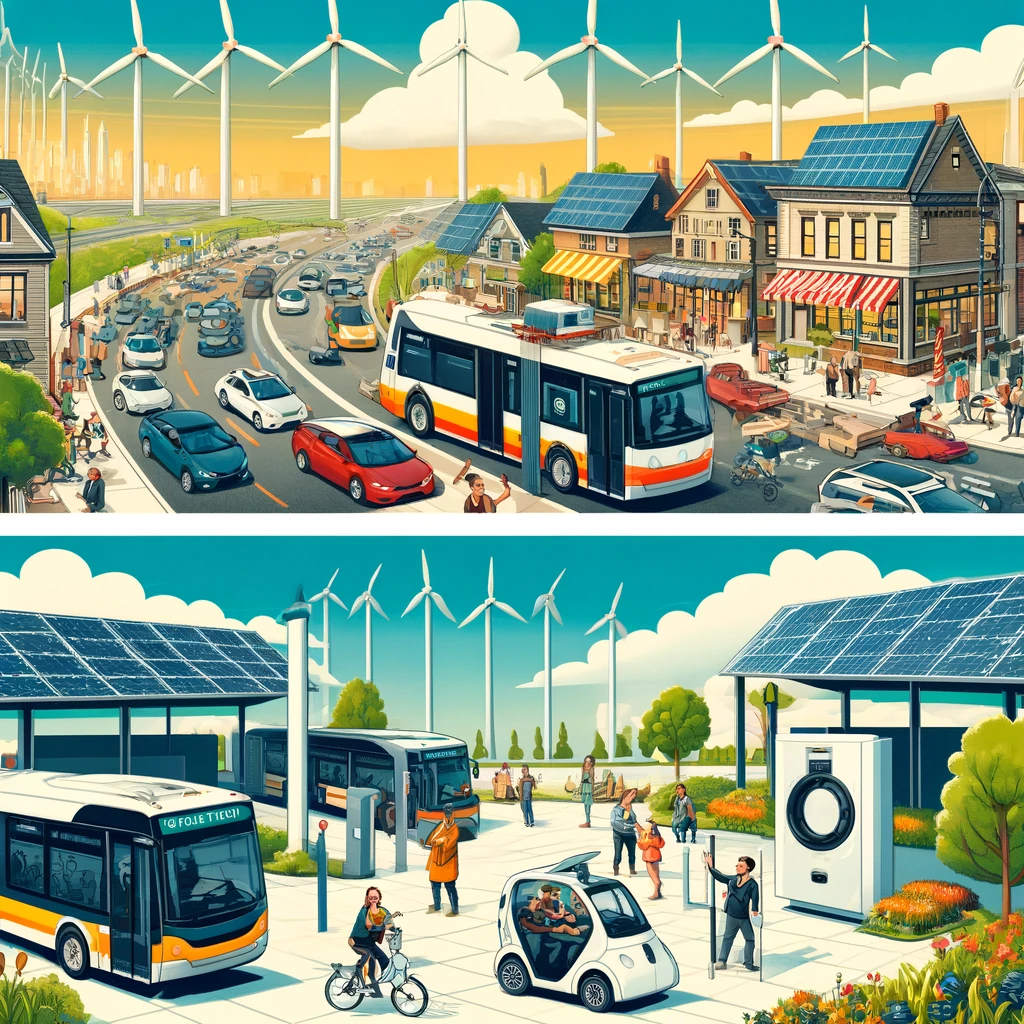
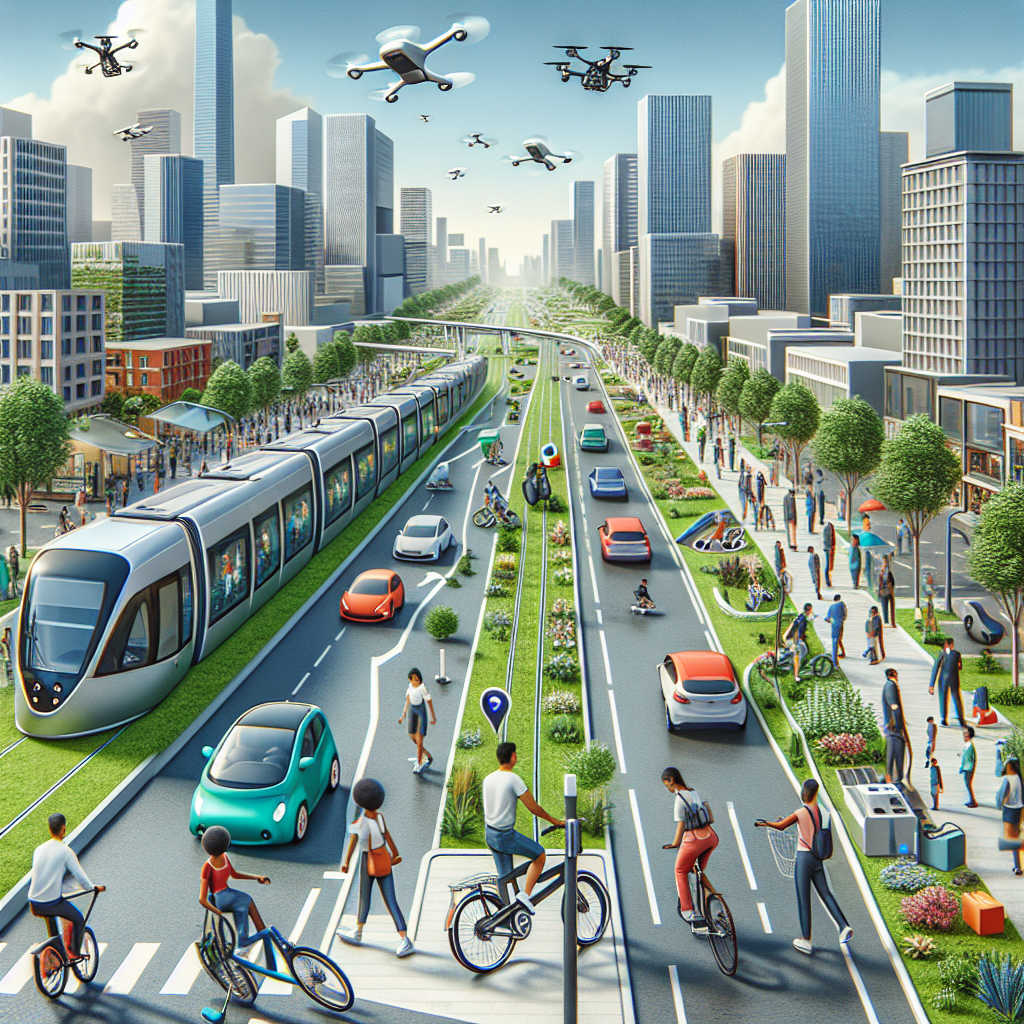
In an ever-changing world where climate change and environmental concerns are at the forefront of public discourse, sustainable urban development has become a key focus for city planners, architects, and policymakers. This approach to urban planning seeks to create environments that are both highly functional and environmentally responsible. Central to this theme is the concept of building retrofitting, which involves updating existing buildings to improve energy efficiency, reduce emissions, and extend their useful life. This article explores the importance of sustainable urban development and delves into the practice and benefits of building retrofitting.
Introduction
Sustainable urban development is a multifaceted strategy aimed at creating liveable, efficient, and environmentally friendly urban areas. Unlike traditional urban development that often prioritizes economic growth with little regard to environmental impact, sustainable urban development strives to balance economic, social, and environmental goals. The key principles of sustainability include optimizing resource use, minimizing waste, reducing greenhouse gas emissions, and promoting social equity.
One crucial aspect of sustainable urban development is the retrofitting of existing buildings. Since about 80% of the buildings that will be in use in 2050 already exist today, retrofitting these structures is essential. Building retrofitting involves upgrading the structural components and systems of existing buildings to enhance energy performance, improve water efficiency, and increase the overall comfort and safety of the occupants. With advancements in technology and an increasing array of energy-efficient options, it is possible to significantly reduce the environmental footprint of buildings through effective retrofitting strategies.
This article will examine the key elements and benefits of sustainable urban development, highlight various building retrofitting techniques, and provide insights into how existing urban structures can be transformed to meet modern sustainability standards. Let’s delve into the components that define sustainable urban development and understand why retrofitting is a practical and necessary measure in our quest to build greener cities.
The Importance of Sustainable Urban Development
Sustainable urban development is crucial for several reasons. Firstly, it addresses the urgent need to combat climate change by minimizing greenhouse gas emissions. Urban areas are significant contributors to carbon dioxide and other greenhouse gases, primarily due to energy consumption in buildings, transportation, and industry. By adopting sustainable practices, cities can significantly reduce their carbon footprint and mitigate the impacts of climate change.
Secondly, sustainable urban development promotes the efficient use of resources. This includes energy, water, and materials. Through sustainable design and planning, urban areas can optimize their use of natural resources, reducing waste and lowering costs. For example, the integration of green spaces and the use of renewable energy sources can greatly enhance the sustainability of urban environments.
Additionally, sustainable urban development enhances the quality of life for residents. By prioritizing green spaces, public transportation, and pedestrian-friendly areas, cities can improve the health and well-being of their inhabitants. Sustainable urban planning also considers social equity, ensuring that all residents have access to essential services and opportunities.
Lastly, sustainable urban development is economically beneficial. While the initial investment in sustainable practices may be higher, the long-term savings in energy and maintenance costs, along with the potential for increased property values, make it a financially sound strategy. Furthermore, it creates job opportunities in green industries and fosters innovation.

Building Retrofitting: What It Entails
Building retrofitting involves a series of modifications to existing structures to improve their overall performance, especially in terms of energy efficiency and environmental impact. The goal is to transform outdated and inefficient buildings into modern, sustainable structures. Here are some common retrofitting techniques:
- Energy-Efficient Lighting: Replacing traditional lighting systems with energy-efficient alternatives such as LED lights can significantly reduce energy consumption. LED lights not only consume less electricity but also have a longer lifespan, reducing maintenance costs.
- Insulation: Upgrading the insulation in walls, roofs, and floors helps to reduce heat loss in winter and heat gain in summer, leading to a more consistent indoor temperature and lower energy bills.
- Smart Thermostats: Installing smart thermostats allows for better control of heating, ventilation, and air conditioning (HVAC) systems. These devices can learn occupants’ preferences and schedules, adjusting temperatures accordingly to save energy.
- Solar Panels: Adding solar panels to the roof can generate renewable energy, reducing reliance on fossil fuels and lowering electricity bills. Given the falling costs and improving efficiency of solar technology, this has become a more viable option for many building owners.
- Water-Efficient Fixtures: Replacing old fixtures with low-flow faucets and showerheads, as well as installing dual-flush toilets, can significantly reduce water usage. This is particularly important in areas facing water scarcity.
- Green Roofs and Walls: Installing vegetation on roofs and walls can help to insulate buildings, reduce urban heat island effect, and manage stormwater runoff. Green roofs provide additional benefits such as habitat creation and aesthetic enhancement.
Benefits of Building Retrofitting
Retrofitting offers numerous benefits, both for building owners and the environment. Here are some key advantages:
- Energy Savings: One of the primary benefits of retrofitting is the significant reduction in energy consumption. Energy-efficient upgrades can lead to considerable savings on utility bills, which enhances the financial viability of retrofits.
- Reduced Carbon Footprint: By improving energy efficiency and incorporating renewable energy sources, retrofitting helps to significantly cut down greenhouse gas emissions. This is a critical step in combating climate change.
- Enhanced Comfort and Well-being: Retrofitted buildings often provide a more comfortable indoor environment, with better temperature regulation, improved air quality, and increased natural light. This can enhance the well-being and productivity of occupants.
- Increased Property Value: Energy-efficient and sustainable buildings are often more attractive to buyers and tenants. This can result in higher property values and rental incomes.
- Extended Building Lifespan: Retrofitting can address structural issues and outdated systems, extending the useful life of a building. This reduces the need for new construction, which often entails significant resource expenditure and environmental impact.
Overall, retrofitting is a highly effective strategy for modernizing old buildings, making them more sustainable, efficient, and comfortable for occupants. It represents a significant step forward in the broader context of sustainable urban development.
Case Studies in Successful Retrofitting
Several cities around the world have implemented successful building retrofitting projects as part of their sustainable urban development plans. Let’s look at a few notable examples:
London, United Kingdom
The Greater London Authority has undertaken several retrofitting projects to improve the energy efficiency of existing buildings. One prominent example is the Retrofit for the Future program, which aimed to reduce carbon emissions from homes by 80%. Through a combination of insulation, green energy solutions, and smart technologies, the program has successfully transformed many old, inefficient homes into sustainable living spaces.
New York City, USA
New York City has implemented the Greener, Greater Buildings Plan (GGBP), a comprehensive initiative that targets energy efficiency in large existing buildings. This plan includes mandates for energy audits, lighting upgrades, and the implementation of energy-saving measures. As a result, many iconic buildings have undergone retrofitting, leading to significant reductions in energy consumption and greenhouse gas emissions.
Berlin, Germany
Berlin’s Energy Saving Partnership (ESP) is a successful model for retrofitting public buildings. The city partners with energy service companies (ESCOs) to finance and implement energy-saving measures in public buildings. This initiative has led to significant energy savings and has served as a model for other cities aiming to improve the sustainability of their building stock.
Tokyo, Japan
Tokyo has introduced the Tokyo Cap-and-Trade Program, the first urban cap-and-trade program in the world. This program sets carbon emissions quotas for large buildings, incentivizing owners to invest in energy-efficient retrofits to meet their targets. The program has successfully reduced emissions in the commercial sector and demonstrated the potential of market-based mechanisms in promoting sustainability.
Challenges and Future Directions
Despite the numerous benefits, building retrofitting also faces several challenges. One of the main hurdles is the initial cost of retrofitting projects. While the long-term savings are substantial, the upfront investment can be a deterrent for many building owners. Access to financing and incentives from governments and other organizations can help to mitigate this challenge.
Another challenge is the potential disruption caused by retrofitting activities. Occupants may experience inconvenience during the retrofit process, which can be a barrier for some projects. Effective project planning and communication can help to alleviate this issue.
Technical challenges also exist, particularly in older buildings with complex structures. Ensuring that retrofitting measures are compatible with the existing architecture and systems requires careful planning and expertise.
Looking to the future, the integration of smart technologies and data analytics holds promise for more efficient and effective retrofitting. The use of sensors and automation can optimize energy use in real-time, further enhancing the benefits of retrofitting. Additionally, the development of new materials and technologies will continue to expand the possibilities for sustainable building upgrades.
Conclusion
Sustainable urban development is essential for creating cities that are resilient, efficient, and liveable. Building retrofitting plays a pivotal role in this process by transforming existing structures into modern, sustainable spaces. Through energy-efficient upgrades, water-saving measures, and the integration of renewable energy, retrofitting reduces the environmental impact of buildings, enhances the comfort and well-being of occupants, and provides economic benefits.
While challenges exist, the successful implementation of retrofitting projects in cities worldwide demonstrates the potential of this approach. With continued innovation and support, building retrofitting will remain a key strategy in the pursuit of sustainable urban development.
By prioritizing the retrofit of existing buildings, we can make significant strides towards a more sustainable future, ensuring that our cities are not only functional and efficient but also environmentally responsible and enjoyable places to live.
Frequently Asked Questions
1. What is sustainable urban development?
Sustainable urban development is a holistic approach to urban planning that focuses on creating environments that are functional, livable, and environmentally friendly. In the face of climate change and rising environmental concerns, this approach is crucial for the future of our cities. It involves integrating practices that ensure efficient use of resources, minimize carbon footprints, and enhance the overall quality of life for urban residents. Sustainable urban development covers a wide array of aspects like transportation, energy systems, green spaces, and waste management. The goal is to build or retrofit urban areas in a way that meets the needs of the current population without compromising the ability of future generations to meet theirs.
2. Why is building retrofitting important in sustainable urban development?
Building retrofitting is a cornerstone of sustainable urban development because it directly addresses the inefficiencies present in older structures. Retrofitting involves upgrading existing buildings to make them more energy-efficient and environmentally friendly. It’s important because many buildings constructed before modern efficiency standards consume a lot of energy, contributing significantly to greenhouse gas emissions. By retrofitting these structures, we can drastically cut down on energy usage, reduce emissions, and extend the lifespan of buildings. This process not only aligns with environmental goals but also leads to cost savings on utility bills for homeowners and businesses. Moreover, it can help preserve historical architecture while modernizing buildings to meet current ecological standards.
3. What are some common retrofitting techniques used to improve building sustainability?
Retrofitting techniques are varied and can range from simple changes to major renovations. Common methods include installing energy-efficient heating, ventilation, and air conditioning (HVAC) systems, upgrading insulation to limit heat loss, and replacing old windows with double or triple glazing. Other techniques involve using renewable energy sources like solar panels or rooftop wind turbines and implementing smart building technologies to optimize energy use. Water-saving fixtures and green roofs are also popular retrofit solutions that contribute to sustainability. Each technique aims to reduce the building’s energy consumption, lower operational costs, and improve the interior environment for occupants.
4. How do city planners incorporate sustainable practices into urban development?
City planners play a pivotal role in creating sustainable urban environments by incorporating a range of eco-friendly practices and policies. They often start by setting clear sustainability goals that guide the development process. For instance, planners might design neighborhoods with access to public transportation to reduce car dependency and associated emissions. They may also encourage the use of renewable energy, both in new developments and through retrofitting older buildings. Green spaces, designed for public use, help to improve air quality and provide natural habitats for wildlife. Moreover, planners often enforce regulations that require buildings to meet certain energy efficiency standards, ensuring that sustainability is embedded into the urban fabric right from the planning stage.
5. What challenges do cities face in achieving sustainable urban development through retrofitting?
While the benefits of retrofitting are significant, cities face several challenges in implementing these initiatives. One major obstacle is the cost associated with retrofitting older buildings, especially when extensive renovations are required. Funding and incentivizing these projects can be difficult without strong policy support or financial incentives from governments. Additionally, there is often resistance from building owners or occupants due to disruptions that retrofitting works cause. Technical challenges also arise from dealing with outdated building materials that may not be compatible with new technologies or retrofitting solutions. Finally, there is the challenge of maintaining the architectural integrity of historical buildings while making them more energy-efficient. Despite these hurdles, ongoing advancements in technology and materials are progressively making it easier and more feasible for cities to overcome these challenges.