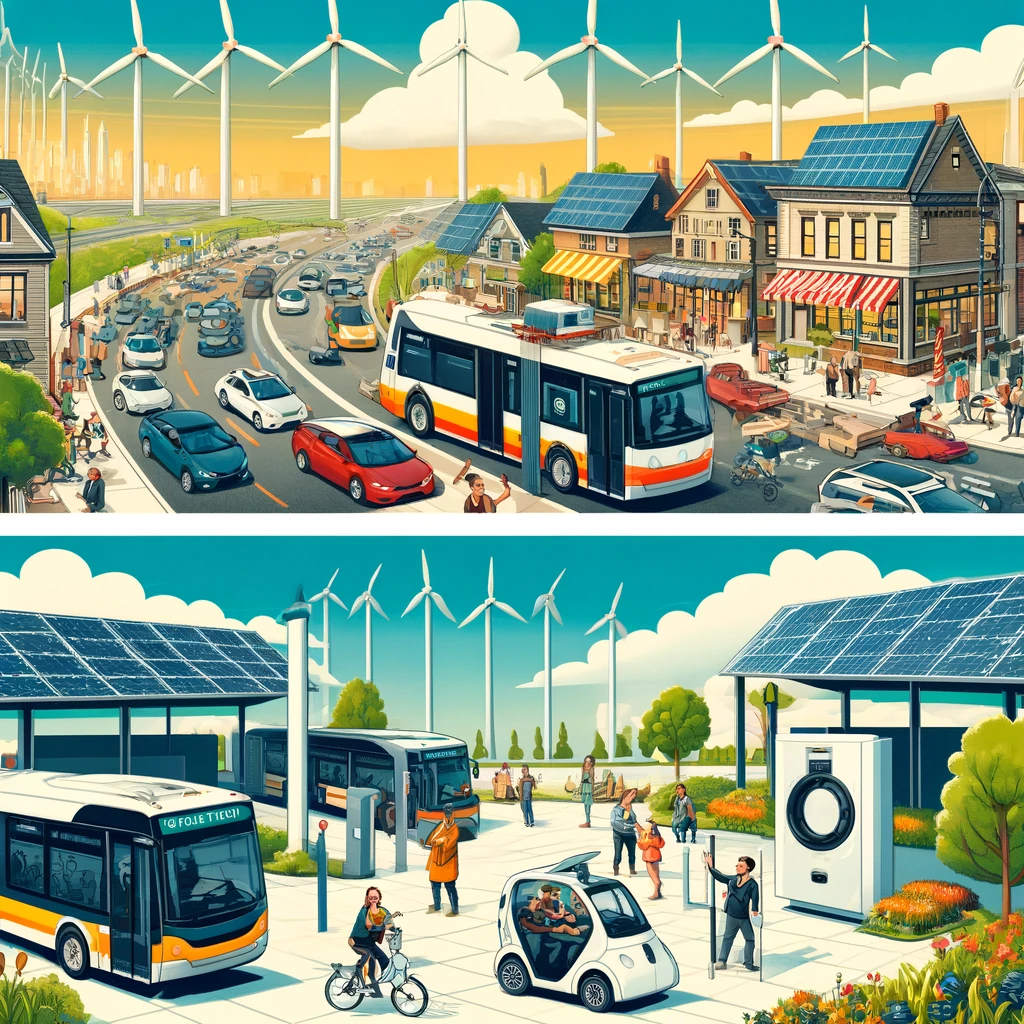
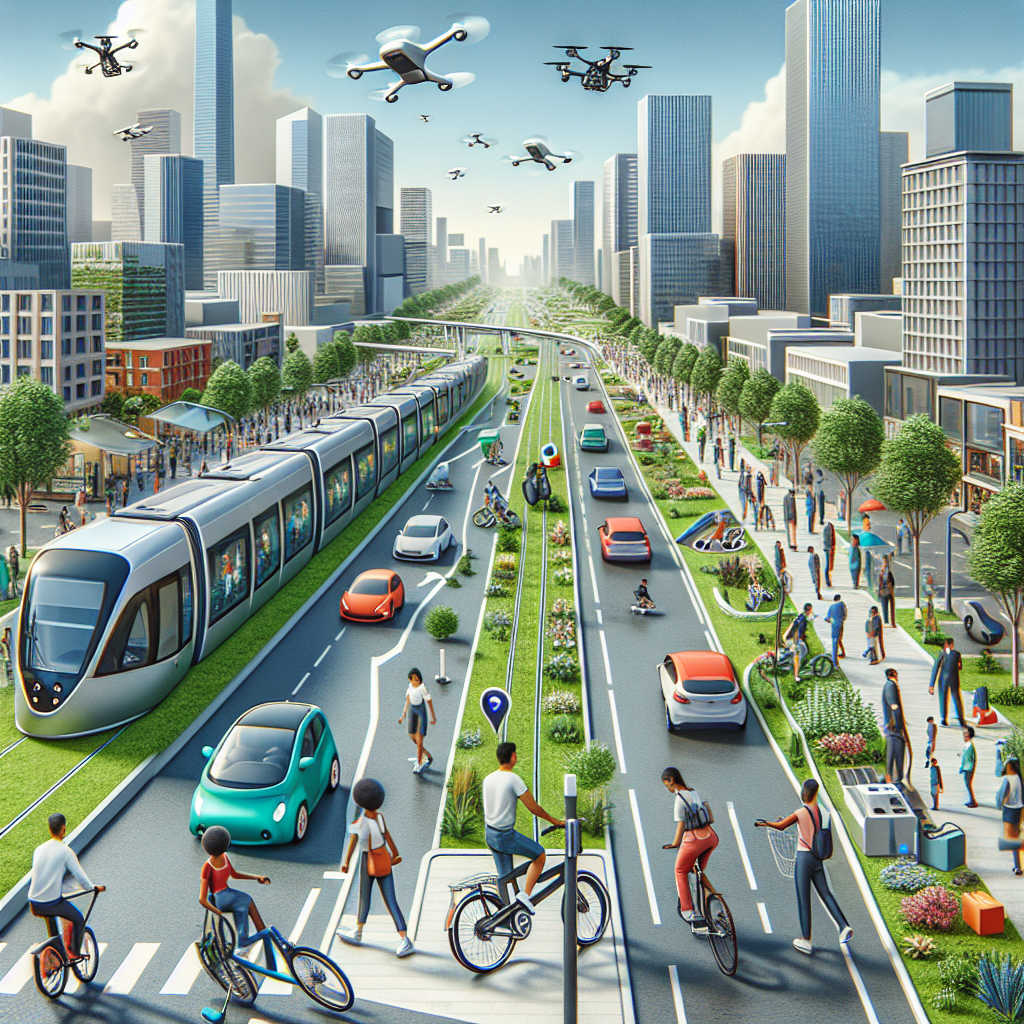
Sustainable urban development has emerged as a critical focal point for cities worldwide. It provides a comprehensive approach aimed at fostering cities that not only flourish economically but also offer high levels of social equity and environmental resilience. In an era marked by rapid urbanization, the importance of sustainable urban development cannot be overstated. By 2050, it is estimated that nearly 70% of the global population will reside in urban areas. This dramatic shift necessitates proactive strategies to accommodate growth while ensuring that urban life improves in quality.
At its core, sustainable urban development involves creating urban spaces that are environmentally friendly, economically vibrant, and socially inclusive. This encompasses a range of practices and principles, including green building design, efficient public transport systems, effective waste management, and the promotion of renewable energy sources. These initiatives are crucial to minimizing the environmental footprint of urban areas and enhancing the quality of life for residents.
Urban livability—the degree to which a city environment supports the well-being of its residents—is directly impacted by sustainable development practices. Livability is a multifaceted concept that includes factors such as housing affordability, access to green spaces, air and water quality, and overall quality of public services. Sustainable urban development aims to enhance these elements, making cities more pleasant and conducive to a high quality of life.
In this comprehensive article, we will delve into various aspects of sustainable urban development and examine how they impact urban livability. We will explore specific strategies and their outcomes, providing a clear picture of why sustainable practices are essential for the future of our cities.
Green Building Practices
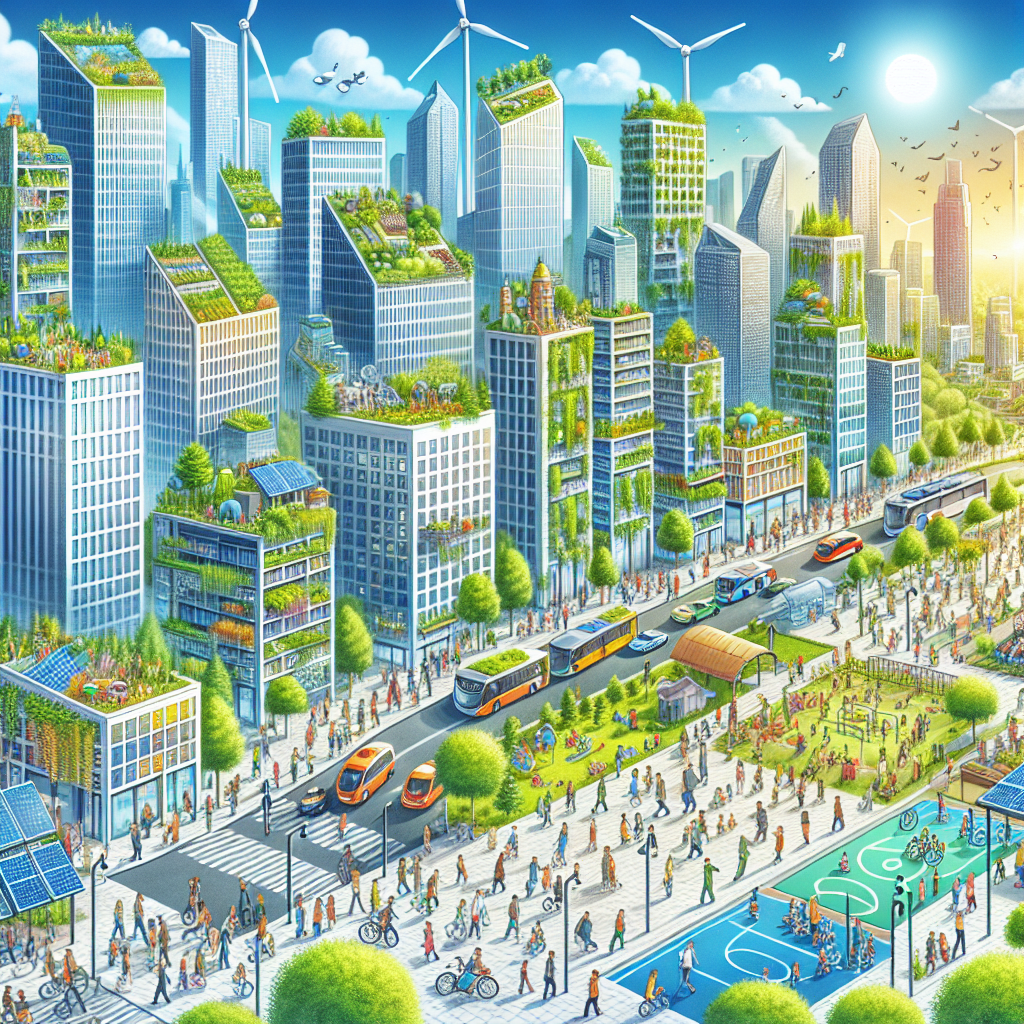
One of the most visible and impactful aspects of sustainable urban development is green building practices. These practices involve the design, construction, and operation of buildings in a way that reduces their environmental footprint. Green buildings incorporate energy-efficient systems, sustainable materials, and design features that promote natural light and airflow. The result is structures that consume less energy and resources while providing healthier indoor environments.
Energy efficiency is a cornerstone of green building design. By integrating technologies such as solar panels, energy-efficient windows, and advanced insulation, buildings can significantly reduce their reliance on non-renewable energy sources. This not only lowers energy bills for residents and businesses but also helps to mitigate the effects of climate change by reducing greenhouse gas emissions.
Sustainable materials play a crucial role in green building practices. Using materials that are locally sourced, recycled, or have a low environmental impact helps to minimize the depletion of natural resources. Additionally, these materials often have longer lifespans and require less maintenance, reducing long-term costs and environmental impacts.
The benefits of green buildings extend beyond environmental sustainability. These structures often provide enhanced comfort and health for occupants. Features such as improved ventilation systems and the use of non-toxic building materials contribute to better indoor air quality, which can reduce respiratory issues and other health problems. Ultimately, green building practices contribute to making urban areas healthier and more enjoyable places to live and work.
Efficient Public Transport Systems
Efficient public transport systems are a critical component of sustainable urban development. These systems provide a viable alternative to car-centric urban designs, helping to reduce traffic congestion, lower greenhouse gas emissions, and improve air quality. By offering reliable, accessible, and affordable public transit options, cities can enhance mobility and reduce the environmental impacts associated with private vehicle use.
Public transport systems come in various forms, including buses, trams, subways, and commuter trains. Each type offers unique advantages and can be tailored to fit the specific needs of a city. For instance, suburban areas may benefit more from commuter trains, while dense urban centers might find subways or trams more effective. Regardless of the mode, the goal is to provide an efficient network that connects different parts of the city, making it easy for residents to commute without relying on private cars.
Investment in public transport infrastructure not only improves urban mobility but also contributes to social equity. Accessible and affordable public transit options ensure that all residents, regardless of their income levels, have the means to travel to work, school, and other essential services. This can help to reduce social disparities and promote inclusive economic growth.
Moreover, efficient public transport systems have significant environmental benefits. Reduced dependence on private vehicles means lower levels of air pollution and greenhouse gas emissions. This improves overall air quality, making cities cleaner and healthier places to live. Furthermore, public transit systems typically occupy less space than roadways, freeing up land for other uses such as parks, housing, and commercial areas, which contribute to urban livability.
Effective Waste Management
Waste management is a critical issue in urban environments, where the high concentration of people generates substantial amounts of waste. Sustainable waste management practices aim to minimize the environmental impact of waste by reducing its volume, recycling materials, and safely disposing of non-recyclable waste. These practices are essential for maintaining clean, healthy urban environments and reducing the strain on natural resources.
One effective strategy for waste management is the implementation of comprehensive recycling programs. These programs encourage residents to sort and recycle materials such as paper, plastic, glass, and metal. By diverting these materials from landfills, cities can significantly reduce the volume of waste that needs to be managed and minimize their environmental footprint.
Composting is another important aspect of sustainable waste management. Organic waste, such as food scraps and yard trimmings, can be composted to create nutrient-rich soil that can be used in urban gardening and landscaping. This not only reduces the amount of waste sent to landfills but also supports local food production and green spaces.
Proper disposal of hazardous waste is also crucial for urban sustainability. Household hazardous wastes, such as batteries, paints, and electronics, can pose significant environmental and health risks if not handled correctly. Implementing programs to safely collect and dispose of these materials helps to protect air and water quality and reduce potential health hazards.
Effective waste management contributes to urban livability by keeping cities clean and reducing the negative impacts of waste on the environment and public health. By adopting sustainable practices, cities can create healthier, more pleasant environments for their residents.
Promotion of Renewable Energy
The promotion of renewable energy sources is a key element of sustainable urban development. As cities grow, their energy needs also increase, often leading to greater reliance on fossil fuels, which contribute to air pollution and climate change. Transitioning to renewable energy sources, such as solar, wind, and geothermal, helps to reduce carbon emissions and create a more sustainable energy future.
Solar energy is one of the most accessible and widely adopted renewable energy sources in urban areas. Rooftop solar panels can be installed on residential, commercial, and public buildings to generate clean, renewable energy. This reduces the demand for electricity from non-renewable sources and lowers energy costs for building owners. Additionally, solar power systems often require minimal maintenance, making them a cost-effective long-term energy solution.
Wind energy, while less commonly used in urban settings, can also play a role in sustainable urban development. Small-scale wind turbines can be installed in suitable locations to generate electricity for local use. These systems can complement other renewable energy sources and contribute to a diversified energy portfolio for cities.
Geothermal energy is another renewable option that can be utilized in urban areas. Geothermal systems use the stable temperatures found beneath the Earth’s surface to provide heating and cooling for buildings. This technology can significantly reduce the energy needed for temperature regulation, further decreasing the reliance on fossil fuels.
Promoting renewable energy not only has environmental benefits but also enhances urban livability. Cleaner energy sources reduce air pollution, leading to better public health outcomes. Additionally, renewable energy systems can increase energy security by reducing dependence on imported fuels and creating more resilient energy infrastructure. By investing in renewable energy, cities can create healthier, more sustainable environments for their residents.
Conclusion
Sustainable urban development is essential for creating cities that are livable, resilient, and capable of supporting growing populations. Through practices such as green building design, efficient public transport systems, effective waste management, and the promotion of renewable energy, cities can significantly enhance their environmental, economic, and social sustainability. These initiatives not only help to reduce the environmental footprint of urban areas but also improve the quality of life for residents by providing cleaner, healthier, and more equitable urban environments.
Green building practices, including energy-efficient designs and the use of sustainable materials, create buildings that are both environmentally friendly and comfortable for occupants. Efficient public transport systems enhance urban mobility, reduce traffic congestion, and improve air quality, making cities more accessible and enjoyable places to live. Effective waste management practices help to keep urban environments clean and protect public health, while the promotion of renewable energy reduces dependence on fossil fuels and supports a sustainable energy future.
As cities continue to grow and evolve, the principles of sustainable urban development will become increasingly important. By adopting these practices, cities can create vibrant, healthy, and resilient urban environments that support the well-being of their residents and the long-term sustainability of the planet. The benefits of sustainable urban development are clear, and the time to act is now. By working together, we can build a better future for our cities and the people who call them home.
In conclusion, the impact of sustainable urban development on urban livability cannot be overstated. Through thoughtful planning and the implementation of sustainable practices, cities can become more livable, resilient, and capable of meeting the needs of their residents. The path to a sustainable urban future is within our reach, and it is up to all of us to take the necessary steps to make it a reality.
Frequently Asked Questions
1. What is sustainable urban development and why is it important?
Sustainable urban development is a comprehensive, conscientious approach to city planning and growth that balances economic vitality, social equity, and environmental health. It’s about creating urban environments where businesses thrive, communities are inclusive, and ecosystems are protected. This approach is crucial given the expected surge in urbanization, with nearly 70% of the world’s population projected to live in cities by 2050. As cities expand, sustainable urban development helps manage this growth responsibly, ensuring resources are used efficiently, infrastructure is resilient, and citizens have access to housing, employment, and services in an equitable manner. It plays a pivotal role in shaping cities into liveable, prosperous places that adapt to climate change and mitigate its impacts while also reducing the carbon footprint.
2. How does sustainable urban development enhance urban livability?
Enhanced livability is one of the primary goals of sustainable urban development, achieved through various strategies. These include creating green spaces and parks that improve air quality and provide recreation areas; developing efficient public transportation systems that reduce traffic congestion and pollution; implementing energy-efficient building standards that lower emissions and operating costs; and fostering mixed-use neighborhoods that bring homes, workplaces, and amenities within walking distance. By addressing these components, cities become more comfortable, convenient, and healthier places to live, work, and play, with reduced stress levels and increased opportunities for community interaction and cultural activities.
3. What role does technology play in sustainable urban development?
Technology is a linchpin of sustainable urban development. It’s leveraged in numerous ways to enhance urban livability and sustainability. Smart city technologies, such as IoT devices and data analytics, are used to improve infrastructure efficiency, from energy use management to transportation flow optimization. Renewable energy technologies, like solar panels and wind turbines, aid in reducing fossil fuel dependence and lowering pollution. Moreover, digital tools facilitate citizen engagement, allowing residents to participate in decision-making processes and providing platforms for reporting urban issues. The integration of technology in urban development plans makes urban areas more adaptable, responsive, and capable of meeting the modern-day demands of urban living.
4. What challenges do cities face in implementing sustainable urban development?
There are several hurdles cities encounter when striving for sustainable urban development. Financial constraints can limit the scope and scale of projects. Political challenges, such as changes in administration or policy priorities, can disrupt long-term plans. There is also often resistance from stakeholders, including citizens and businesses, due to the perceived costs or changes to status quo. Another challenge is the integration of new technologies into existing infrastructure, which can be complex and resource-intensive. Moreover, social equity issues can arise if not addressed thoroughly, potentially leaving certain communities underserved. Despite these challenges, many cities are navigating them by fostering public-private partnerships, innovating with funding models, and engaging communities in the planning process to ensure inclusive and equitable development.
5. How can individuals contribute to sustainable urban development in their cities?
Individuals play a crucial role in advancing sustainable urban development through everyday choices and civic engagement. Residents can advocate for policies that promote sustainable practices, such as green building codes, expanded public transit systems, or bike-friendly infrastructure. By choosing sustainable modes of transport, like cycling, walking, or public transit instead of private cars, individuals reduce their personal carbon footprint. Participating in community planning meetings or forums gives citizens a voice in decision-making processes concerning urban development. Additionally, supporting local businesses and engaging in local sustainability initiatives, such as community gardens or recycling programs, contributes to community resilience and environmental health. Educating oneself and others about sustainability issues is equally important, as informed individuals can drive demand for sustainable services and practices, influencing broader systemic change.