Urban sustainability is a pressing concern for cities worldwide, given the rapid urbanization and growing environmental challenges. As urban populations continue to swell, cities face significant strains on their infrastructure, resources, and overall livability. One promising solution to these challenges is the development and integration of innovation hubs. By fostering creativity, supporting startups, and driving the adoption of sustainable practices, innovation hubs can play a critical role in shaping the future of urban environments. This article explores how innovation hubs contribute to urban sustainability and the multifaceted benefits they offer.
Introduction: Understanding Urban Sustainability
Urban sustainability refers to the capacity of a city to maintain a balance between social, economic, and environmental health over time. As cities grow, the demand for resources like water, energy, and food increases, often leading to environmental degradation and social inequities. Urban sustainability aims to address these concerns by promoting practices that enhance the quality of life for current residents while ensuring that future generations can also thrive.
One of the primary goals of urban sustainability is to reduce the overall carbon footprint of cities. This involves implementing cleaner energy solutions, promoting public transit, and adopting sustainable building practices. Moreover, urban sustainability encompasses social elements such as equitable access to resources, green spaces, and community-oriented urban planning.
The journey toward sustainable urban development is complex and requires collaboration across various sectors. Public agencies, private enterprises, non-profits, and citizens must work together to create and implement sustainable urban policies. In this context, innovation hubs emerge as vital catalysts for change, driving the application of new technologies and innovative solutions that help cities achieve sustainability goals.
Innovation Hubs: Nurturing Creativity and Solutions
Innovation hubs are physical or virtual platforms designed to foster creativity, collaboration, and entrepreneurial efforts. They bring together diverse groups of people, including entrepreneurs, researchers, government officials, and investors, to collaborate on developing new technologies, products, or solutions to complex urban challenges. One of the most significant contributions of innovation hubs to urban sustainability is their ability to nurture and support startups focused on sustainability.
Startups are often at the forefront of innovation, bringing fresh ideas and new perspectives to enduring problems. Innovation hubs provide startups with the resources they need to succeed, including funding, mentorship, workspace, and access to networks. By supporting startups focused on areas like renewable energy, waste management, and green transportation, innovation hubs help drive the adoption of sustainable practices in cities.
Moreover, innovation hubs serve as testing grounds for new technologies and solutions. They offer a controlled environment where startups can experiment, iterate, and refine their offerings before scaling them up for broader implementation. This iterative process ensures that the solutions developed are effective, practical, and adaptable to the unique needs of different urban environments.
In addition to supporting startups, innovation hubs also facilitate collaboration between various stakeholders. By bringing together individuals from diverse backgrounds and sectors, they promote the exchange of ideas and the co-creation of solutions tailored to specific urban sustainability challenges.
Encouraging Sustainable Urban Mobility
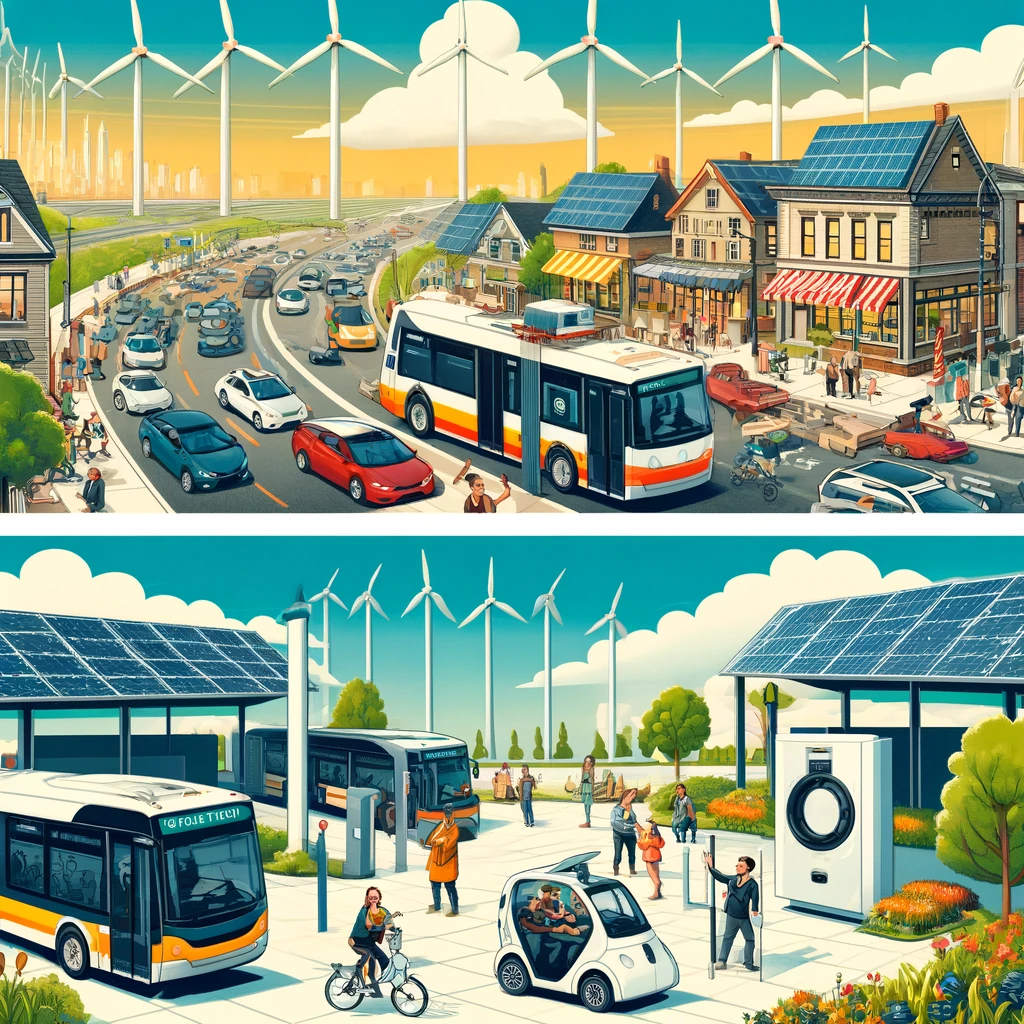
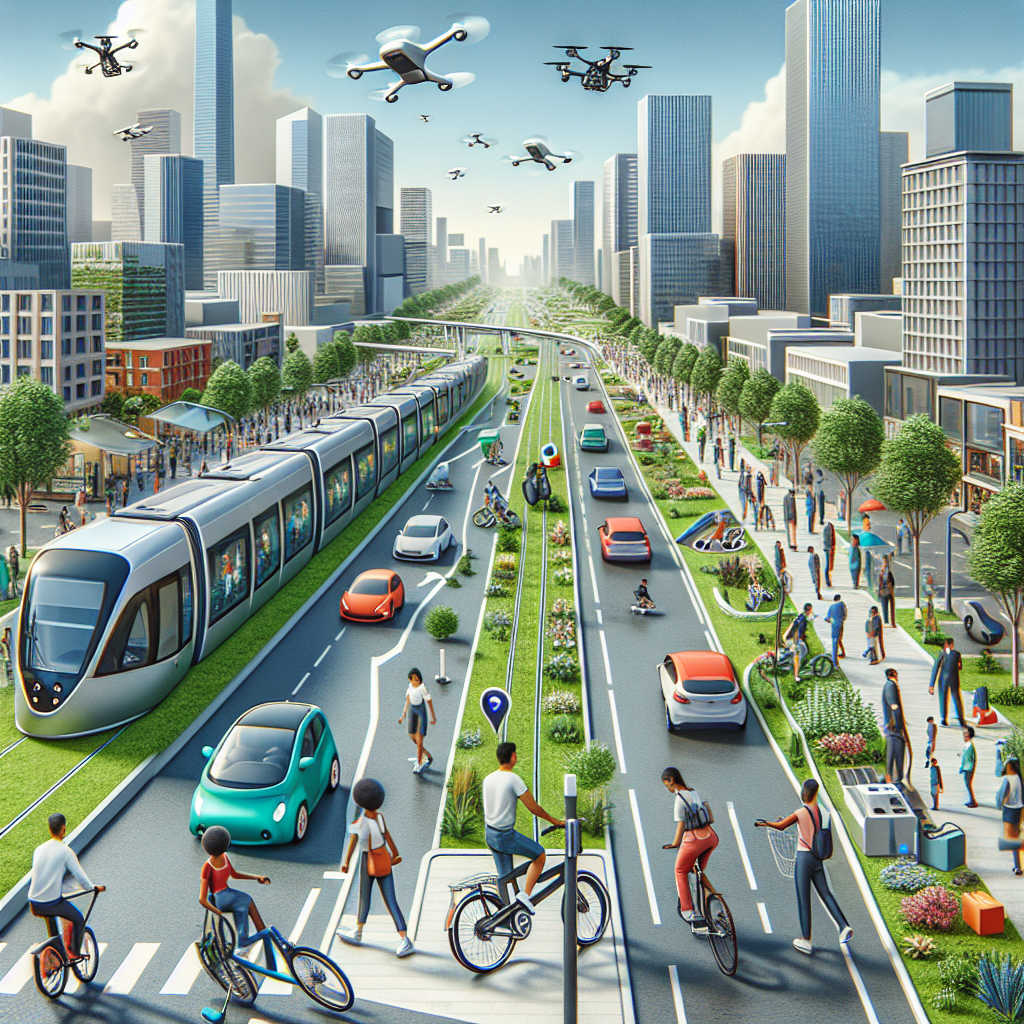
One of the most critical areas where innovation hubs can make a substantial impact is urban mobility. Sustainable urban mobility involves creating efficient, affordable, and eco-friendly transportation options that reduce reliance on private vehicles and lower greenhouse gas emissions. Innovation hubs play a pivotal role in developing and promoting such mobility solutions.
Electric vehicles (EVs), bike-sharing programs, and smart public transportation systems are examples of sustainable mobility solutions that innovation hubs often support. By facilitating research and development in these areas, they contribute to making urban transportation more sustainable. Moreover, innovation hubs often collaborate with city governments to pilot new transportation initiatives, gather data, and assess their impact before wider adoption.
Another way innovation hubs contribute to sustainable urban mobility is through promoting shared mobility services. Car-sharing and ride-sharing platforms reduce the number of vehicles on the road, decreasing traffic congestion and lowering emissions. Innovation hubs help these services develop better algorithms, user interfaces, and back-end systems, ensuring they operate smoothly and efficiently.
Innovation hubs also play a crucial role in integrating mobility solutions with existing urban infrastructure. By working closely with urban planners, they ensure that new transportation technologies are seamlessly integrated into the city’s landscape, making it easier for residents to adopt sustainable mobility options.
Enhancing Energy Efficiency and Renewable Energy Integration
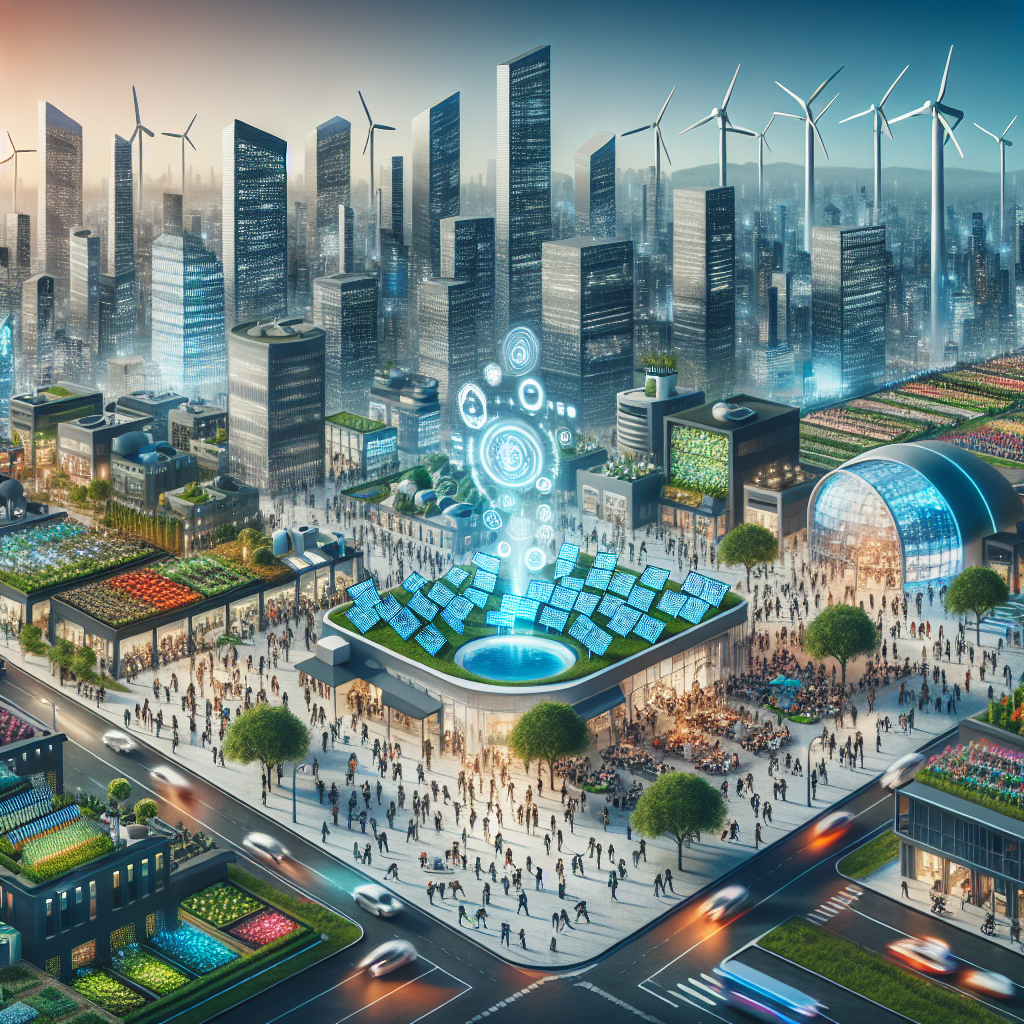
Energy efficiency and the transition to renewable energy sources are fundamental components of urban sustainability. Innovation hubs promote advancements in these fields by providing a fertile ground for experimentation and collaboration. They support projects focused on reducing energy consumption, increasing the efficiency of energy use, and integrating renewable energy into urban settings.
One example of how innovation hubs enhance energy efficiency is through the development of smart grids. Smart grids use digital communication technology to monitor and manage the distribution of electricity more effectively. They help balance demand and supply, reduce energy losses, and enable the integration of decentralized renewable energy sources like solar panels and wind turbines.
Innovation hubs also foster the creation of energy-efficient building technologies. Building operations consume a significant portion of urban energy, so improving their efficiency is crucial. Hubs support the development of solutions such as energy-efficient lighting, heating, ventilation, and air conditioning systems, as well as smart building management systems that optimize energy use.
Additionally, innovation hubs often partner with local governments and utility companies to pilot renewable energy projects. These projects demonstrate the feasibility of transitioning to cleaner energy sources and provide valuable data that can inform broader policy decisions. Through these collaborative efforts, innovation hubs accelerate the adoption of renewable energy technologies in urban environments.
Promoting Circular Economy Practices
The concept of a circular economy is gaining traction as a means to achieve urban sustainability. A circular economy aims to minimize waste and make the most of resources by creating closed-loop systems where materials are recycled, repurposed, and reused rather than discarded. Innovation hubs play a prominent role in advancing circular economy practices within cities.
Startups and projects focused on recycling, upcycling, and waste management find robust support within innovation hubs. These hubs offer the necessary resources and partnerships to develop innovative solutions for converting waste into valuable products, thereby reducing the environmental impact of urban waste.
Sustainable packaging is another area where innovation hubs contribute to a circular economy. By fostering innovation in biodegradable materials, reusable packaging, and eco-friendly production processes, they help reduce the environmental footprint of consumer goods.
Innovation hubs also advocate for systemic changes in how cities manage resources. Through research, policy advocacy, and pilot projects, they promote practices like extended producer responsibility, where manufacturers are accountable for the lifecycle of their products—from production to disposal. This encourages the design of more sustainable products and reduces the burden of waste management on public infrastructure.
Fostering Community Engagement and Social Innovation
Innovation hubs not only focus on technological advancements but also emphasize the importance of community engagement and social innovation in achieving urban sustainability. They recognize that sustainable solutions must be inclusive and address the needs and preferences of diverse urban populations.
Hubs often organize workshops, hackathons, and community events to engage residents in the innovation process. These activities provide a platform for citizens to voice their concerns, share their ideas, and actively participate in co-creating solutions for their communities. This participatory approach ensures that the solutions developed are more likely to be accepted and successfully implemented.
Social innovation projects within hubs address a range of issues, including affordable housing, access to education, healthcare, and food security. By fostering collaboration between social entrepreneurs, non-profits, and local governments, innovation hubs help develop initiatives that enhance the social fabric of urban areas and contribute to a more equitable and sustainable future.
Moreover, innovation hubs play a crucial role in educating the public about sustainability. They host educational programs, public lectures, and awareness campaigns to inform residents about the importance of sustainable practices and how they can contribute at an individual level. This educational outreach helps build a culture of sustainability within urban communities.
Conclusion: The Future of Urban Sustainability Through Innovation Hubs
As cities continue to face mounting sustainability challenges, innovation hubs stand out as pivotal players in driving urban transformation. By fostering creativity, supporting startups, advancing sustainable technologies, and promoting community engagement, these hubs contribute significantly to the pursuit of urban sustainability.
Innovation hubs offer a collaborative environment where diverse stakeholders can come together to develop and refine solutions tailored to unique urban contexts. Their role in testing, validating, and scaling new technologies ensures that only the most effective and practical solutions are implemented, maximizing their impact on sustainability.
The success stories of innovation hubs around the world highlight their potential to effect positive change. From reducing carbon emissions and enhancing energy efficiency to promoting circular economy practices and fostering social innovation, these hubs are at the forefront of sustainable urban development.
Looking ahead, the expansion and strengthening of innovation hubs will be crucial in addressing the evolving needs of urban environments. Continued investment in these hubs, both in terms of funding and policy support, will enable them to scale their impact and drive meaningful change. As we navigate the complexities of urban sustainability, innovation hubs provide a beacon of hope, demonstrating that with creativity, collaboration, and commitment, we can build cities that are not only sustainable but also vibrant, inclusive, and resilient.
Frequently Asked Questions
1. What exactly are innovation hubs and how do they contribute to urban sustainability?
Innovation hubs are collaborative spaces designed to support and nurture creativity, entrepreneurship, and technological advancement. They bring together start-ups, researchers, businesses, and investors in a dynamic environment that encourages innovation and experimentation. In terms of urban sustainability, innovation hubs are pivotal, as they drive the development of new sustainable technologies, practices, and businesses that help cities become more adaptive and resilient.
For example, innovation hubs often support start-ups focused on renewable energy solutions, waste reduction technologies, and smart city initiatives, which can alleviate the pressures of urban growth on infrastructure and resources. They also foster partnerships and networks that facilitate the transfer and implementation of sustainable solutions across different sectors and communities within the urban landscape.
2. How do innovation hubs support entrepreneurs and start-ups interested in sustainability?
Innovation hubs provide a fertile ground for entrepreneurs and start-ups by offering access to resources, mentorship, and networking opportunities. These hubs typically offer shared workspaces, where start-ups can collaborate and exchange ideas with peers and industry experts. They also host events, workshops, and hackathons that focus on sustainable innovation, guiding entrepreneurs in developing viable and impactful solutions for urban challenges.
Financial support is another critical component. Many innovation hubs are linked with investors and funding bodies interested in sustainable projects. Additionally, they often provide access to governmental and private grants aimed at fostering sustainable development. This ease of access to funding and knowledge helps start-ups overcome initial barriers and scale their innovations effectively.
3. Can you provide examples of successful innovation hubs that have improved urban sustainability?
One prominent example is the ‘GreenTech Innovation Hub’ in Stockholm, Sweden. This hub has been instrumental in propelling green technologies, such as electric vehicle charging infrastructure and smart grid applications. Its initiatives have significantly contributed to Stockholm’s reputation as one of the world’s most sustainable cities.
Similarly, the ‘Urban Future Lab’ at NYU Tandon School of Engineering in New York City serves as another notable example. This hub focuses on clean technology innovation and supports ventures aiming to reduce carbon emissions, improve energy efficiency, and enhance urban resilience. By fostering such initiatives, these hubs have made substantial strides in addressing urban sustainability challenges.
4. What unique advantages do urban innovation hubs offer compared to other forms of support for sustainability?
Urban innovation hubs offer a unique ecosystem that combines flexibility, focused expertise, and a collaborative culture, setting them apart from other platforms or support structures. Unlike traditional business incubators or accelerators, innovation hubs prioritize cross-disciplinary collaboration and engagement with local communities to ensure that solutions are not only innovative but also community-oriented and locally relevant.
Furthermore, the proximity of innovation hubs to urban infrastructure challenges allows for real-world testing and tweaking, enabling a more practical and iterative development process. This hands-on approach ensures that innovations have a quick path to deployment and scalability in urban environments.
5. What role do innovation hubs play in shaping policies and education for urban sustainability?
Innovation hubs often work closely with policymakers and educational institutions to drive shifts in urban policy and curriculum that embrace sustainability. By providing data, outlining successful case studies, and demonstrating the viability of new technologies, these hubs influence policy decisions that facilitate broader adoption of sustainable practices within urban settings.
Additionally, innovation hubs collaborate with universities and educational entities to integrate sustainability concepts into curriculums. This partnership helps in building a workforce that is not only aware but also equipped with the necessary skills to innovate and apply sustainable solutions actively. Through education and policy advocacy, innovation hubs help build a robust foundation for future urban development that aligns with sustainability goals.